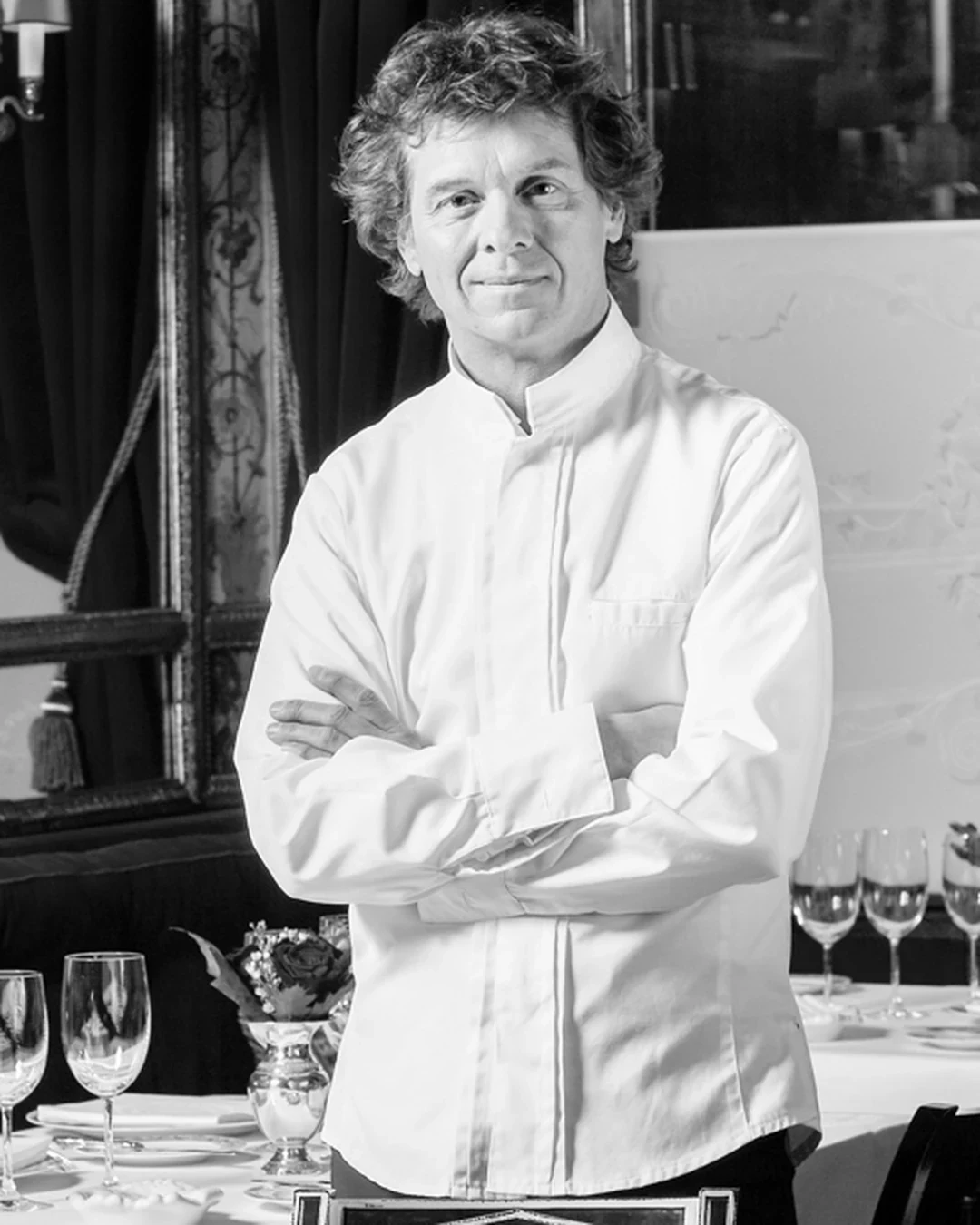
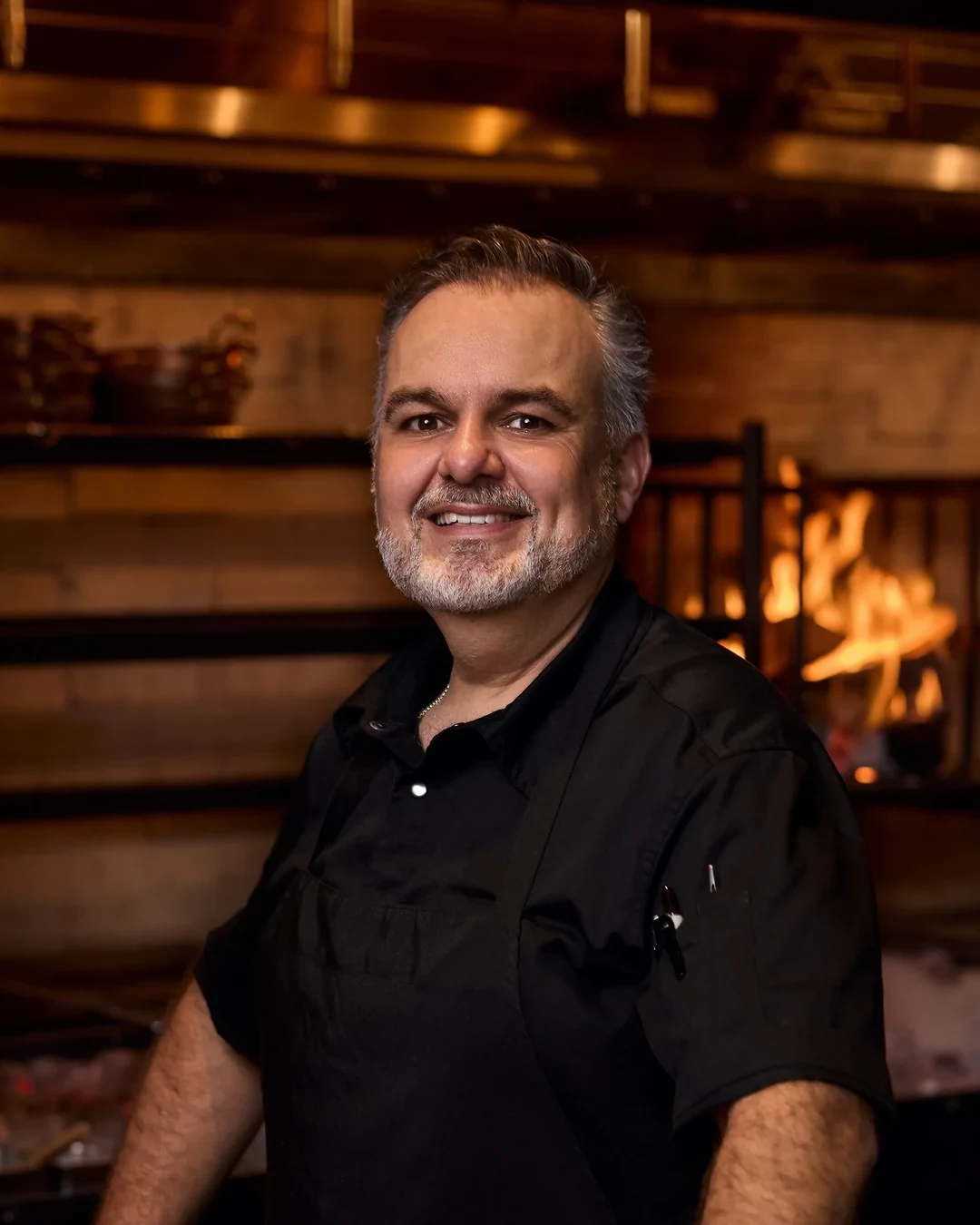
Portrait of Guy Martin
i. Biography
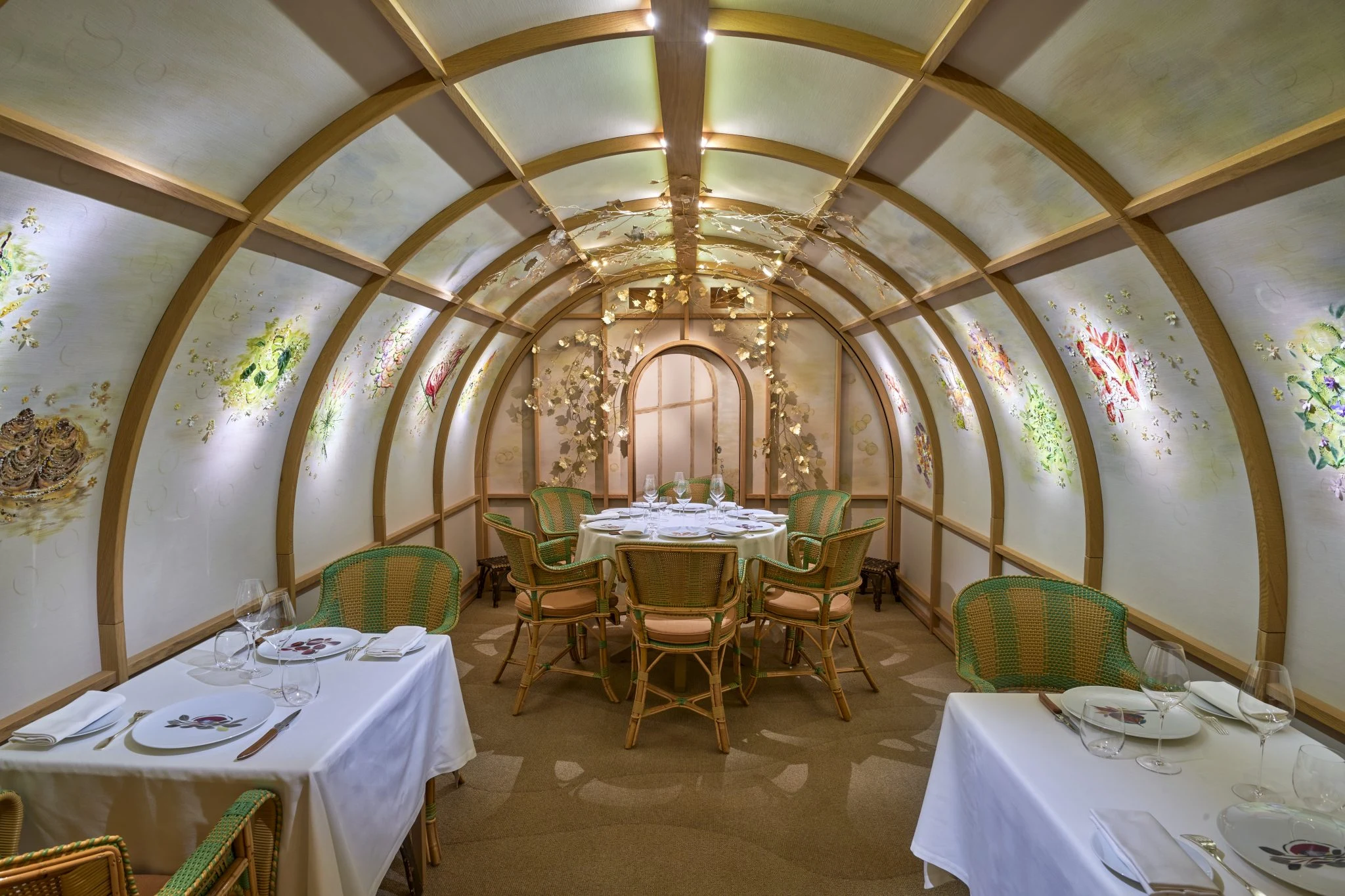
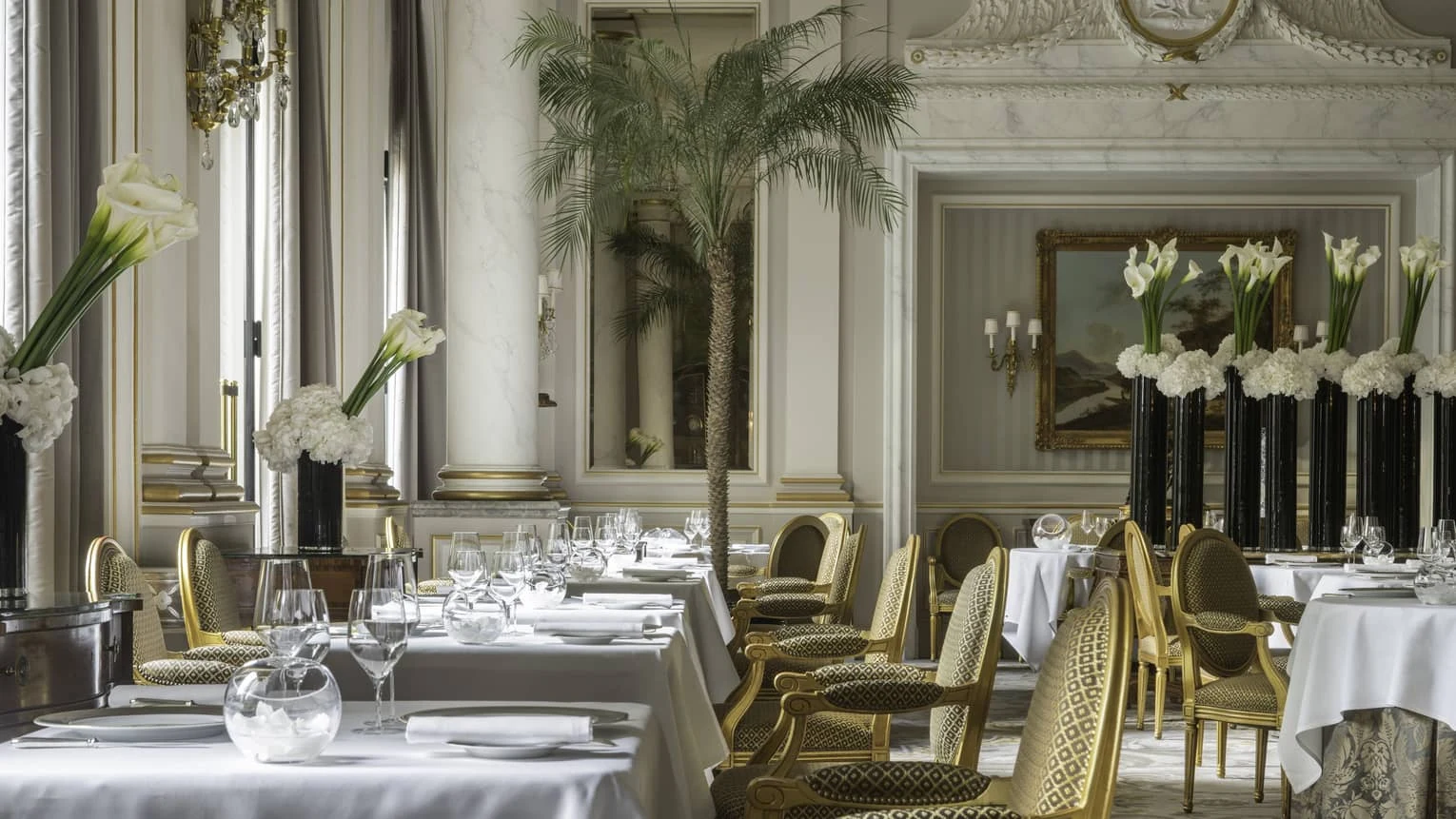
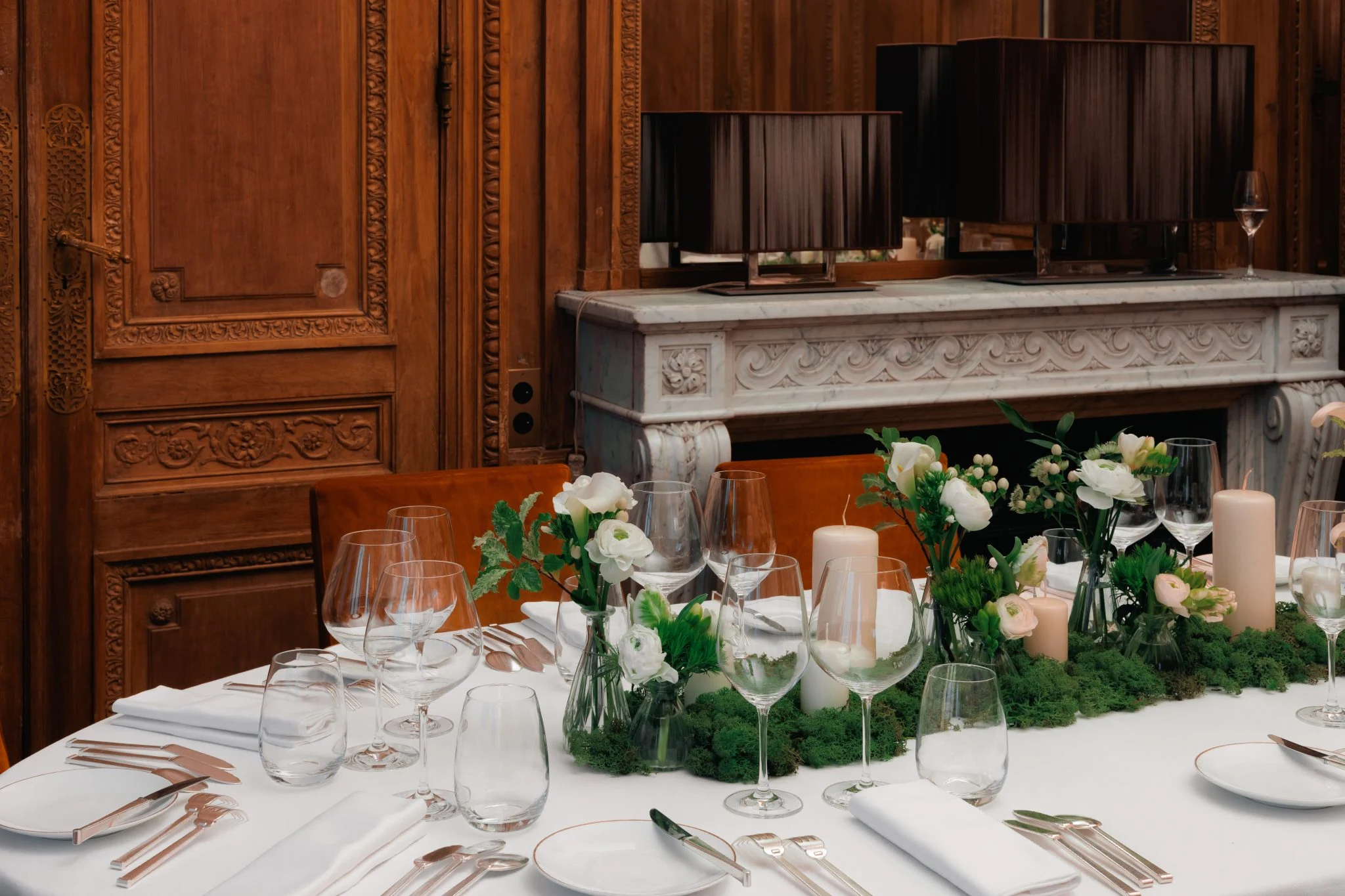
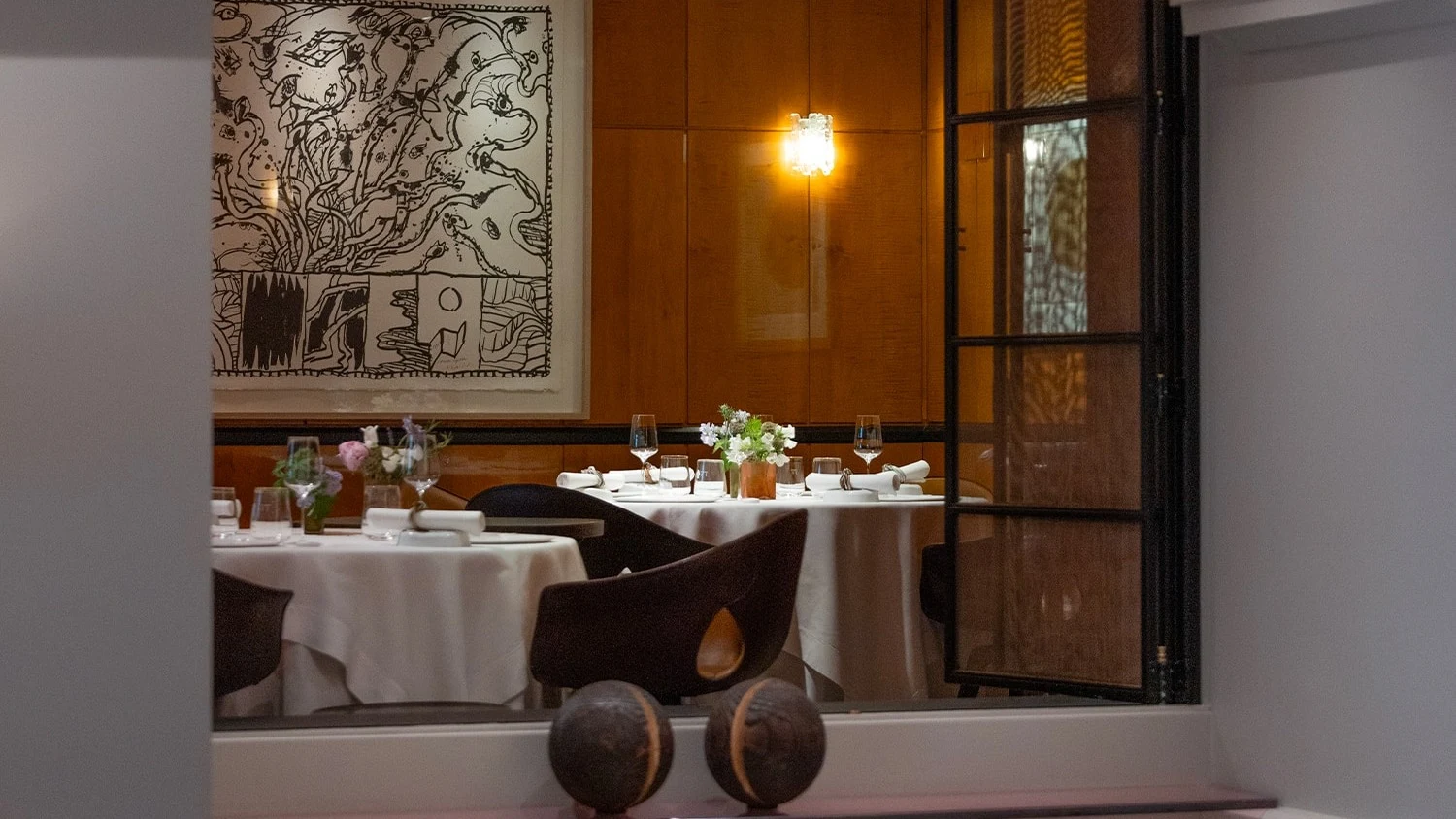
In Paris, France, Le Grand Véfour carries French gastronomy through produce, sauce, pastry, and the controlled pace of service. The room’s history is active in the work: brigade tempo, plate timing, and the way a sauce can hold inheritance without turning static. The Michelin Guide cites two stars for Le Grand Véfour, where Guy Martin’s cooking is tied to modern, sensuous cuisine with an emphasis on quality produce.
The Sunday letter
Read Made By's new profiles every Sunday.
Meet the chefs, winemakers and sommeliers behind the places we cover. See a sample below before you subscribe.
See a sample of the Sunday emailOne email a week. Unsubscribe from any issue.
The Climb
Dough work and live heat formed the early register. As a pizzaiolo, Guy Martin worked in a craft built on timing, texture, appetite, and the immediate correction of flame. The later move into the French kitchen brought that heat discipline into a more formal structure: cook at Château de Coudrée (until 1991), then director and Head Chef at Château de Divonne (until 1991). Those posts placed technique inside service rhythm, authority, and the larger mechanics of hospitality. Parisian grand restaurant work requires inheritance to be handled as a working material, not a museum piece. At Le Grand Véfour, where Guy Martin is Head Chef and owner (since 1991), French dining history meets the daily demands of taste, restraint, produce selection, sauce work, pastry, and service polish. The question is not how to display tradition, but how to keep it usable. Occasion cooking asks for another discipline: the meal must answer the setting without becoming pageantry. Guy served as chef for celebratory meal of the annexation of Savoie to France at Château of the dukes of Savoie in Chambéry (2010), where cuisine, ceremony, and national memory met at table. Television work extended the ingredient conversation beyond the restaurant; he became television host at Épicerie fine (from 2011), a format tied to ingredients, regions, and table culture.
Today
Le Grand Véfour functions as both restaurant and pressure system: a Paris address described as the oldest restaurant in Paris and a landmark of French gastronomy. As owner of Le Grand Véfour, Guy Martin works inside a house where the room already carries expectation. The craft demand is clarity—each generation must bring discipline and a point of view without treating history as cover for imprecision. Modern, sensuous cuisine depends on produce being central rather than ornamental. In Guy Martin’s work, that description points to concentration over excess: clean flavor, handled texture, aromatic release, and the balance between richness and lift. The sensuous register comes through contrast as much as luxury—cool against warm, crisp against tender, brightness against depth. That structure is visible in dishes designed for An Evening with The Brando at La Mer in Waikiki, Hawaii: Ravioli de Foie Gras with a drizzle of truffle emulsion; Roasted Pigeon de la Dombes with asparagus and cabbage bok choy tempura; and a lightly baked chocolate heart filled with honey from Tétiaroa, served with fresh lemon citron sorbet from The Brando’s orchard. The sequence works through fragrance, savor, and sweetness: foie gras enclosed in pasta and carried by truffle; pigeon set against asparagus and cabbage bok choy tempura; chocolate softened by heat, then cut by lemon citron and marked with honey from Tétiaroa.
Career - Head Chef — Le Grand Véfour, Paris (1991–present) - Owner — Le Grand Véfour, Paris (2011–present) - Pizzaiolo - Cook — Château de Coudrée (until 1991) - Director and Head Chef — Château de Divonne (until 1991) - Chef for celebratory meal of the annexation of Savoie to France — Château of the dukes of Savoie, Chambéry (2010) - Television host — Épicerie fine (from 2011)
Recognition
Restaurant judgment and French cultural recognition both mark this body of work. Guy's honors include Three Michelin stars for Le Grand Véfour (2000), First Michelin star (1984), Officier of the Légion d'honneur (2012), Chevalier of the Légion d'honneur (2003), Chevalier of the Ordre des Palmes Académiques (2002), and Chevalier of the Ordre des Arts et des Lettres (1997). Those distinctions
The Sunday letter
Get the next Made By profile in your inbox.
We send one email every Sunday morning with the people we profiled that week.
See a sample of the Sunday emailOne email a week. Unsubscribe from any issue.