i. Biography
The Path
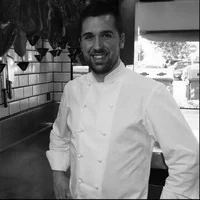
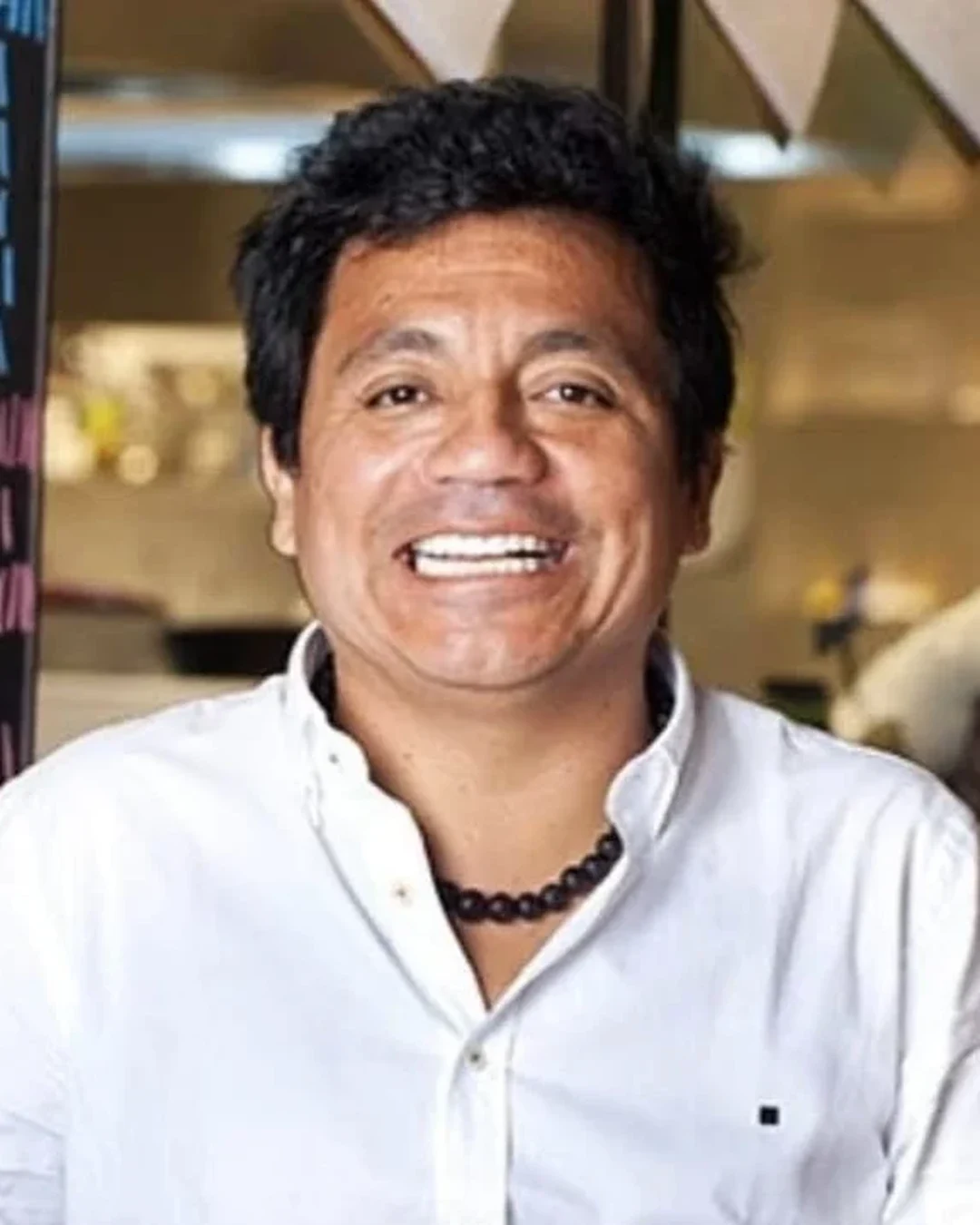
Formal training at Le Cordon Bleu and service inside his father's restaurant gave Héctor Sol two angles on the same trade: technique on one side, daily kitchen discipline on the other. The work that followed did not move away from that ground; it kept returning to it, with the restaurant lessons of his parents still setting the terms. In both, the throughline is clear: memory, regional roots, and a refusal to treat tradition as static.
The Work Today
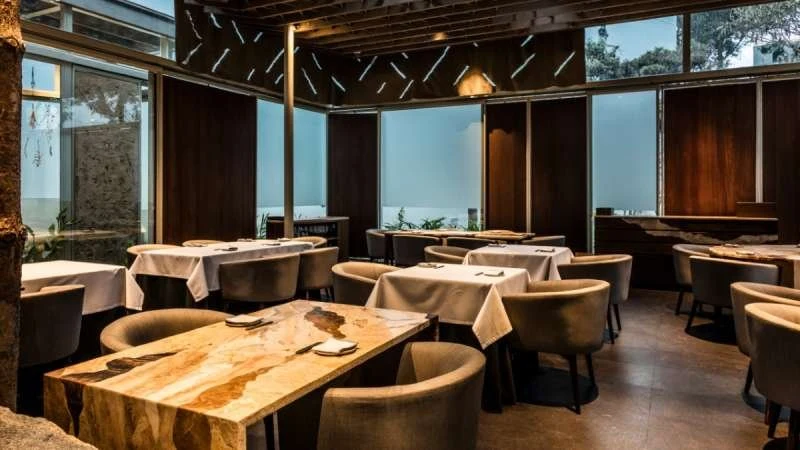
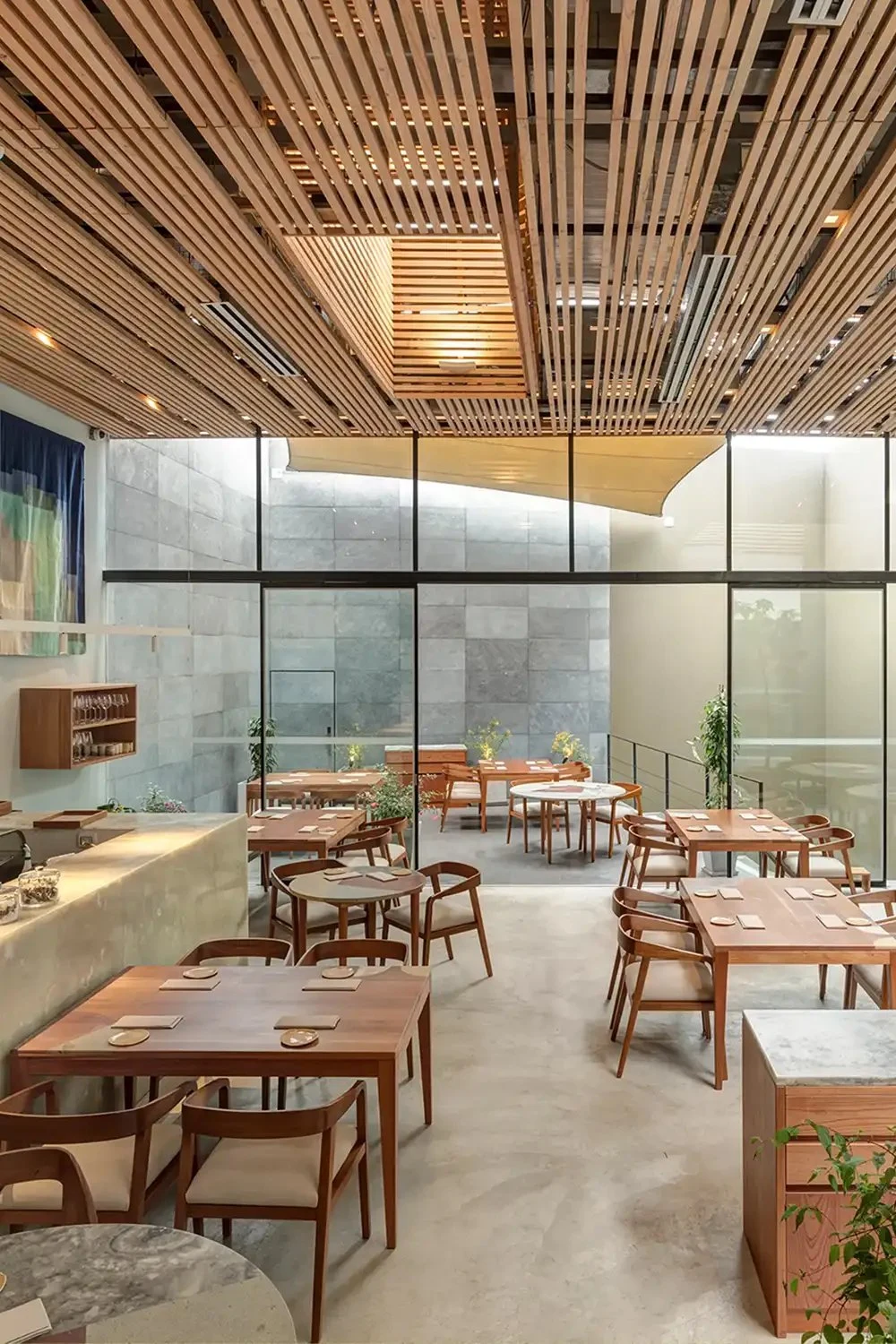
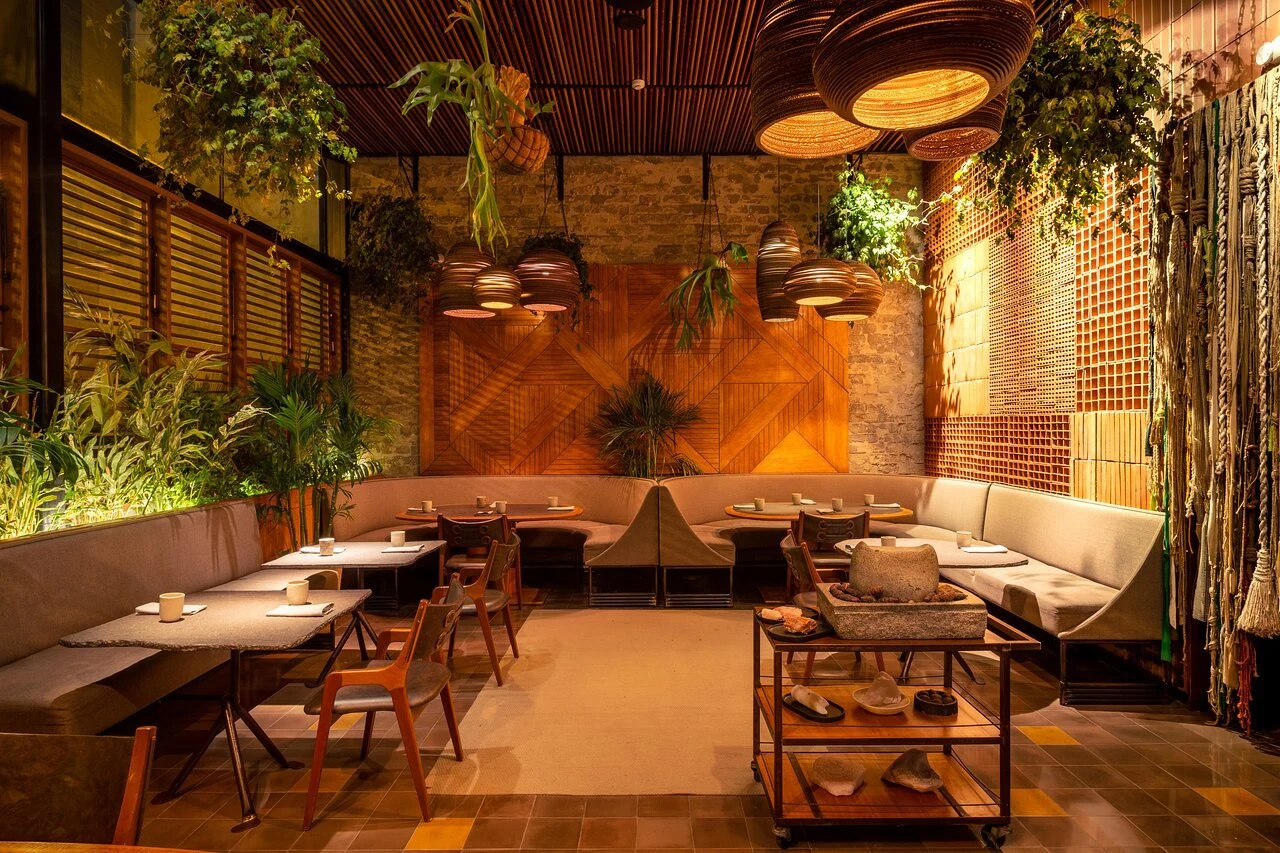
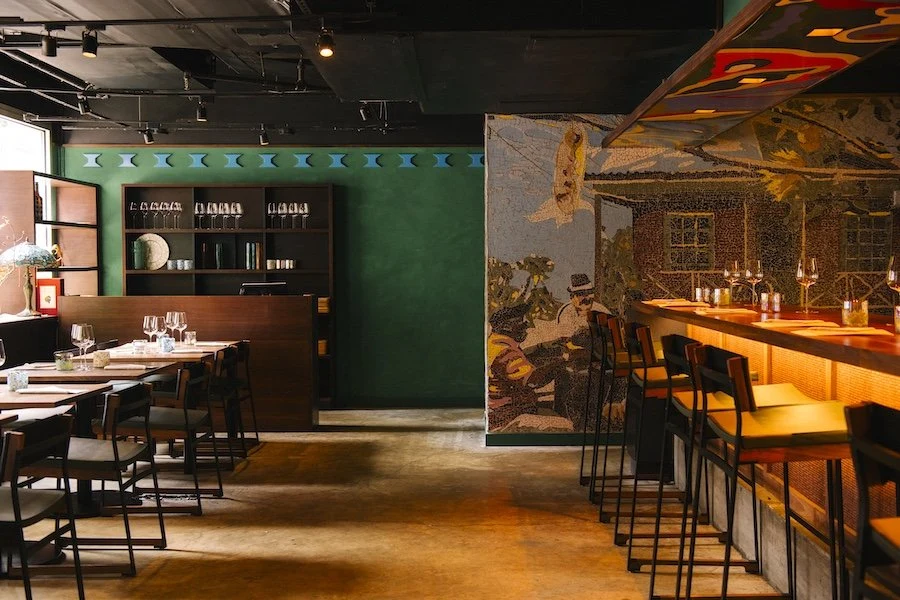
Rice sits at the center of Sol's kitchen at Fiesta, treated as a primary subject rather than a side element. "We have always been obsessed with finding the best rice. My father began that search and now I continue that path." The line says enough: the work is inherited, specific, and built around repetition done well.
In Their Words "What I was looking for in the book was to recognize the work and the way my father Alberto Solís looked at a restaurant or the gastronomy of Lambayeque, as well as my mother Berta, the restaurant's main first cook." "We have always been obsessed with finding the best rice. My father began that search and now I continue that path."
Career - founder and chef — Fiesta, Lima (1996–present) - founder — informal restaurant in the style of old northern picanterías, Lima (2013–present) - waiter — his father's restaurant Education: Le Cordon Bleu
Acclaim
The work is anchored in family memory and northern identity, with Alberto Solís and Berta named not as background, but as reference points for how the kitchen is read and run. "What I was looking for in the book was to recognize the work and the way my father Alberto Solís looked at a restaurant or the gastronomy of Lambayeque, as well as my mother Berta, the restaurant's main first cook." That same grounding extends to place. "The blood of Chiclayo, Moche, Mochica, is here, so I am happy." At Fiesta, that sense of belonging is carried through rice, through routine, and through a kitchen language shaped by northern Peru rather than detached from it.
FAQ What is Héctor Sol's current role? As of 2026, Héctor Sol is Chef. Where did Héctor Sol train or study? Héctor Sol trained at Le Cordon Bleu.