Founder
James Freeman
- Discipline
- Founder
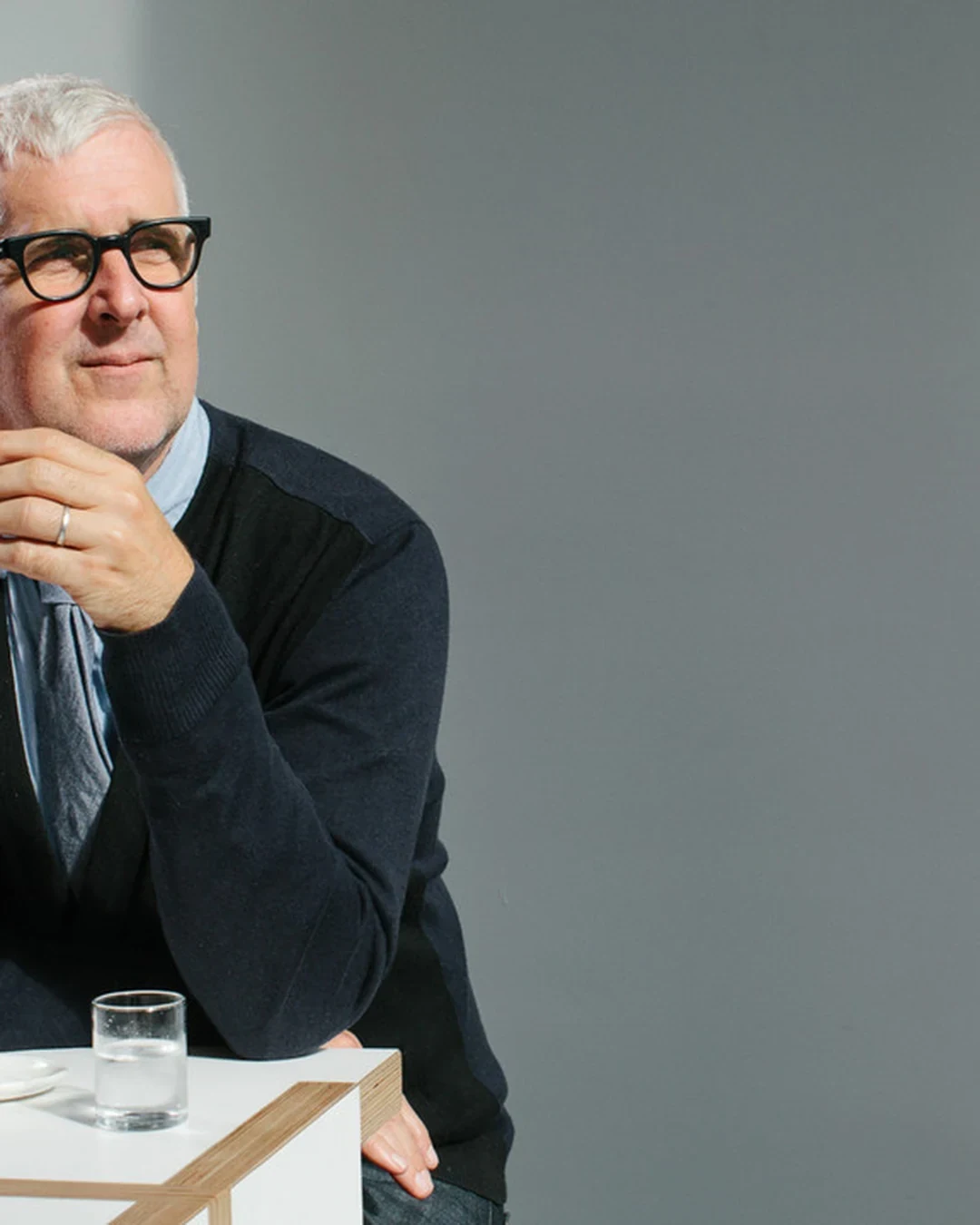
i. Biography
The Idea
A 186-square-foot converted potting shed in Oakland, California set the first constraints. In a room that small, coffee work had to be physical before it could be conceptual: bags, tools, heat, timing, and movement all sat inside the same working radius. Roasting at that scale kept the process close to the body, where repetition teaches by contact and adjustment rather than distance. The roaster marked the practical threshold. James Freeman has described the purchase plainly: “I went to Idaho and bought a little red Diedrich roaster. I remember opening the crate, seeing the roaster, and being astonished that this would soon be my career.” The useful detail is not romance but contact with equipment: a crate, a red machine, and the recognition that the trade would be learned through use.
The Execution
The working method made sequence visible. Coffee was handled as a set of connected decisions rather than an anonymous product moving through a system: sourced with care, roasted with intention, brewed to order, and handed across a counter as a finished cup. The café counter became part of the process because the making stayed in view. The priority was not display or speed as an end in itself, but a drink prepared for one guest through measured steps. Hospitality sat in the execution: the cup emerged through human decisions, small and cumulative, rather than appearing from behind a service wall. The specialty spans sourcing coffee, roasting, and café experience design. In Freeman’s work, those parts are treated as one chain: the bean selected, the roast developed, and the room arranged so the coffee can be received with attention. Counter, pace, welcome, and order are not decoration around the cup; they are conditions that either support the cup or interfere with it.
On the Record
The record moves from clarinet performance to roasting, and from a tiny Oakland shed to a company title in San Francisco. The craft center stays narrow and legible: coffee sourced, roasted, brewed to order, and served in spaces shaped for attention. The change of medium matters less than the continuity of timing, discipline, and service. Presence is the through-line. Freeman’s work has been organized around a cup meant to be noticed, and around rooms designed to make that noticing easier.
Signature
James's signature roasts include 17ft Ceiling espresso blend. The signature is not only the name on the bag, but the linked discipline behind it: sourcing, roasting, and service decisions aligned so the blend reads clearly in the cup.
In Their Words “I went to Idaho and bought a little red Diedrich roaster. I remember opening the crate, seeing the roaster, and being astonished that this would soon be my career.” “But we think a lot about hospitality, and we try to make everyone super welcome and try to give everybody a good experience.”
FAQ What is James Freeman's current role? James Freeman is Founder. What is James Freeman known for? Sourcing coffee, roasting, and café experience design. What recognition has James Freeman received? Imbibe Magazine Coffee Professional of the Year.


