Other
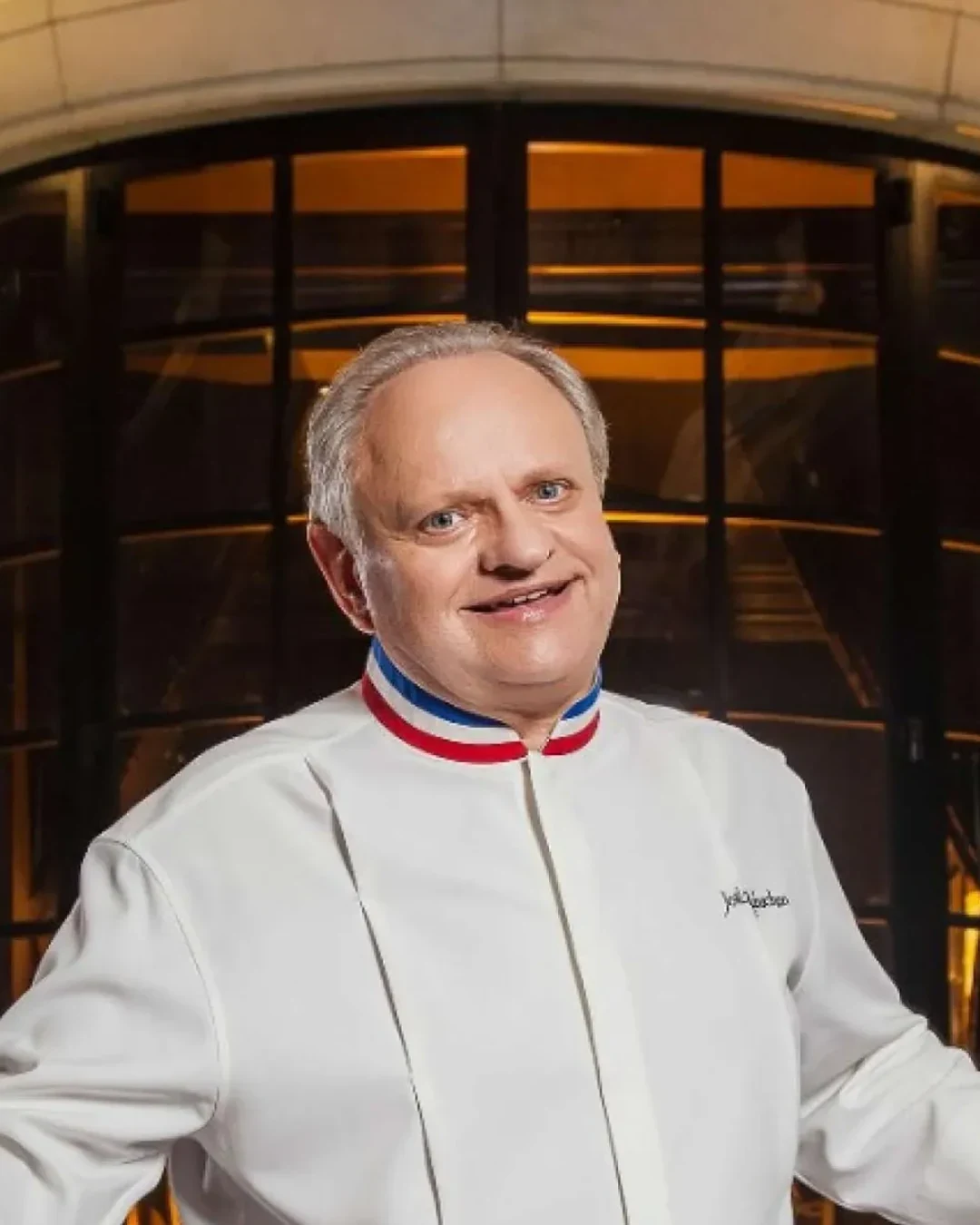
Joël Robuchon
Michelin three-star chef
- Discipline
- Other

i. Biography
The Path
Poitiers, Western France, is the birthplace that sits behind a career built on precision rather than flourish. In 1981, Joël Robuchon took on Jamin as chef and restaurateur, and the move fixed the terms of his public identity: one address, one standard, one clear idea of what modern French cuisine could ask of a kitchen.
The Work Today
A lighter hand, not a thinner result, is the core of Robuchon’s approach. When Joël Robuchon said his cooking was “less heavy, but not necessarily less rich,” he drew a hard line between restraint and dilution. Butter and cream still held their place in the kitchen vocabulary, but thick, heavy sauces no longer matched contemporary life style or taste. The work sits in that balance, with richness kept intact and excess held back.
Signature
Mashed potatoes became a signature in Joël Robuchon’s hands because the dish was treated as technique, not convenience. What reads as familiar on the plate becomes, under his standard, a test of texture, finesse, and control—proof that precision can be applied to the most basic preparation without lowering the bar.
In Their Words “What I want to be known for is a cuisine that is less heavy, but not necessarily less rich. We use butter, we use cream, but thick, heavy sauces no longer fit into the contemporary life style or taste.” “Chefs must cook for the way we live today. Much of what has been passed off as nouvelle was simply decorative cooking done by chefs without professional training.”
Acclaim
Best Restaurant in the World, Meilleur Ouvrier de France, cuisine (1976), Officer of the Legion of Honour, Knight of the Legion of Honour, and Chef of the Century (1989) frame Joël Robuchon’s standing in the trade. The honors point to a career judged not by scale alone, but by discipline, authority, and the consistency of a high standard over time.
FAQ
Profile updated July 2026