Winemaker
Karen Michel
- Discipline
- Winemaker
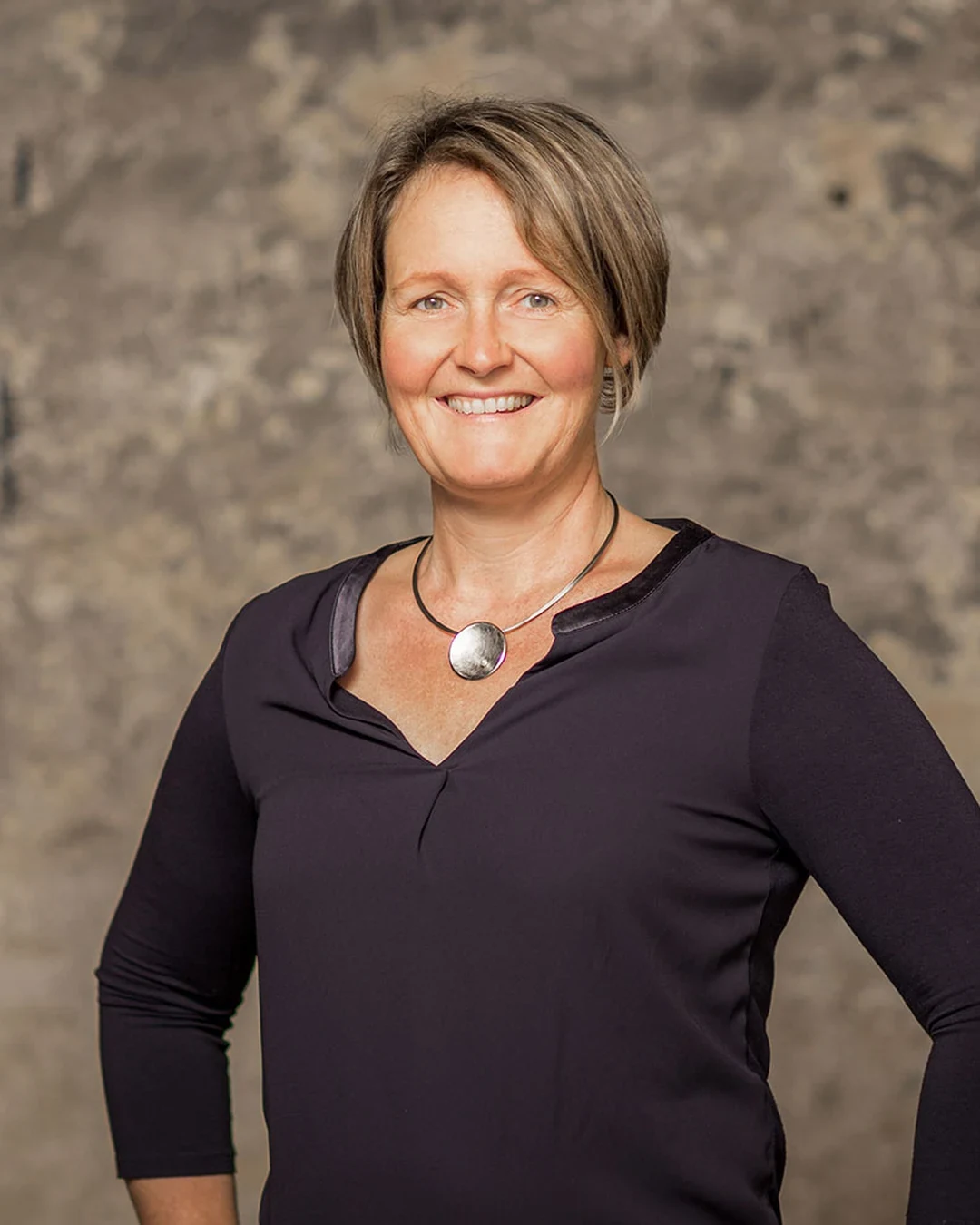
i. Biography
In Dittelsheim-Heßloch, Germany, the work at Cisterzienser Weingut begins outside, with vineyard conditions and the daily changes that shape purely organic cultivation before any grape reaches the cellar. Karen Michel co-manages the estate in the eighth generation, working where Riesling, Chardonnay, spontaneous fermentation, and orange wines all meet a close attention to natural dynamics.
The Place The estate is the center of Michel’s career, and her role is both practical and generational. She is owner of Cisterzienser Weingut Michel in Dittelsheim-Heßloch, and she also shares management of the estate in its eighth generation. That continuity gives the work a long horizon without making it static. The guiding emphasis is on vineyard conditions and natural dynamics: work in and with the earth, while accepting that conditions outside differ every day. For a wine estate, that is not an abstract idea; it is the daily frame around cultivation, cellar decisions, and the character of the wines that follow. Her professional connection also extends into regional agriculture through membership in the Rhineland-Palatinate Chamber of Agriculture. In a place-led practice like this one, that membership sits beside the more tactile facts of vineyard and cellar: cultivation, fermentation, and the patient reading of what each season gives.
The Method Together with Ulrich Michel, she switched the estate to purely organic cultivation. The change places the vineyard first, treating the outside work as the foundation for what later happens in the cellar. Fermentation has also moved toward less scripted ground. The estate increasingly uses spontaneous fermentation, allowing the cellar work to develop with natural processes rather than a fully controlled template. It has also produced convincing orange wines, extending the range through skin-contact methods associated with texture, structure, and a different reading of grape material. Nothing about that method suggests haste. The estate’s own emphasis on working in and with the earth gives the wines their point of origin, while the note that conditions outside differ every day keeps the practice responsive. Organic cultivation, spontaneous fermentation, and orange wine production form a clear craft language: attentive to the vineyard, open to natural dynamics, and shaped by what arrives from the outside.
The Range A named example of the estate’s range is Chardonnay Riesling Trocken, made from Riesling and 40% Chardonnay. It is described as a small, fun blend, though Ulrich Michel calls it a marriage rather than a blend, a compact way to frame two grapes sharing one dry wine. The broader wines from the estate are described as having complex flavours and remarkable length after a significant increase in quality in recent years. That description matters most when read alongside the method: organic cultivation in the vineyard, increasing spontaneous fermentation in the cellar, and an openness to orange wines. For Michel, the work remains tied to Dittelsheim-Heßloch and to an estate carrying eight generations of continuity. The materials are specific, the cellar choices are visible, and the style is built from vineyard conditions before it becomes flavour, length, or blend.
FAQ What is Karen Michel known for making? She is associated with estate wines including Chardonnay Riesling Trocken, made from Riesling and 40% Chardonnay, along with convincing orange wines. Where does Karen Michel work? She works at the estate in Dittelsheim-Heßloch, Germany, where she co-manages in the eighth generation. What style or method defines Karen Michel's work? Purely organic cultivation, increasing use of spontaneous fermentation, and attention to changing vineyard conditions define the work.


