i. Biography
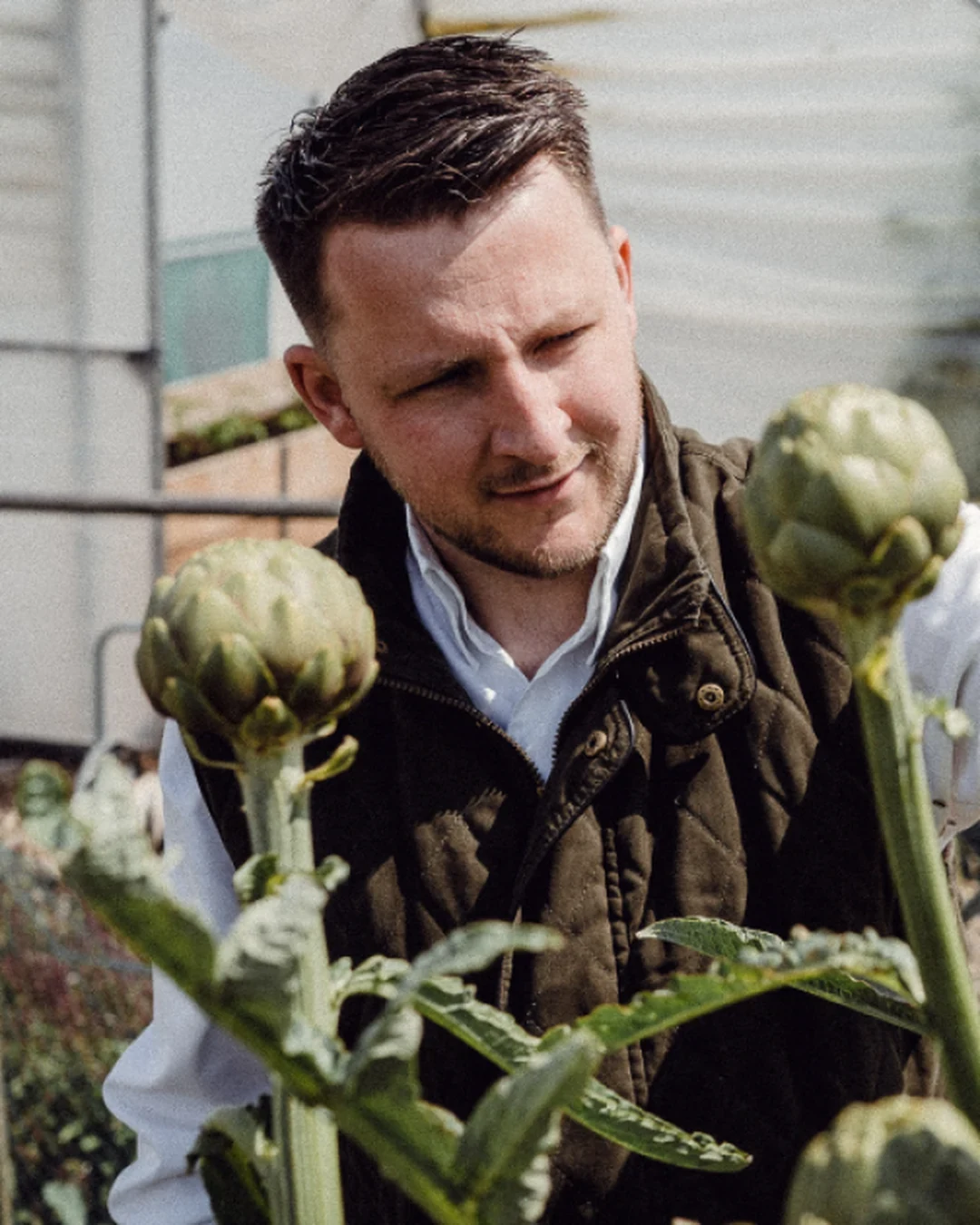
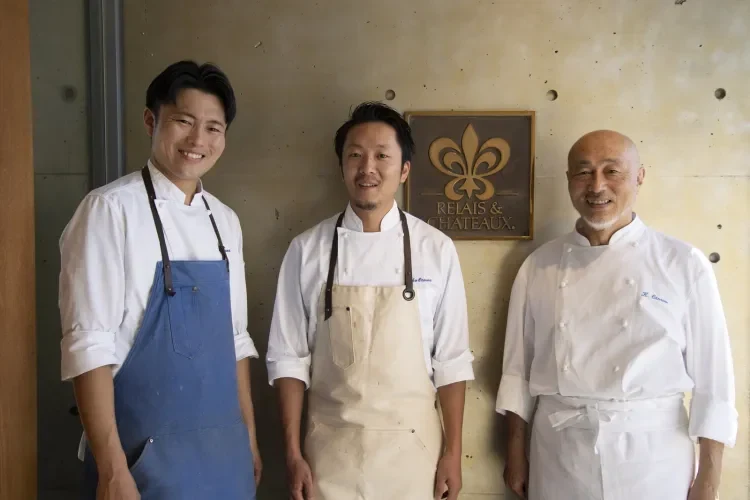
French technique is the working structure here: terrine, chaud-froid, sauce work, and composed service. In Kazunori Otowa’s cooking, that structure is used to register Japan’s four distinct seasons, local fields, and what local foraging makes available. The frame remains French; the material and timing are tied to Tochigi. “We need three generations’ worth of time to do more of the things we want to do.” Kazunori has said.
Coming Up
Classical French discipline entered the work through Alain Chapel and Michel Guerard, where Kazunori Otowa trained in kitchens built on finesse, restraint, and ingredient handling. That formation matters less as pedigree than as method: richness kept in check, composition without excess, and technique used to clarify rather than cover. A bistro-style restaurant in Utsunomiya, Tochigi Prefecture, Japan, founded from 1981, gave that training a local working ground. In Kazunori Otowa’s hands, French form was not treated as imported display; it became a way to organize the seasons, harvest rhythms, and ingredients of Utsunomiya and Tochigi. The trajectory is one of gradual refinement rather than rupture. Training at Alain Chapel and Michel Guerard gave Kazunori Otowa a classical base; the bistro-style restaurant from 1981 tested that base against local supply and daily service. The central question stayed practical: how much technique is enough, and when should the ingredient remain plainly itself inside the French frame. Since 2007, Otowa Restaurant has carried that accumulated method through Kazunori Otowa’s role as owner-chef. The table is defined by classical training, regional sourcing, and seasonal judgment, with French dishes used as vessels for a Japanese sense of timing.
Where They Are Now
French dishes reflecting Japan’s four distinct seasons are the restaurant’s core grammar, made mostly with ingredients farmed or foraged in Tochigi. In Kazunori Otowa’s work, locality is not garnish or story copy; it determines movement on the menu. French cuisine supplies architecture and finish, while Tochigi supplies availability, character, and sequence. The Sake Voyage pairing menu at the restaurant makes that method explicit. Burdock flan with Junmai Nama Genshu KIWAMI SHIZUKU sets a root vegetable into a French preparation and pairs it with sake rather than wine. Nikko Premium Yashio-trout chaud-froid with Junmai Ginjo SANRAN keeps a classic cold preparation in contact with a regional ingredient, holding delicacy and temperature as part of the craft. The same register continues through foie gras terrine, abalone pie, Tochigi wagyu fillet, and Tochiotome strawberry with sake-lees ice cream. The menu works across density, layering, depth, and acidity without abandoning its central exchange: French cooking in conversation with Japanese drink culture, built around what Tochigi can provide and what the season will allow.
Career - Owner-chef — Otowa Restaurant, Utsunomiya, Tochigi Prefecture, Japan (2007–present) - Founder — bistro-style restaurant, Utsunomiya, Tochigi Prefecture, Japan (from 1981) Education: Alain Chapel; Michel Guerard
FAQ What is Kazunori Otowa's current role? Kazunori Otowa is Owner-chef. Where did Kazunori Otowa train or study? Kazunori Otowa trained at Alain Chapel and Michel Guerard. What recognition has Kazunori Otowa received? Tabelog Award Silver (2026).