Chef
Keisuke Hirayama
- Discipline
- Chef
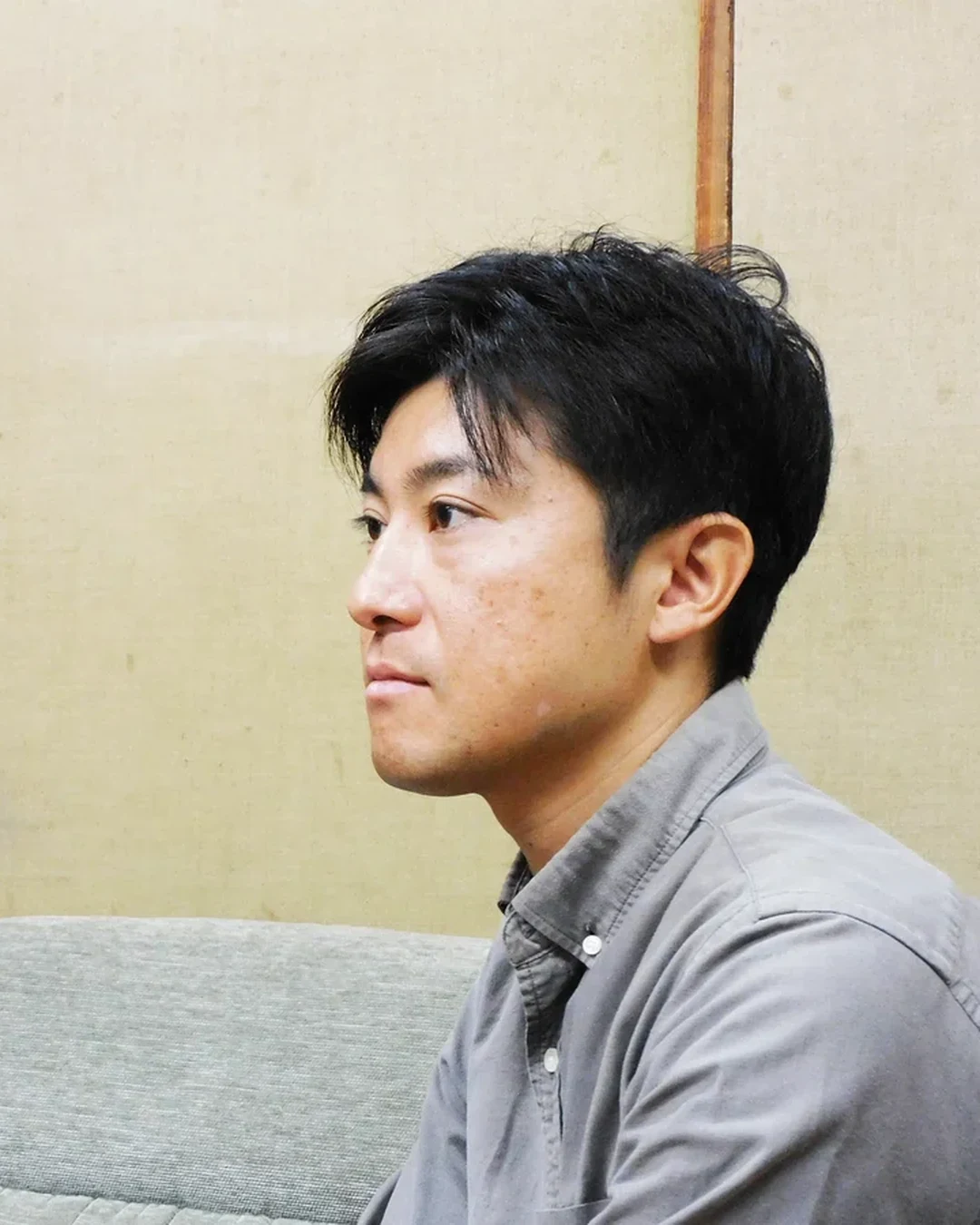
i. Biography
Chef of Hirayama in Tokyo, Japan, Keisuke Hirayama works from a kappo foundation, placing the kitchen in direct view of the guest and letting sequence, timing, and technique do the talking. The restaurant’s signature expression is kappo-style soba and kaiseki-style multi-course meals, built around visible cooking, in-house milling, and tempura prepared one piece at a time.
The Recognition The defining title is direct: chef of Hirayama in Tokyo, Japan. It carries weight because the restaurant is organized around a format that exposes the work rather than hiding it: guests sit at the counter, face the kitchen, and receive courses in sequence while the cooking remains visible throughout. That structure reflects Hirayama’s kappo background. Kappo service depends on proximity and order; the guest sees the preparation, the chef controls the pace, and each course arrives as part of a considered progression rather than as a static plate sent from a closed room. At the Tokyo restaurant, that approach supports both soba and multi-course kaiseki-style meals. The recognition is not attached to a listed medal or credential; it is attached to a precise role and a clearly defined craft, practiced in front of the diner.
The Work
Behind It Soba is central to the restaurant’s identity. Hirayama serves noodles made from 100% buckwheat, milled in-house from unpolished grain, a process that produces a more intense flavor than restaurant soba made from commercial flour. The choice to mill in-house puts flavor and texture under the kitchen’s direct control. Rather than relying on purchased flour, the restaurant begins with the grain and carries the work through to the bowl. Tempura receives the same immediate treatment. Items are fried to order one by one, at a quality level compared to a specialist tempura shop, which means timing is part of the meal rather than a background operation. The broader specialty is kappo-style soba and kaiseki-style multi-course meals. In that combination, soba is not treated as an afterthought to a formal meal; it is part of the restaurant’s central craft, sitting alongside seasonal courses and counter-service rhythm.
The Road Hirayama comes from a kappo background, a fact that explains the restaurant’s shape as much as its menu. The counter-seat format, the visible kitchen, and the sequential arrival of courses all follow from that training. His career also includes work as chef at Ginza Kuikiri Hirayama in Tokyo, Japan. There, the specialty was seasonal kaiseki meals using high-quality ingredients, a foundation that connects directly to the multi-course cooking associated with his current restaurant. The through-line is clear: kappo, kaiseki, soba, and service at close range. At Hirayama, those elements converge in a room where guests face the kitchen and the meal unfolds in front of them, course by course.
FAQ What is Keisuke Hirayama's most notable recognition? Keisuke Hirayama's most notable recognition is his role as chef of Hirayama in Tokyo, Japan. What is Keisuke Hirayama known for? Keisuke Hirayama is known for kappo-style soba, kaiseki-style multi-course meals, in-house-milled 100% buckwheat soba, and tempura fried to order one by one. What is Keisuke Hirayama's current role? Keisuke Hirayama is Chef of Hirayama in Tokyo, Japan.


