i. Biography
The Path
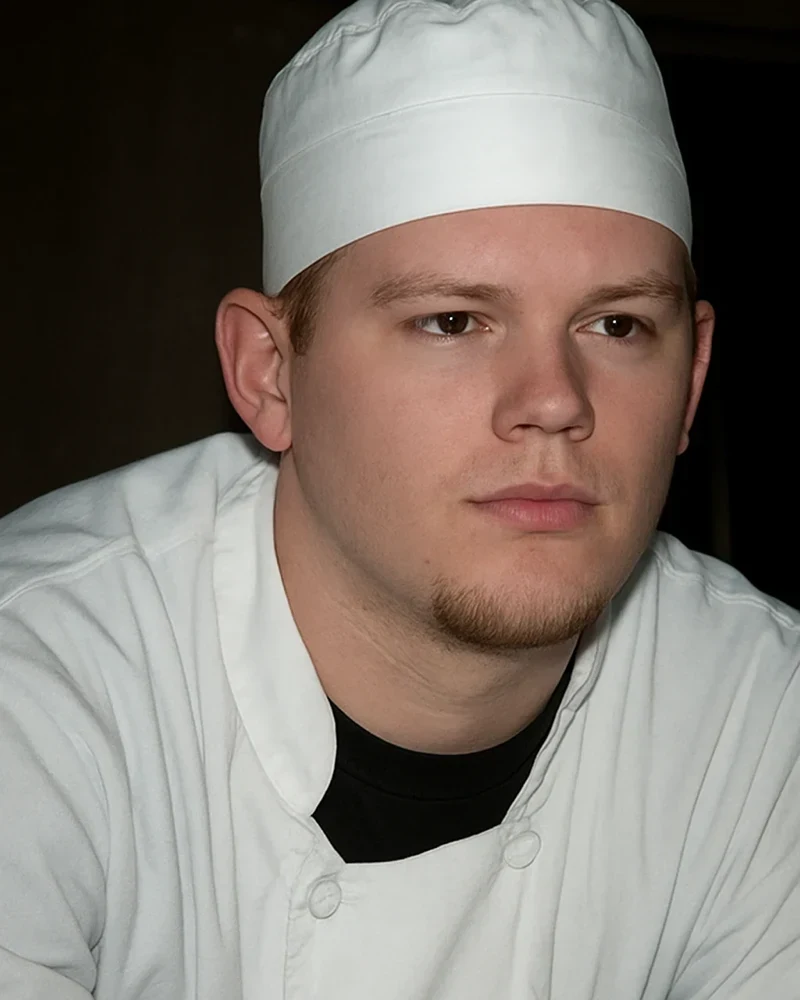
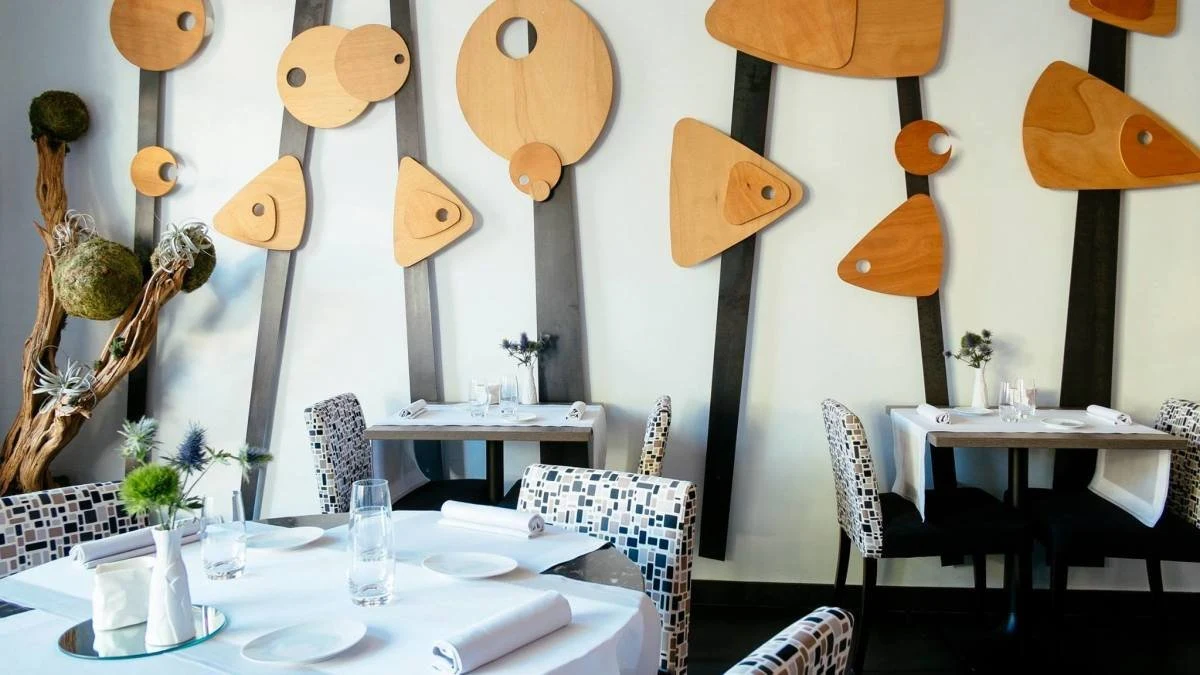
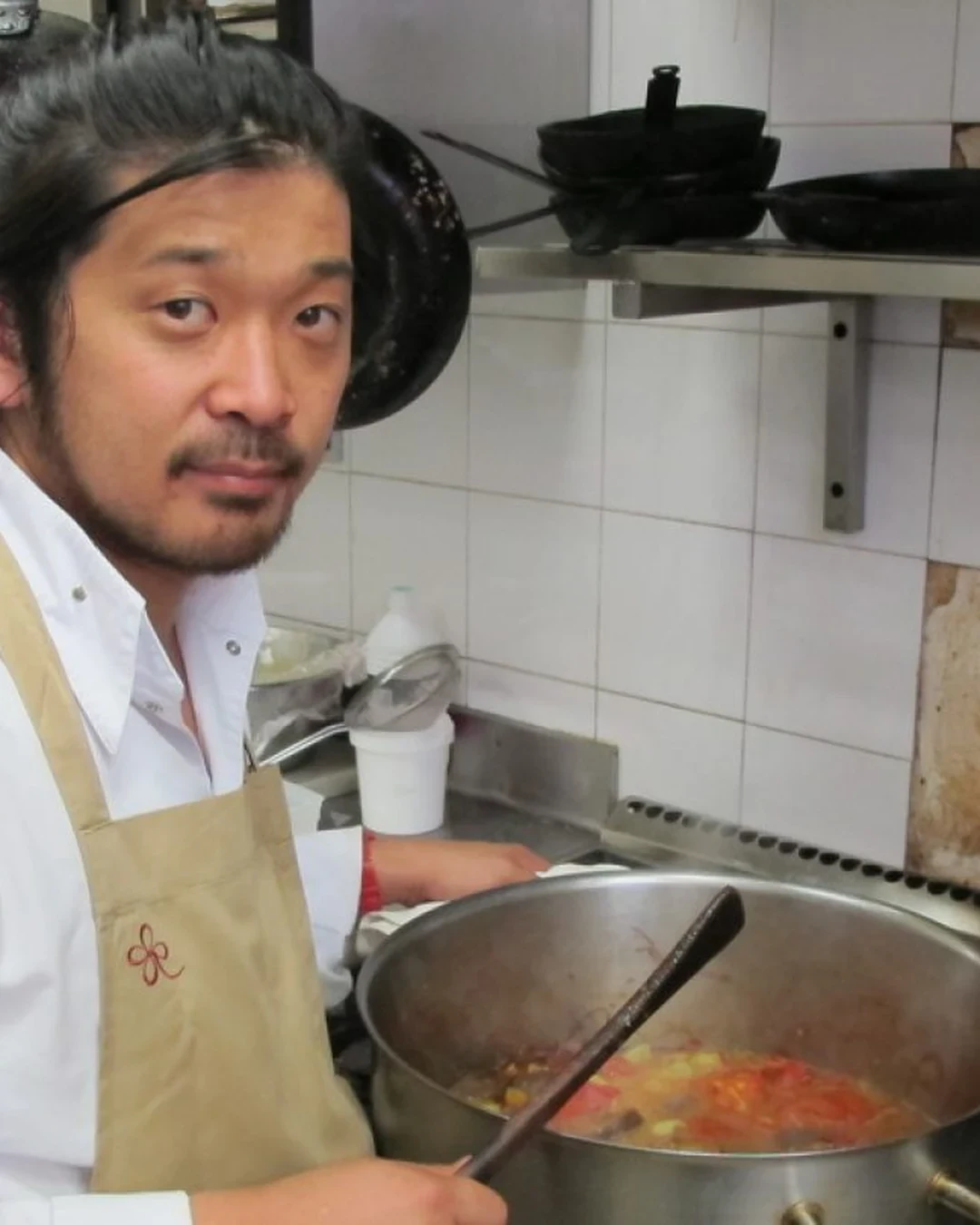
Formal cookery training establishes the working floor: knife work, sequence, heat control, and the discipline to let product set the terms. At Ecole Tsuji Tokyo, Keisuke Matsushima built that foundation before applying it to a cuisine defined by precision, restraint, and balance rather than display. The restaurant format gives those disciplines a daily site of exchange. At Restaurant Keisuke Matsushima, Keisuke works in a register where Japanese handling meets Mediterranean reference points, with French inspiration and close attention to product guiding the plate.
The Work Today
The cuisine is Mediterranean in its products and aromas, French in inspiration and values, Japanese in cooking and respect for the product, Italian in subtlety of flavors, and international in presentation and freedom of interpretation. This is not fusion as decoration; it is a working structure. Product, gesture, seasoning, and presentation can each come from a different tradition, provided the dish keeps its measure. Its specialty is Provençale, particularly Niçoise, cuisine with a few Japanese touches; another way to read it is as a Japanese interpretation of Provençal cuisine. In that frame, Provence remains a living kitchen language rather than a closed repertoire. In Keisuke Matsushima’s hands, the work stays close to delicacy, clarity, and respect while allowing another accent into the plate. Technique gives the cross-cultural reading its order. Market sourcing, precise cutting and cooking, flavor associations, color harmony, texture work and temperature combinations all shape the plates. Each decision has a practical role: cutting affects freshness, cooking fixes texture, temperature changes perception, and color organizes the plate before service. Rather than treating local cuisine as fixed, the cooking revisits it by building bridges between culinary cultures and styles. Two dishes show the range.
Career - Chef — Restaurant Keisuke Matsushima, Nice, France Education: Ecole Tsuji Tokyo
Signature
Keisuke's signature dishes include white truffles and sautéed porcini mushrooms and porcini sabayon. The construction depends on aromatic timing and restraint: porcini for depth, sabayon for richness, and white truffles for their volatile perfume. The value of the dish rests less on luxury as display than on how carefully those ingredients are handled before their fragrance closes.
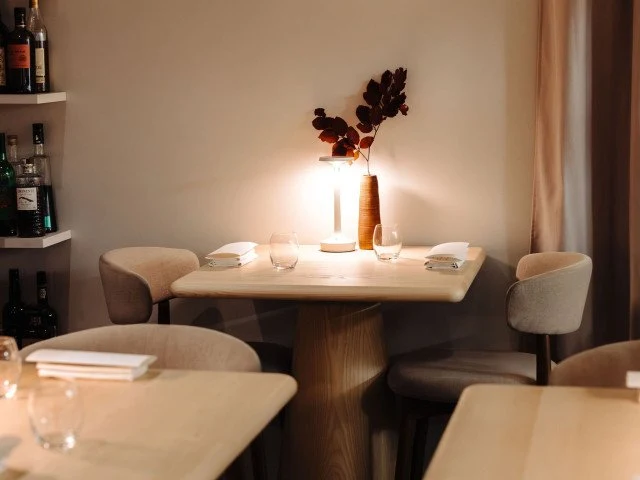
In Their Words “I want to tell the Japanese people more about what I gained from my experience living in Nice and what I was inspired by the environment over there.” The statement treats Nice as working material rather than backdrop. In Keisuke Matsushima’s cooking, what was gained there is carried through product choice, technique, and the atmosphere of a table shaped by both Japanese discipline and Provençal reference.
Acclaim
Keisuke Matsushima has received one Michelin star (2006). The recognition sits with pace and attention as much as with polish. As he puts it, "Right now, society as a whole is too busy, isn't it?" The remark frames dining as a way to slow perception: to notice product, season, place, and the intervals between them. In this register, elegance is not only visual finish; it is the discipline of asking the guest to pay attention.
FAQ What is Keisuke Matsushima's current role? Keisuke Matsushima is chef Keisuke Matsushima brings together nice's terroir, japanese sensitivity, high-level technique and influences from all over the world at Restaurant Keisuke Matsushima. Where did Keisuke Matsushima train or study? Keisuke Matsushima trained at Ecole Tsuji Tokyo. What is Keisuke Matsushima known for? Japanese interpretation of Provençal cuisine.