Other
Leslie Cofresí
World's 50 Best Bars
- Discipline
- Other

i. Biography
The Training High-end cocktail work develops under pressure: measured builds, timed service, and a room that changes as guests arrive. In Leslie Cofresí’s case, the training line was not presented as a formal credential. It was service as repetition, adjustment, and judgment: reading a crowded room, knowing when a drink needs precision and when the guest needs attention, and learning which hands can be trusted when volume rises. The craft asks for exactness, but the bar is not only a technical station. Ounces and seconds matter; so do pace, greeting, placement, and the confidence that lets a room settle into itself. Cofresí describes the early growth as shared labor rather than individual authorship: "It became an industry hub. We were calling our friends to help us out on their days off. It became a cocktail laboratory for a whole generation… It was something new. It spread through the town first, and then the rest of Puerto Rico." That is the training record: a working house where practice became communal, then moved outward. The bar functioned as a learning method—watching, repeating, improvising, correcting, and returning to service.
The Lineage Cocktail lineage can come through inheritance, but here it is described through expansion. A place gathers workers and guests; the habits formed there move into later services and other rooms. Cofresí frames the growth through space itself: "Every room became a bar." The unfinished edge of that line points to the operating logic. Hospitality was built room by room, with each space carrying its own use, pace, and mood. The house taught through circulation: cocktails, music, movement, and presence, with each floor adding another way to hold a crowd. This is lineage by service. Knowledge moved through late nights, through friends called in on their days off, and through repeated room-making. The transmission was not only how to produce high-end cocktails, but how to read when a place is ready to become active.
The Table The hospitality map also includes La Alcapurria Quemá in Santurce, Puerto Rico, where Leslie Cofresí is owner. Set beside the San Juan house, the Santurce address places the work across neighborhoods rather than inside one fixed room. Facts describe a practice carried through high-end cocktails and the social architecture around them. A founding in Old San Juan grew through a community that helped on days off, then continued through rooms and addresses attached to hospitality in Puerto Rico. The pattern is spatial. A room becomes a bar; a bar becomes a cocktail laboratory; a laboratory becomes an industry hub; a neighborhood address becomes part of a wider local map of welcome.
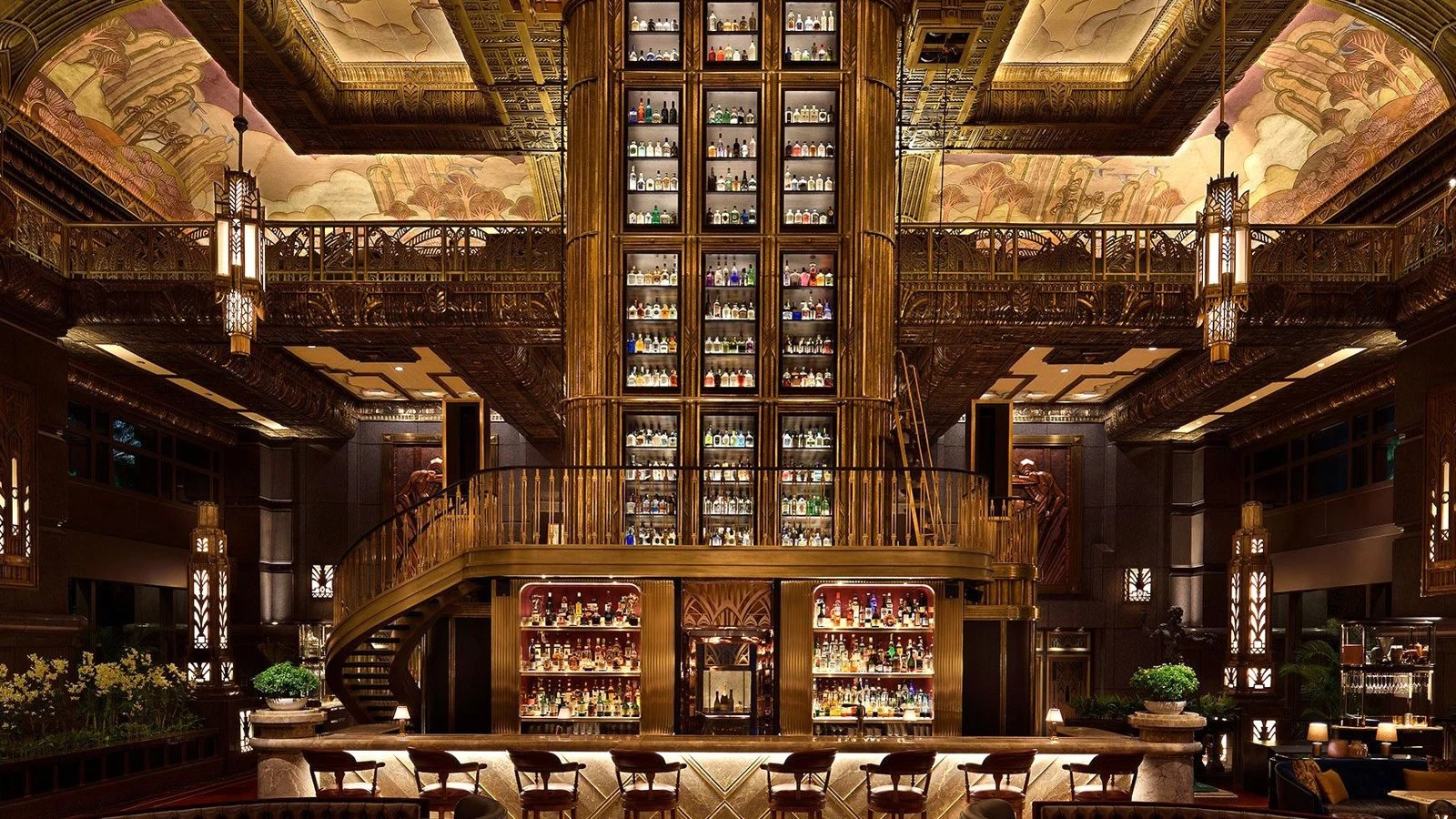
In Their Words “It became an industry hub. We were calling our friends to help us out on their days off. It became a cocktail laboratory for a whole generation… It was something new. It spread through the town first, and then the rest of Puerto Rico.” “Every room became a bar. Every space became a space for something to happen, and it turned into what it is today: six different floors, with six different ambiances and rooms.”
Profile updated July 2026
FAQ
Asked of Leslie
What is Leslie Cofresí known for?
High-end cocktails.