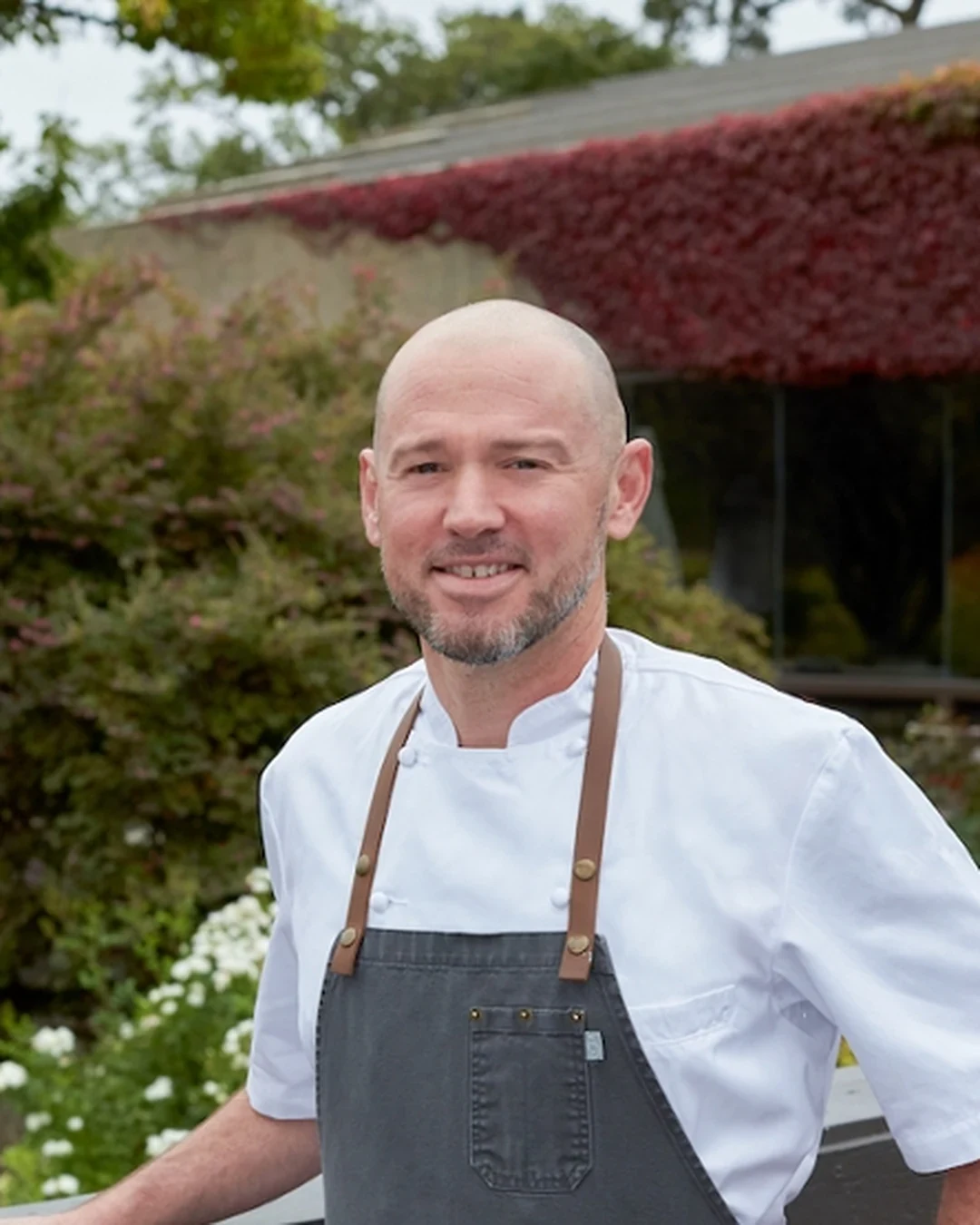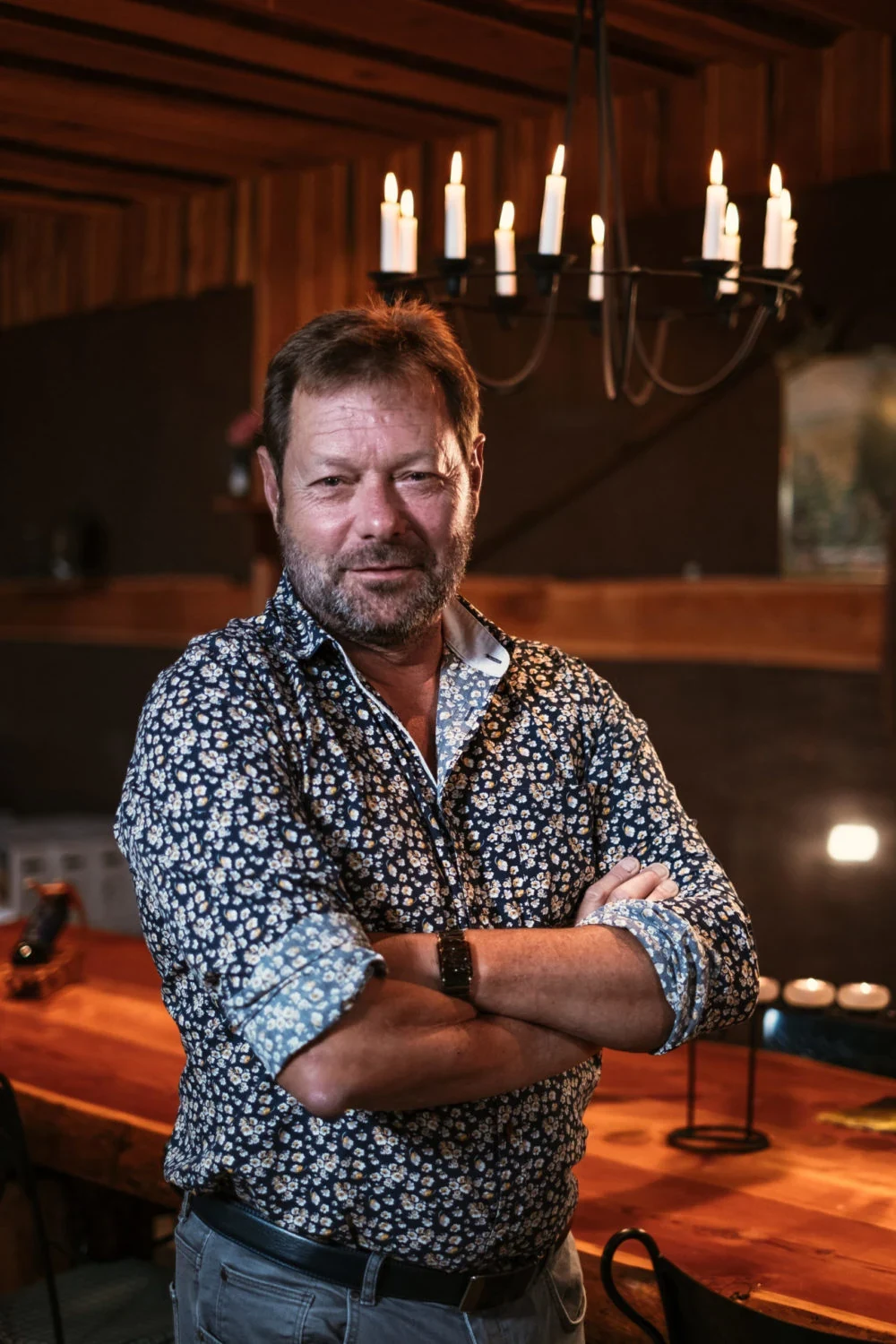
i. Biography
Career Louis-Bernard Emery works from Cave Emery in Ayent, in a practice shaped less by distance from the source than by proximity to it: family, stone, and the cellar itself. In 1996, after his parents began building the tasting cave at Saint-Léonard, he joined them and helped create the underground grottoes, bringing inherited methods into a space that was also being updated with modern technology. The work is defined by continuity, but it is also defined by the discipline of making a place where wine can be aged, poured, and read with care.
The Training The training here is physical before it is formal. In 1996, Emery founded Cave Emery in Ayent, and the same year marks his entry into the work his parents had already begun at Saint-Léonard. Underground construction, drafty corridors, stone, and the building of grottoes gave that training its shape. The emphasis was not only on producing wine, but on building the conditions in which wine is received and understood. Helping create the underground grottoes meant learning the cellar as an entire system, not just a production site. The work extends from aging to service to explanation, and it keeps family memory close to local knowledge. Emery puts that scale plainly: “This wine that I am aging is much more than just a nectar meant to flatter a gourmand’s palate... It is an emotion, a little of myself, a year of my life as a winemaker.” The line treats the vintage as work measured in time, not as an abstraction.
The Lineage The line from ancestor to present runs through method, then through equipment, rather than being broken by either. Emery’s practice keeps the older hand visible while folding in decisions shaped by contemporary cellar work, so that tradition stays active through use. He frames that inheritance directly: “Our love for the land, the winemaking methods inherited from our ancestors and refined with cutting-edge technology are reflected in the quality of our wines.” The sequence is clear—land, ancestors, technology, wine—and it leaves no part of the process detached from its source.
The Table A bottle is where that continuity becomes legible outside the cellar. A Forbes article cited Emery’s Diolinoir Réserve as a wine he poured in his cellar while discussing Swiss wine exportation, placing the cuvée in a conversation about Valais and the wider movement of Swiss wine beyond its home market. The setting matters: the pour happens in the same rooms his family began building in 1996. In that context, the work reads as both production and presentation. Diolinoir Réserve becomes the named point where craft, place, and export meet without leaving the cellar behind.
Signature
Louis-Bernard's signature wines include Diolinoir Réserve, L'AMBROISIE, L'Alize, Primoris, and L'Empyree.
In Their Words “This wine that I am aging is much more than just a nectar meant to flatter a gourmand’s palate... It is an emotion, a little of myself, a year of my life as a winemaker.” “Our love for the land, the winemaking methods inherited from our ancestors and refined with cutting-edge technology are reflected in the quality of our wines.”
FAQ What is Louis-Bernard Emery known for? Produces wines that combine tradition and environmental sustainability.