James Beard Award winner
Marcella Hazan
- Discipline
- James Beard Award winner
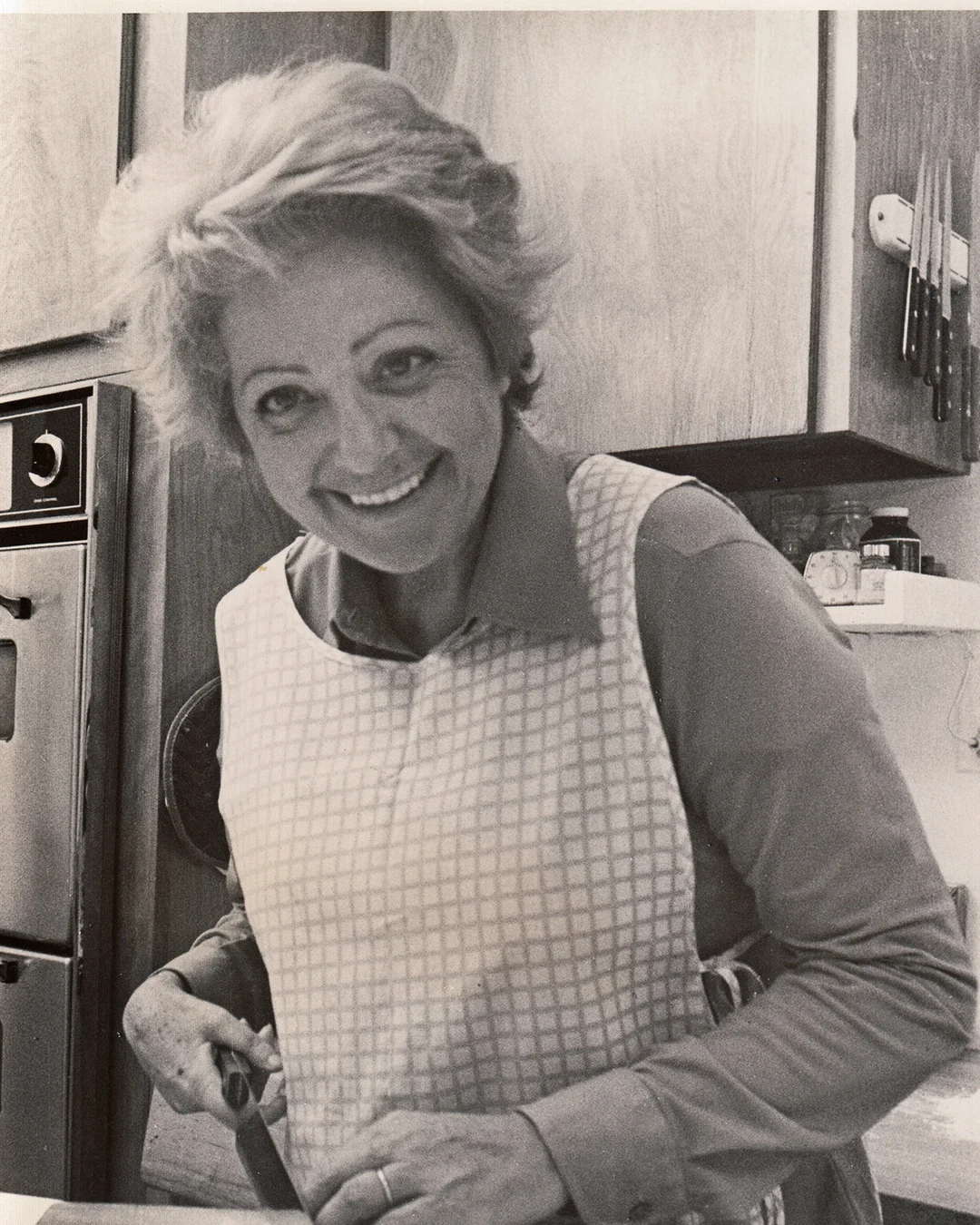
i. Biography
Italian Cooking in the United States gained one of its clearest teaching lines through Marcella Hazan, born on April 15, 1924, in Cesenatico, Italy. The formation was not a restaurant apprenticeship. It passed through university study, science teaching, research, marriage, and a move to America in the 1950s before becoming a public practice. What carried across was Traditional Italian Cooking explained with discipline: ingredients handled plainly, technique made legible, and taste treated as something that can be trained.
Coming Up
Academic training at University of Ferrara and University of Padua gave Marcella Hazan a habit of explanation that later suited recipe work: observe, test, correct, repeat. Before cooking became her trade, she worked as a science teacher and then as a researcher studying gum disease at Guggenheim Institute in New York City. It dealt in cause and effect, heat and time, taste and adjustment. Apartment teaching in New York City became a serious channel for Classic Italian Cooking from 1969, when Hazan began teaching in her New York City apartment and became founder and teacher at School of Classic Italian Cooking (1969–1998). The setting was domestic, but the standard was not casual. Students were asked to learn judgment as much as recipes: when a sauce has reduced enough, when restraint is more useful than addition, when balance has been reached. Cookbook authorship from 1973–2013 moved that instruction from the stove to the page. In Hazan’s books, the working value was directness: recipes that assumed attention from the reader, instructions shaped to remove guesswork, and a voice that treated home cooking as a disciplined craft. From 1992, contributions to The New York Times and Food & Wine extended the same method into American food media without changing the register of the work. Cooking courses at French Culinary Institute gave another formal setting to the same body of practice. The through-line was Classic Italian Cooking taught through technique, restraint, and taste rather than display. The work held because it gave cooks usable standards, not impressions.
Where They Are Now
The roles are past-tense: cooking teacher, cookbook author, and magazine contributor. The continuing value of Hazan’s work is instructional. It gave American cooks a way to approach Traditional Italian Cooking as a practice built from proportion, sequence, and confidence, rather than as restaurant imitation or sentiment. The teaching moved through repeatable forms: classroom, book, newspaper, magazine, course. Across those forms, authority came from demonstration. A sauce could be made spare without becoming thin. A method could clarify an ingredient instead of covering it.
Career - Science teacher - Researcher studying gum disease — Guggenheim Institute, New York City - Cooking teacher — New York City apartment (from 1969) - Founder and teacher — School of Classic Italian Cooking (1969–1998) - Cookbook author (1973–2013) - Recipe contributor — The New York Times - Contributor — Food & Wine (from 1992) - Cooking-course instructor — French Culinary Institute Education: University of Ferrara; University of Padua
Signature
The signature dishes associated with Marcella Hazan—Tomato Sauce with Onion and Butter, Roast Chicken with Lemons, Rice & Smothered Cabbage Soup, and Braised Celery with Onion, Pancetta, and Tomatoes—show a consistent working method. Ingredients are few, but not treated casually. Flavor is built through handling, proportion, and restraint. Tomato Sauce with Onion and Butter reduces the question to tomato, fat, onion, and time. Roast Chicken with Lemons relies on the confidence of a limited frame. Rice & Smothered Cabbage Soup and Braised Celery with Onion, Pancetta, and Tomatoes give vegetables the full weight of a main technique rather than a supporting role.
In Their Words “This is the simplest of all sauces to make, and none has a purer, more irresistibly tomato taste. I have known people


