i. Biography
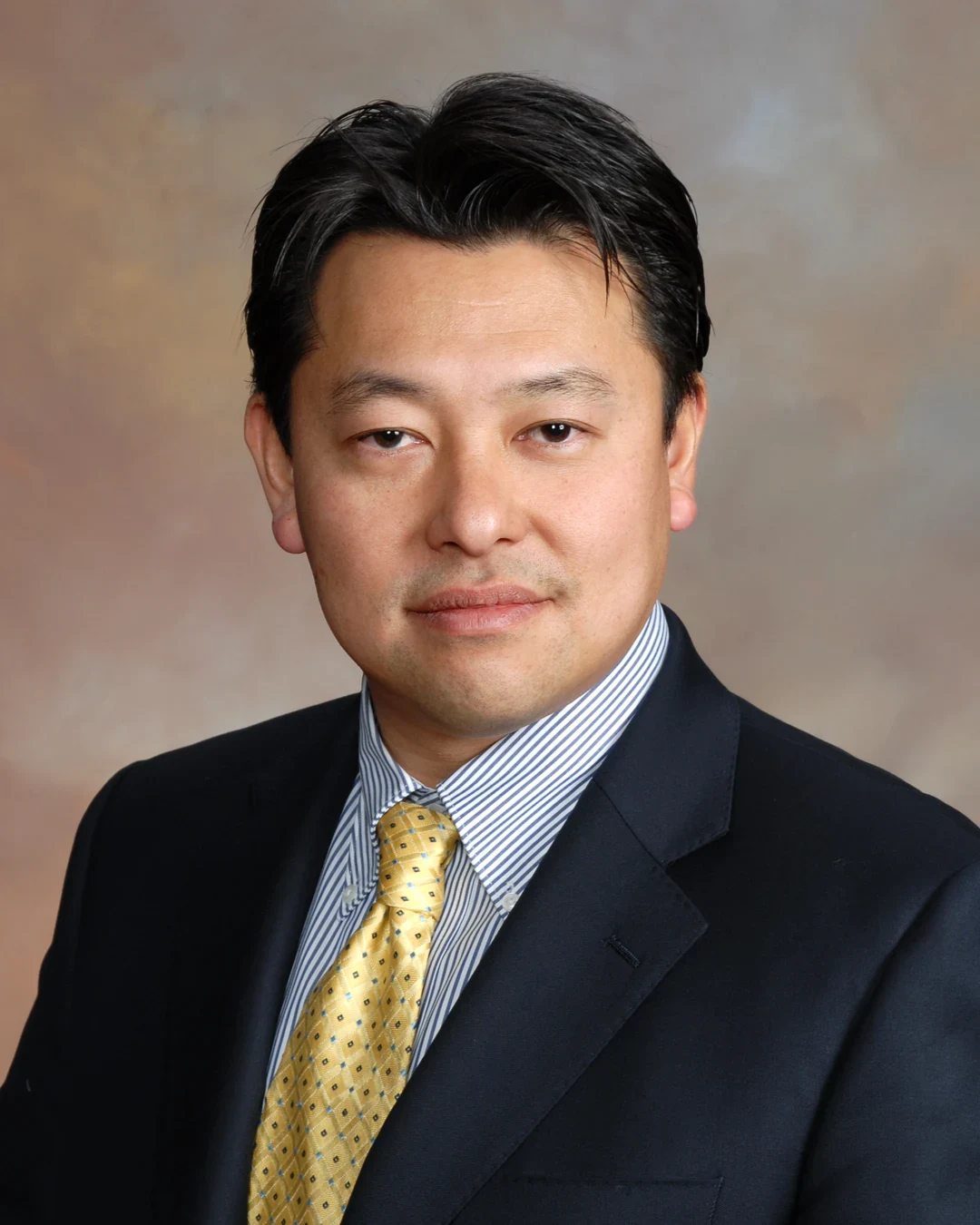
Edomae technique changes when worked through Hokkaido product. At Sushi Tanabe in Sapporo, Japan, Masashi Watanabe has built the counter around that meeting point since 2008: Tokyo-derived method, Ezo-mae seasonality, and seafood handled according to condition rather than habit. The work is defined by control rather than display. Freshness is used when it serves the ingredient; heat is applied when it improves taste; aging or curing is used when time brings umami into clearer focus. The style stays close to the fish, the season, and the sequence of the meal.
Career Arc
Counter training in an omakase-style family restaurant in Niigata, Japan, gave Masashi Watanabe early contact with piece-by-piece service. That kind of training is as much about pace as technique: how one serving sets up the next, how restraint functions across a meal, and how the guest reads changes in temperature, seasoning and cut from the counter. Tokyo kitchens sharpened that foundation through restaurant discipline. As chef at Kaneko-ya in Tokyo, Japan, and then at Tokyo Kaikan in Tokyo, Japan, Watanabe worked inside a register where small decisions carry weight: timing, seasoning, temperature and knife work all determine whether a preparation stays clean or becomes heavy. Tempura brought a related but separate discipline. As Head Chef at Ippoh Tempura Bar by Ginza Ippoh from 2023, Watanabe worked with heat, delicacy and texture under counter-service pressure. Since 2025, his work has also extended to Tempura-Ensei, alongside his role as Executive Chef of Sushi Tanabe.
At Work Now
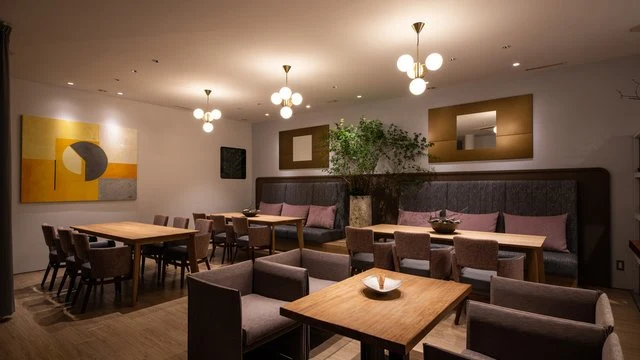
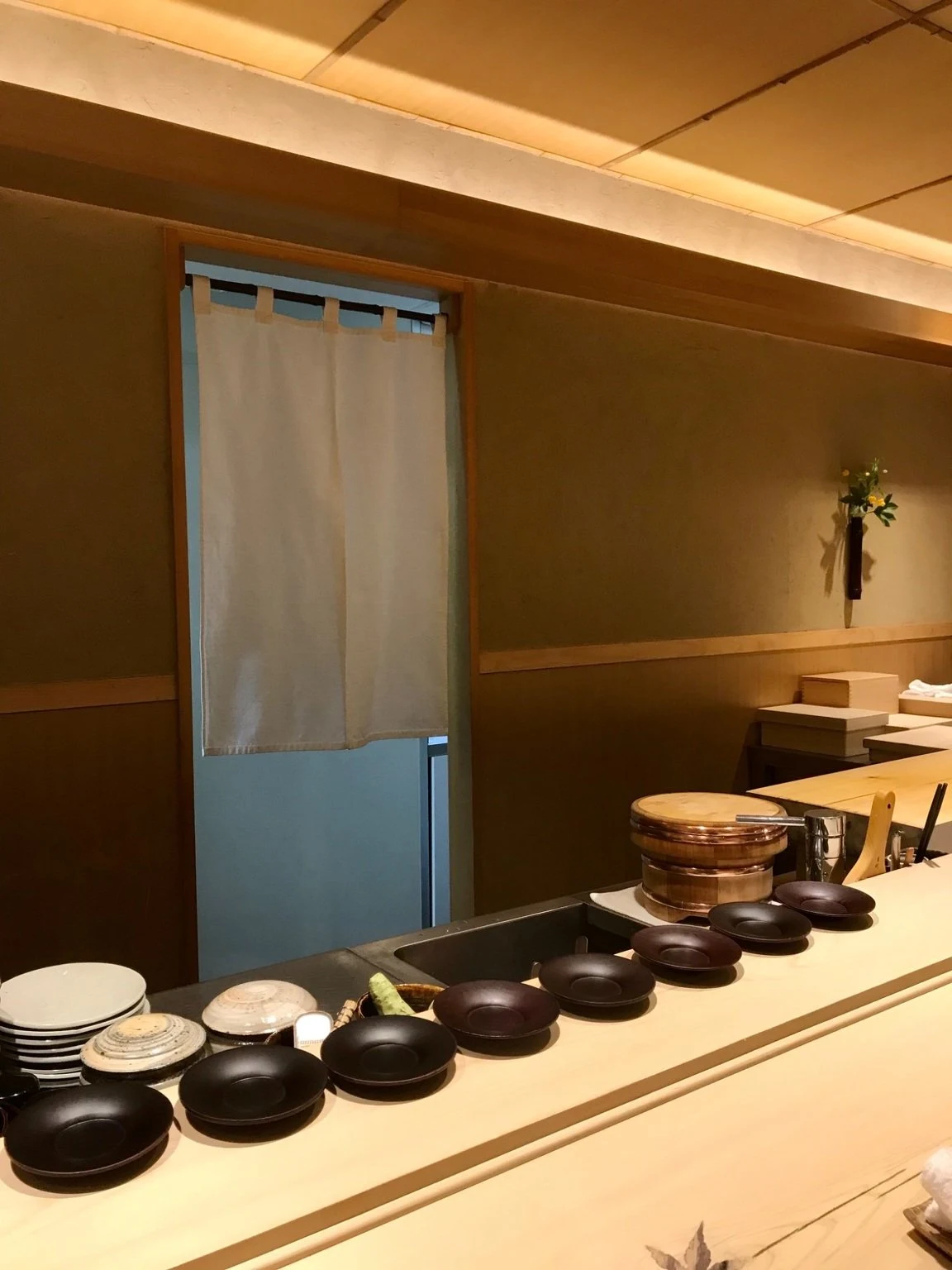
Sushi Tanabe in Sapporo, Japan, has been Watanabe’s chef-owner counter since 2008. Its format combines Edomae sushi with Ezomae sushi, using premium natural seafood mainly from Hokkaido and elsewhere in Japan. The fish is managed for best condition, whether that means serving it fresh or cooking it to improve taste. Modern Japanese omakase at the restaurant is built on Edomae technique applied to Hokkaido seafood. Aging, curing and subtle heat are used to lift umami without obscuring the ingredient. The sequence depends on condition, not ornament: each piece is judged for balance, clarity and placement in the meal. The specialty remains Both Edomae-style and Ezo-mae-style sushi showcasing seasonal Hokkaido ingredients. Edomae contributes method, preservation and finish; Ezo-mae anchors the work in the waters and seasons around Hokkaido. At Sushi Tanabe, the two traditions operate together rather than as separate references. The deluxe omakase course is selected by Watanabe and begins with an appetizer, followed by five kinds of sashimi, a grilled dish, 12 pieces of sushi, miso soup and dessert. Dishes associated with the restaurant include snow crab chawanmushi, grilled kinki fish and the seasonal sashimi plate, placing warmth, texture and raw seafood condition before the sushi sequence completes the meal.
Career - Executive Chef — Sushi Tanabe, Sapporo, Japan - Culinary trainee / cook — family omakase-style restaurant, Niigata, Japan - Chef — Kaneko-ya, Tokyo, Japan - Chef — Tokyo Kaikan, Tokyo, Japan - Head Chef — Ippoh Tempura Bar by Ginza Ippoh (from 2023)
Signature
Signature dishes include Deluxe omakase course at Sushi Tanabe.
Recognition
Masashi Watanabe has received Michelin Guide Hokkaido — Three Stars for Sushi Tanabe (2012). Three Michelin stars for Sushi Tanabe recognize a counter defined by precision, seasonality and the meeting of Edomae technique with Ezo-mae sensibility. The value of the recognition sits in the consistency of that craft: Hokkaido seafood, controlled preparation, and a meal structure that keeps the ingredient in clear focus.
FAQ Where did Masashi Watanabe work before? Earlier in their career, Masashi Watanabe worked at family omakase-style restaurant, Kaneko-ya, and Tokyo Kaikan. What recognition has Masashi Watanabe received? Three Michelin stars for Sushi Tanabe.