i. Biography
Massimo Marasso is listed as the oenologist for Lo Zoccolaio Langhe Baccanera 2021 at Lo Zoccolaio in Barolo, Italy; from that Barolo credit, the route extends through Cortese in Gavi, Barbera d’Asti at Fratelli Martini, and the Consorzio Asti DOCG. His work is best read through specific bottles and specific responsibilities: the blended Langhe DOC, the Nebbiolo Barolo, the technical direction, the cellar decisions, the agricultural choices that begin long before fermentation.
Beginnings
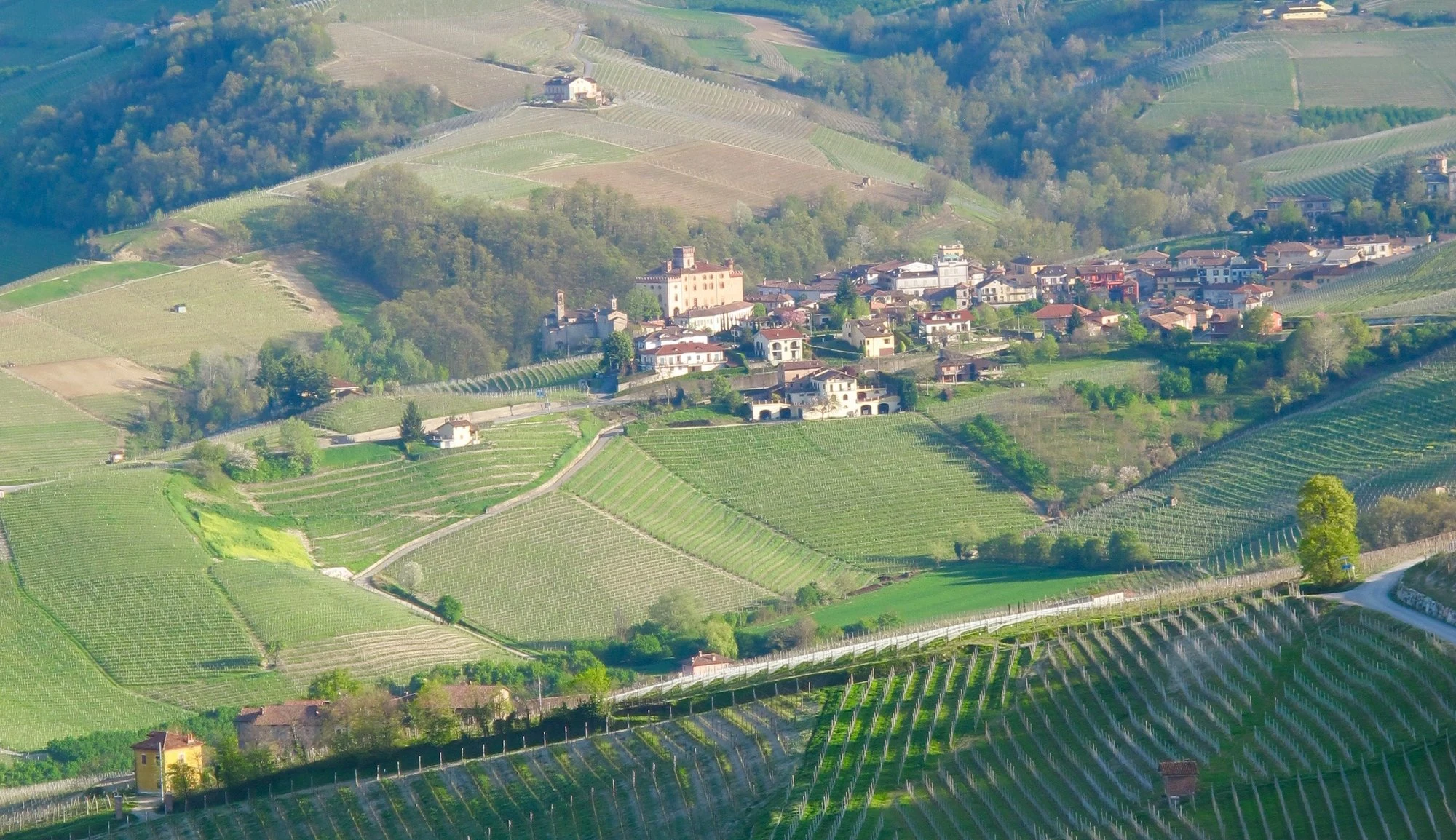
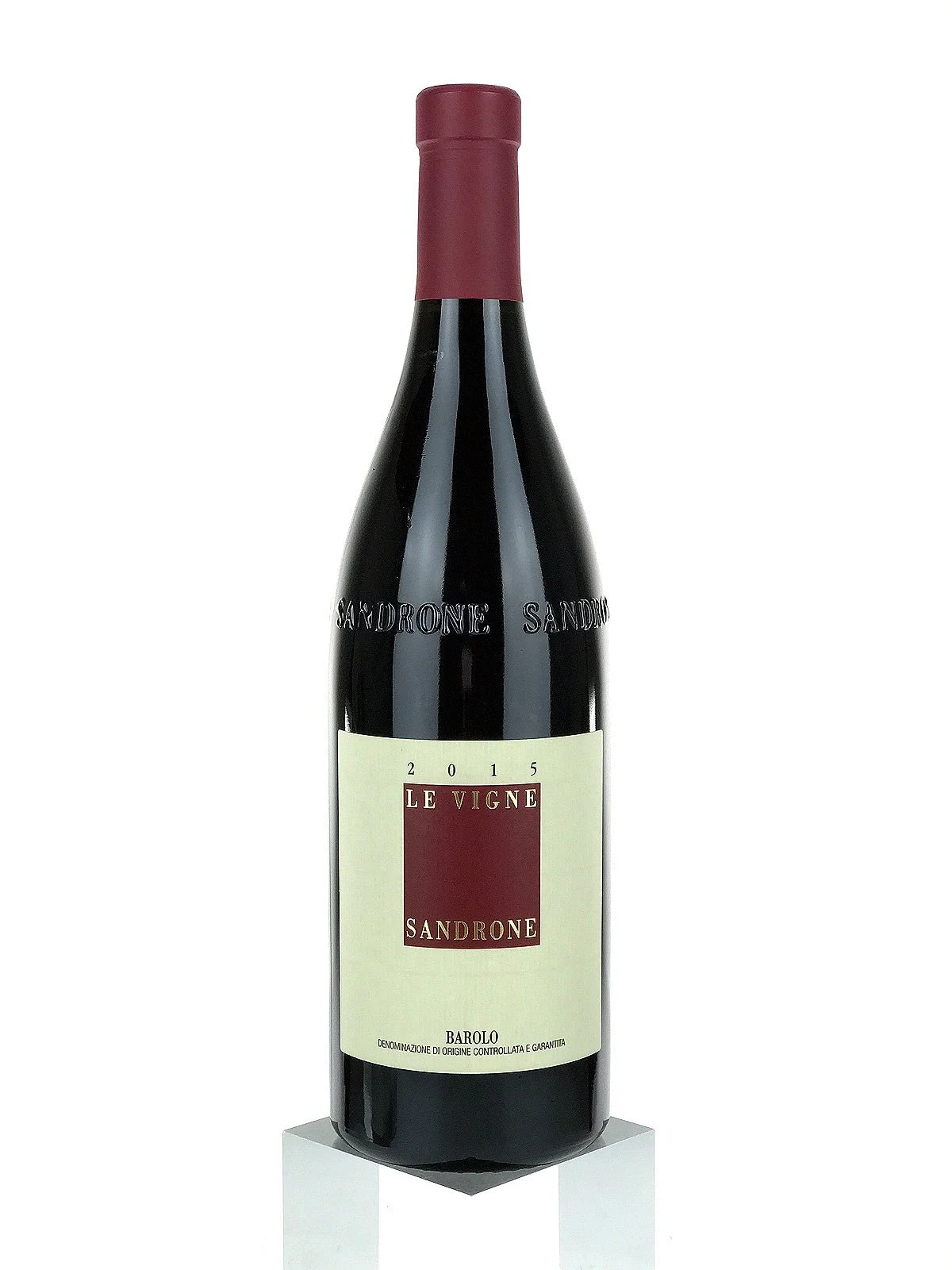
One dated signpost is Lo Zoccolaio DOCG Barolo Ravera 2015, a Nebbiolo Barolo from Cascina Lo Zoccolaio. WineNews lists Marasso as the oenologist for that wine, with 4,500 bottles produced, placing his name on a limited Barolo bottling tied to one of Piedmont’s most exacting grapes. The estate’s own frame is narrow and demanding: it produces only red wines from its own vineyards in Barolo, Monforte, Novello and Verduno. That matters for the work of an oenologist because the range is defined not by a broad buying program but by estate fruit and a set of communes with distinct vineyard identities. The agricultural method is equally precise. Grapes are treated with love and respect from vineyard to cellar; wines are produced without herbicides, legumes are planted as natural fertilizers, harvest is by hand, and only the best grapes are selected. In a place where the bottle begins with site and selection, those choices form the first chapter of the cellar.
The Rise
Another clear marker is Lo Zoccolaio Baccanera 2017, a Langhe DOC blend built from 50% Barbera, 30% Merlot, 18% Nebbiolo and 2% Cabernet Sauvignon. The wine was sourced from the estate’s vineyards in the Barolo and Monforte d’Alba areas, giving the blend both local red-fruit structure and a precise origin. The Baccanera 2021 credit continues that thread. Listed as oenologist for the Langhe bottling, Marasso is tied to a wine that sits between varietal tradition and blending discipline, with Barbera, Nebbiolo and international grapes appearing in the earlier 2017 composition. His work also includes Fratelli Martini, where he serves as technical director and winemaker. Within that company, he oversaw production of a Barbera d’Asti, a role that connects him to one of Piedmont’s defining red-wine appellations beyond the Langhe.
Today
At La Toledana in Gavi, Italy, Marasso works as winemaker. The stated approach there is centered on Cortese grapes: pursue the highest possible quality, limit vine vigor, use only the highest-quality fruit, and apply minimal intervention in the cellar. That Gavi role widens the map from red wines in the Langhe to Cortese in southeastern Piedmont. It also shows a consistent technical line: restraint in the cellar, selection in the vineyard, and a focus on fruit quality before winemaking technique takes over. Alongside those winery responsibilities, Marasso is vice-president of the Consorzio Asti DOCG. The post places him within the institutional life of another major Piedmont denomination, connecting his cellar work to the broader governance of Asti DOCG. Taken together, the arc is not a single-estate story. It runs through Barolo, Gavi, Barbera d’Asti and Asti DOCG, with Marasso moving among oenology, winemaking, technical direction and consortium leadership while remaining tied to the practical questions that decide a wine: which fruit, from which vineyard, handled how, and for what bottle.
FAQ Where else has Massimo Marasso worked? He works as winemaker at La Toledana in Gavi, Italy, and as technical director and winemaker at Fratelli Martini. Where did Massimo Marasso begin their career? His earliest dated named credit is as oenologist for Cascina Lo Zoccolaio DOCG Barolo Ravera 2015 in Barolo. What roles has Massimo Marasso held? He has been listed as oenologist for Lo Zoccolaio Langhe Baccanera 2021, winemaker at La Toledana, technical director and winemaker at Fratelli Martini, producer overseer for a Fratelli Martini Barbera d’Asti, and vice-