Winemaker
Mathieu Ferré
- Discipline
- Winemaker
- Based in
- Castellina in Chianti, Italy
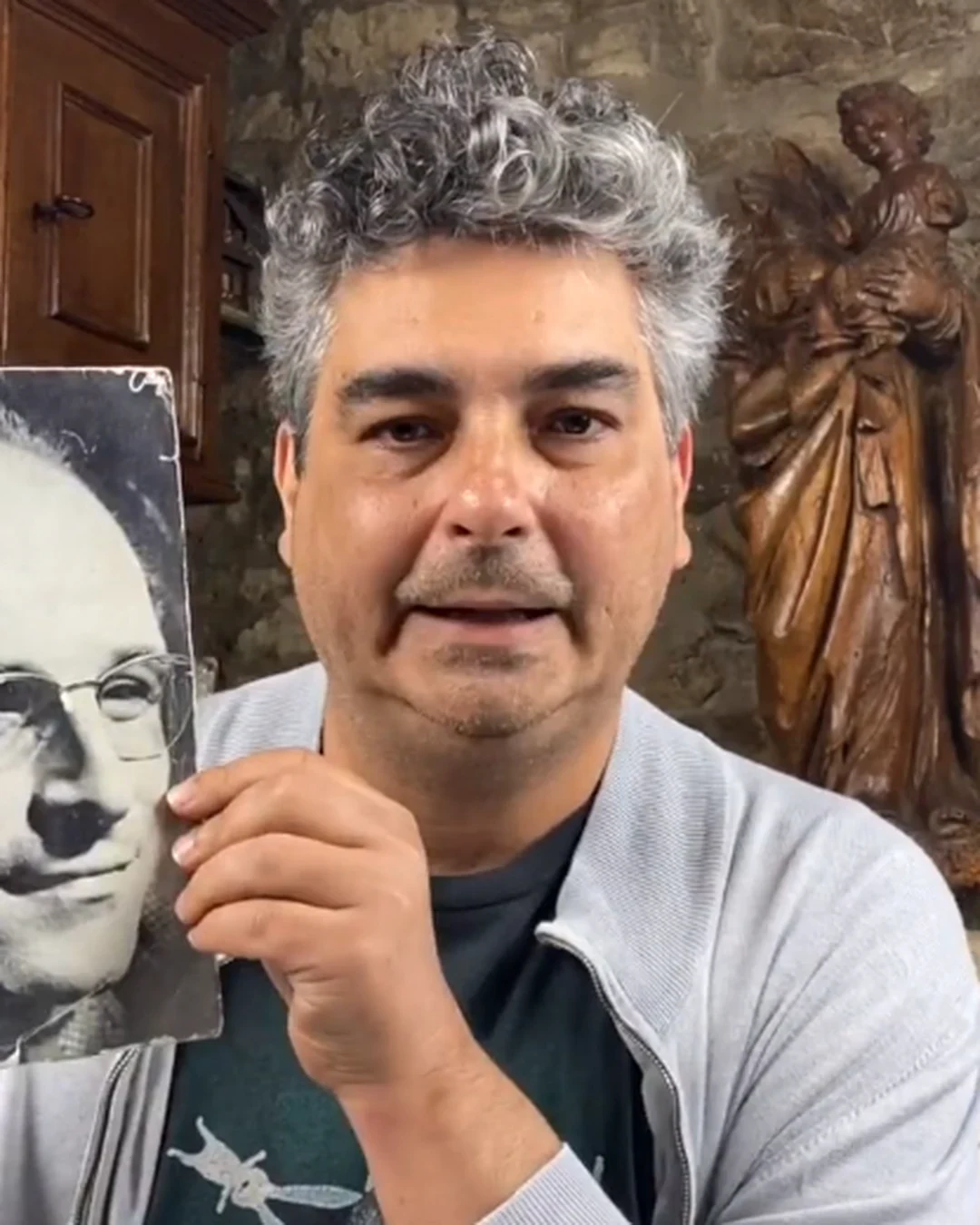
i. Biography
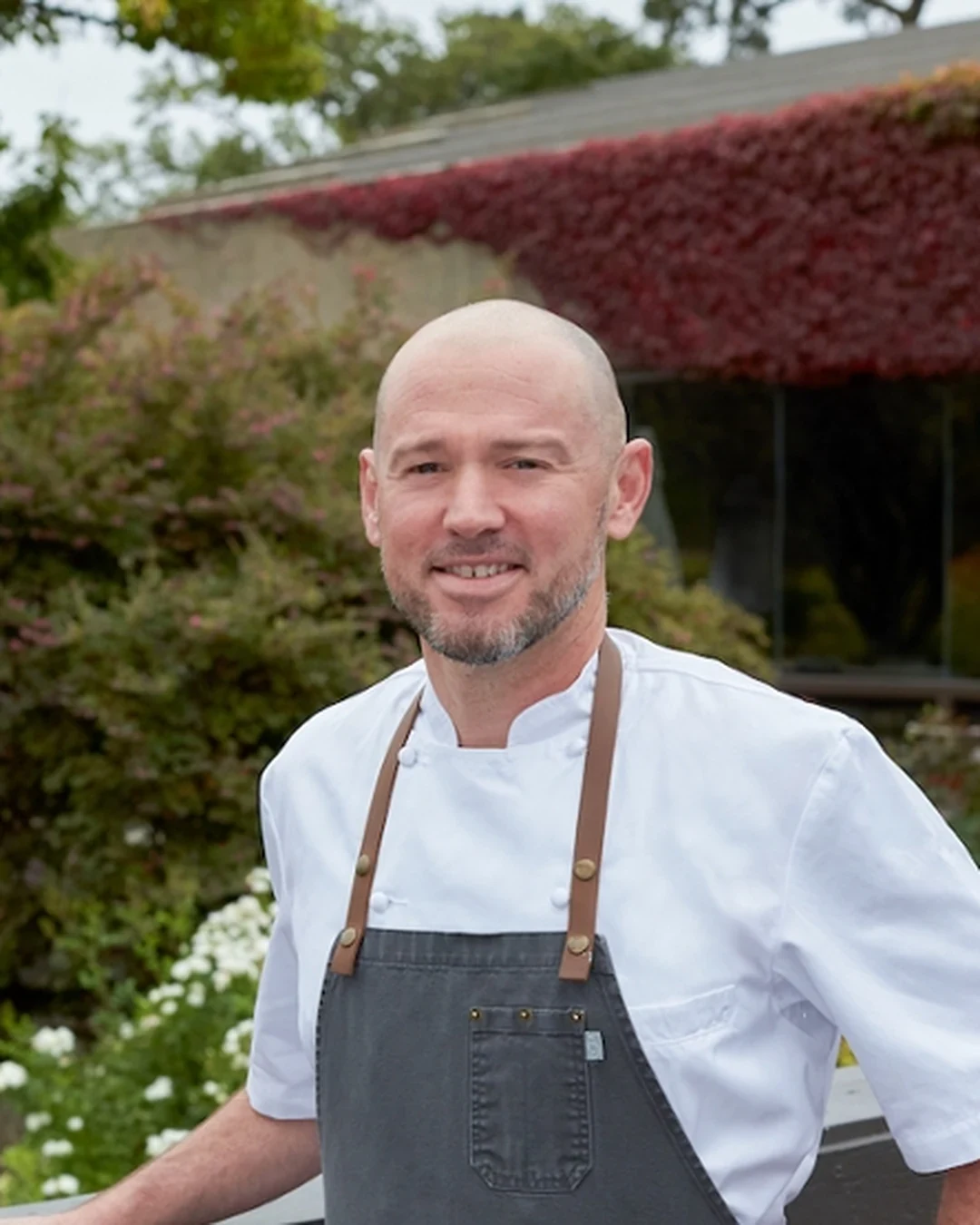
"I use only grapes and as few sulfites as possible." In that sentence, Mathieu Ferré gives a close reading of his work at Azienda Agricola San Donatino in Castellina in Chianti, Italy: a grower and maker’s life shaped by restraint, land, and the refusal to force what grapes can say on their own.
The Idea
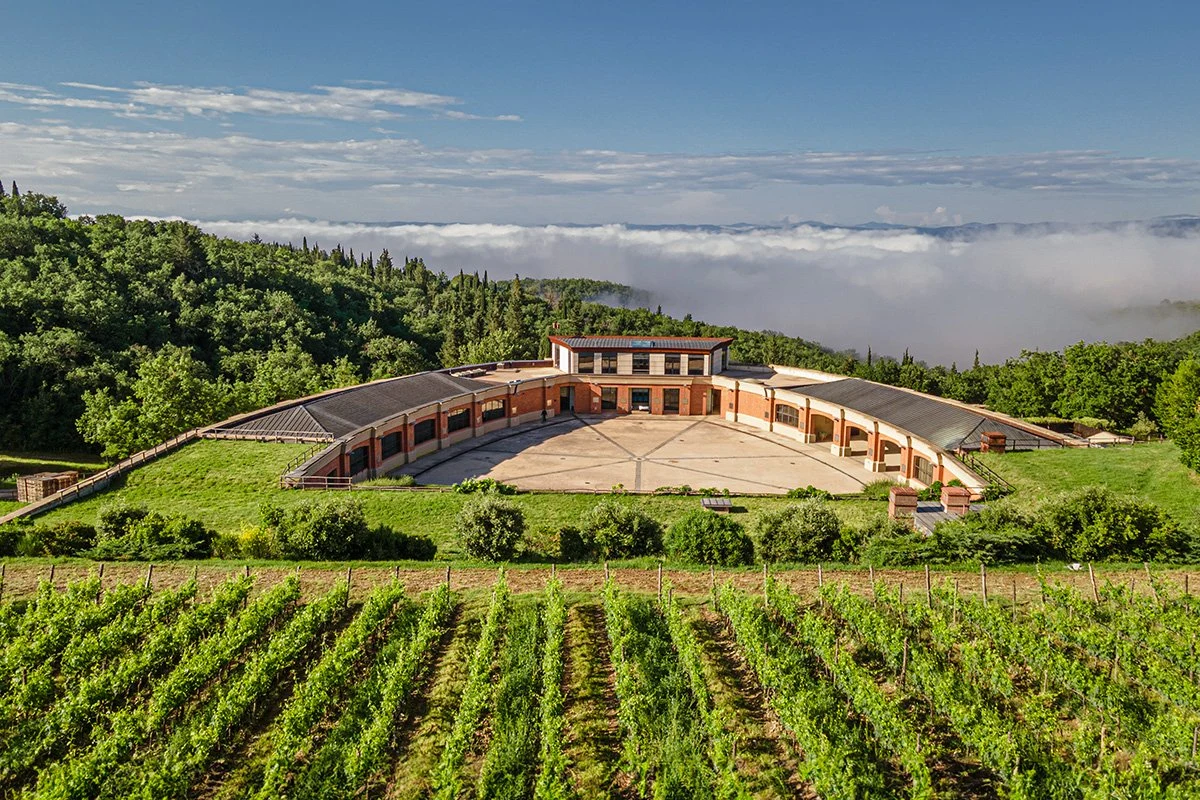
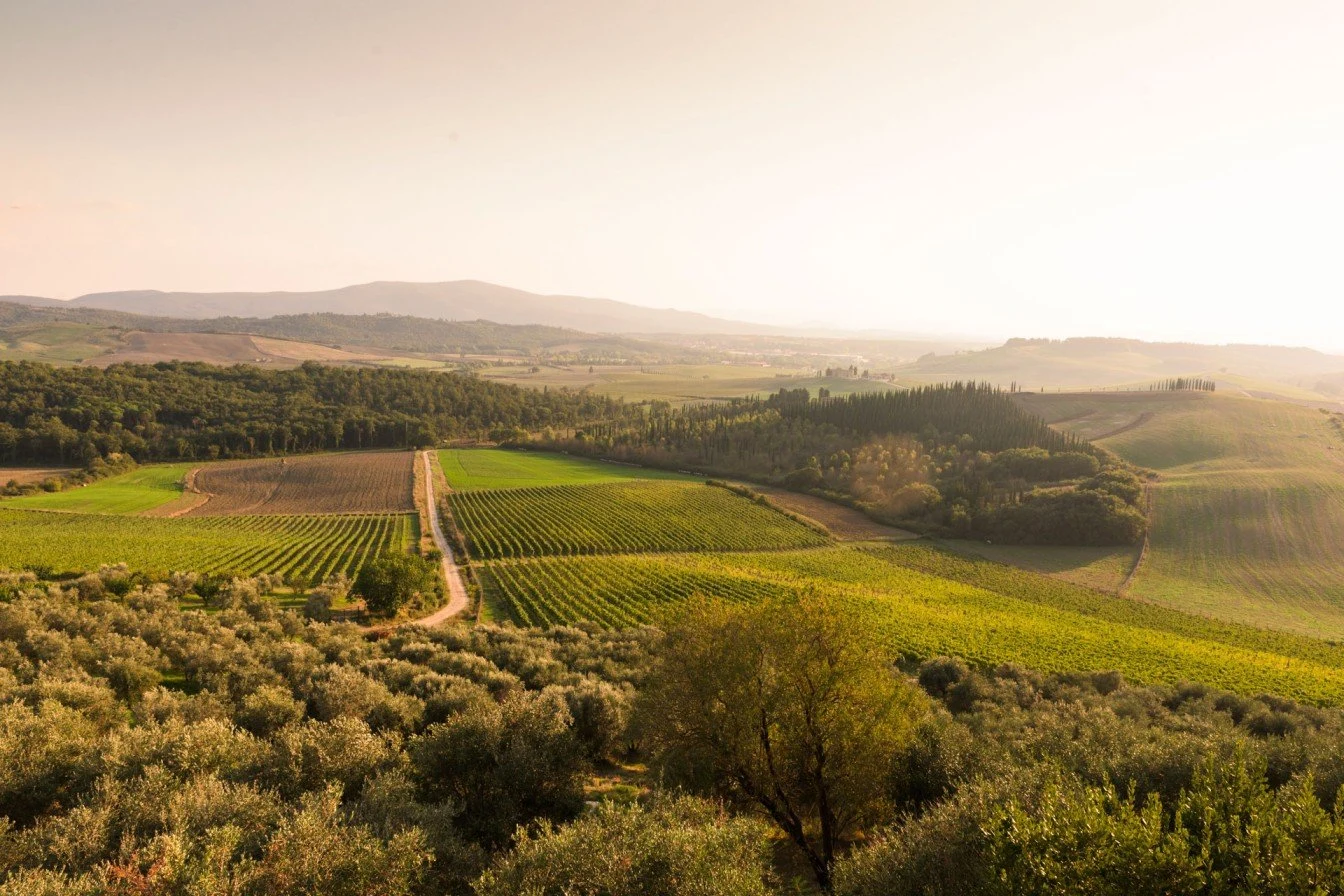
Since 1993, Ferré has held the reins of the San Donatino estate in Castellina in Chianti. His role is both grower and maker in Tuscany, and his work includes wine and olive oil produced at Azienda Agricola San Donatino. The place is described as a family-run natural company that works only its own land and grapes. Its scale is precise: 16 hectares of vineyards across three climats, set between 250 and 420 meters above sea level. "We work 16 hectares biodynamically." The sentence is plain, almost agricultural in its lack of ornament, and it sits beside another of his clarifications: "At least we are certified organic." The estate has organic farming certification by ICEA. The grapes listed for this work are Sangiovese, Petit Manseng, Cabernet Sauvignon, Pinot Grigio, Trebbiano Toscano, Malvasia Toscana, and Trebbiano. Together they mark a cellar and vineyard practice rooted in the Chianti Classico hills while allowing different varieties to carry their own charge.
The Execution
In the vineyard, the method is exacting without being heavy-handed: minimum soil tillage, grassing and green manure, manual management, and harvesting according to Maria Thun's calendar. The estate uses no synthetic-origin products and does not force natural cycles. In the cellar, the choices narrow even further. Indigenous yeasts guide fermentation; there is no temperature control, no additives, and low or zero sulfites. Ferré’s own wording keeps returning to subtraction rather than display: "It would get complicated for me, and I cannot lie." The broader approach privileges nature-respecting agriculture, manual harvests, minimal soil work, indigenous yeasts, and very little or no sulfites so the natural character of the grapes can express itself fully. The Tuscan wines are described as full of personality, energy, and balance. The named bottles give the philosophy form. Fumino is a 2022 Cabernet Sauvignon red wine from Tuscany, classified as IGT Rosso Toscana and marked as natural wine. Irrequieto -2022 is a sparkling wine made from Trebbiano and also marked as natural wine. Halley is a Sangiovese red wine from Tuscany classified as Vino Rosso and marked as natural wine. Dissidente is a Sangiovese red wine classified as IGT Rosso Toscana and marked as natural wine; its listed vintages include 2022, 2017, 2020, 2016, and 2019. Barbagianni carries Sangiovese into rosé, classified as IGT Rosato Toscana and marked as natural wine, with listed vintages including 2022, 2018, and 2021. Chianti Classico Poggio ai Mori comes from the place where Léo Ferré liked to go and dream.
On the Record
Ferré’s language favors limits, and those limits become the method. "I use only grapes and as few sulfites as possible" is not a slogan added after the fact; it matches the vineyard work, the cellar choices, and the refusal to add, correct, or rush. The same clarity runs through his answer about certification and truthfulness. "At least we are certified organic." Then, when the explanation reaches its boundary, he leaves it there: "It would get complicated for me, and I cannot lie."
FAQ How does Mathieu Ferré describe their work? He says, "We work 16 hectares biodynamically" and "I use only grapes and as few sulfites as possible." What is Mathieu Ferré known for? He is known as the grower and maker behind natural wines and olive oil from his 16 hectares in Tuscany, including Fumino, Irrequieto -2022, Halley, Dissidente, Barbagianni, and Chianti Classico Poggio ai Mori. Where does Mathieu Ferré work? He works at Azienda Agricola San Donatino in Castellina in Chianti, Italy.
Explore
Similar Winemakers