i. Biography
Owner of Château Le Moulin in Pomerol, France, since 1969, Michel Querre is bound to one of Bordeaux’s most exacting appellations through the slow, disciplined work of a small Right Bank estate. His story is not one of broad empire or loud reinvention, but of patient reconstruction: a property bought with Geneviève Querre, rebuilt over decades, and shaped into a house devoted to traditionally made Pomerol with ripe-fruited depth.
Signature
Michel's signature wines include Château Le Moulin.
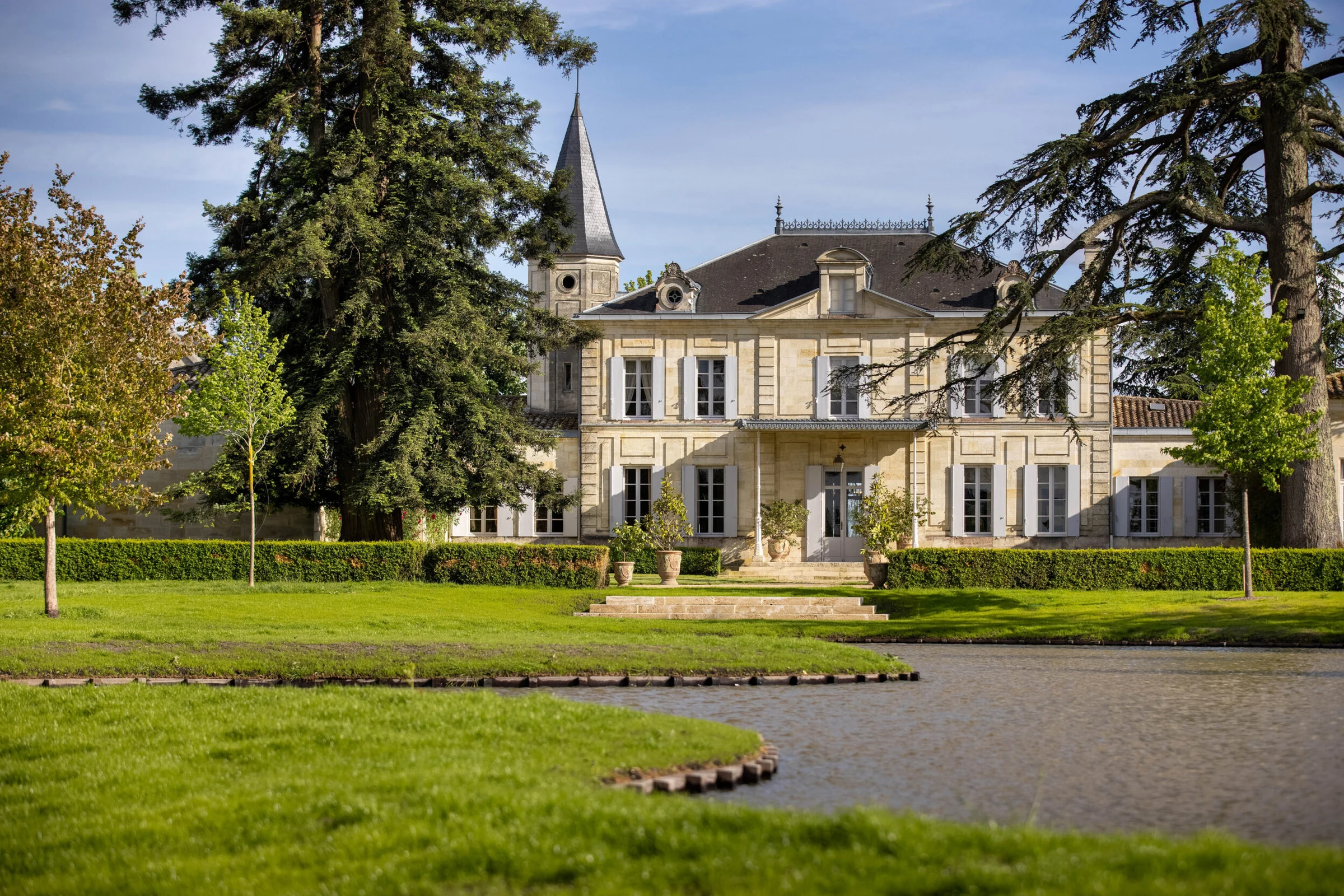
The Recognition The title is simple: owner. The place is equally direct, yet resonant in the way only long ownership can be. Château Le Moulin, the Pomerol property that Querre and his wife Geneviève bought in 1969 after acquiring the old Moulin de Lavaud site, sits at the heart of his life’s work. In an appellation where continuity is often the clearest measure of distinction, that date is more than a marker; it is the beginning of a long stewardship, one that stretches from purchase to renovation to the estate’s modern identity. What distinguishes Querre’s contribution is that the estate itself is the signature. The old Moulin de Lavaud became, through time and effort, the couple’s main property under its new name, and its reputation rests not on size or spectacle but on the quiet authority of a small Right Bank holding. This is Pomerol presented through ownership, craft, and persistence, with the character of the vineyard and cellar allowed to speak in a restrained, confident voice.
The Work
Behind It The style associated with Château Le Moulin is traditional, but never merely old-fashioned. Grapes are harvested by hand, keeping the pace close to the vineyard and underscoring the care behind each decision. In the cellar, open wooden vats preserve an older grammar of Pomerol winemaking, one that feels rooted in touch, timing, and close observation rather than intervention for its own sake. At the same time, the wines are described through the language of richness and ripe fruit. That balance gives the estate its particular identity: a Pomerol that remains true to local tradition while embracing a fuller, more generous expression. The result is a style that reads as measured rather than decorative, with depth emerging from careful handling and from the estate’s own small-scale discipline. The scale matters here. This is a small Right Bank estate, and its character is that intimacy. Querre’s work has never been about a scattered portfolio or a succession of separate ventures; it has been tied to the renovation and direction of a single property over a long span of ownership. The steadiness of that commitment is part of the wine’s frame, as important as the cellar method or the fruit profile.
The Road The essential turning point came in 1969, when Michel and Geneviève Querre bought the old Moulin de Lavaud property, renamed it, and began the renovation that would define their work. From that moment onward, Château Le Moulin became the center of his career, and the estate’s evolution unfolded as a long, deliberate act of building and rebuilding. In 1997, the couple expanded the project by buying the vineyard of the former Vieux Château Cloquet with the aim of reviving the estate. That acquisition added another chapter to the same Pomerol story: restoration, continuity, and the steady strengthening of an estate-grown identity. Across that arc, the facts remain tightly drawn, and that clarity is part of the point. Michel Querre’s public role is not a tapestry of multiple cellars and changing titles, but the sustained ownership of one Pomerol estate since 1969, its renovation, and a house style defined by hand harvesting, open wooden vats, richness, and ripe fruit.
FAQ What is Michel Querre's current role? As of 2026, Michel Querre is Owner. What is Michel Querre known for? Pomerol wines from a small Right Bank estate.