Winemaker
Mike Whitney
- Discipline
- Winemaker
- Based in
- Katy Wroc Awskie, Poland
i. Biography
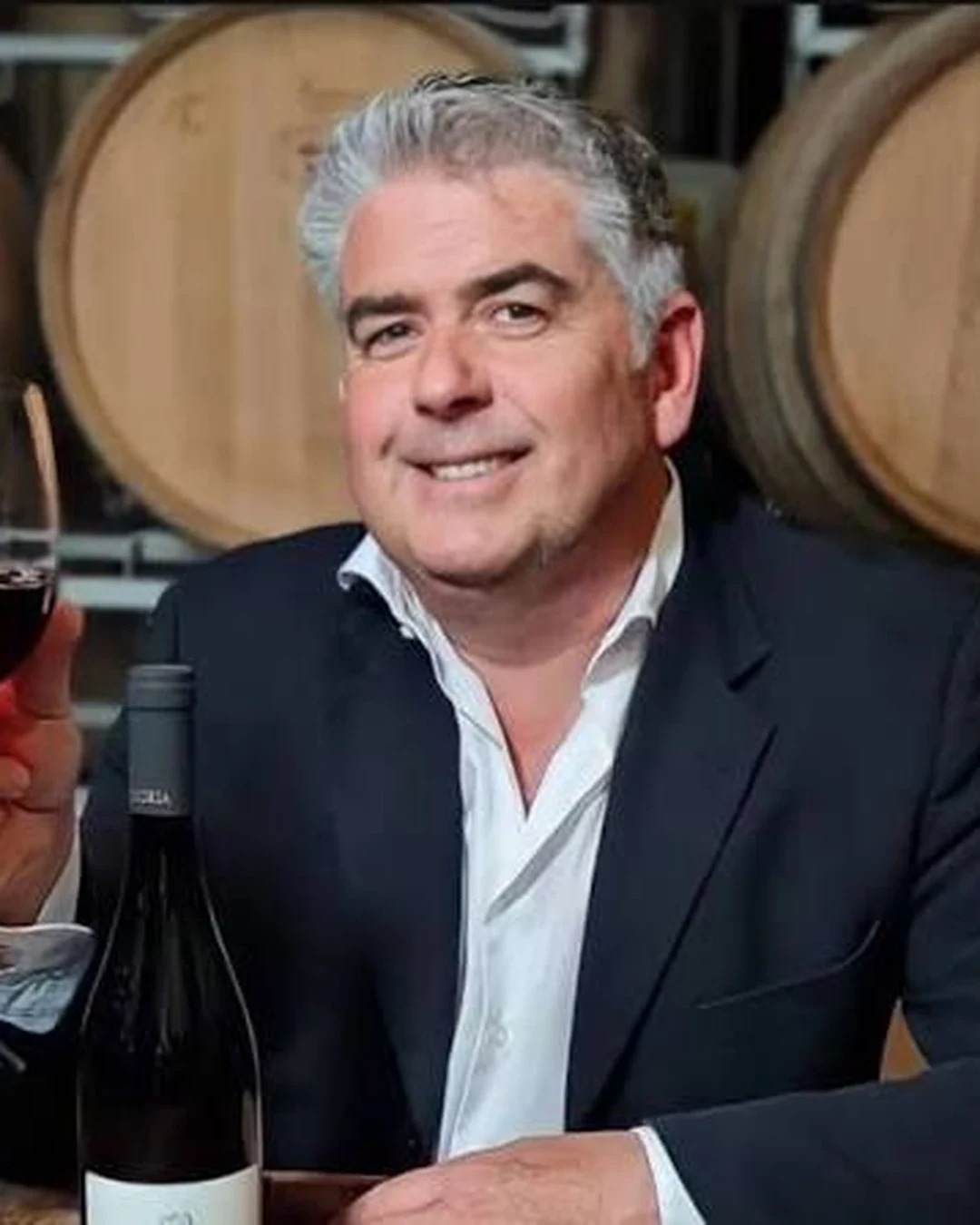
Polish winegrowing in the modern commercial sense has required construction as much as inheritance. At Adoria Vineyards in Zachowice, Poland, Mike Whitney’s line — “When we began this adventure we were one of the first wineries in the history of Poland” — points to a practical condition: working before the category had much established infrastructure, and testing whether southwestern Poland could support Pinot Noir, Chardonnay, Riesling, and traditional-method sparkling wines made with seriousness. Building a winery outside a mature appellation asks for different instincts than taking over an old cellar. The work begins with site reading, climate risk, planning, and the willingness to commit capital and labor before the market has fully formed. At Adoria Vineyards, Mike Whitney’s background in project work and development sits inside the wine work rather than outside it: the vineyard and cellar depend on method, timing, and repeated decisions across seasons.
Coming Up
Technical and international grounding preceded the vineyard work in Zachowice. Mike Whitney studied at Bellingham High School, Western Washington University (1989), and Politechnika Wrocławska (1996), a path that placed practical education and cross-border experience before wine became the central trade. Large-project execution shaped the working habits later applied to winegrowing. Mike Whitney served as Project Manager at URS Corporation, An AECOM Company (1996–2001), Commercial Director at Bechtel Corporation (2001–2004), consultant at Whitney Adams Sp. Z o.o. (2005–2013), and Chief Development Officer at AmRest (2006–2008). Those roles are not vineyard credentials, but they do explain an ability to manage sequence, risk, and long timelines. Since 2001, the craft focus has been Adoria Vineyards, where Mike Whitney has worked as founder, CEO, owner, and winemaker. The operating language shifted from development to vineyard and cellar decisions: ripeness, acidity, harvest timing, balance, and the distance between planting and bottle. The discipline remained recognizable: wine rewards sensitivity, but it also punishes inconsistency.
Where They Are Now
The defining craft problem at Adoria Vineyards is place-making in a young modern wine context. Zachowice is not scenery; it is the agricultural basis for the estate’s claim. Mike Whitney’s work there rests on the proposition that this part of Poland can carry Pinot Noir, Chardonnay, Riesling, and traditional-method sparkling wines with intent and repeatability. An American working in Poland is part of the record, but the trade point is practical. Mike Whitney settled in Poland in 1995, changed careers after meeting his wife, and built a wine estate in a region he believed had potential for serious wine. That meant working while Polish wine was still defining its modern commercial and legal shape. Winegrowing turns commitment into annual evidence. The personal decision to live and work in Poland became agricultural only through repeated returns to the same land, the same weather pressure, and the same timing problems. Adoria Vineyards stands on that accumulation rather than on a single founding gesture. The estate’s range makes the argument in bottle. Still whites, aromatic late harvest expressions, and traditional-method sparkling wines extend the case for Polish wine through recognizable forms, handled within the conditions of Zachowice rather than borrowed prestige.
Career - Founder — Adoria Vineyards, Zachowice, Lower Silesia, Poland (2001–present) - CEO — Adoria Vineyards, Wrocław, Poland (2004–present) - Owner — Adoria Vineyards, Zachowice, Poland - Winemaker — Adoria Vineyards, Zachowice, Poland - Project Manager — URS Corporation, An AECOM Company (1996–2001) - Commercial Director — Bechtel Corporation (2001–2004) - Consultant — Whitney Adams Sp. Z o.o. (2005–2013) - Chief Development Officer — AmRest (2006–2008) Education: Bellingham High School; Western Washington University; Politechnika Wrocławsk