Chef
Naoyuki Yanagihara
- Discipline
- Chef
i. Biography
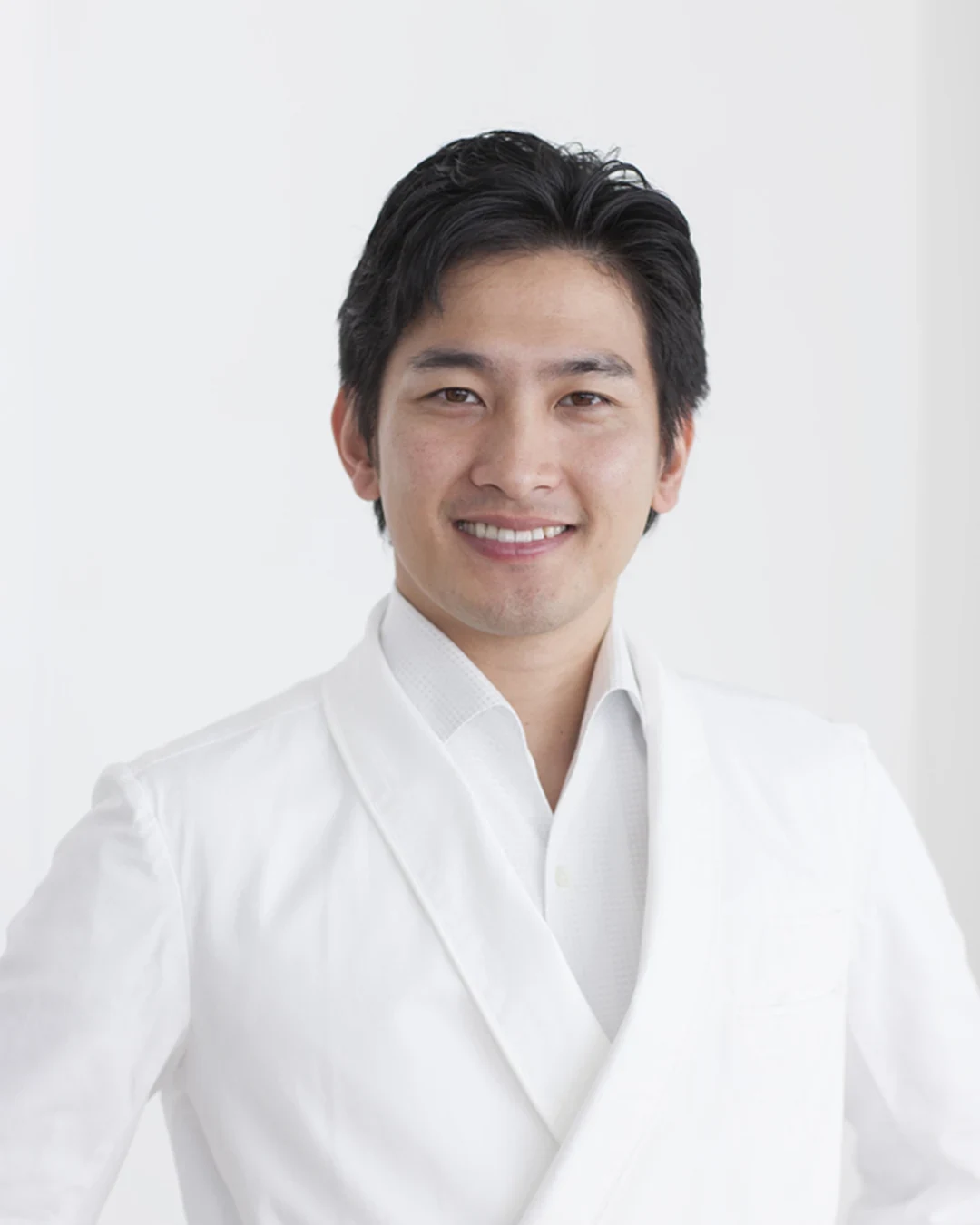
Born in Tokyo, trained in fermentation science and Traditional Japanese Cuisine, the practice behind Naoyuki Yanagihara’s cooking starts before plating: with time, restraint, and controlled change. In Buenos Aires, that training gives the contemporary menu at Bis Bistró a Japanese frame without treating tradition as decoration. The work connects classroom discipline, kitchen execution, and dining-room service through precision rather than display.
The Path
Fermentation research set the technical base early: at a soy sauce company, Naoyuki Yanagihara worked in a field where flavor is built through balance, patience, and close attention to change over time. Kitchen work on a Dutch tall ship added a different kind of discipline. Cooking on deck means adjusting to motion, limits, timing, and utility outside the control of a formal restaurant kitchen. For Naoyuki Yanagihara, that stage placed technique under changing conditions rather than protected ones. Culinary transmission later moved into a cultural role through Japan’s Ministry of Agriculture, Forestry, where Naoyuki Yanagihara served as a food and culture envoy. In that context, cuisine functions as carried knowledge: ingredients, method, and cultural reference moving across borders while retaining their structure. Today, his roles as president and teacher of Japanese cooking of Yanagihara Cooking School of Traditional Japanese Cuisine, and Executive Chef of Bis Bistró, hold preservation and application in parallel.
The Work Today
Teaching Japanese cooking keeps technique in the realm of explanation as well as execution. At Yanagihara Cooking School of Traditional Japanese Cuisine, Naoyuki Yanagihara’s work requires naming the reason behind a gesture, a sequence, or a balance, so that traditional practice can be repeated by others rather than left as intuition. Restaurant work applies that same discipline under service pressure. As Executive Chef of Bis Bistró, Naoyuki Yanagihara brings Japanese culinary precision and a Japanese sensibility to a contemporary menu in Buenos Aires, where technique has to meet sourcing, pacing, guest expectation, and the operational demands of a dining room. The craft position is defined by overlap: fermentation science, traditional Japanese culinary education, and contemporary restaurant work in Argentina. Naoyuki Yanagihara’s authority comes from those combined disciplines: the researcher’s patience, the teacher’s clarity, the cook’s adaptability, and the envoy’s understanding that cuisine carries culture through method.
Career - President — Yanagihara Cooking School of Traditional Japanese Cuisine, Akasaka, Tokyo - Teacher of Japanese cooking — Yanagihara Cooking School of Traditional Japanese Cuisine, Akasaka, Tokyo - Executive Chef — Bis Bistró, Buenos Aires, Argentina - Researcher — a soy sauce company - Kitchen crew — a Dutch tall ship - Food and culture envoy — Japan’s Ministry of Agriculture, Forestry
Signature
Sumashi siru (clear Japanese soup with grilled butterfish) and Deep-fried mackerel show the value placed on clarity and control. In Naoyuki Yanagihara’s hands, the clear soup points to broth as a structural element, while the mackerel preparation depends on managing richness and texture without excess. Both dishes sit inside a Japanese discipline where apparent simplicity requires exact handling.
In Their Words “With Kinsa-ryu, we brought back the old recipe, and we found that it was too salty or too sweet for the modern palate.” “Right. I think the “roots” in Japanese cuisine is the broth.”
Acclaim
Michelin Bib Gourmand recognition for Bis Bistró (2024) places Naoyuki Yanagihara’s Buenos Aires work within a dining category built around value, consistency, and craft. The recognition sits alongside his teaching and traditional-cuisine roles rather than replacing them.
FAQ What is Naoyuki Yanagihara's current role? Naoyuki Yanagihara is Executive Chef. Where did Naoyuki Yanagihara work before? Earlier in their


