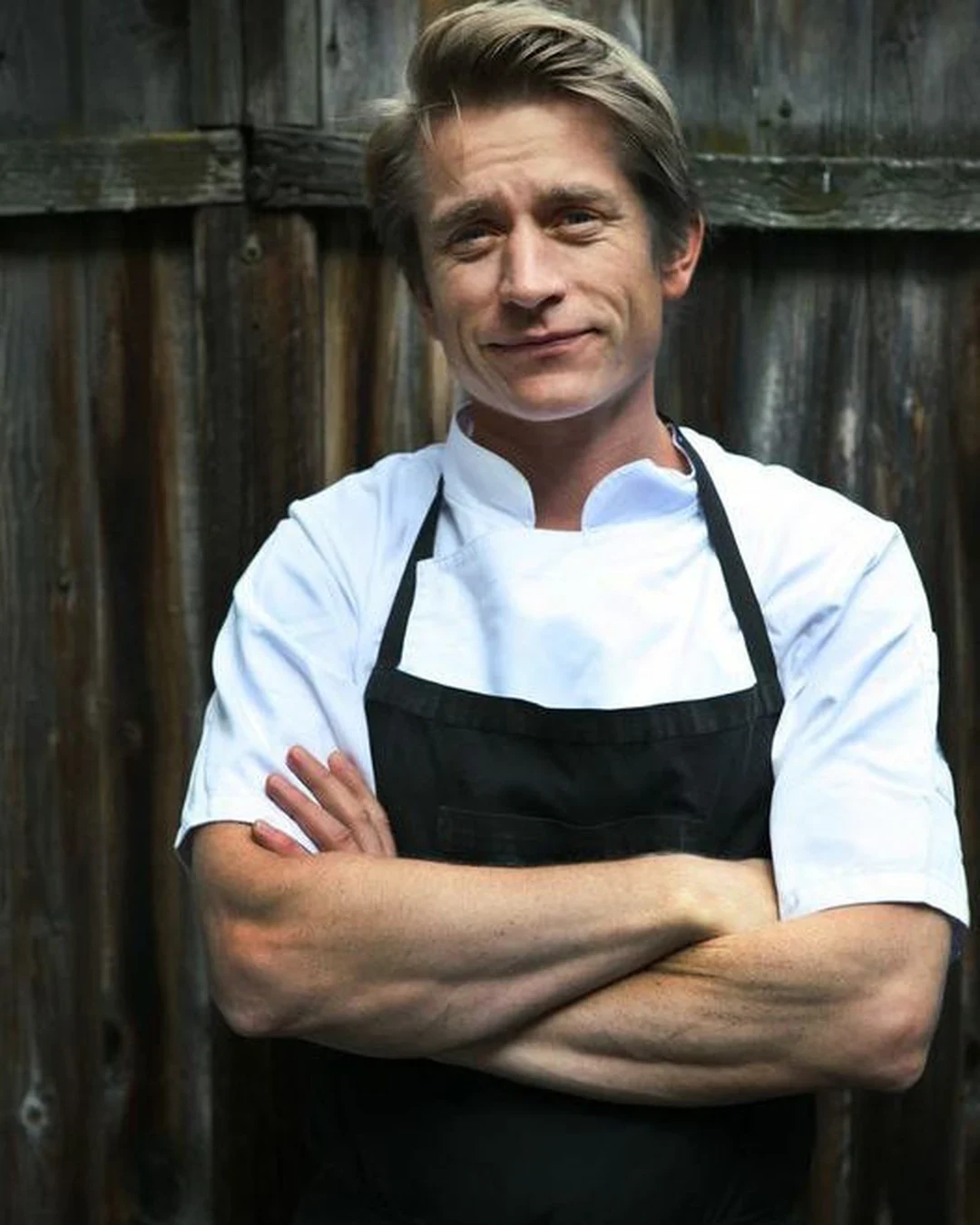
i. Biography
Where It Started Nathan Howie’s career arc begins with Benson Hospitality, a formative chapter that places his work within a wider hospitality family rather than a single individual or a lone origin story. That foundation matters. It gives his cooking a sense of lineage and structure, a grounded understanding of how a restaurant can feel both personal and precisely run. From there, the clearest expression of his point of view is the kitchen he leads at Fortu in St Petersburg, where even the name carries a quiet promise—fortune, Asian heritage, and a restaurant identity that signals intention before the first plate arrives. Fortu does not read as a loose blend of references, but as a house with a deliberate center of gravity. The cooking is Pan-Asian in specialty, and the emphasis is on boldness shaped by discipline: flavors that arrive with confidence, yet still leave room for sourcing to speak. There is a studied balance at work here, one that keeps the room animated without tipping into excess. The meal is also built to be shared family-style, which changes the entire rhythm of dining. Plates are meant to move across the table, to be passed, tasted, compared, and revisited, so the experience becomes communal by design rather than by accident.
Who Shaped Them In a lineage-aware kitchen, influence is not always a matter of one defining mentor. It can live in the systems a chef inherits, in the expectations that shape service, in the cadence of a brigade that teaches how food travels from concept to guest. Benson Hospitality belongs to that kind of story: a point of formation that suggests craft learned through environment, repetition, and the steady architecture of hospitality itself. At Fortu, that inheritance meets a menu language built around generosity. Shared plates ask for a different kind of precision, one that considers sequence, temperature, texture, and appetite not as isolated details but as part of a larger flow. The kitchen has to think in terms of the table as a whole, and that sensitivity shows in how the dishes are composed to complement one another rather than compete for attention.
The Work Today
Two dishes, in particular, have come to define what guests respond to most strongly: wagyu gyozas and miso black cod, both cited by the chef as among the most popular menu items. They offer a concise portrait of the restaurant’s center of gravity. The wagyu gyozas suggest richness contained within precision, a dish that fits naturally into the shared-table style while still carrying the polish of careful technique. The miso black cod, meanwhile, brings depth and restraint together in a way that feels quietly assured. Taken together, those dishes reflect the larger craft note running through the kitchen: d Pan-Asian flavors, thoughtful sourcing, and technique bold enough to carry the room without overwhelming the ingredients themselves. The work at Fortu is not simply about creating memorable plates; it is about building a restaurant identity that can hold both atmosphere and appetite. Howie’s role is to translate the symbolism of Fortu into everyday practice—dishes that circulate around a table, flavors that encourage conversation, and a hospitality-driven experience that feels as considered as the cooking.
Signature
Nathan's signature dishes include Wagyu gyozas and miso black cod.
FAQ What is Nathan Howie known for? Pan-Asian cuisine.