Chef
Natsuko Shoji
- Discipline
- Chef
- Based in
- Tokyo, Japan
- Venue
- Blue Box Café · Café
Made By record
Awards & recognition
3 total
3 winners


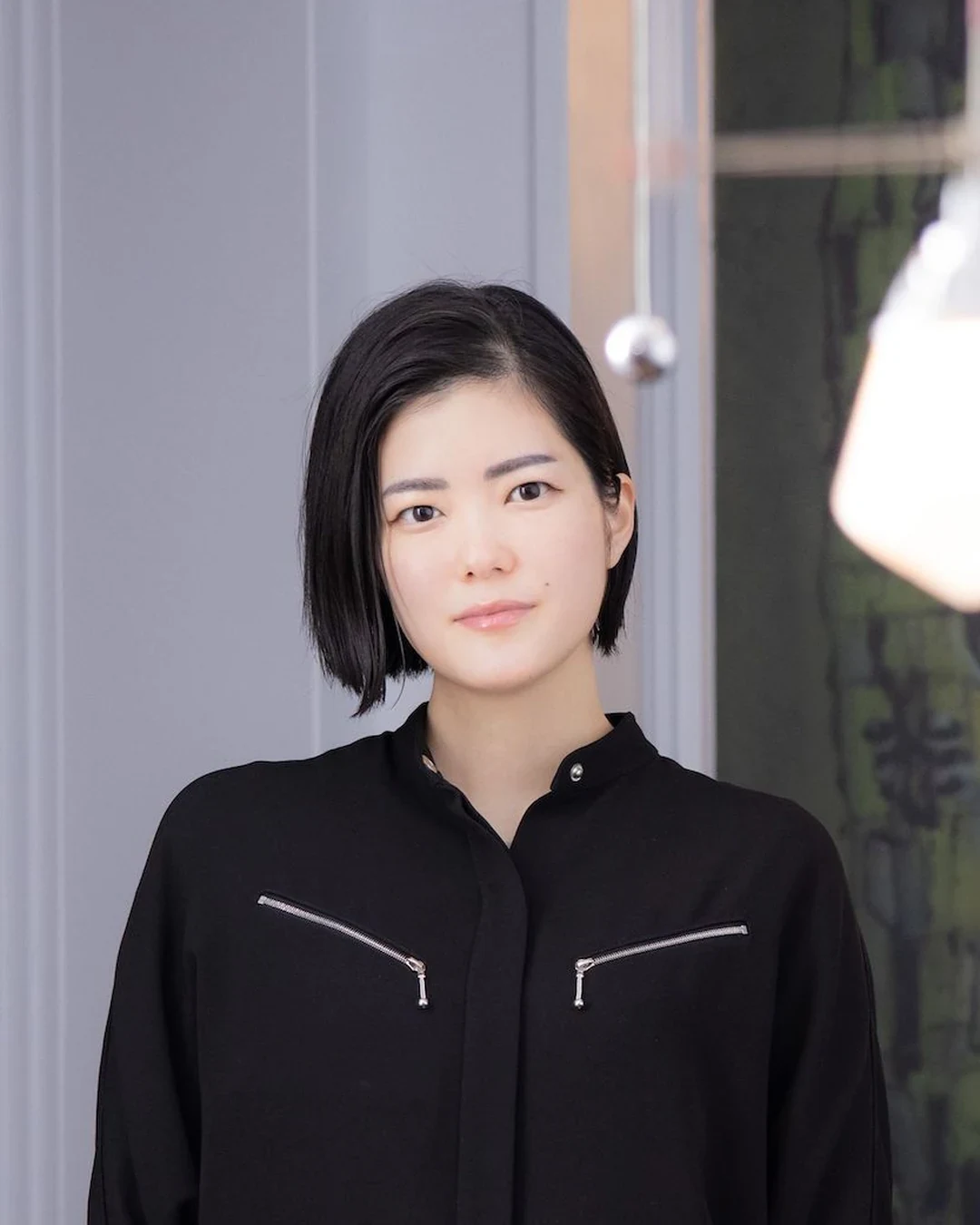
i. Biography
Her own words describe the work in practical terms: “I look at fashion icons and trends and I try to express their aesthetics using Japanese fruit.” That line sets out the method clearly. The emphasis is on translation, on taking visual reference and rendering it through pastry with control, restraint, and exacting finish.
The Climb
Natsuko Shoji trained at Komaba Gakuen High School (2008), a starting point that suggests structure before display. She then entered the kitchen as a trainee at Le jeu de l'assiette (2008), where the move from study into service began through repetition, observation, and the daily discipline of mise en place. From there, Natsuko rose to sous chef at Florilège (2009–2014), a stretch of years that signals responsibility and the slow tightening of technique. The role carries weight, but the important detail is the accumulation of practice: step by step, a personal way of working took shape inside a demanding professional environment. Since 2014, Natsuko has been chef-owner of été, a position that places authorship and oversight in the same hands. The name attached to her now is tied to the restaurant itself, and the venue in Tokyo is where that practice is made legible.
Today
At été, the central fact is the present tense of the work: a restaurant in Tokyo serving as the main site for Natsuko Shoji’s stated ideas and public recognition. It is the point where technique, composition, and point of view are brought into one operating language. The craft reference she has given is precise: fashion icons, trends, aesthetics, and Japanese fruit. The plate becomes a place where visual reference is converted into edible form, with the structure of the dessert carrying as much intent as the source material. Chef-owner is a practical title. It means the same person is responsible for the kitchen and for the direction of the restaurant, with Natsuko Shoji’s name linked directly to the decisions that shape été in Tokyo.
Career - Chef-owner — été, Tokyo (2014–present) - Trainee — Le jeu de l'assiette (2008) - Sous chef — Florilège (2009–2014) Education: Komaba Gakuen High School
Signature
Natsuko's signature dishes include Fleurs d’été, mango tart, Miyazaki mango rose, delicate tilefish with crispy scales in clam broth, and tender slices of abalone layered over deep-fried bamboo shoot. Together, they show a practice that can move between pastry and savory work without losing precision: fruit handled with fine detail, seafood treated with close attention to texture, and compositions built for balance rather than excess.
In Their Words “I look at fashion icons and trends and I try to express their aesthetics using Japanese fruit.” “I want to translate what I love about the world of haute couture to cakes.”
Recognition
Natsuko's honors include The Best Chef — Top 100 Chefs (2022), Asia’s Best Female Chef Award (2022), FoodArt Award (2022), and Asia’s Best Pastry Chef Award (2020). Read together, the awards mark the reach of a career that moved from training into wider acknowledgment, while staying fixed on the same working principle: use Japanese fruit, use precision, and make the reference legible on the plate.
FAQ What is Natsuko Shoji's current role? Natsuko Shoji is chef-owner. Where did Natsuko Shoji train or study? Natsuko Shoji trained at Komaba Gakuen High School.