Winemaker
Pascal Roblet
Winemaker, Domaine Roblet-Monnot
- Discipline
- Winemaker
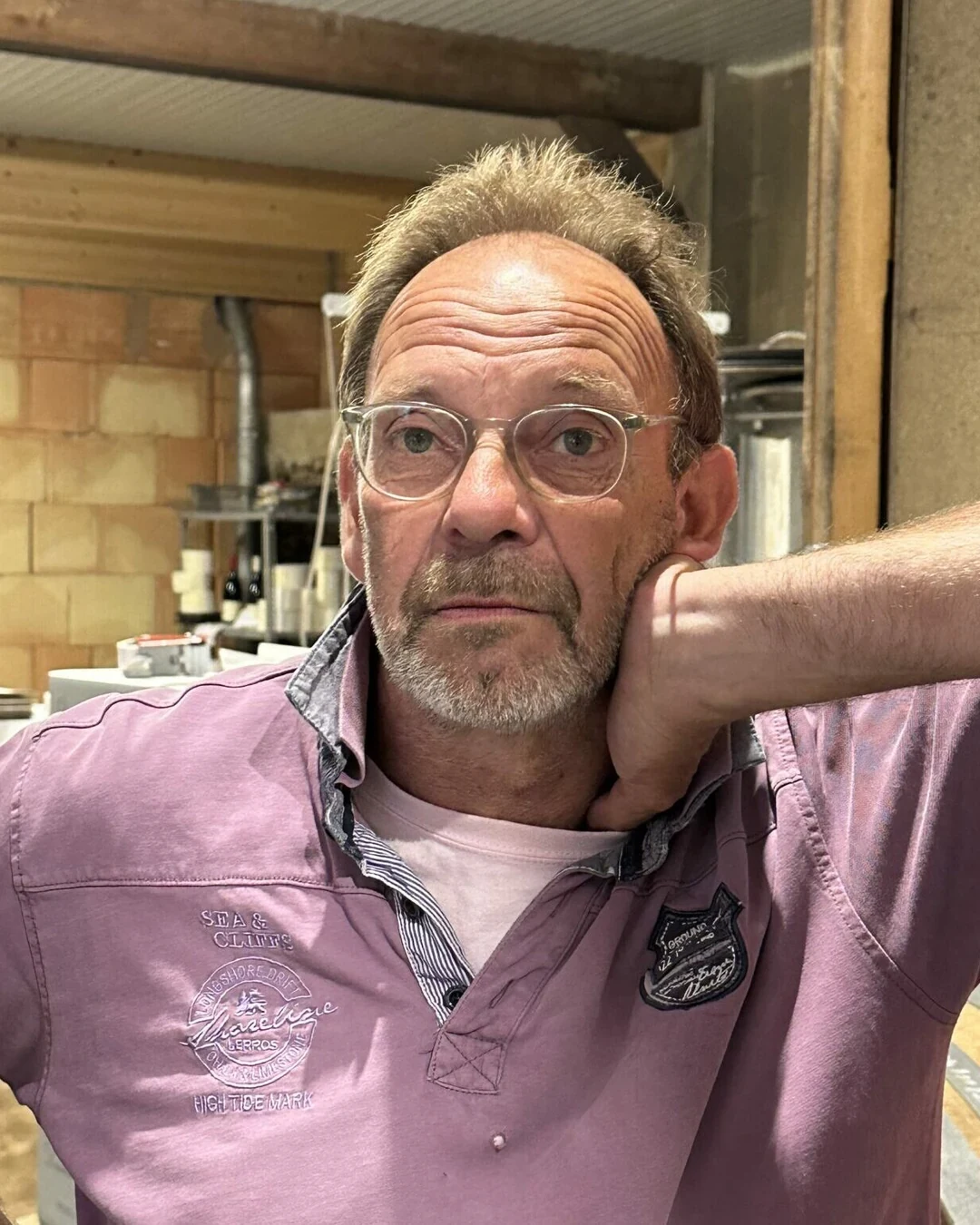
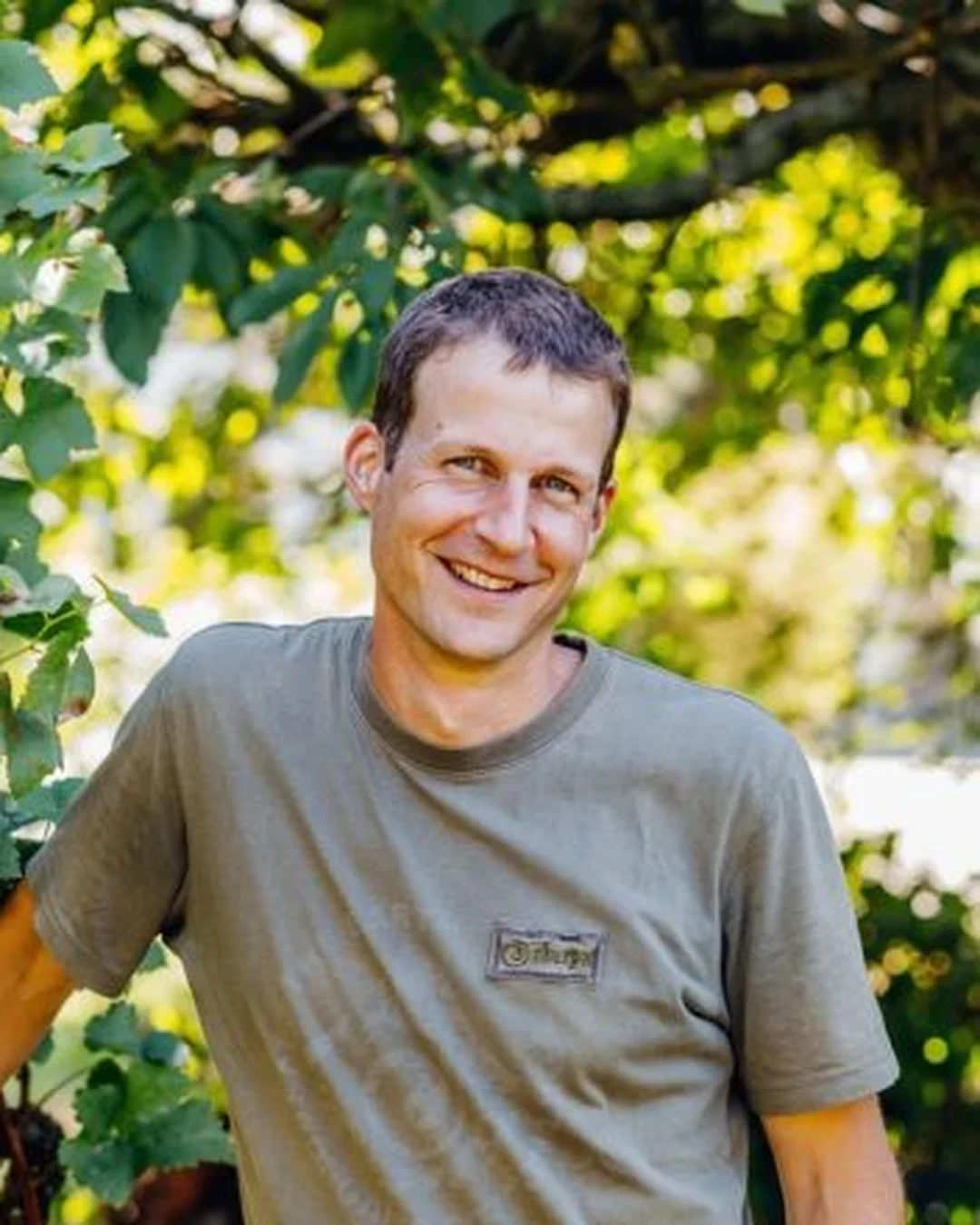
Portrait of Pascal Roblet
i. Biography
Pascal Roblet leads Domaine Roblet-Monnot, the family domaine he took over in 1990 and renamed. His work is built around biodynamic viticulture, harvest precision, low yields, long élevage, and cellar practices that keep intervention in check. The approach places stewardship in timing, selection, and restraint rather than volume. Roblet trained at Lycée in Beaune, grounding his formation in the region where slope, soil, season, and cellar conditions shape the work. Domaine Roblet-Monnot itself was founded in 1865, and his leadership continues that history while treating tradition as something that still depends on judgment. At the estate, biodynamic viticulture is applied in Volnay and Pommard, including premier cru cuvées and village bottlings. Roblet began this practice in 1997, alongside high-density planting and very low yields of about 2.5 tons per acre. These choices reflect a focus on concentration, careful farming, and parcel-by-parcel reading ahead of volume. The vineyard calendar is used as a practical guide, and lunar cycles remain part of the rhythm of work. He has described following those cycles and making treatments when needed, even delaying shipment in order to bottle during the correct moon phase. Ripeness decisions are concentrated in the final three weeks before harvest, when freshness, maturity, weather, and picking windows become tightly linked. In difficult vintages, Roblet may return to vineyards multiple times so grapes are picked at optimum ripeness. Selection happens twice, first in the vineyard and again in the cellar on a vibrating sorting table. Élevage is long, usually 18 to 24 months, and takes place in bigger barrels. Red wines are made without fining or filtration. Pigeage is rare, with the aim of infusing flavor rather than extracting it. Sulfites, when used, are minimal and added just before racking and bottling. Two bottlings show the method clearly. “Saint François” Volnay is a 100% massale selection Pinot Noir drawn from the lieux-dits Bouchères, Sur Roche, Buttes, Famines, Poison, Pasquiers, and 1er Cru Robardelle, and it is named in honor of Roblet’s father François. Nerthus Bourgogne Aligoté is a 100% massale selection Aligoté from La Côte de Nantoux in the Haute Côte de Beaune/Marange area. It comes from 35-year-old vines on calcium-rich limestone and is aged about a year in barrel plus nine months in tank. Together these wines show how Roblet connects site, selection, and patient élevage to the identity of the domaine.
The Sunday letter
Read Made By's new profiles every Sunday.
Meet the chefs, winemakers and sommeliers behind the places we cover. See a sample below before you subscribe.
See a sample of the Sunday emailOne email a week. Unsubscribe from any issue.
The Sunday letter
Get the next Made By profile in your inbox.
We send one email every Sunday morning with the people we profiled that week.
See a sample of the Sunday emailOne email a week. Unsubscribe from any issue.