Chef
Paul Boehmer
- Discipline
- Chef
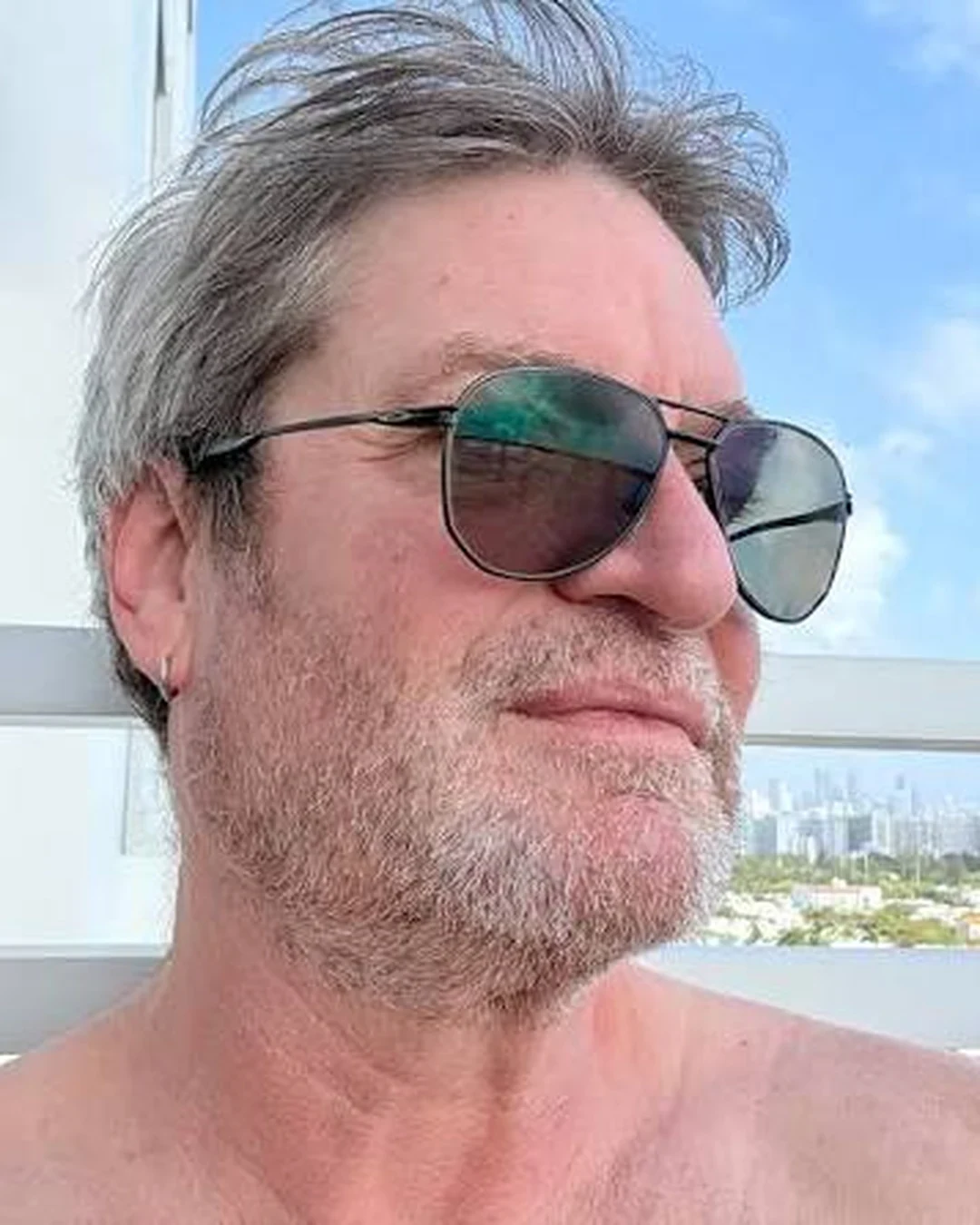
i. Biography
“After finishing high school in 1975 I went on the road. Hitchhiking my way across Asia from Istanbul through Iran, Afghanistan, and Pakistan (in the days before guide books) and finally arrived in India.” In that memory, the lineage is intimate: technique learned from professionals, flavor learned by watching families cook.
The Training The first lessons Boehmer describes are not framed as a school certificate or a single apprenticeship under a named chef. They are closer to an oral inheritance, passed through access: “Having the language skills opened doors to restaurant kitchens and to the homes of people where Grandmothers would sit me on a stool to watch!” That sentence gives his formation a domestic scale before it becomes a professional one. The stool places learning at eye level with hands, pans, timing, and repetition; the teacher is not abstract tradition, but a person making food in front of him. By 1989, the path had returned to Canada. Boehmer was executive senior sous chef at Langdon Hall in Cambridge, Canada, a role that placed him inside a disciplined kitchen structure after the travel years he describes. The contrast is part of the story: first the homes and restaurant kitchens reached through language, then the hierarchy of a Canadian kitchen with a formal title. He later put the shape of that training in one sentence: “” The phrasing is plain, but the inheritance is layered: French technique on one side, Southeast Asian flavor on the other, joined by memory rather than by slogan.
The Lineage In 1994, Boehmer became Executive Chef-Owner of Bhima’s Warung in Waterloo, Canada. That chapter reads as the first major professional expression of the mixed education he describes: a chef-owner role, in his own hands, after kitchens and households had already shaped his sense of method and taste. The line then moved to Ossington Avenue. In 2010, he opened Boehmer on that Toronto street, bringing his name directly to the door. By 2015, he was chef and owner of Böehmer Restaurant in Toronto, a title that joined authorship and daily responsibility. There is no need to flatten that arc into a single influence. Boehmer’s career travels through Cambridge, Waterloo, and Toronto, but its deeper geography begins earlier: Istanbul, Iran, Afghanistan, Pakistan, India, and the homes where grandmothers let a young cook watch.
The Table At Sofia Yorkville, Boehmer serves as Executive Chef. The role follows a career built through ownership, opening restaurants, and working within a senior kitchen post, rather than through one narrow lane. His specialty, butchering a whole chicken, is a fittingly direct craft note. It is practical, anatomical, and unsentimental: a cook’s task that rewards sequence, respect for the whole bird, and clean decision-making. That specialty also returns the story to formation. Before the titled rooms and the named venues, Boehmer’s learning began with watching closely; whole-chicken butchery is another kind of close watching, a lesson in joints, structure, and use. The family thread is not decorative here. It is the way a cook learns to see.
FAQ Where did Paul Boehmer study or apprentice? His formation included travel across Asia after high school in 1975, access to restaurant kitchens and homes through language, and a 1989 role as executive senior sous chef at Langdon Hall in Cambridge, Canada. What tradition or house shaped Paul Boehmer? He described his cooking idea as “a mix of what I had been taught about French classical techniques and the flavours of S E Asia.” Who has Paul Boehmer mentored? The clearest mentoring thread runs toward Boehmer: grandmothers in homes let him sit and watch, shaping the way he learned before his chef-owner years.


