James Beard Award winner
Peter Berley
- Discipline
- James Beard Award winner
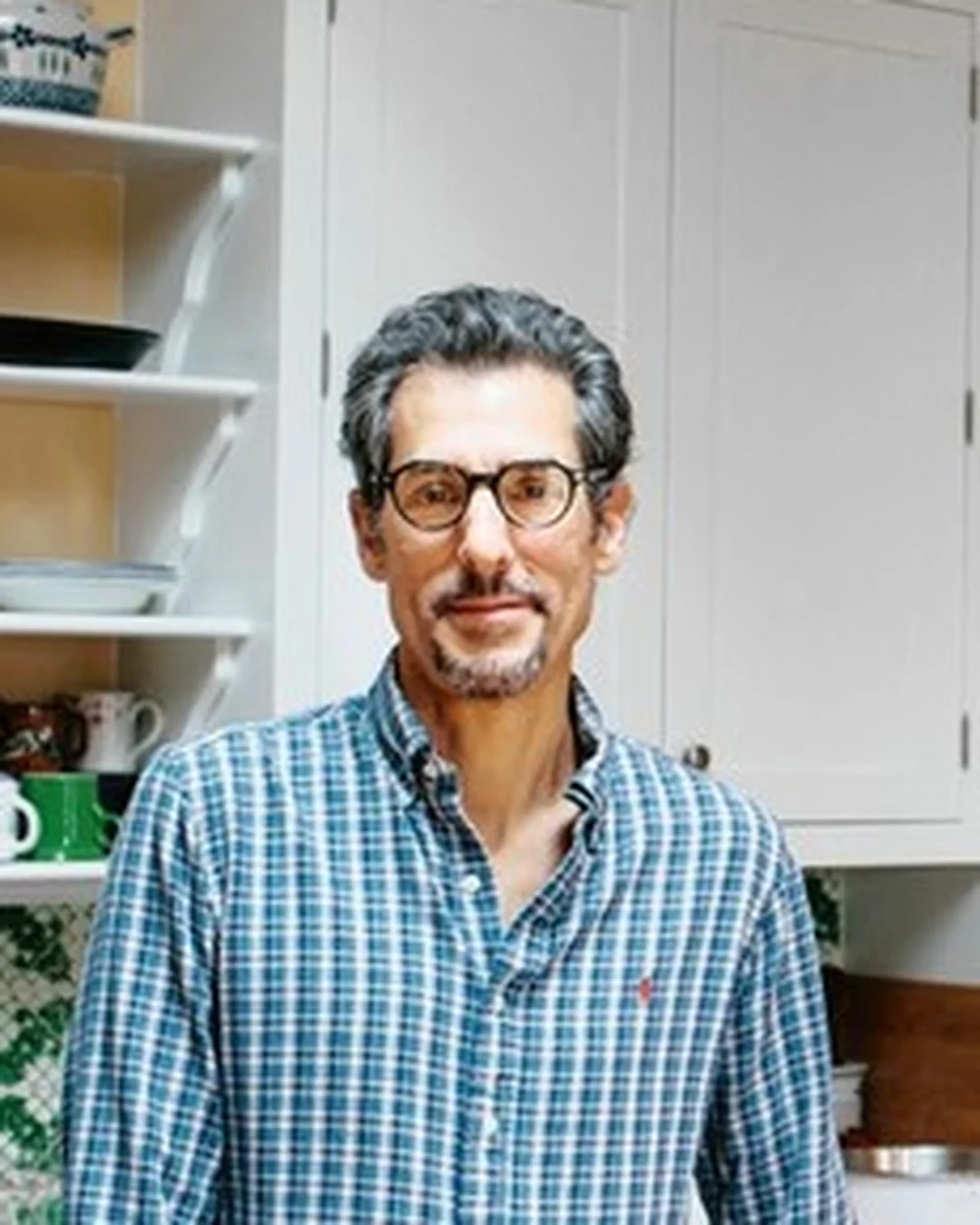
i. Biography
The Estate
Place matters in a cook’s formation, but it is the working context that gives the craft its limits and pressure. Roslyn is the first named ground in Peter Berley’s story; New York City is the professional map that follows, including his former role as chef at Angelica Kitchen in the East Village, New York City. That kitchen places the work in a specific urban register: small dining rooms, neighborhood appetite, and cooking shaped by conviction as much as by service. Chronology fixes one chapter before the later work of private cooking and teaching came into sharper view. In Berley’s case, the useful reading is not a sequence of appointments but the refinement of a cooking practice: pantry reliance, seasonal discipline, and ingredients handled with enough care to make restraint do the work. Locally sourced and seasonal cooking begins with what is present and fit to use. Dried beans, pulses, and legumes require another tempo: soaking, simmering, seasoning, and patience. In Berley’s cooking, that attention is central. These ingredients do not reward haste; they take on heat, salt, and aromatics over time, becoming food that is practical, sustaining, and repeatable.
In the Cellar
The deep pantry is part of the kitchen, not a separate romance of storage. Berley’s sensibility belongs as much to shelves of durable ingredients as to the market basket: foods that keep, travel modestly, and give back to a cook who knows how to build flavor without spectacle. Read this way, the cellar is a working reserve. It holds the conditions for supper before the menu is named. Sourcing asks more than whether something tastes good. It asks what feeds well, what can be taught, repeated, adapted, and shared. Berley’s work as a private chef and teacher carries the same practice into a closer setting: products selected with care, methods made legible, and cooking treated as a skill that can move from one household to another.
The Bottlings
Repeatable acts define this kind of cooking: choosing well, working with the season, and returning to the deep pantry of legumes. The drama is not presentation-led. It sits in the change from dried provision to something supple, savory, and sustaining; from raw ingredient to a meal that can hold a table. Food, in this practice, is not limited to flavor. Berley puts the scope plainly: “It has an impact on global warming, on politics, on socioeconomic mobility, health. On everything.” The claim is broad, but the craft remains concrete: products, sourcing, instruction, and the long usefulness of ingredients that have fed households across generations. The former chef roles, private-chef work, teaching, and cookbook recognition point to a cook concerned with sustenance over spectacle. Home cooking, in this frame, is not withdrawal from public life. It is one of the most direct places where choices about sourcing, health, economy, and daily skill become visible.
Signature
Peter's signature dishes include Lasagna of Fall Vegetables, Sage Bechamel, Gruyere, Marinated Sesame Tofu Steaks, Soba Noodles, Greens, and Spicy Coconut Sweet Potato Soup. Taken together, the dishes show a table built through layering, seasoning, balance, and warmth: Fall Vegetables set into richness, tofu treated as a primary ingredient, noodles and greens kept in proportion, and sweet potato carried by spice and coconut.
In Their Words “In terms of teaching, one thing that’s really important to me is the quality of the products that I’m working with.” “I love to share [home cooking] with other people, because it’s such a simple way of improving our lives.”
FAQ What is Peter Berley known for? Locally sourced and seasonal cooking. What recognition has Peter Berley received? James Beard Foundation Award, cookbook author.


