Chef
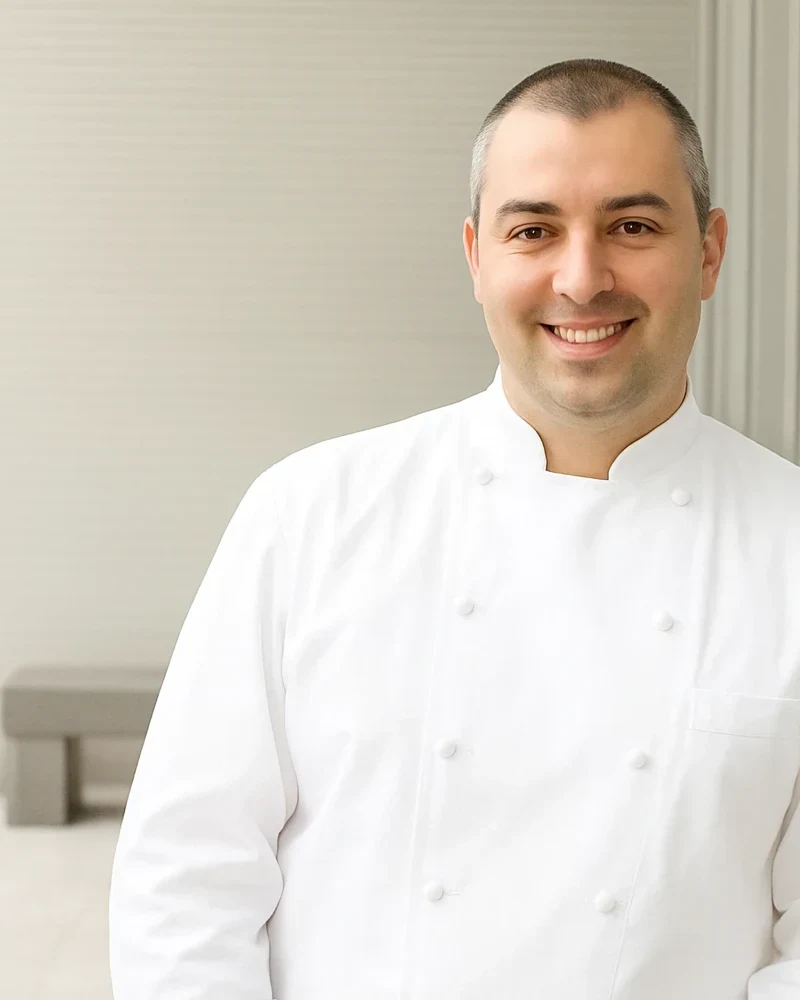
Ryohei Hayashi
- Discipline
- Chef
i. Biography
The Work Today
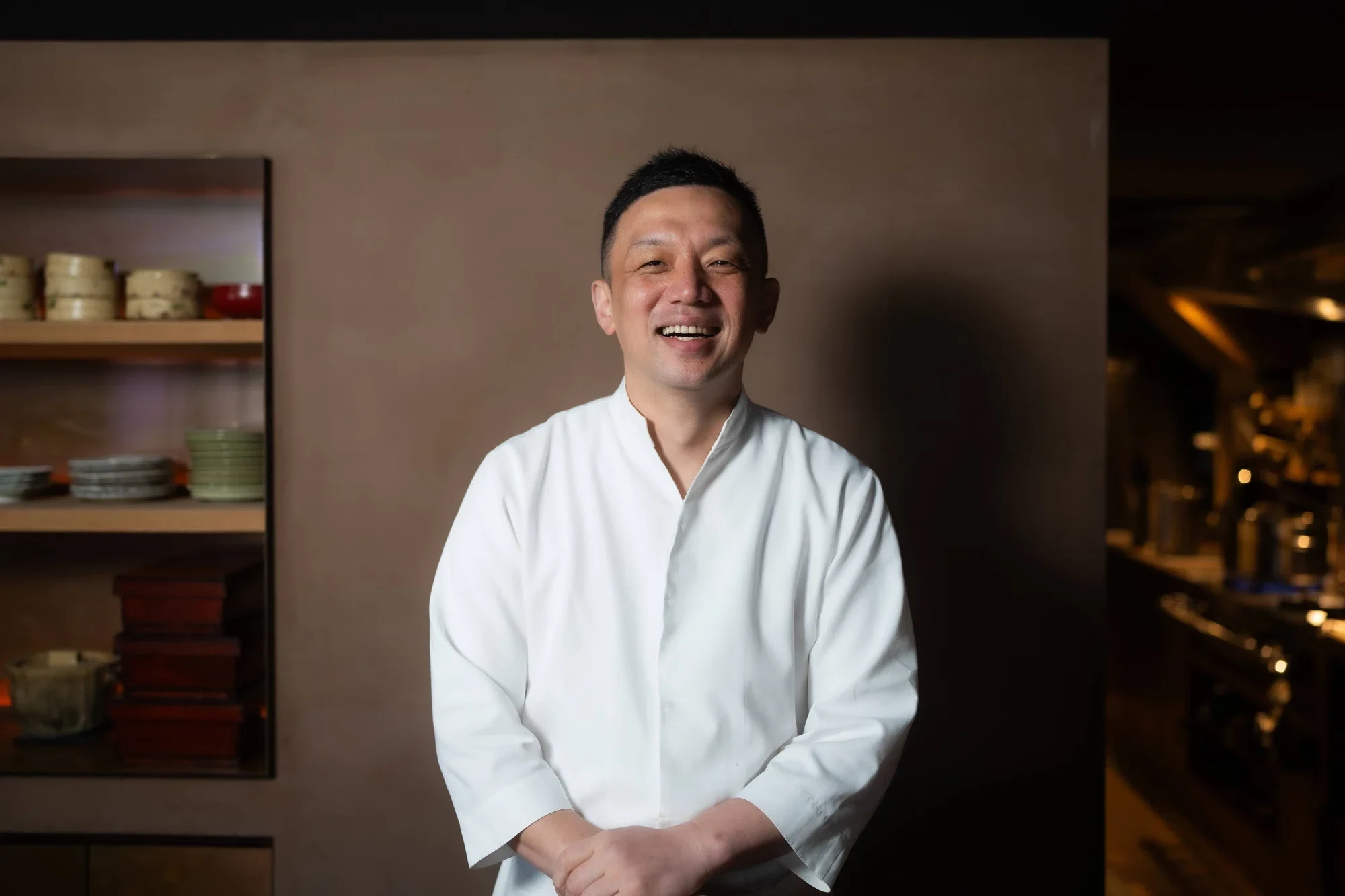
Hayashi is chef/owner at Tenoshima in Minami Aoyama, Tokyo. In practice, that means an approach that does not lock itself to one narrow set of ingredients. As he says, “basically, I do not specify fish species.” The craft logic there is plain enough for working chefs: leave room for what is available, keep the method responsive, and let the kitchen move with the season instead of against it. That position also places the kitchen inside a wider obligation. For Hayashi, cooking is tied to the conditions that support it, and to the future of Japanese food culture itself. “If we don't protect this rich nature, we cannot pass on Japanese food culture to the future,” he says. The statement reads less like slogan than working premise: the plate depends on the environment, and the environment has to be maintained if the craft is to continue.
In Their Words “I believe that not being fixated on specific fish species can be one of the hooks for creating new Japanese cuisine. After all, tradition is always created by those who live in the “now.” “If we don't protect this rich nature, we cannot pass on Japanese food culture to the future.”
Acclaim
The clearest markers of Hayashi’s standing are his chef/owner role at Tenoshima and the Kyoto ryotei tradition named in his background. Taken together, they place his work in a line of practice shaped by place and responsibility rather than image. His own framing pushes that outlook forward: “What is important is whether we can look at the future together.”
FAQ What is Ryohei Hayashi known for? Japanese cuisine.