i. Biography
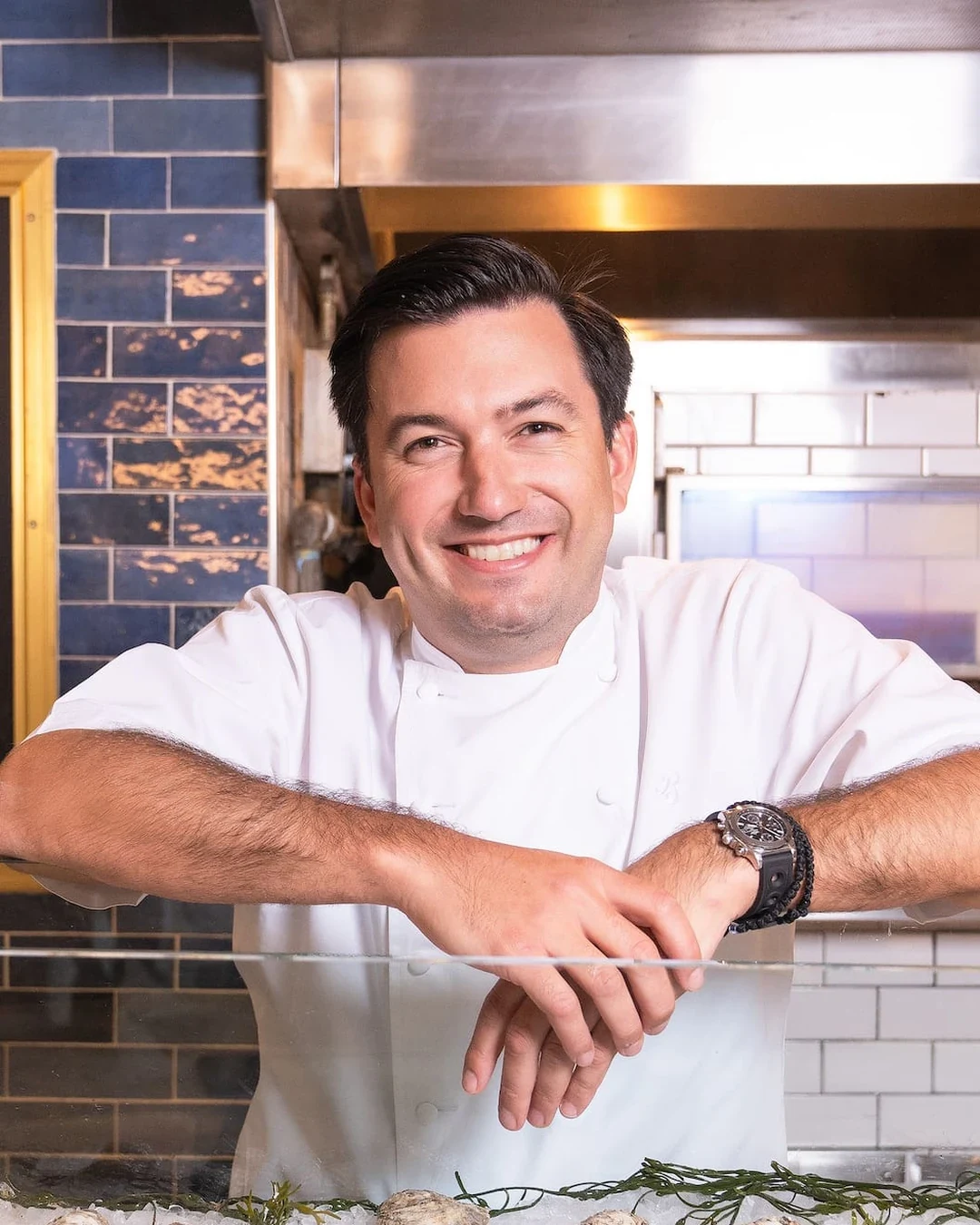
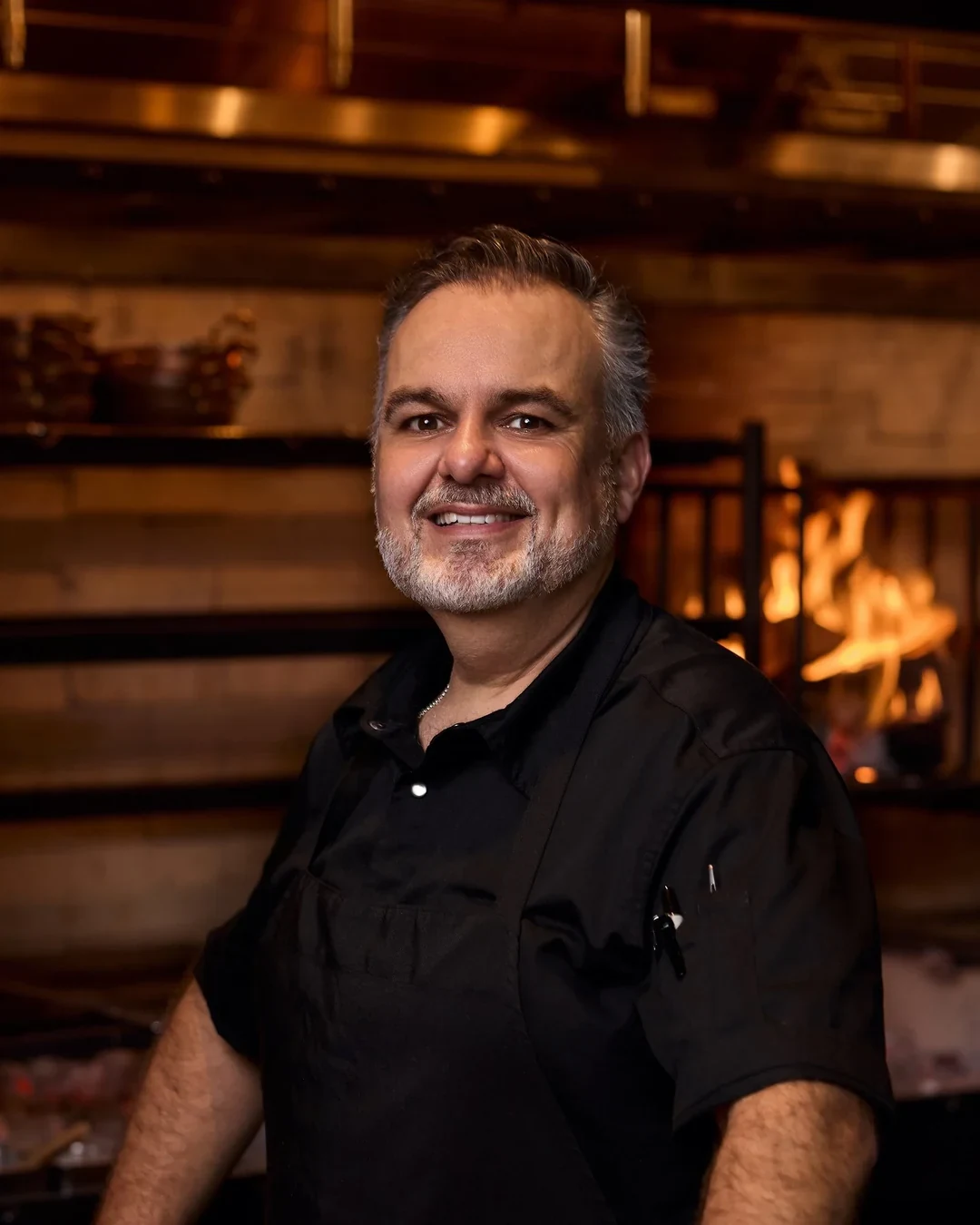
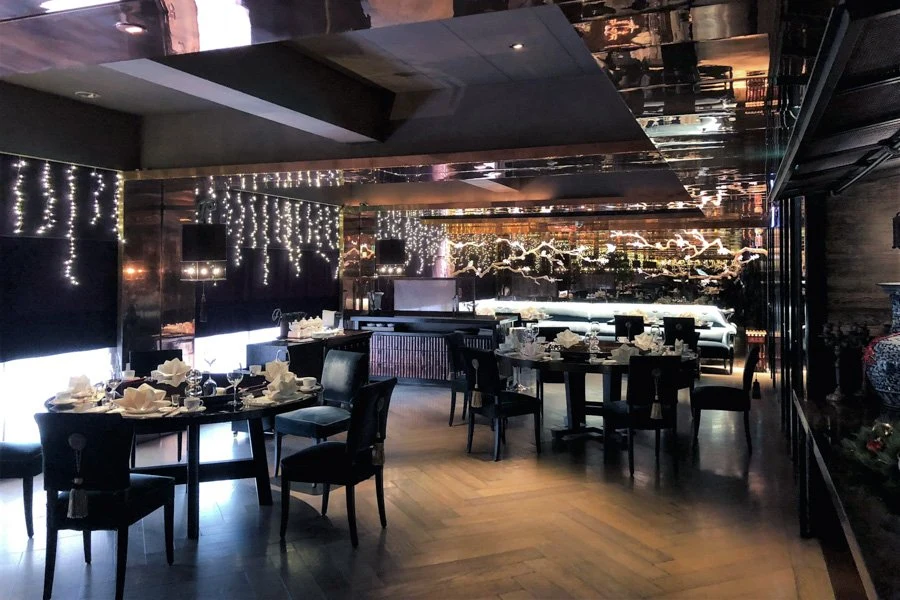
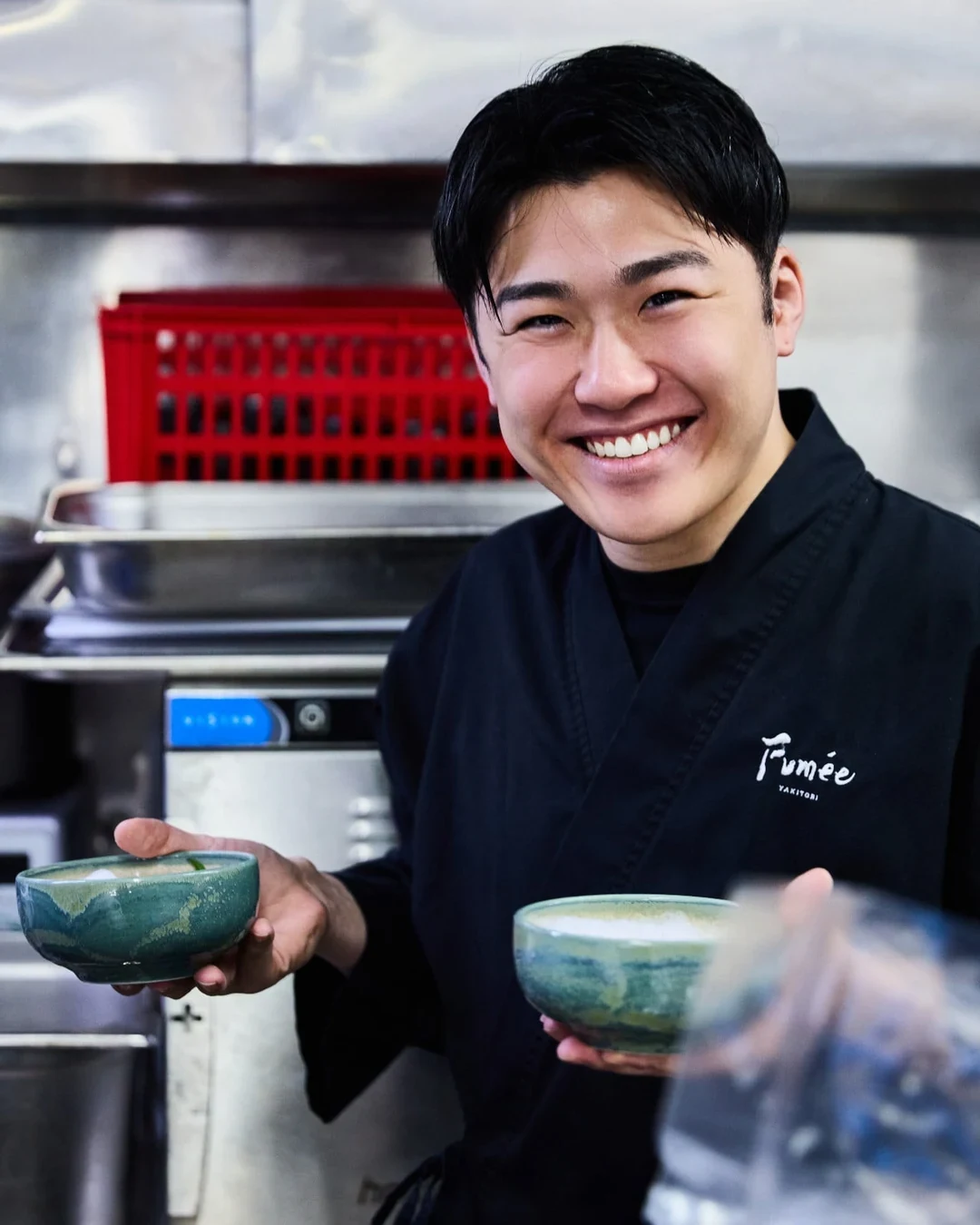
Head chef at Fumée Yakitori in Taipei, Taiwan, Ryu Shunsuke works inside the yakitori register: cut, skewer, seasoning, distance from heat, and the timing of char. The form reads simply from the dining room, but the work depends on small corrections made over fire. At Fumée Yakitori, that discipline sets the pace of the restaurant: smoke used with restraint, heat managed closely, and each skewer judged by how much it needs rather than how much can be added. The wider regional arc around Ryu Shunsuke has included Taiwan, Hong Kong, and 2025 recognition for the Taipei restaurant he leads. The through-line is control at the grill: flavor built by repetition, attention, and confidence in live fire rather than by excess.
The Climb
Training at Tsuji Culinary School gave Ryu Shunsuke a formal culinary base before he entered yakitori practice as a disciple at Yakitori Ichimatsu in Osaka, Japan. It is knife work, seasoning, distance, heat, and judgment working together. The cook decides when to turn, when to wait, when smoke should stay in the background, and when char has gone far enough. The same grill discipline later traveled with Ryu Shunsuke to Hong Kong as visiting chef at Tatler Best Takeover Series 2026 Hong Kong Edition at Harbourside, Regent Hong Kong in Hong Kong (2026). The role placed the cooking in a broader dining context without moving it away from yakitori’s central demands. Today, the head chef role at Fumée Yakitori keeps that accumulated practice focused on skewers, restraint, and the particular control expected in Japanese grillwork.
Today
Yakitori is the specialty at Fumée Yakitori in Taipei, where Ryu Shunsuke is Head Chef. The cooking is built on a restrained Japanese approach: precision grillwork, exact cuts, careful seasoning, and char that supports flavor rather than covering it. Meticulous Japanese craftsmanship functions as the operating method, not as surface language; each skewer is a sequence of decisions made over heat. This kind of cooking leaves little room for cover. Succulence, smoke, seasoning, and texture have to land in proportion. At Fumée Yakitori, the grill works less as a piece of equipment than as the main editing tool: it removes excess, exposes errors, and makes small adjustments legible. The signature work most closely associated with Ryu Shunsuke is Chicken Liver Monaka. It has been described as a showstopper: a playful chicken-shaped crispy wafer filled with smooth chicken liver mousse, dried figs, and sweet-and-sour balsamic vinegar. Other descriptions frame it as crisp, rich, and playful enough to pull the table in on sight, with a rooster-shaped monaka holding velvety chicken-liver filling brightened by peach, guava, butter, and honey. In a yakitori restaurant, the dish adds a second register to the grill language: precise, Japanese in technique, and visually direct before the first bite.
Career - Head chef — Fumée Yakitori, Taipei, Taiwan - Disciple — Yakitori Ichimatsu, Osaka, Japan - Visiting chef — Tatler Best Takeover Series 2026 Hong Kong Edition at Harbourside, Regent Hong Kong, Hong Kong (2026) Education: Tsuji Culinary School
Signature
Signature dishes include Chicken Liver Monaka.
Recognition
Recognition followed in 2025. The Taipei restaurant received a Michelin Plate, placing the work in Michelin’s published selection for that year. That notice marks a specific point in Ryu Shunsuke’s work in Taipei: Japanese yakitori practice presented through restraint, close grill control, and char used with discipline. The recognition aligns with the cooking’s own terms — focused, measured, and dependent on patient command of heat.
FAQ What is Ryu Shunsuke's current role? Ryu Shunsuke is Head Chef. What is Ryu Shunsuke known for? Yakitori.