James Beard Award winner
Salma Hage
- Discipline
- James Beard Award winner
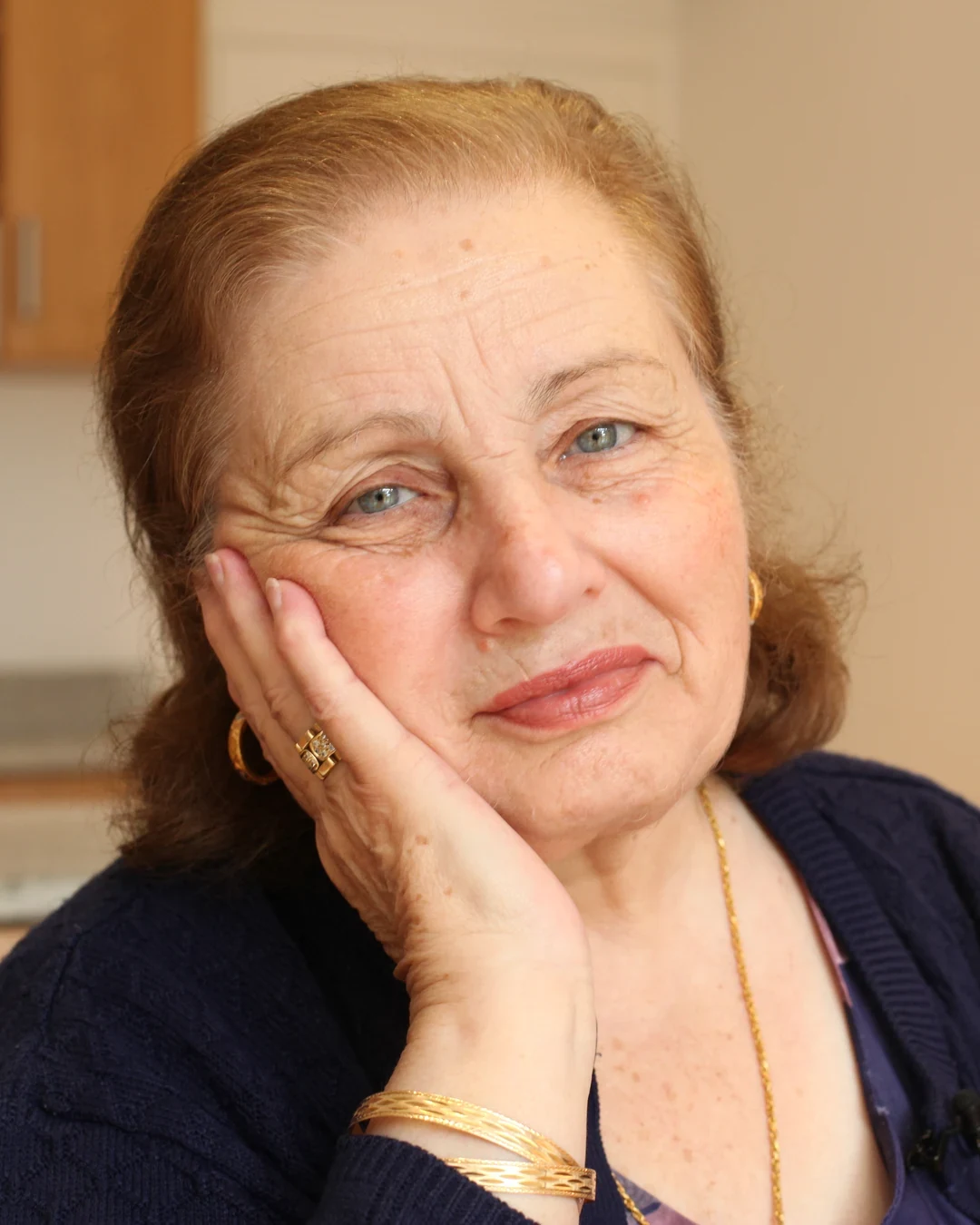
i. Biography
Lebanese home cooking, as documented by Salma Hage, is built from household transmission rather than formal staging. Born on 8 January 1942 and Lebanese by nationality, Hage learned through her mother, grandmother and in-laws, and through the food culture of the Kadisha Valley in Northern Lebanon where she grew up. The material in her books comes from that kind of training: season, family routine, inherited method and the practical knowledge of what belongs on the table.
The Climb
Professional kitchen discipline entered the work through service at ground level. Early in her career, Salma Hage worked as a Kitchen Hand in Wimbledon, south London, UK, where repetition, preparation and the unseen labour before service are the trade. The move to Head Chef at a large catering organisation in UK added responsibility at scale: production, organisation and command of a larger kitchen system. Cookbook authorship became the place where home practice and professional discipline were put into usable form. Hage became author at The Lebanese Kitchen in London (from 2012), then author at The Middle Eastern Vegetarian Cookbook in London (from 2016), author at The Middle Eastern Mezze Cookbook in London (from 2018), author at Middle Eastern Sweets in London (from 2021), and author at The Levantine Vegetarian in London (from 2024). Across those books, the field stays close to Lebanese and Middle Eastern cooking: vegetables, mezze, sweets and Levantine dishes presented as working recipes rather than museum pieces.
Today
The current practice is authorship and cooking, with Lebanese food as the base vocabulary. In Hage’s work, family instruction and ingredient-led cooking remain connected: the dishes are not separated from the households that kept them in use. The career line from Kitchen Hand to Head Chef to author shows a practical range, from prep and service to catering scale to written instruction. Sweets are treated as part of the same domestic and culinary register, not as a separate display category. “For me, sweet things represent love and care,” Hage has said. In *Middle Eastern Sweets*, that position becomes a matter of access and method: “I wanted to show that Lebanese sweets and desserts can be as simple and easy to make as rolling star-shaped cookies.” The work is to make the repertoire approachable without cutting it away from its Lebanese context.
Career - Author and cook - Kitchen Hand — Wimbledon, south London, UK - Head Chef — large catering organisation, UK - Author — The Lebanese Kitchen, London (from 2012) - Author — The Middle Eastern Vegetarian Cookbook, London (from 2016) - Author — The Middle Eastern Mezze Cookbook, London (from 2018) - Author — Middle Eastern Sweets, London (from 2021) - Author — The Levantine Vegetarian, London (from 2024)
Signature
The named dishes keep the repertoire anchored in family, pulses, grains, vegetables and sweets. Salma's signature dishes include Nan’s Kibbeh, Grandma’s eggplant dip, pistachio and apricot baklava, mujadara, and Chickpea Kibbeh. Nan’s Kibbeh and Grandma’s eggplant dip state their lineage directly; pistachio and apricot baklava sits in the sweet register; mujadara and Chickpea Kibbeh show the everyday weight carried by legumes, grains and vegetables in Lebanese cooking.
In Their Words “I wanted to show that Lebanese sweets and desserts can be as simple and easy to make as rolling star-shaped cookies.” “My family are my inspiration for the food I cook and always have been.”
Recognition
Recognition for Vegetable Cooking is aligned with the body of work. Salma's honors include James Beard Award, Vegetable Cooking category, for The Middle Eastern Vegetarian Cookbook. The award names a central strength of the books: making vegetables, grains and legumes legible within Lebanese and Middle Eastern cooking for cooks who need clear, usable recipes.
FAQ What is Salma Hage's current role? As of 2026, Salma Hage is author of The Lebanese Kitchen. What recognition has


