Chef
Sebastien Salomon
- Discipline
- Chef
i. Biography
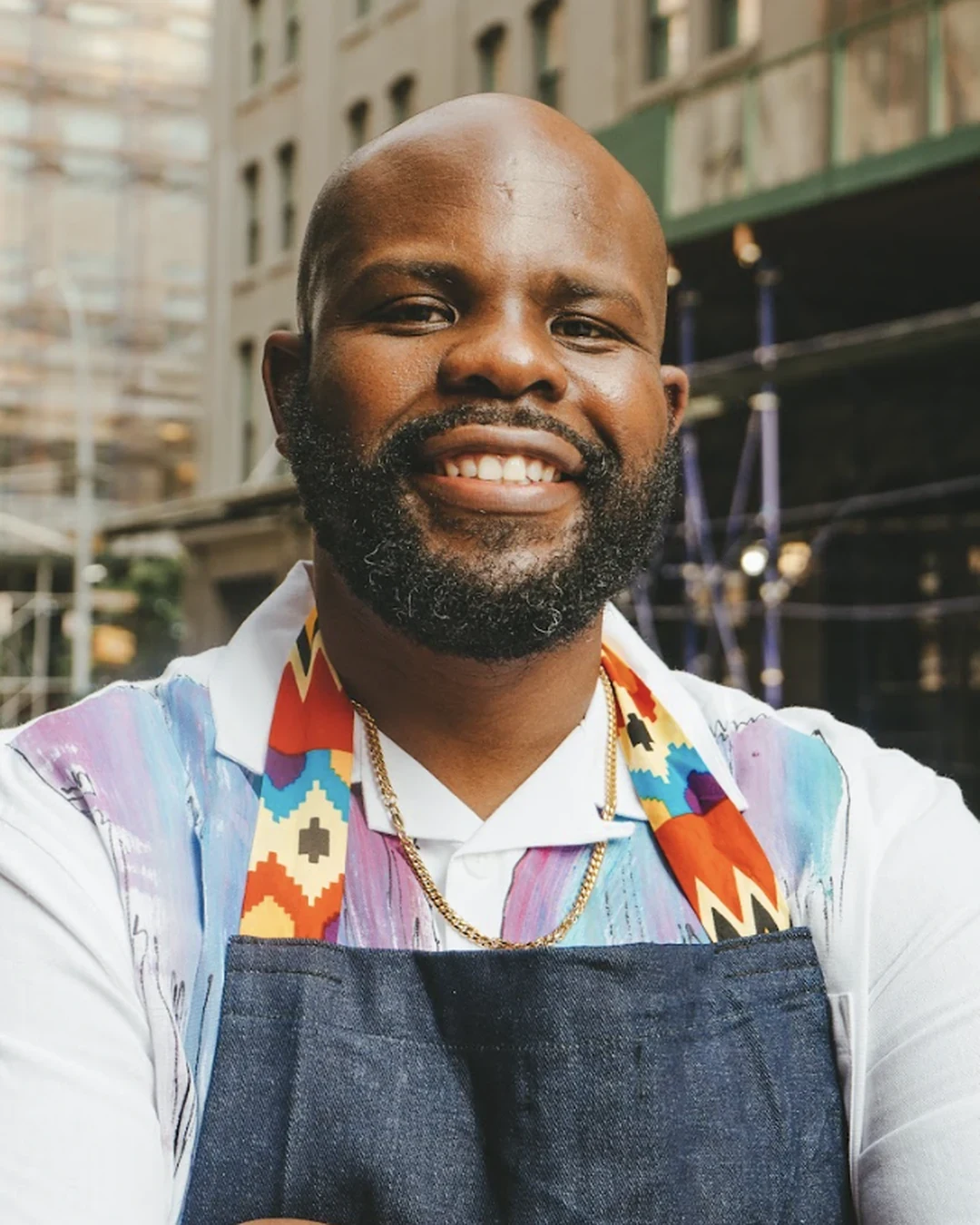
Haitian fine dining in Washington, DC, gets a defined tasting-menu platform in 2026 with Sebastien Salomon opening Itiyah. The work draws from Port-au-Prince family memory, formal culinary training, government and embassy kitchens, Gravitas DC, corporate cooking, and the operating discipline required to move between institutional service and composed restaurant work. The through-line is not biography for its own sake; it is the handling of Haitian cuisine with structure, regional attention, and fine-dining technique.
Coming Up
Formal culinary training gave early kitchen instinct a professional frame when Sebastien Salomon trained at Art Institute of Philadelphia (2011). The practical education also came through entry-level labor: he began as a dishwasher in United States, learning kitchen order through pace, repetition, heat, urgency, and the expectation that every station’s work affects service. High-volume hotel and chain restaurant kitchens built range in consistency, timing, and speed before the work moved into rooms where food also carries institutional meaning. In chef roles at Hotel and chain restaurant kitchens, Salomon developed the production habits that later supported service as head chef at The White House in Washington, D.C, and resident chef at Embassy of Haiti in Washington, D.C. Those posts placed cooking inside protocol, identity, and representation. Corporate chef work, a sous chef role at Gravitas DC in Washington, D.C, and a competitor appearance at The Food Network added further registers: scale, fine-dining pressure, and public performance. The current phase is the opening of Itiyah, where Sebastien is chef opening Itiyah (since 2026). The restaurant position brings together institutional discipline, Haitian reference points, and the controlled format of a tasting menu.
Where They Are Now
Haitian fine dining is the stated format at Itiyah, opening in Washington, DC, in 2026 with Salomon as chef. The restaurant will serve a multi-course tasting menu inspired by Haiti’s 10 regions, treating Haitian gastronomy as regional, technical, historical, and varied rather than as a single flavor profile. In his own words: "By offering guests a deeper understanding of our cuisine, we tell Haiti’s story—honoring its soul, elevating its cuisine, and defining its place in fine dining." Bread service establishes the restaurant’s method early: warm coconut milk brioche and housemade focaccia are served with truffle epis butter, roasted pepper-caramelized plantain butter, and epis oil. The structure is familiar to tasting-menu dining, but the reference points stay Haitian: epis, plantain, coconut milk, pepper, and savory aromatic fat used as the first statement of the meal. The Haitian spaghetti “explosion” converts Haitian breakfast spaghetti into a handmade raviolo with smoked herring, peppers, sofrito flavors, chorizo crumble, finger lime pearls, and cured egg yolk. The composition keeps the idea recognizable while concentrating smoke, salinity, citrus, spice, and richness inside a pasta format. Another course pairs grilled pigeon with caramelized leek and breadfruit purée, compressed sour cherry, pressure-cooked onion bulb, culantro-watercress-lime gel, and pigeon jus, using acidity, herbaceousness, root texture, and jus work to frame the bird. Modern Haitian gastronomy is the working claim at Itiyah. Salomon’s cooking is informed by personal origin, but the restaurant is organized around craft decisions: regional inspiration, composed courses, controlled service, and the translation of Haitian references into a fine-dining sequence.
Career - Chef opening Itiyah — Itiyah, 1416 11th St., NW, Washington, D.C. (2026–present) - Dishwasher — United States - Chef — Hotel and chain restaurant kitchens - Head chef — The White House, Washington, D.C. - Resident chef — Embassy of Haiti, Washington, D.C. - Corporate chef - Sous chef — Gravitas DC, Washington, D.C. - Competitor — The Food Network Education: Art Institute


