i. Biography
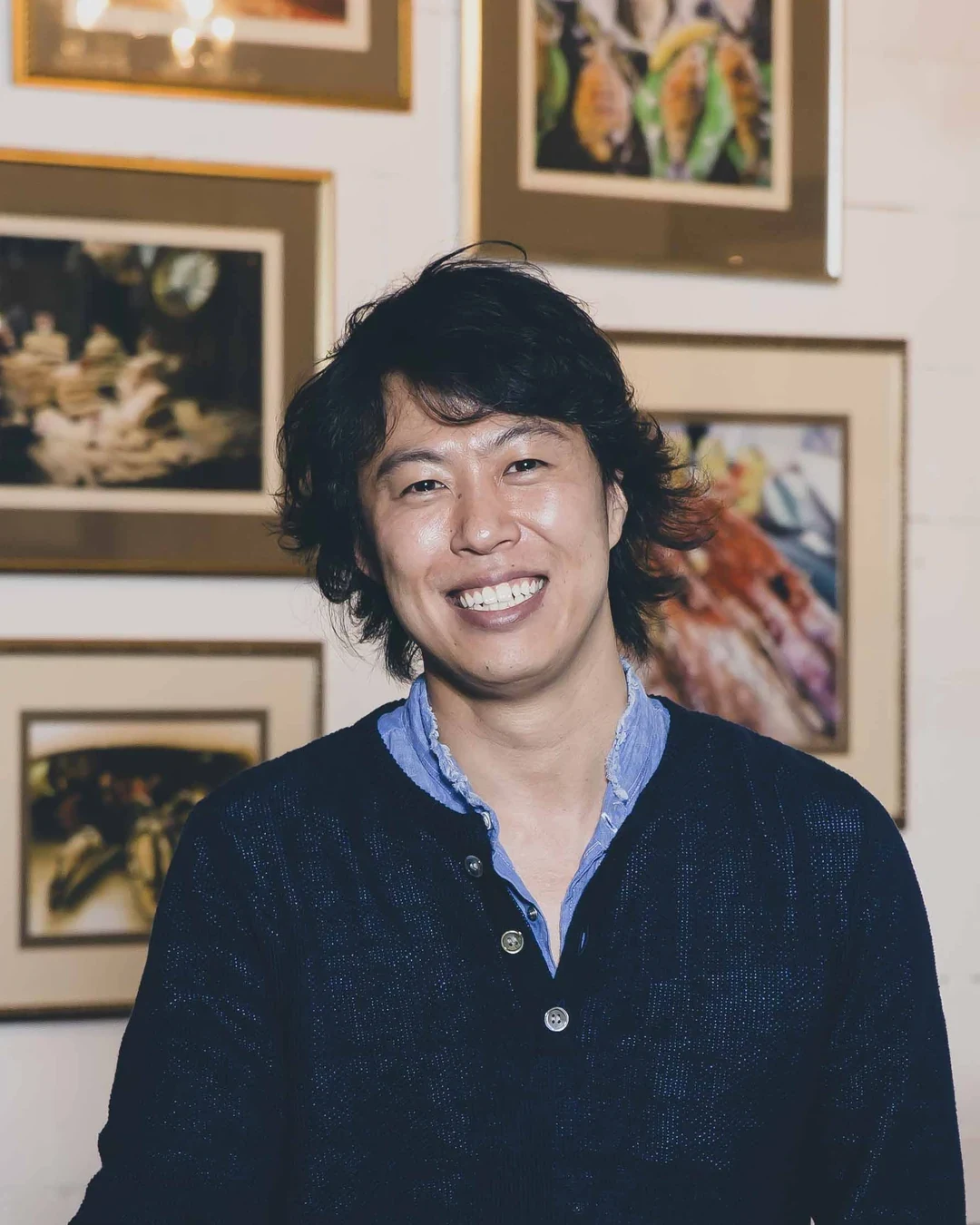
His Tokyo-Italian cooking is built on a tight exchange between Italian technique and premium Japanese produce, with seasonal ingredients flown in up to four times a week from Japan’s farms and fisheries. The work depends on freshness, timing, and restraint: a style where the day’s shipment matters as much as the method, and where each plate is shaped by what arrives in the kitchen that morning.
Coming Up
Kitchen discipline came first. Seita Nakahara started as a dishwasher at an Italian restaurant inside Hotel New Otani in Tokyo, Japan, then moved into the daily repetition of staff meals at a Shinjuku restaurant in Tokyo, Japan. Those early roles sit outside the spotlight, but they are where the practical habits of service, pace, and consistency are built. In 2010, Seita stepped into an executive chef role at Enoteca L’Operetta in Singapore, marking the point where that foundation moved into leadership. Today, Seita is chef-owner of Terra.
Where They Are Now
At Terra in Singapore, Nakahara works as chef-owner around Tokyo-Italian cuisine and the discipline of omakase. The format removes choice from the table and puts the line of trust squarely on the kitchen: “There is no menu. We have just omakase, which is leave it to the chef.” In that setting, seasonality leads, shipments set the pace, and the details of pasta, roe, citrus, and seafood are left to speak with clarity. The spaghetti with Hokkaido uni and homemade bottarga shows how preservation and freshness can work in the same frame. At Terra Tokyo Italian in Singapore, the dish is made with in-house-cured bottarga, yuzu zest, chili, olive oil, and fresh pasta. The bottarga is cured in-house using fresh mullet roe, and the point is precision rather than force: a controlled salinity against the sweetness of uni, with yuzu bringing lift rather than noise. Acqua Pazza stays close to Italian seafood logic, with poached fish and other treasures of the sea, while the scrambled egg caviar bruschetta shifts toward something lighter and crisper, topped with preserved yuzu-dressed caviar. Across those plates, the throughline is consistent: Italian structure, Japanese seasonality, and a careful handling of texture. Soft and crisp, briny and fragrant, are kept in balance rather than pushed into contrast for its own sake. For Nakahara, the restaurant’s strongest work happens in service, not in stillness. “My favorite part is the busy time, 7:00 8:00. The restaurant is full, everybody waiting for the food. When the kitchen is very busy, our team become very strong.” That view reads directly in the food: pressure is part of the craft, and the dinner rush becomes the moment when rhythm, trust, and execution have to hold together.
Career - chef-owner — Terra, Singapore - dishwasher — Italian restaurant within Hotel New Otani, Tokyo, Japan - cook for daily staff meals — Shinjuku restaurant, Tokyo, Japan - executive chef — Enoteca L’Operetta, Singapore (from 2010)
Signature
Seita's signature dishes include spaghetti with Hokkaido uni and homemade bottarga, homemade Bottarga, Acqua Pazza, and scrambled egg caviar bruschetta.
In Their Words “My favorite part is the busy time, 7:00 8:00. The restaurant is full, everybody waiting for the food. When the kitchen is very busy, our team become very strong.” “There is no menu. We have just omakase, which is leave it to the chef.”
FAQ What is Seita Nakahara's current role? As of 2026, Seita Nakahara is Chef-owner. Where did Seita Nakahara work before? Seita Nakahara's earlier career included Italian restaurant within Hotel New Otani, Shinjuku restaurant, and Enoteca L’Operetta. What recognition has Seita Nakahara received? RED-U35 top five finalist (2013).