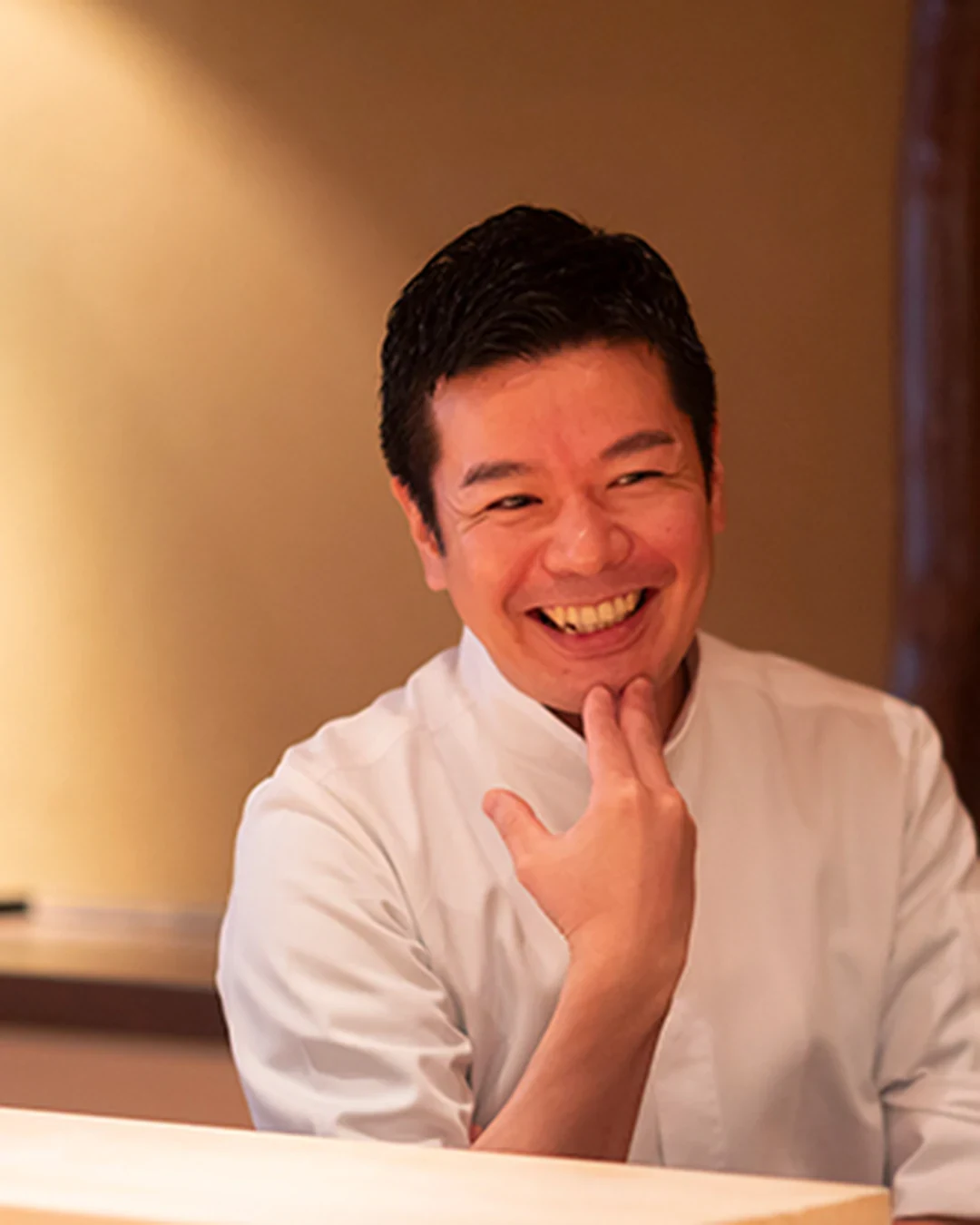
Portrait of Shingo Sakamoto
i. Biography
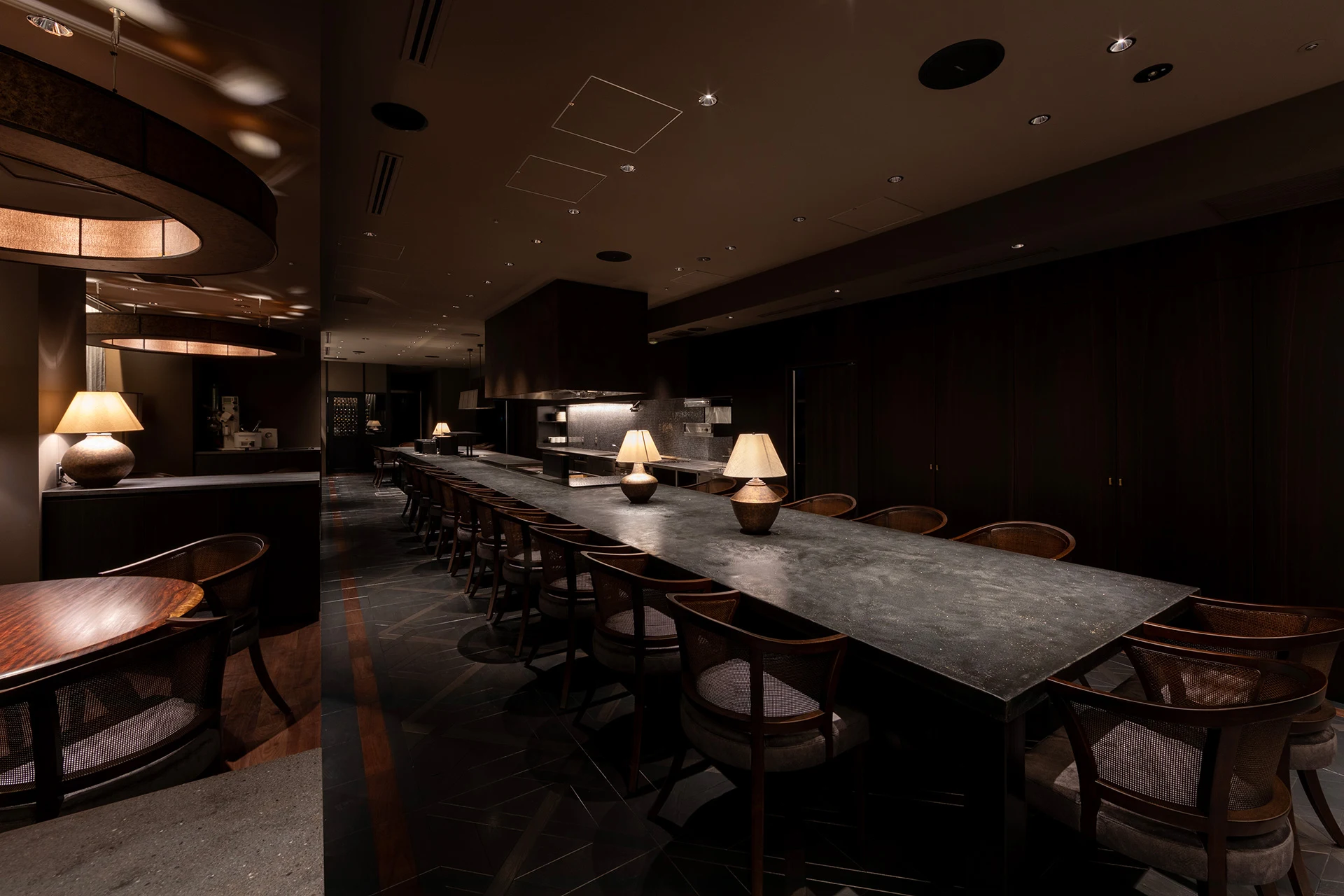
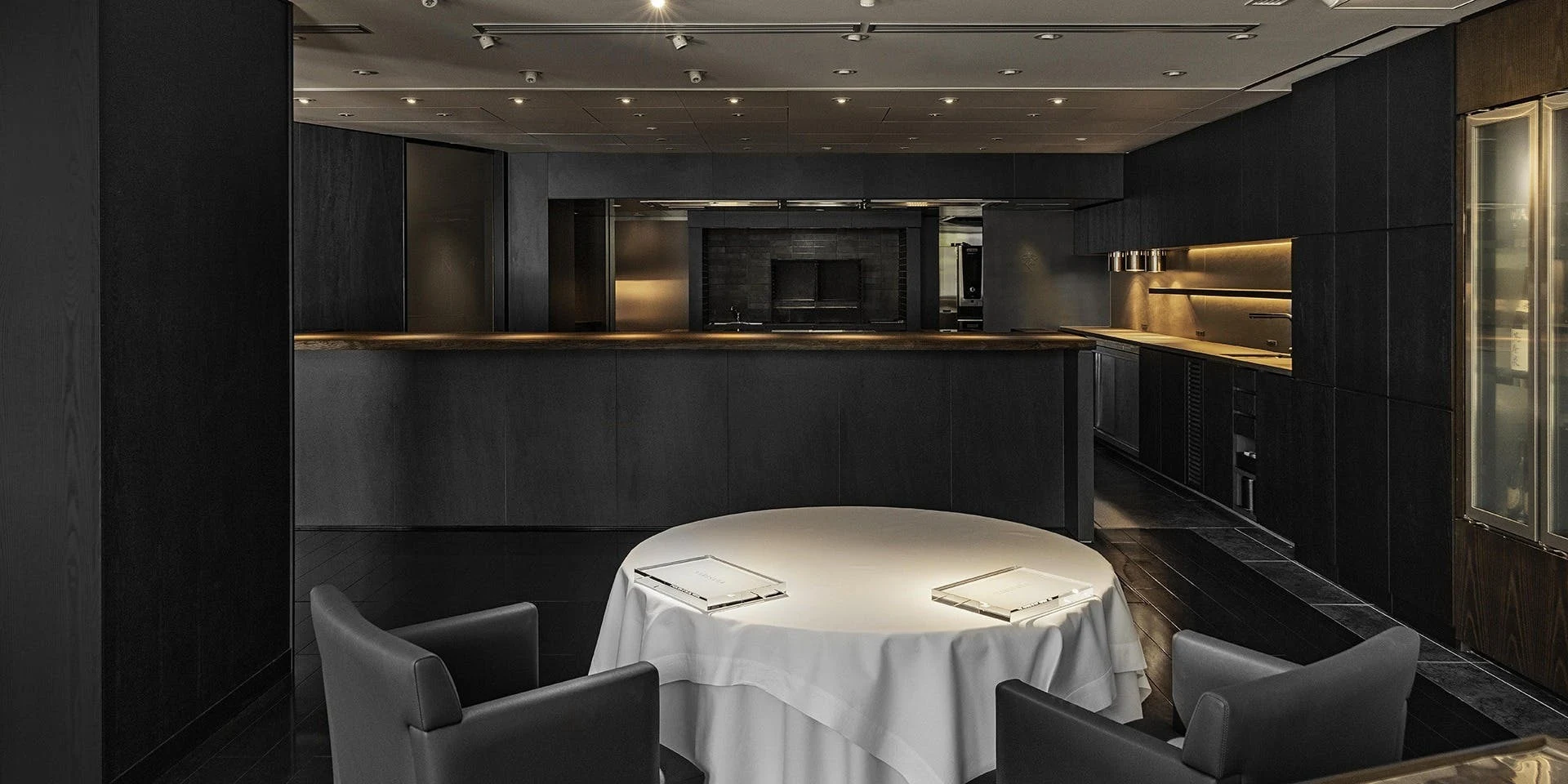
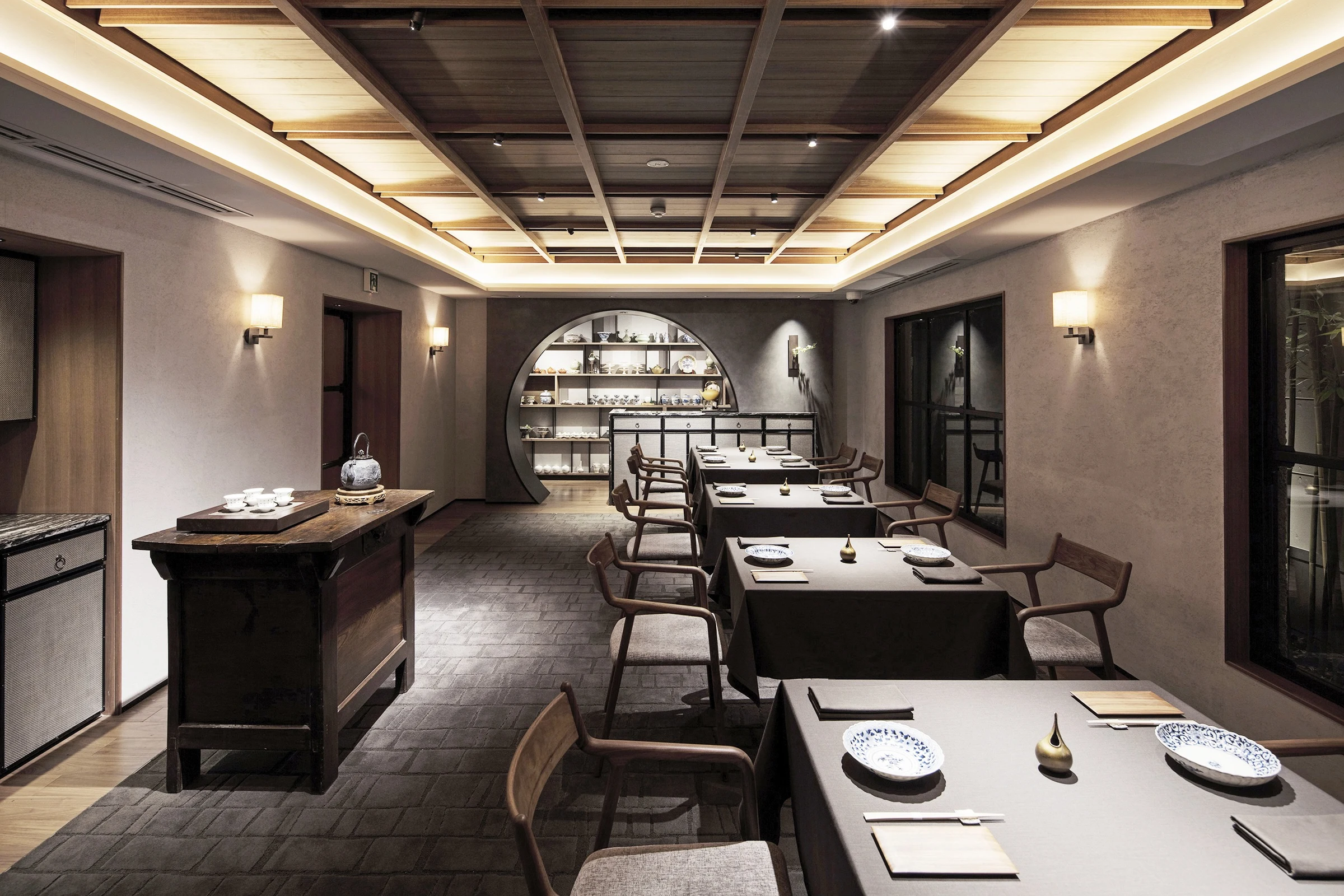
In Aoyama, Japanese cuisine is built from what the season supplies and what the kitchen chooses not to disturb. At Hakuun in Tokyo, Shingo Sakamoto works with natural ingredients sourced from producers throughout Japan, composing the meal around ingredient quality and the contact points that matter in service: texture, heat, scent, vessel, room, and timing. The register is quiet but technical. Shellfish firmness, charcoal aroma, broth temperature, bowl surface, and dining-room pace all carry information. The restaurant is defined by decisions made before presentation: how far to take heat, how much to leave untouched, and how each element meets the guest without excess signal from the cook.
The Sunday letter
Read Made By's new profiles every Sunday.
Meet the chefs, winemakers and sommeliers behind the places we cover. See a sample below before you subscribe.
See a sample of the Sunday emailOne email a week. Unsubscribe from any issue.
The Path
Formal training in Japanese cuisine depends on repetition, precision, and restraint before personal expression. At Tsujicho Culinary School, Shingo Sakamoto’s craft was grounded in that discipline, giving shape to a practice where timing, material sensitivity, and controlled handling matter as much as technique itself. Restaurant work at RyuGin placed that training inside a demanding Japanese culinary sphere. As chef there, Sakamoto worked in a context where small gestures carry weight, balance can shift with a single adjustment, and elegance often depends on what is withheld rather than added. Restaurant leadership in Aoyama, held by Sakamoto since 2021, continues that line of rigor. The progression from school to RyuGin to his own dining room reads as refinement of discipline: a cuisine quiet at the surface, but carefully composed through material, heat, service, and setting.
Current Practice
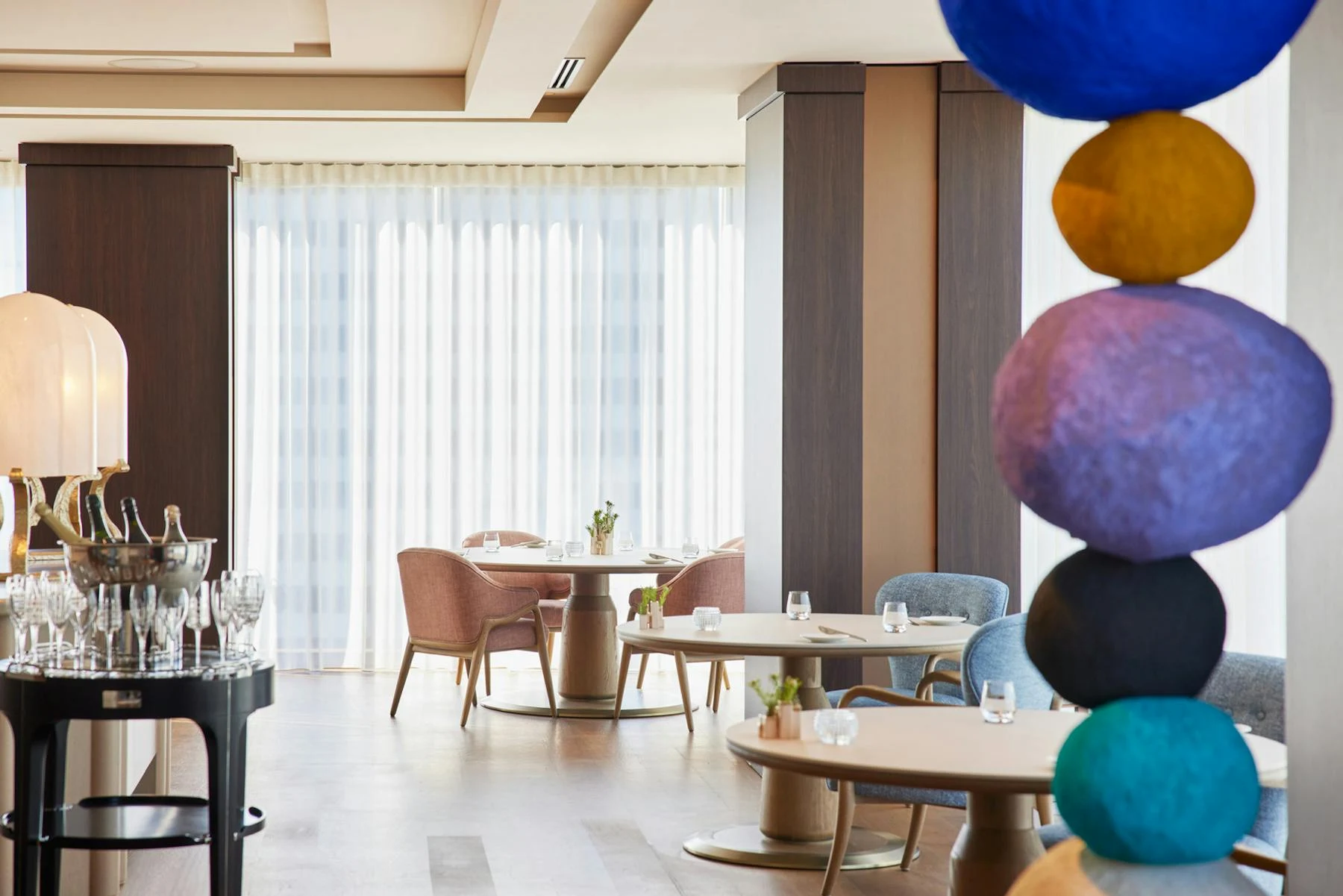
Hakuun in Tokyo is the current site of the work. Sakamoto opened the restaurant in Aoyama in 2021, naming it from a Zen poem about white clouds moving past unmoving green mountains. The name gives the kitchen a useful working frame. “If we imagine the mountains to be a metaphor for Japanese cuisine, I hope to be like these clouds that flow and change their shapes as they add to the scenery.” The fixed point is Japanese cuisine; the cook’s task is movement within that landscape, changing form without obscuring the ground. Sakamoto’s cooking is shaped as a sensory dining style. Ingredient quality, texture, temperature, aroma, tableware, presentation, and the dining space are all treated as part of the work. Natural, seasonal ingredients from producers throughout Japan are handled with the aim of allowing them to express themselves freely, rather than being forced into display. The restaurant’s highlighted dishes make the method legible. Abalone soup and charcoal-grilled bonito are noted for flavor and for the way they show ingredient quality there. The soup centers depth and clarity; the bonito brings charcoal aroma, heat, and surface into the foreground. Both point to a kitchen concerned with revealing character, not masking it. The principle is stated plainly by Sakamoto: “In our cuisine, we want the ingredients to do the talking, not the chef.” For the Aoyama dining room, that means the craft is arranged so materials register first: season, vessel, heat, scent, and room before personality.
Career - Chef — Hakuun, Tokyo (2021–present) - Chef — RyuGin Education: Tsujicho Culinary School
Accolades
Shingo Sakamoto has received MICHELIN Guide: Two MICHELIN Stars for Hakuun. Recognition for Hakuun has come through Two MICHELIN Stars, attached to the restaurant where Shingo Sakamoto is chef.
FAQ What is Shingo Sakamoto's current role? Shingo Sakamoto is chef of Hakuun. What recognition has Shingo Sakamoto received? Two MICHELIN Stars for Hakuun.
The Sunday letter
Get the next Made By profile in your inbox.
We send one email every Sunday morning with the people we profiled that week.
See a sample of the Sunday emailOne email a week. Unsubscribe from any issue.