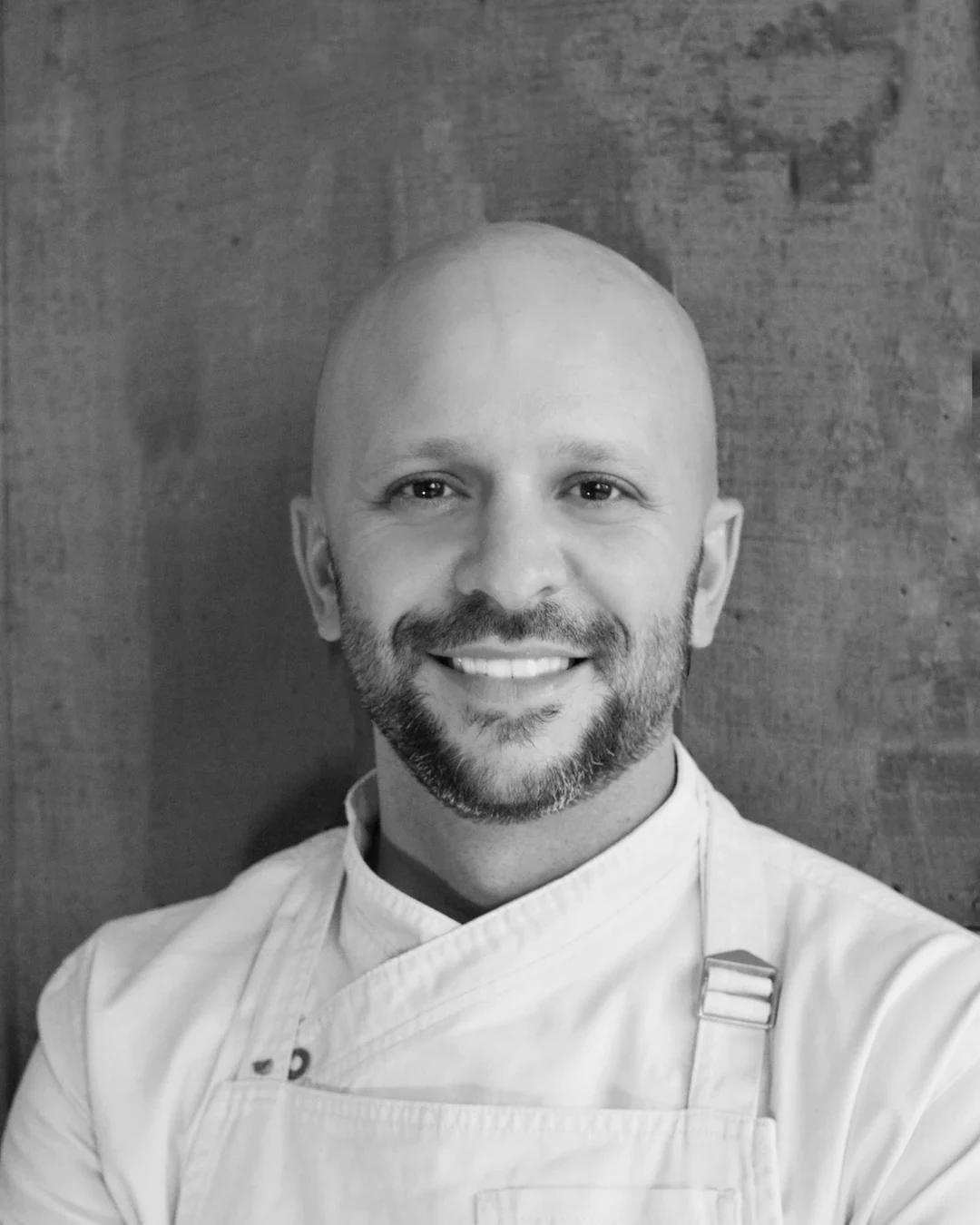
Chef
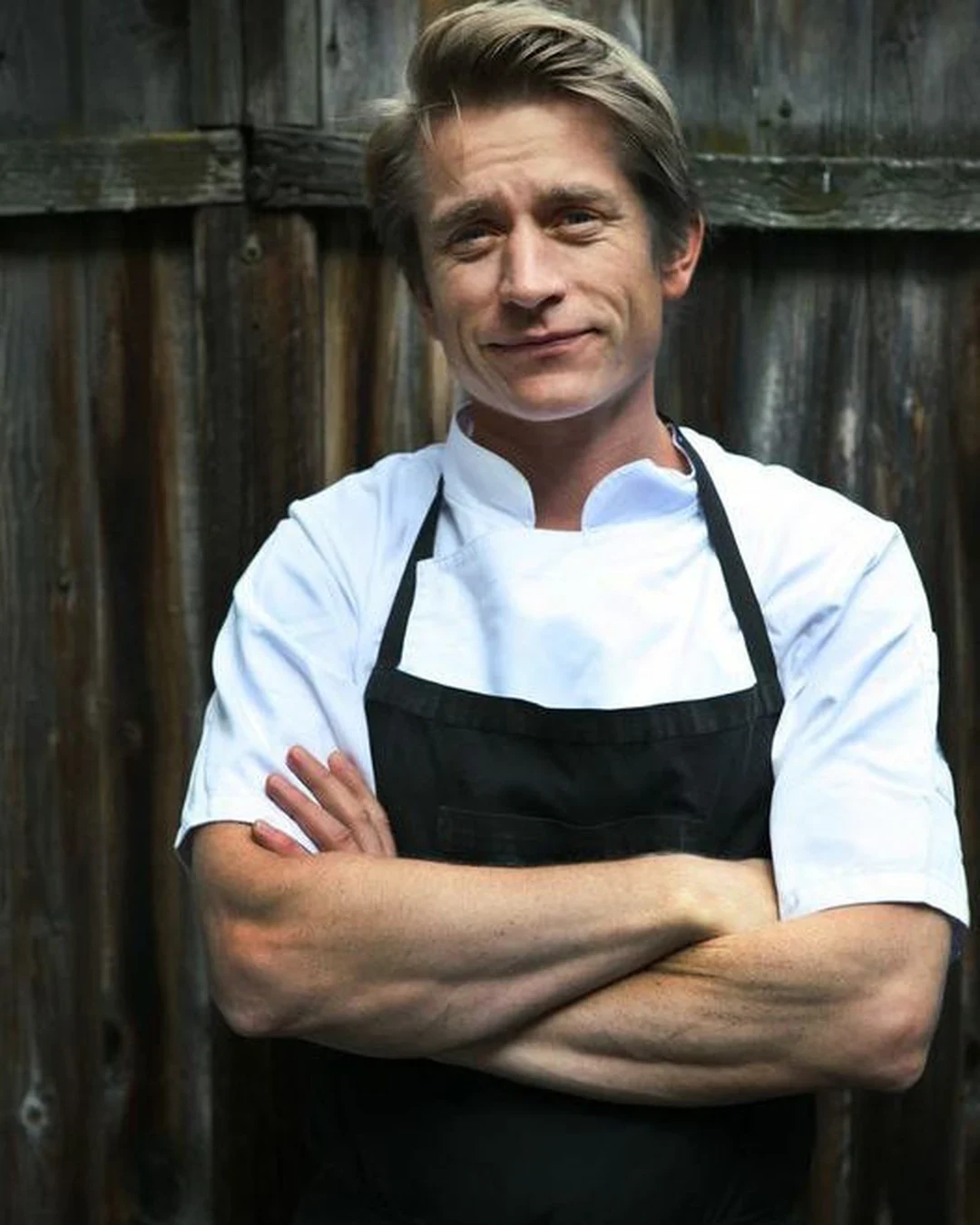
Tomas Kalika
- Discipline
- Chef
- Based in
- Buenos Aires, Argentina
Made By record
Awards & recognition
1 total
1 winner

i. Biography
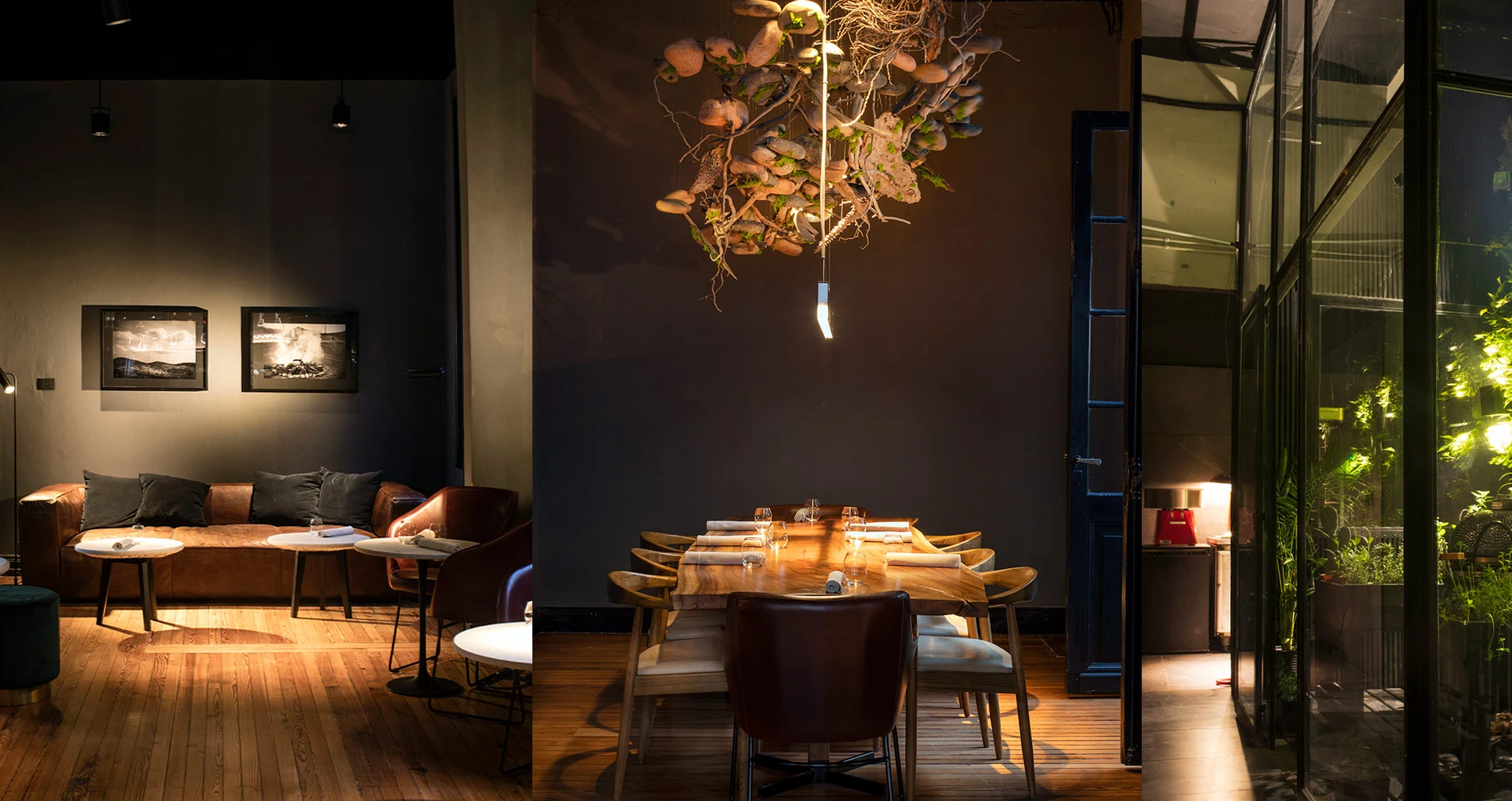
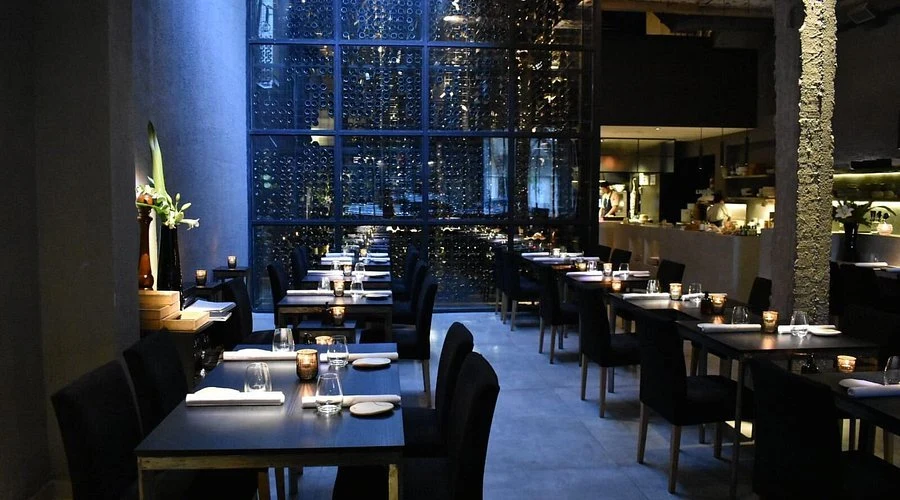
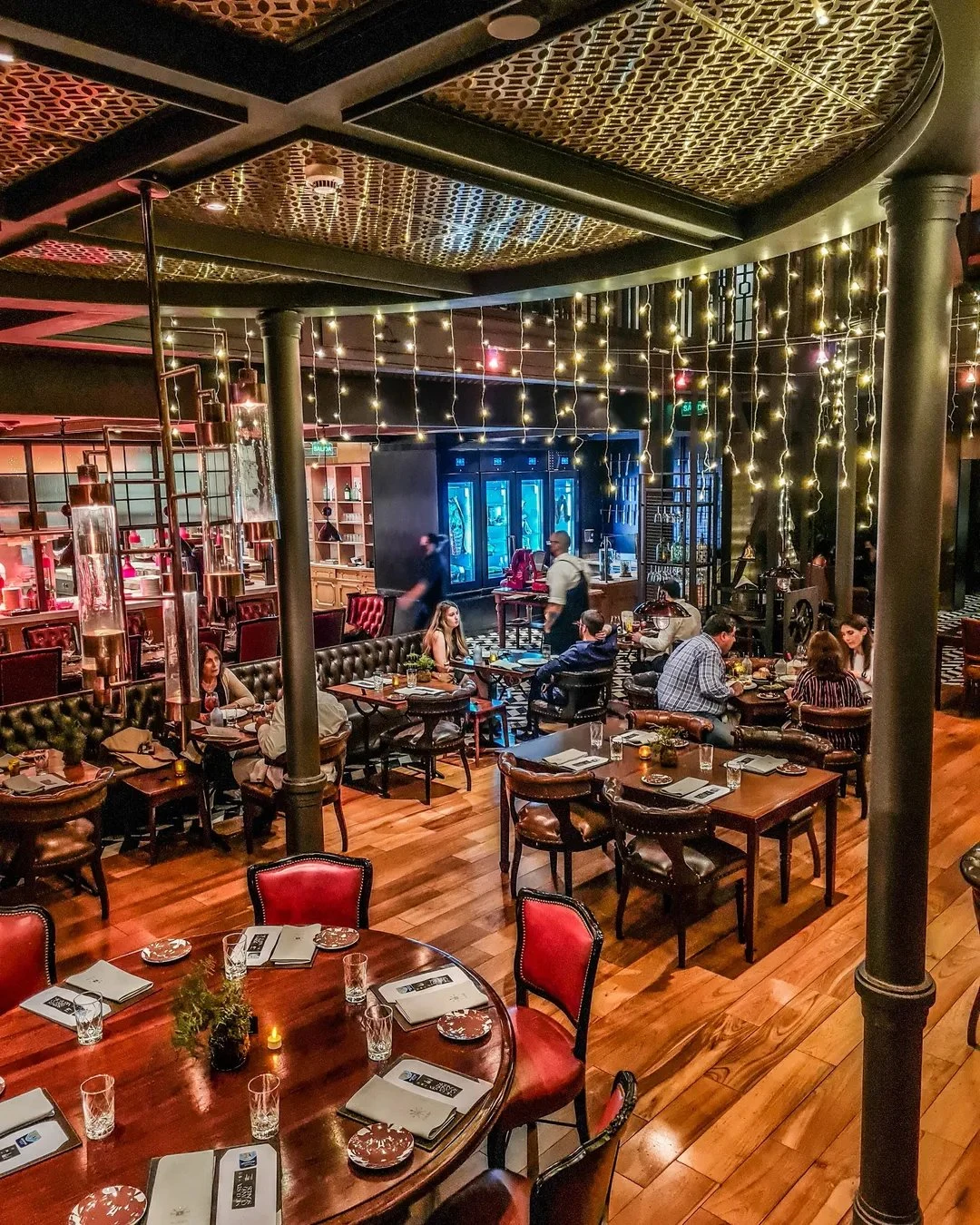
In Buenos Aires, the working material at Mishiguene is memory: Jewish immigrant cuisine, family recipes, and dishes carried across borders, then reworked with modern technique. Since 2014, chef-owner Tomas Kalika has used the restaurant to build a kitchen centered on modern Jewish cuisine and on a practical question for any tradition-based cook: how do inherited recipes stay legible, and useful, in the present?
The Path
The craft line starts at dishwashing, where Tomas Kalika first worked in Eyal Shani's kitchen in Israel. That early post placed him close to the pace and pressure of restaurant service before he moved into cooking on cruise ships, where the work demanded flexibility across changing menus, audiences, and conditions. He later became owner / chef at The Food Factory in Argentina, a step that adds another layer to a career shaped by movement and exchange rather than a single fixed kitchen culture. Since 2014, Tomas has been chef-owner of Mishiguene. The role brings together the earlier parts of the trade: discipline from professional kitchens, adaptability from service at sea, and the grounding of Argentine home cooking.
The Work Today
At Mishiguene, the focus is modern Jewish cuisine and Jewish immigrant cuisine, not nostalgia as an end in itself. The restaurant keeps inherited dishes in active use, applying current cooking techniques to recipes with older roots so they can function in a contemporary dining room. The result is less archival display than ongoing practice. The scope of the work is clear in Tomas's own framing: “The Jewish culinary map is immense and most people only know the basics.” That breadth matters to the kitchen's structure, because it places recipes, migrations, and family tables inside one working field rather than reducing the cuisine to a few familiar markers. The method is direct as well: “So at Mishiguene, we applied modern techniques to Jewish recipes from across the globe.” He also places family inheritance inside the daily operation of the restaurant: “Today in Mishiguene, we take the recipes of my grandmother Olga and also those of many others. We bring them from the past to the present to recreate them through a modern lens, with current cooking techniques.” That approach gives Mishiguene its shape: grandmother Olga, other family and community recipes, and a cooking style that treats memory as raw material. In Buenos Aires, the restaurant holds continuity and change in the same service.
Career - chef-owner — Mishiguene, Buenos Aires, Argentina (2014–present) - glass washer — Eyal Shani's kitchen, Israel - chef — cruise ships - owner / chef — The Food Factory, Argentina
Signature
Tomas's signature dishes include Borscht & Kreplach, Un flor para un mishiguene, sous-vide guefilte fish, Mi Baba Ganoush, and varenikes. Taken together, they show the restaurant's range: familiar forms, adjusted with precision, and pushed into new arrangements without losing the reference point of the originals.
In Their Words “Today in Mishiguene, we take the recipes of my grandmother Olga and also those of many others. We bring them from the past to the present to recreate them through a modern lens, with current cooking techniques.” “So at Mishiguene, we applied modern techniques to Jewish recipes from across the globe.”
Acclaim
Tomas Kalika has received Latin America's 50 Best Restaurants, Chefs' Choice Award (2019). Tomas's honors include Chefs' Choice Award and Highest Climber Award.
FAQ What is Tomas Kalika's current role? As of 2026, Tomas Kalika is Chef-owner. Where did Tomas Kalika work before? Tomas Kalika's earlier career included Eyal Shani's kitchen, cruise ships, and The Food Factory. What recognition has Tomas Kalika received? Chefs' Choice Award (2019).