Other
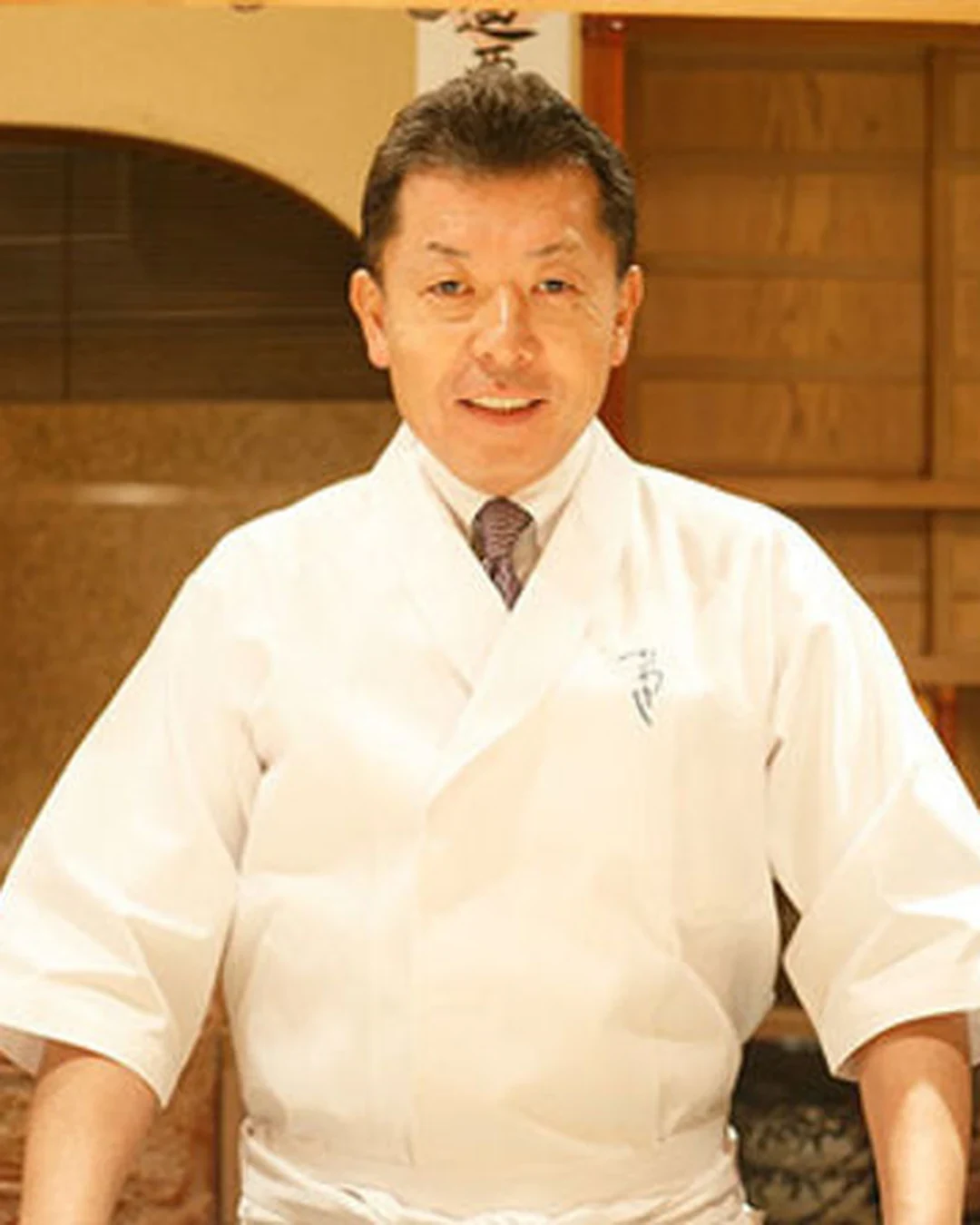
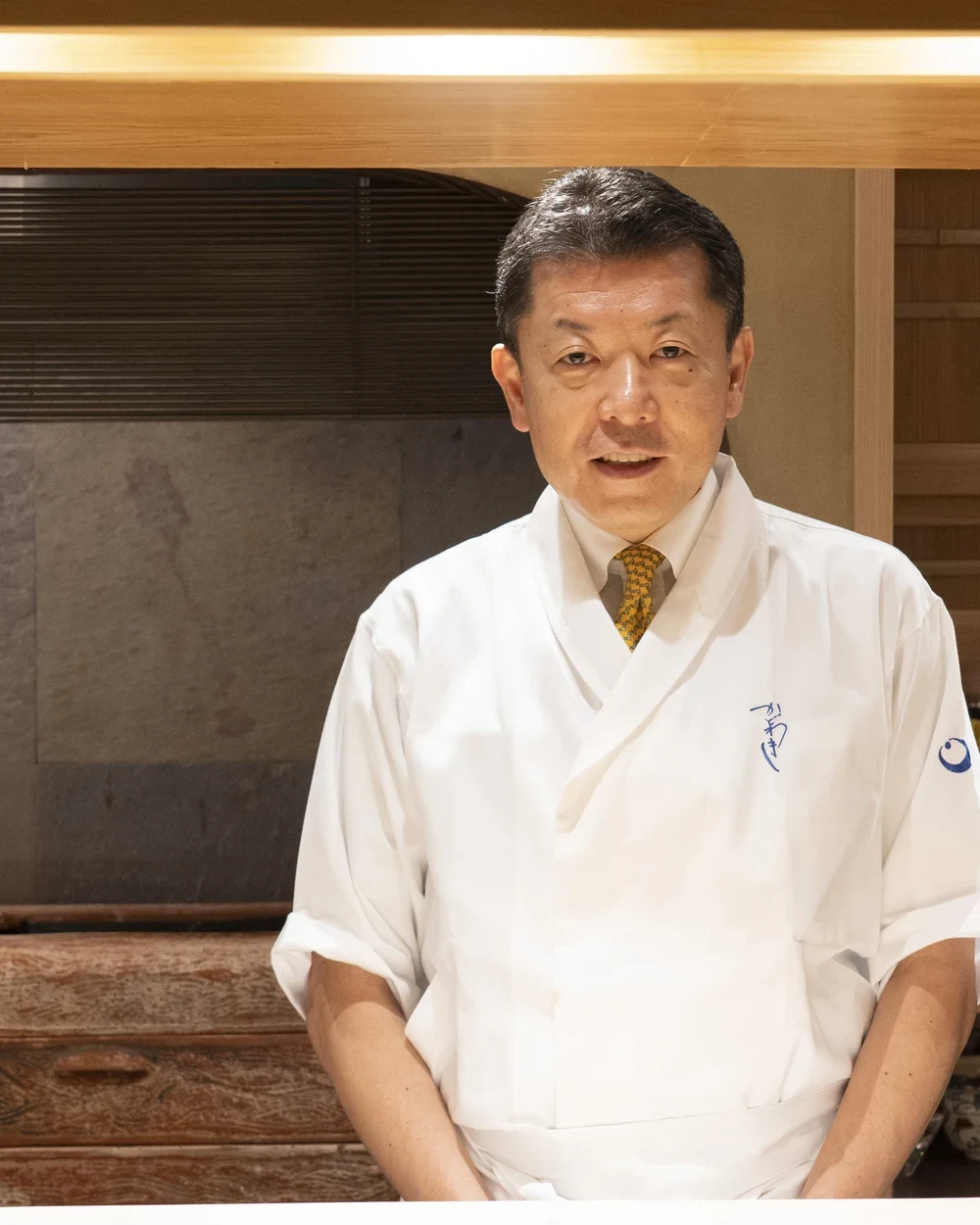
Toshima Kadowaki
Owner
- Discipline
- Other

i. Biography
At Azabu Kadowaki in Tokyo, season functions as working material rather than decoration. Matsuba crab is used when the sea offers it; matsutake mushrooms when the forest does; rice is held in clay so heat, grain, and aroma stay in relation. In Toshima Kadowaki’s kaiseki, cadence carries equal weight with cooking: presentation, fragrance, flavor, and the spirit of Japanese tea ceremony are composed as one service language. Ma—pause, space, and proportion—sets the interval between gesture and taste, giving each course room before the next one begins.
Formation
Since 2000, the authorship of Azabu Kadowaki has been tied to the owner and head chef role held by Toshima Kadowaki. The position is practical as much as formal: it is where decisions on season, pacing, presentation, and hospitality are set and maintained. The result is a Tokyo kaiseki address where the grammar of the form is observed with discipline and expressed with contemporary restraint. Kaiseki leadership depends on timing, restraint, and close reading of nature’s smaller signals. In the restaurant Kadowaki owns and directs, the work concentrates on the point when an ingredient is most persuasive, on service exactness, and on a meal structure that advances by measured exchange rather than display.
The Work Today
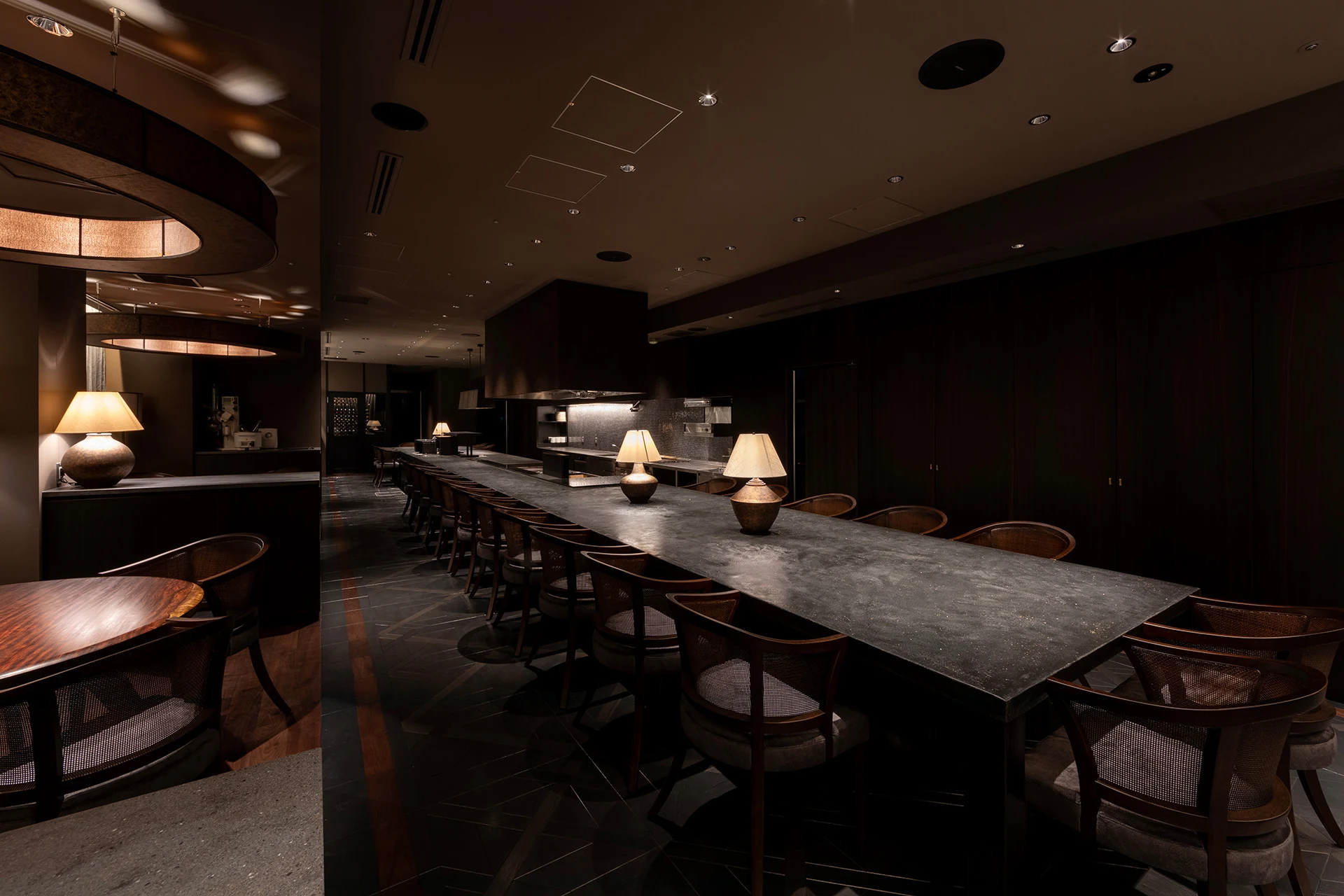
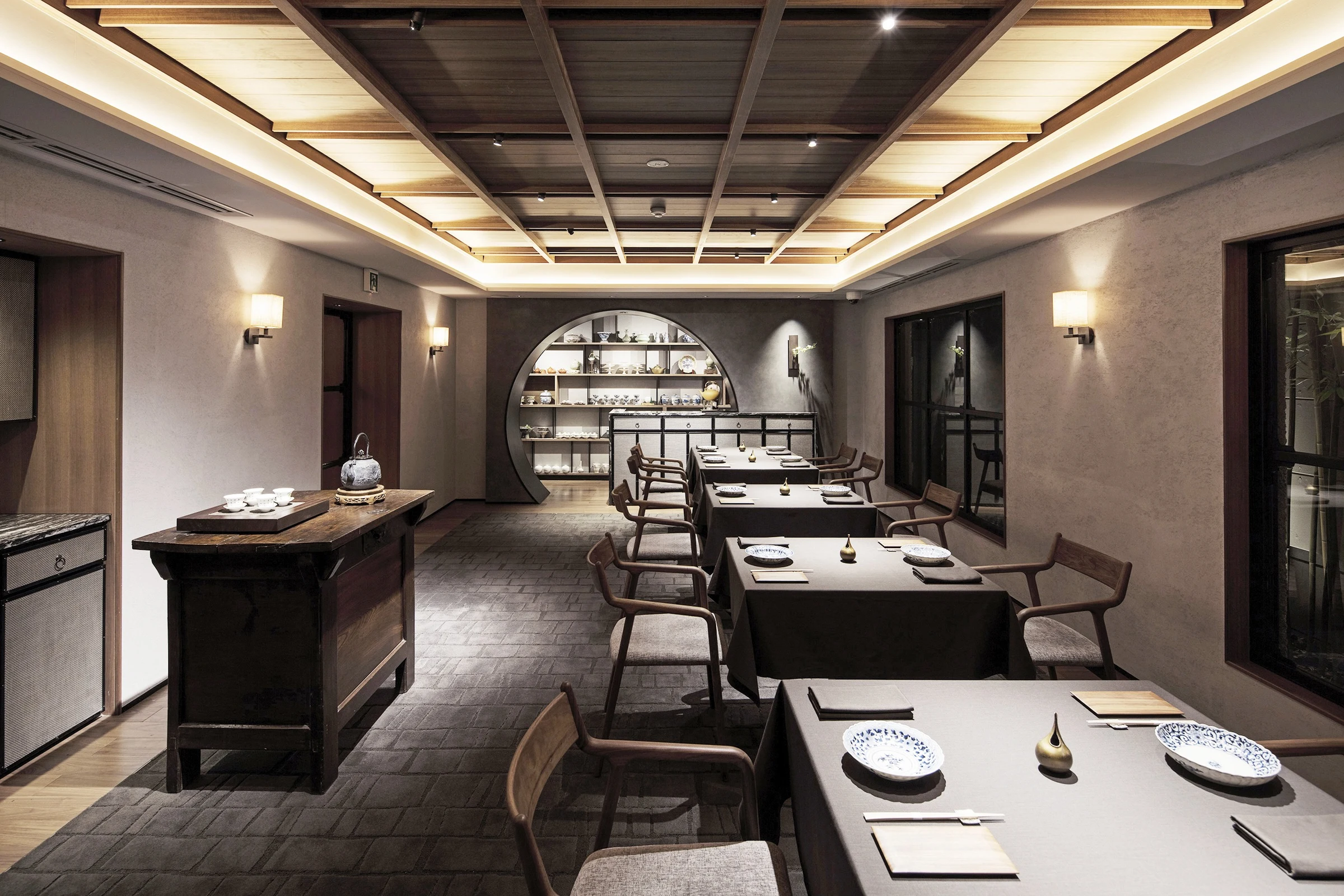
Kaiseki at the restaurant in Tokyo, Japan is organized around seasonal ingredients, precise attention to presentation, aroma, and flavor, and the spirit of Japanese tea ceremony. Toshima Kadowaki’s role as owner keeps those elements joined across room, plate, vessel, rice temperature, and the fragrance released when a lid is lifted. The composition is controlled without needing to announce itself. At the table, the work is shaped by interval as much as product. Ma—the handling of pause and proportion—gives a dish its position in the sequence. A seasonal ingredient is framed rather than crowded: matsuba crab registers the sea at its proper time; matsutake mushrooms carry forest and weather; rice held in clay becomes a carrier of aroma as well as sustenance. The progression is an arrangement of moments, not a catalogue of luxury. The restaurant is also described as upholding the idea of using food as a bridge to connect people. In this register, hospitality is not excess. It is proximity, attention, and the chef’s nearness to the guest as part of the service structure. Refinement comes through balance: the placement of a dish, fragrance arriving before flavor, and the space allowed after a bite. This kaiseki treats excess as unnecessary. Its value is in accuracy and quietness: seasonal specialties chosen for their moment, careful presentation, and a mode of hospitality that keeps the chef close to the guest. The luxury is timing, restraint, and enough confidence to let a course breathe.
Signature
Signature dishes include Truffle claypot rice. The dish sets familiar rice inside clay heat and aromatic lift, which is why it carries the restaurant’s logic so clearly. At Azabu Kadowaki, Toshima Kadowaki’s signature is not built on volume or complication; it is built on fragrance first, then texture, then the patience of heat held long enough to make the staple ceremonial.
Accolades
Recognition for Azabu Kadowaki spans international and local dining guides: Michelin Guide — 3 stars for Azabu Kadowaki (2020), Michelin Guide — 2 stars for Azabu Kadowaki (2010), Tabelog — Tokyo Hyakumaiten for Azabu Kadowaki (2025), Tabelog — Tokyo Hyakumaiten for Azabu Kadowaki (2023), Tabelog — Tokyo Hyakumaiten for Azabu Kadowaki (2021), and Tabelog — Bronze Award for Azabu Kadowaki (2019). For Toshima Kadowaki, the cited honors sit beside the restaurant’s consistent operating principles: season, aroma, presentation, flavor, and the poised spirit of Japanese tea ceremony.
Profile updated July 2026
FAQ
Asked of Toshima
What recognition has Toshima Kadowaki received?
Michelin Guide — 3 stars for Azabu Kadowaki (2020).
What is Toshima Kadowaki known for?
Kaiseki cuisine.