Chef
Ulrik Jepsen
- Discipline
- Chef
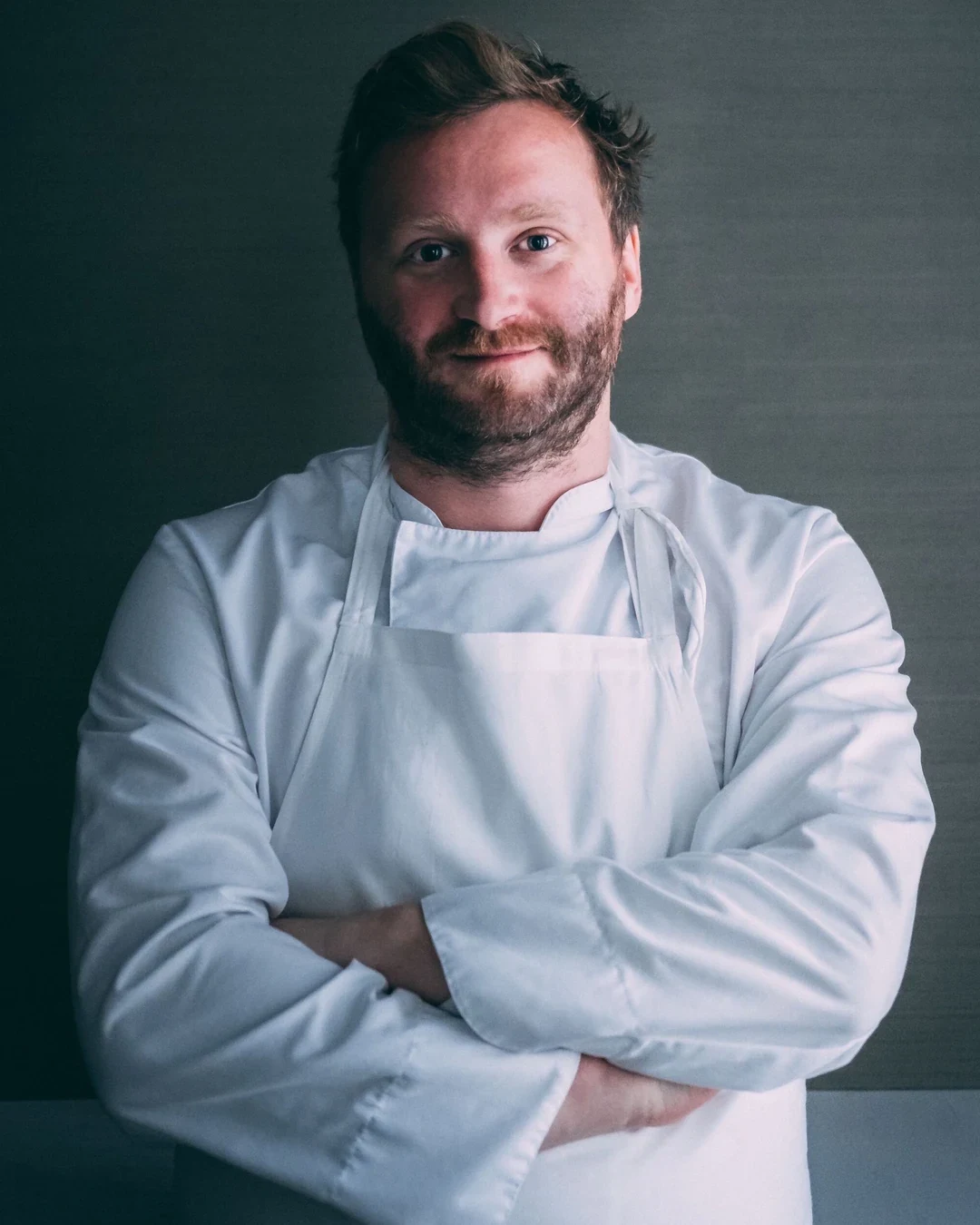
i. Biography
The Climb
Classical kitchen discipline is built through repetition under pressure: mise en place, timing, correction, and the gradual conversion of technique into reflex. Early culinary experience at Kokkeriet in Copenhagen, Denmark, Søllerød Kro in Copenhagen, Denmark, and The Waterside Inn in Bray, England gave Ulrik Jepsen that kind of formation across demanding rooms, with control and polish as the useful through-line. The chef de cuisine role at Engø gård in Tjøme, Norway placed that training closer to the Nordic landscape and its seasonal limits. In Jepsen’s later work, the relevant craft position is clear: French structure used as the frame, Norwegian seasonality used as the working material. As chef patron of À l’aise (since 2017), that background reads as a kitchen language built from service discipline, classical reference, and attention to place.
Today
Classic French gastronomy and Norwegian seasonal produce define the working lane at À l’aise. The phrase carries specific expectations for the trade: formal technique, sauce work, pressed preparations, consommé, and precise execution, applied to ingredients shaped by a northern pantry rather than by imported nostalgia. Place matters in the cooking because Norway is part of the operating context, not just the address. Jepsen describes the surrounding scene directly: “The nature blew me and my family away. It’s great to see the city bloom around us, young chefs opening up their own places. New flavors around every corner – but it is still lacking compared to Stockholm and Copenhagen.” That measure is useful. The cooking at À l’aise sits between established French grammar and a Norwegian restaurant culture still defining its range. Jepsen’s experience in Copenhagen, Denmark, Bray, England, and Tjøme, Norway gives the comparison some weight: the work looks outward for standards and inward for produce, season, and setting.
Career - chef patron — À l’aise, Oslo, Norway (2017–present) - culinary experience — Kokkeriet, Copenhagen, Denmark - culinary experience — Søllerød Kro, Copenhagen, Denmark - culinary experience — The Waterside Inn, Bray, England - chef de cuisine — Engø gård, Tjøme, Norway
Signature
Signature dishes include Canard à la Presse and Wild boar ravioli in mushroom consommé. The vocabulary is classical and explicit: pressed duck as tableside-era technique and discipline; game in pasta work; consommé as a test of extraction and clarity. In Jepsen’s kitchen, these names point to tradition used as a working framework rather than decoration.
In Their Words “Creative and innovative! It’s great to see the city bloom around us, young chefs opening up their own places. New flavors around every corner – but it is still lacking compared to Stockholm and Copenhagen.” “Childhood memories with my family. Walking through the markets in Provence, the warm smells of freshly baked goods and the stunning ingredients.”
Recognition
Ulrik Jepsen has received Michelin Guide — One Michelin star for À L’aise (2023).
FAQ What is Ulrik Jepsen's current role? Ulrik Jepsen is Chef patron. Where did Ulrik Jepsen work before? Earlier in their career, Ulrik Jepsen worked at Kokkeriet, Søllerød Kro, and The Waterside Inn. What is Ulrik Jepsen known for? He works at the intersection of classic French gastronomy and Norwegian seasonal produce.


