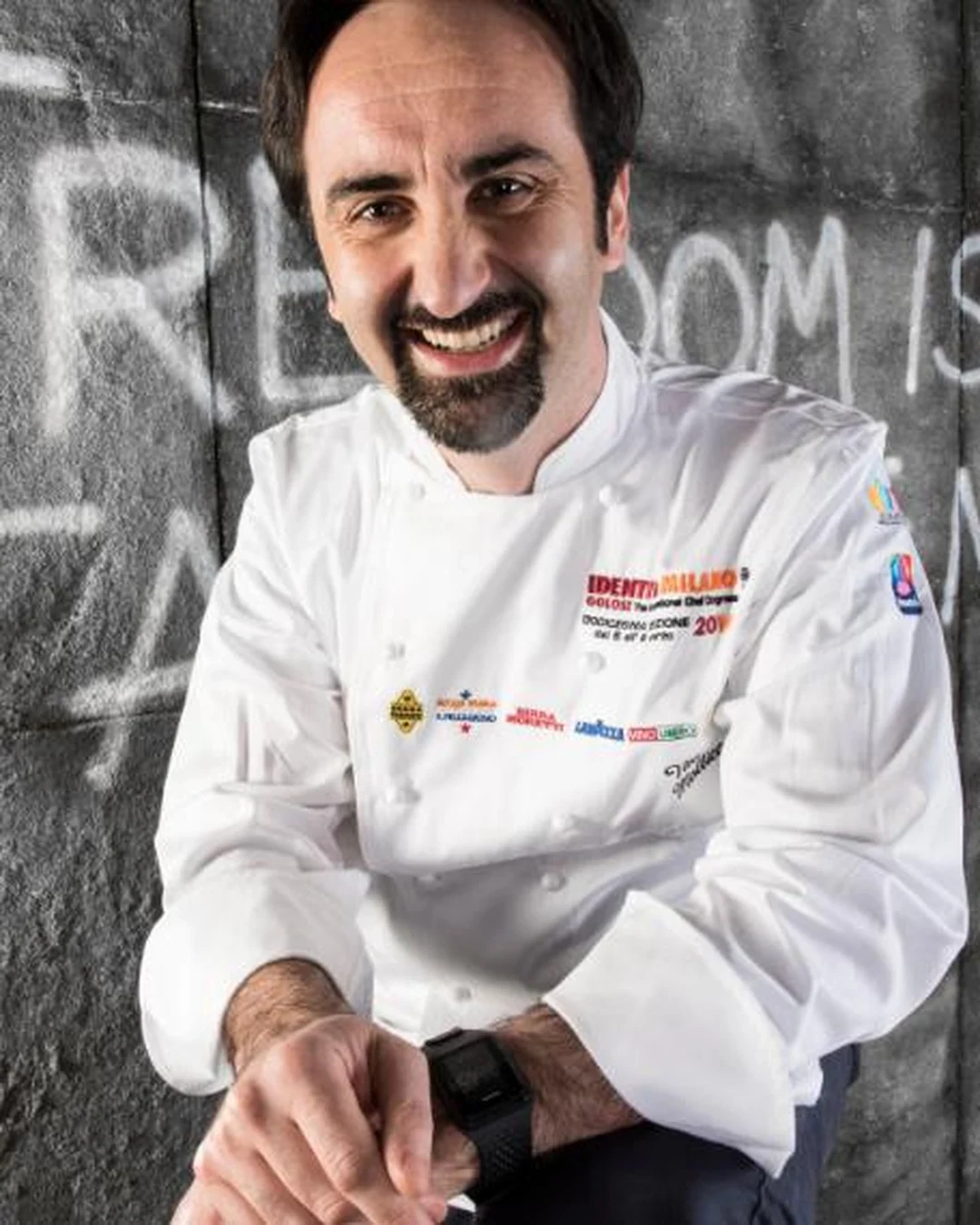
Portrait of Vito Mollica
i. Biography
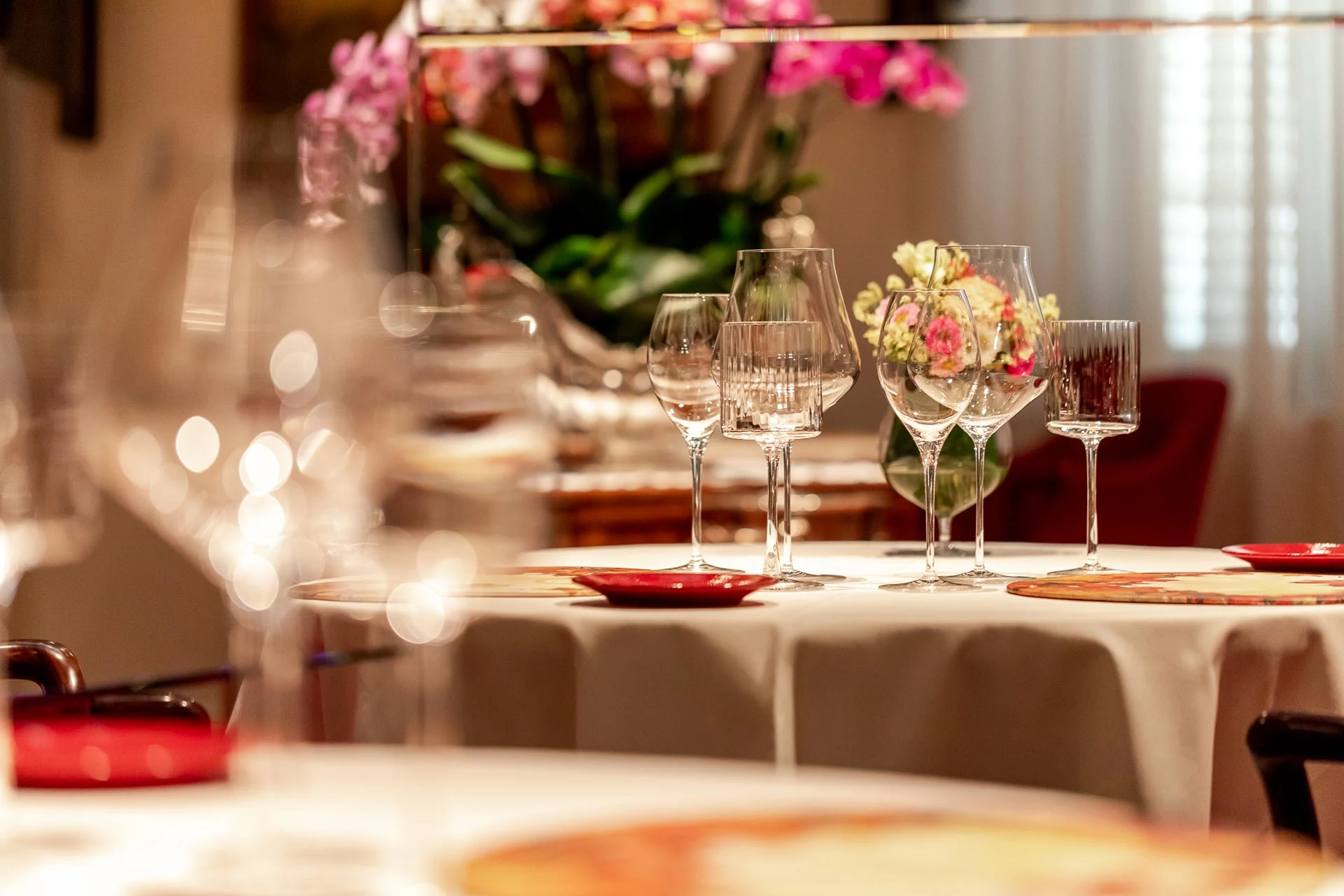
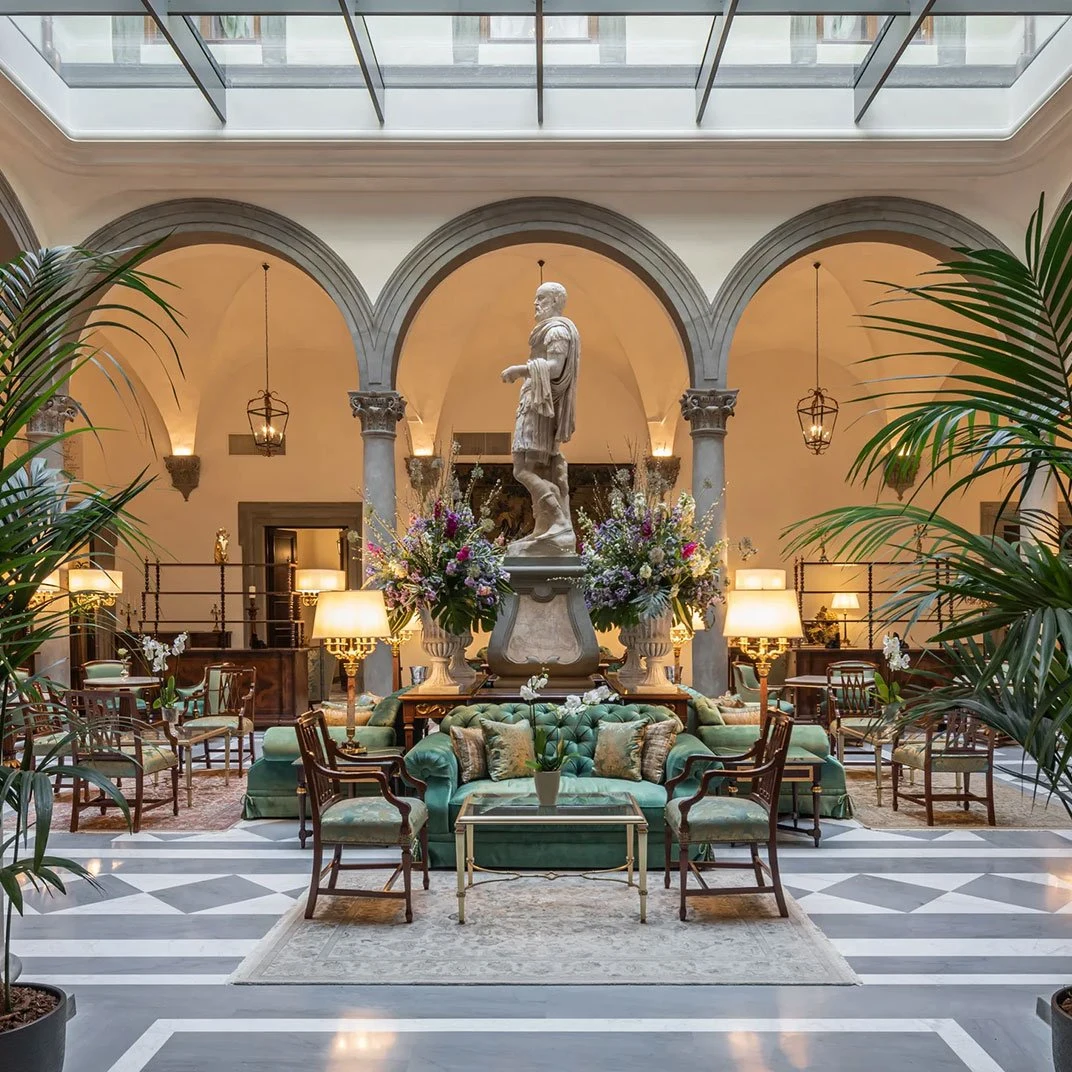
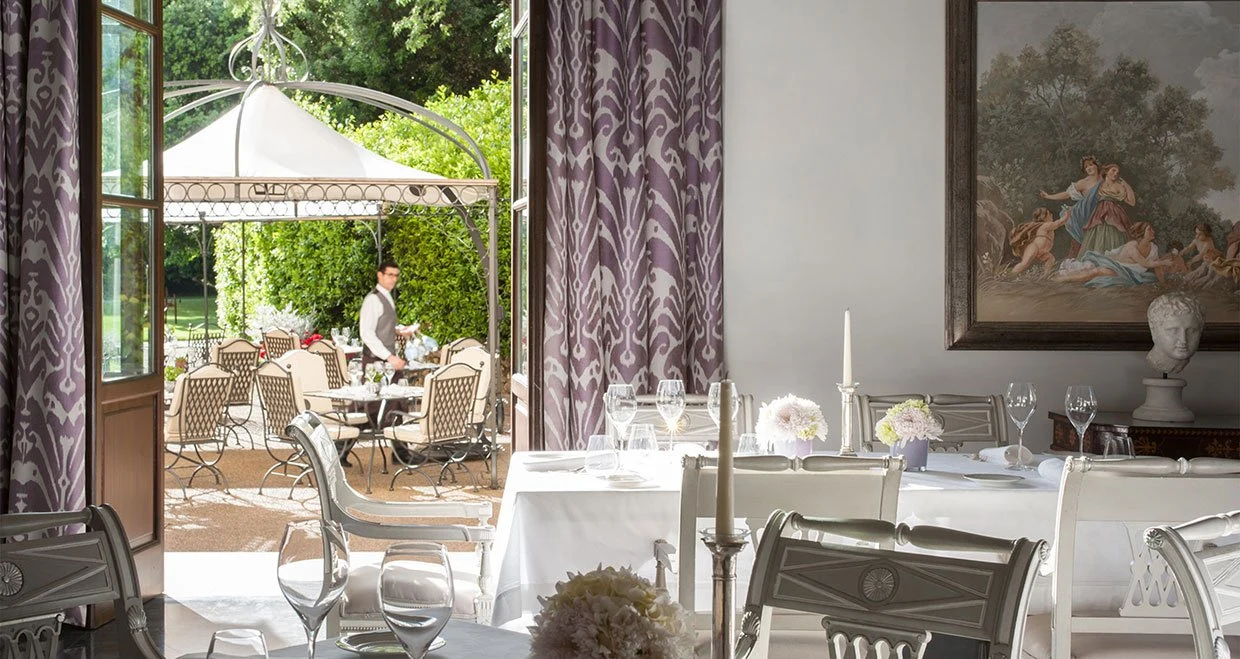
In Florence, inside Palazzo Portinari Salviati, the cooking at Atto di Vito Mollica works from a clear Italian grammar: first courses built with intent, rice handled as a central craft rather than a support, fish kept within a restrained register, and pork presented through recognizable regional material. Quality is assigned to the ingredient before technique is asked to carry the dish. The Renaissance setting of Palazzo Portinari Salviati gives the room scale, but the kitchen’s obligations remain practical: selection, seasoning, proportion, and appetite. In Vito Mollica’s work, hotel discipline and Italian product culture meet in dishes that depend on season, producer, and a controlled finish rather than ornament.
The Sunday letter
Read Made By's new profiles every Sunday.
Meet the chefs, winemakers and sommeliers behind the places we cover. See a sample below before you subscribe.
See a sample of the Sunday emailOne email a week. Unsubscribe from any issue.
The Climb
Hotel cooking at the Four Seasons Group in Milan, where Vito Mollica joined in 1996, required precision across both kitchen and service culture. The craft lesson was refinement made repeatable: food with polish, delivered inside a hospitality structure where consistency matters as much as welcome. Opening work at the Four Seasons property in Prague, where Mollica moved in 2000 and helped open the hotel and create its restaurant, called for a different discipline. A restaurant built from the start needs standards translated into daily systems, then shaped into a dining room with its own operating identity. Florentine fine dining at Il Palagio at the Four Seasons Hotel in Florence, where Mollica became head in 2007, demanded a balance between place and polish. In that role, the cooking had to carry Italian reference points while meeting the expectations of an international hotel dining room. The move to Chic Nonna, Palazzo Portinari Salviati in Florence, opened by Mollica in 2021, placed the same Italian register inside a Renaissance palazzo. Today, Vito is chef of Atto di Vito Mollica, Palazzo Portinari Salviati.
Today
Atto di Vito Mollica at Palazzo Portinari Salviati in Florence works in a composed contemporary Italian register. The cuisine is structured around recognizable materials and the pleasure of a dish that reads clearly: ingredient, technique, seasoning, and finish kept in proportion. The menu states that method through named plates: Tagliatelle "Paglia e Fieno" con Cibreo di Cortile, Risotto Caprese con Scampi Marinati, San Pietro in Crosta di Cipolla, and Maialino da Latte di Cinta Senese. Pasta, rice, fish, and pork are treated as primary forms, each carrying its own technical demands and its own expectations at the table. Those dishes show the kitchen’s working field: scampi, onion crust, courtyard cibreo, and Cinta Senese suckling pig. They also mark Mollica’s continued attention to first courses, the sea, and sourcing as the base condition of the plate rather than a marketing layer added afterward. The stated philosophy puts invention inside seasonality. As Mollica says: "Every time of year is an opportunity to invent something new, starting with what nature and our indefatigable producers have to offer." For a working kitchen, that means the new dish begins with what the season and producer make available, then moves through judgment and craft.
In Their Words “Every time of year is an opportunity to invent something new, starting with what nature and our indefatigable producers have to offer.”
Career - Chef — Atto di Vito Mollica, Palazzo Portinari Salviati, Florence - Joined the Four Seasons Group — Four Seasons Group, Milan (from 1996) - Helped open the Prague property and create its restaurant — Four Seasons property, Prague (from 2000) - Head of Il Palagio — Il Palagio at the Four Seasons Hotel, Florence (from 2007) - Opened Chic Nonna — Chic Nonna, Palazzo Portinari Salviati, Florence (from 2021)
Recognition
Vito Mollica has received one Michelin star for Atto di Vito Mollica (2023). Recognition for the work includes a Michelin star for Il Palagio (2011).
FAQ What is Vito Mollica's current role? Vito Mollica is Chef of Atto di Vito Mollica. Where did Vito Mollica wor


The Sunday letter
Get the next Made By profile in your inbox.
We send one email every Sunday morning with the people we profiled that week.
See a sample of the Sunday emailOne email a week. Unsubscribe from any issue.