James Beard Award winner
Zak Pelaccio
- Discipline
- James Beard Award winner
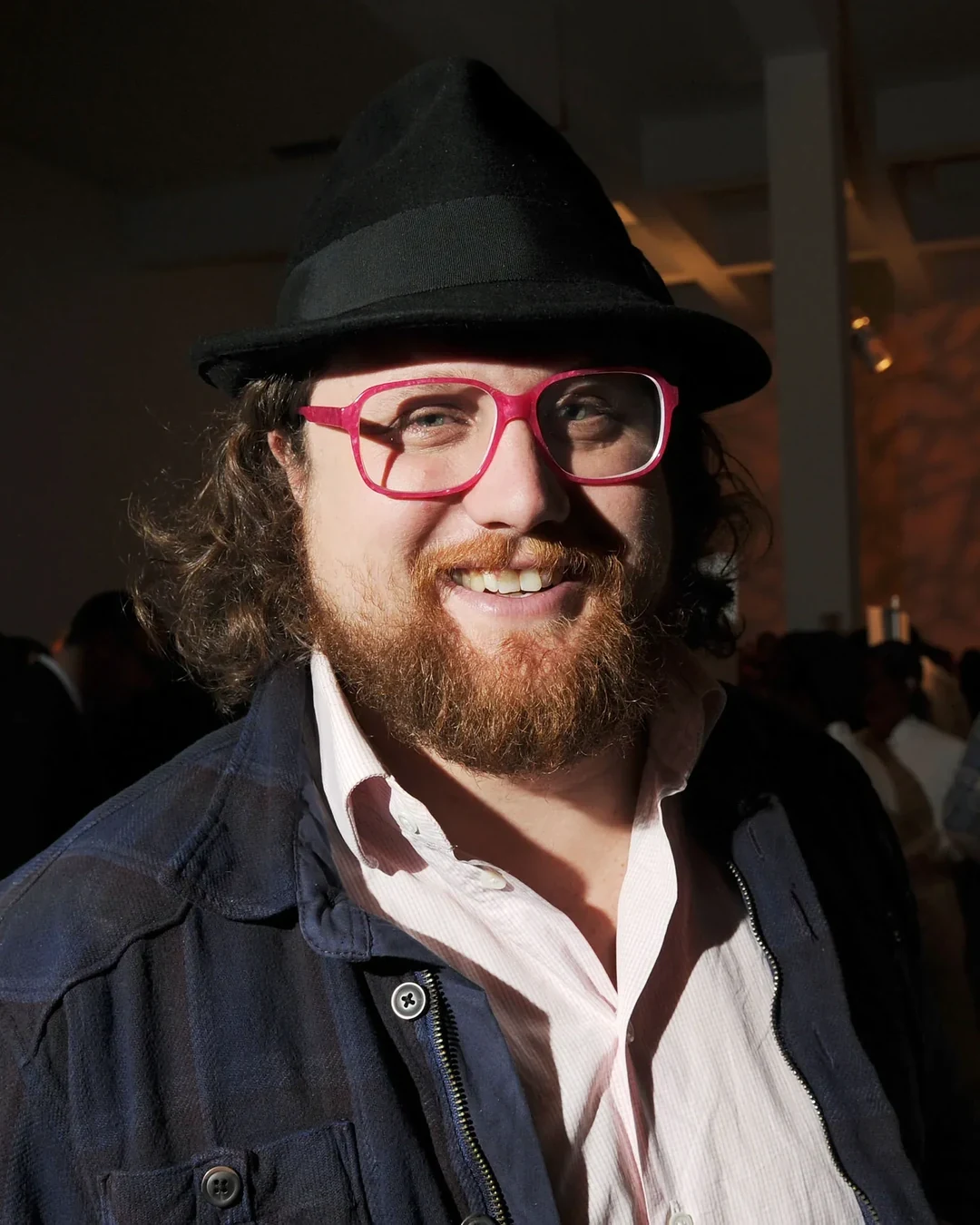
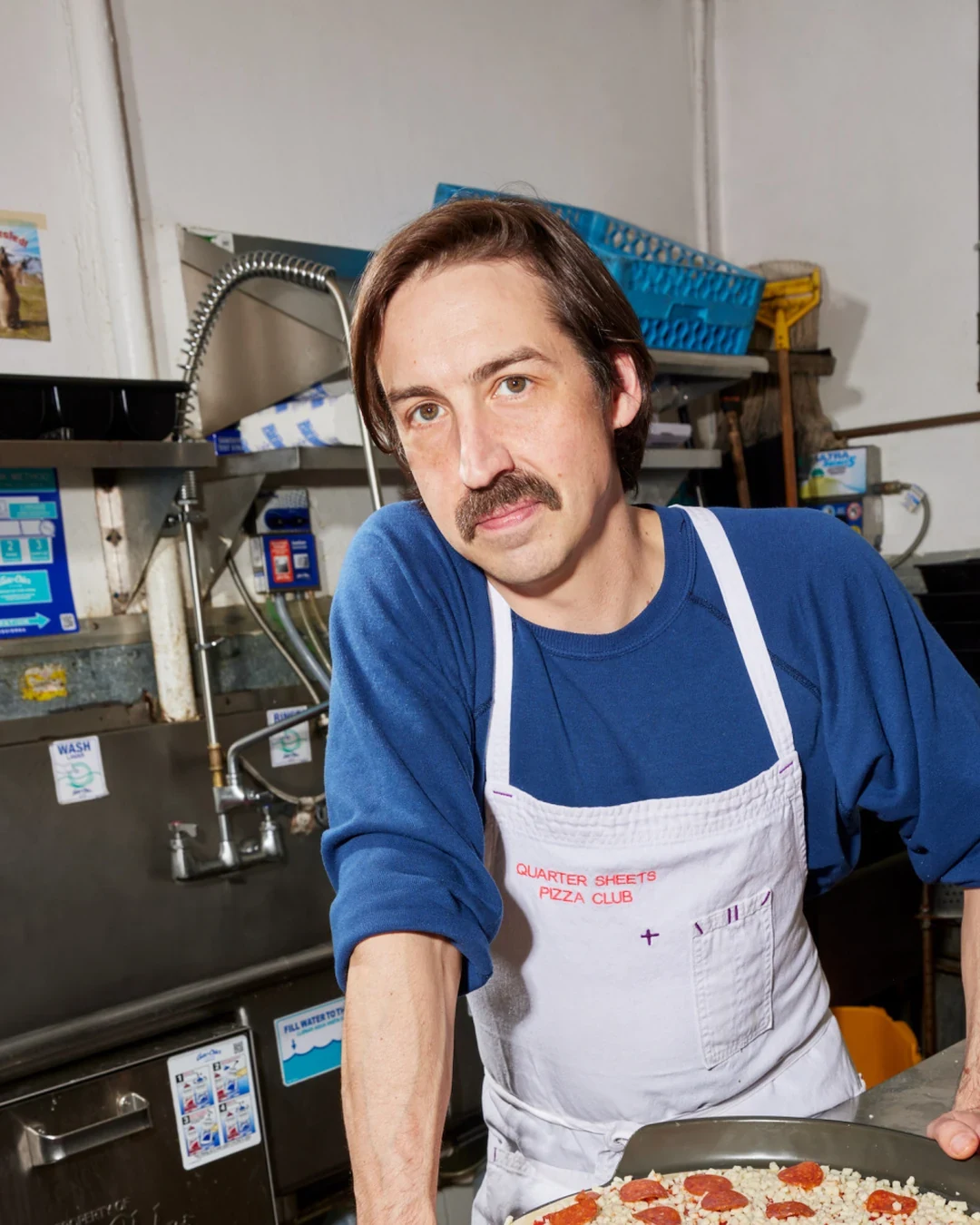
Portrait of Zak Pelaccio
i. Biography
The working rule is plain: “I never want to cook the same thing twice.” In Zak Pelaccio’s cooking, that line functions as method rather than posture. Repetition is treated as a risk when heat, smoke, spice, acid, and appetite are the active variables. The work sits between formal training and street-level appetite, with technique used to keep the food direct rather than polished into distance.
The Sunday email
Get new Made By stories every Sunday.
Every Sunday we send a lead story and up to four more about the chefs, winemakers, sommeliers and hoteliers behind the restaurants, bars, wineries and hotels we cover.
Recent stories
Free. One email a week, and you can unsubscribe from any issue.
The Path
Professional structure came first through training at French Culinary Institute, where Zak Pelaccio grounded his cooking in the discipline of the trade. The next point was Kuala Lumpur, Malaysia, working as a cook at Seri Melayu. Writing extended the same register onto the page with Eat With Your Hands (from 2012). The title states a practical position: food is not only plated composition, but touch, sauce, bone, smoke, richness, and the acid or spice that cuts through it.
In Pelaccio’s case, the book sits close to the cooking—physical, direct, and resistant to unnecessary ceremony. The restaurant work has moved through several frames: Fatty Crab (since 2005), Fatty 'Cue (since 2010), Fish & Game (since 2013), and Bakar at BackBar (since 2016). Read together, those roles show a vocabulary built around punch, fire, smoke, focus, and compact force. The through-line is not a fixed style to be repeated, but food that stays responsive to appetite, place, memory, and the conditions of the day.
The Work Today
Creative constraint is central to the way this cooking is described. Pelaccio’s own line—“Resourcefulness is a prerequisite for the job. Most creative people need parameters in which to be creative.”—puts limits in their proper place: ingredients, technique, circumstance, mood, fire, and pan are not obstacles but the working field. That is a cook’s formulation, not a branding exercise. The recurring materials are spice, smoke, acidity, char, crunch, and sauce, handled with enough looseness to keep the food alive and enough discipline to keep it from drifting.
“I never want to cook the same thing twice” does not excuse inconsistency; it asks for attention. The craft is in watching, adjusting, and refusing autopilot while still delivering food built first for appetite.
Signature
The named signatures—chili crab, short rib rendang, ayam percik, Grilled Turmeric and Lemongrass Chicken Wings, and Grilled Shrimp with Chile, Cilantro, and Lime—show the register clearly. Heat, sweetness, smoke, spice, herbs, citrus, and deep savor are doing the work. In Zak Pelaccio’s hands, the dishes read as appetite-led cooking: aromatic before it is explained, generous without being soft, and structured by contrast.
In Their Words “Resourcefulness is a prerequisite for the job. Most creative people need parameters in which to be creative.” “I never want to cook the same thing twice.”
Acclaim
Zak Pelaccio has received James Beard Award: Best Chef: Northeast (2016). Best Chef: Northeast (2016) is the listed recognition for Zak Pelaccio, marking peer-level acknowledgment of a body of work built across restaurant formats, fire, spice, smoke, and a refusal to let a dish become routine.
FAQ
Asked of Zak
Where did Zak Pelaccio train or study?
Zak Pelaccio trained at French Culinary Institute.
What recognition has Zak Pelaccio received?
Best Chef: Northeast (2016).
Explore


The Sunday email
Get new Made By stories every Sunday.
Every Sunday we send a lead story and up to four more about the chefs, winemakers, sommeliers and hoteliers behind the restaurants, bars, wineries and hotels we cover.
Recent stories
Free. One email a week, and you can unsubscribe from any issue.