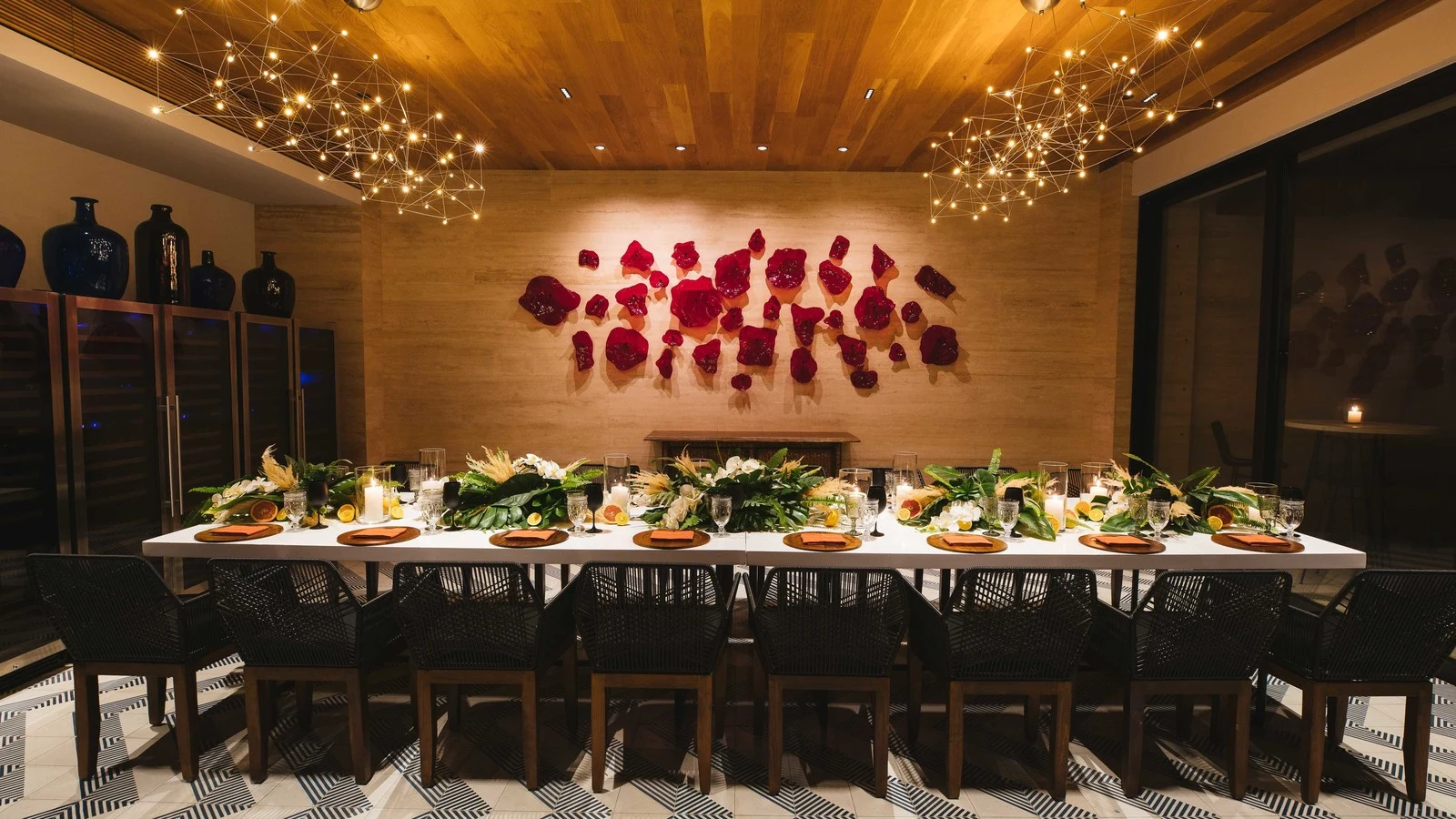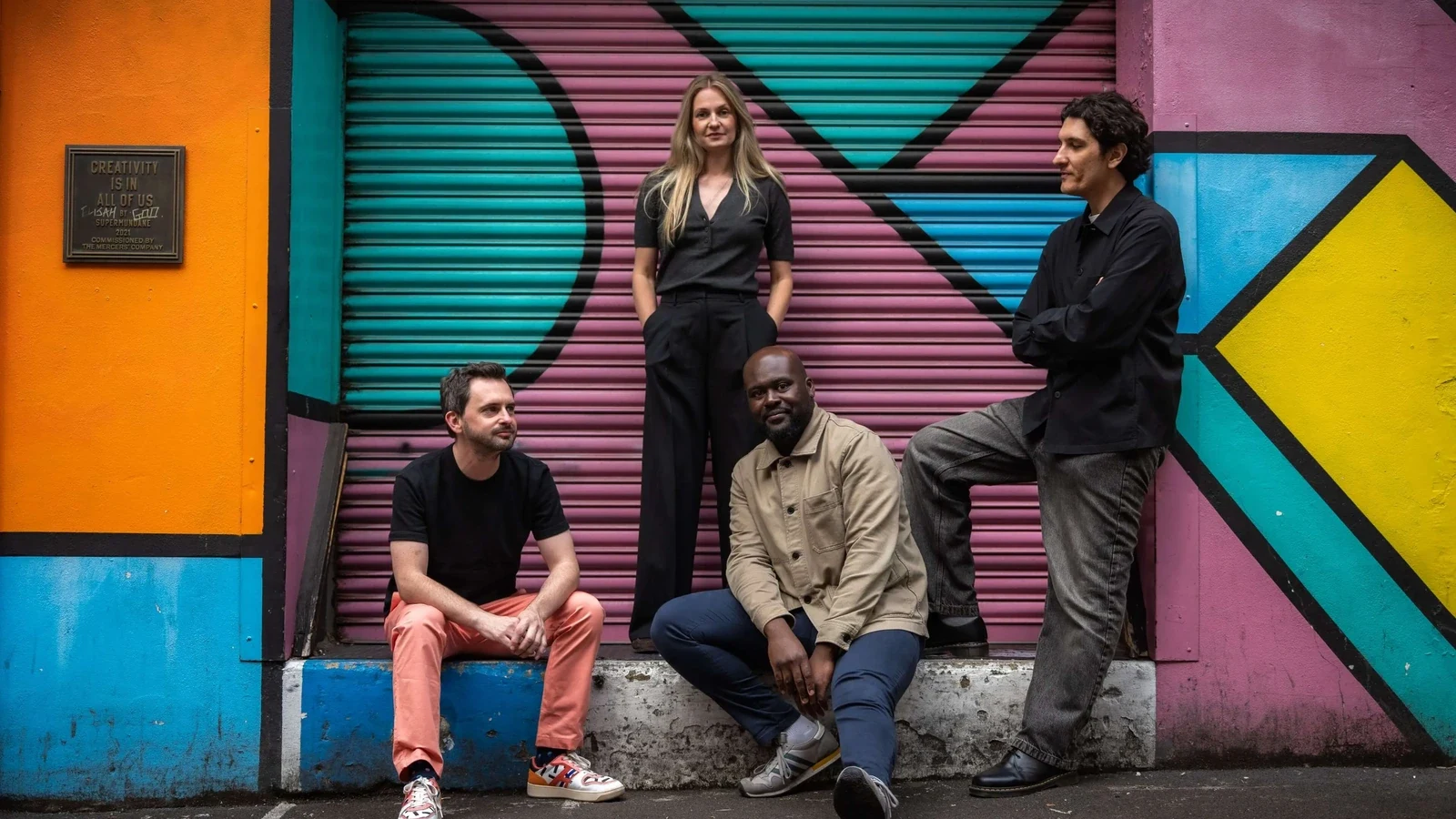
On a Saturday in early 2026, the team at House of Julep served 160 Mint Juleps. The volume surpassed Angelos Bafas' expectations, but it also confirmed what he'd built: a two-level Covent Garden venue where British spirits and a single cocktail format could draw the kind of crowd most bars chase with bottle service and VIP tables. Cato, Bafas' first ownership stake since departing Creative Restaurant Group in September 2025, is now open with two bars and plans for a third, intimate space.
Cato is a partnership with hospitality group Bart & Taylor, with Bafas leading day-to-day operations and Bart & Taylor's beverage manager Yaw Asante providing support. The venue includes Cato in the basement and House of Julep on the ground floor, with plans to open the Study, an omakase-style bar for 10 people that will also host collaborations with chefs and other bars, offering seminars and masterclasses.
Inside Angelos Bafas' Newest Venue Cato
Bafas, born and raised in Greece, cemented his mixology reputation at Nipperkin in London during his tenure from 2023, where he built a program centered on British produce and spirits. According to The Spirits Business, Bafas is one of the few figures in the industry fully committed to British produce and spirits. After leaving Creative Restaurant Group, Bafas initially planned to focus on consultancy. The reality proved more focused. "Cato has become my life," he told The Spirits Business. He's now a co-owner, something he describes as a "privilege."
The venue occupies two levels in central London's Covent Garden. Bafas had initially envisioned opening a tiny place with five seats in southeast London. The final result reflects larger ambitions: a multi-level venue with distinct drinking experiences under one roof, each anchored by British spirits.
The bar's name and ethos come from Cato Alexander, a freed slave who created one of New York's most popular taverns in the 19th century. What appealed to Bafas and his partners was the atmosphere Alexander's venue fostered. "Everybody could be together, from politicians to the average Joe," Bafas explained. That egalitarian spirit guides the venue's approach. "Our first rule is that there are no VIPs. Everybody who walks in is treated the same."
The Three-Space Concept: Cato, House of Julep, and the Study
Cato operates across three distinct spaces, each with its own format and focus. The basement houses Cato, the venue's flagship bar. The ground floor features House of Julep, a bar built around variations on the Mint Julep. The third space, the Study, is planned as an omakase-style bar for 10 people. The Study will also serve as a venue for collaborations with chefs and other bars, hosting seminars and masterclasses.
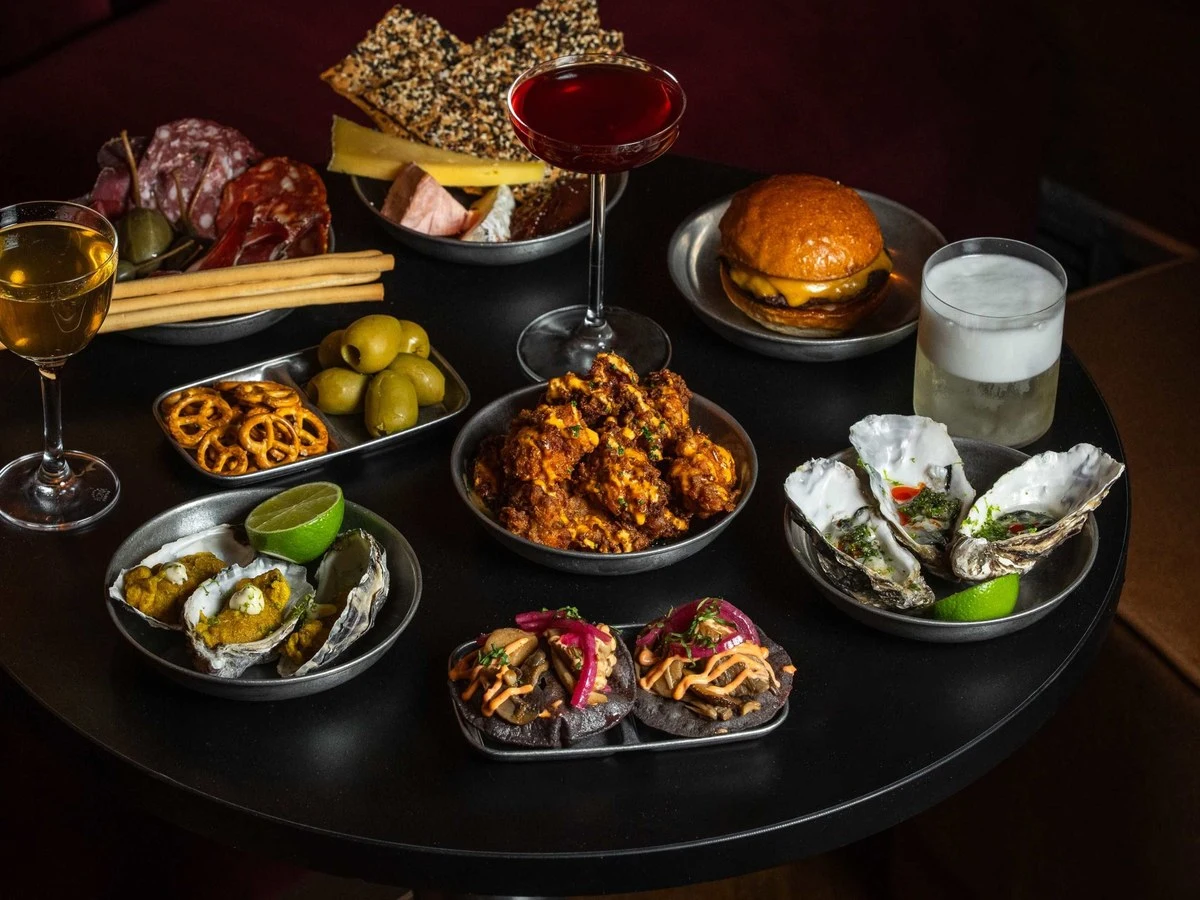
House of Julep centers on the Mint Julep, a cocktail tied to Cato Alexander's legacy. While Alexander didn't invent the Mint Julep, he earned a reputation for making a very good one. Bafas and his team weren't keen on the traditional recipe. "It was barely drinkable," Bafas said. "It's like 70ml of Bourbon and a lot of mint, bitters, ice, and sugar, everything to the extreme. Our mission was to balance it." The key changes were adding a house-made mint tincture and extra dilution, while keeping the metal cup and crushed ice that define the serve.
The response to the House of Julep's signature drink has surpassed Bafas' expectations. According to The Spirits Business, the team served 160 Mint Juleps on the Saturday before the interview. That volume has created a challenge for one of Bafas' desired USPs. "The ideal scenario in the beginning was to become self-sufficient [in terms of herbs and fruits]," he said. "But it can't happen. We can't maintain this amount of mint in house."
Bafas found a middle ground. The team will grow their own herbs and turn them into tinctures, ensuring every drink has a homegrown element. These include niche herbs, such as a Thai basil and mint hybrid and a strawberry mint, which could be used for weeklong activations.
The approach allows Cato to maintain a connection to the self-sufficiency ethos while meeting the volume demands of a busy Covent Garden bar. The Thai basil and mint hybrid, in particular, represents the kind of ingredient specificity that separates a craft program from a high-volume operation.
Bafas is growing herbs most bartenders wouldn't bother sourcing, then turning them into tinctures that anchor weeklong activations. The discipline is the point.
British Spirits and the Nipperkin Legacy
Bafas' commitment to British spirits and produce does not run through all three spaces at Cato. The ethos was established at Nipperkin, where Bafas built a program that centered British distillates and ingredients. Cato takes that mission further, applying it across multiple formats: the basement bar, the Julep-focused ground floor, and the forthcoming omakase-style Study.
The focus on British spirits positions Cato within a broader movement in London's bar scene. While British gin has long been a staple, the category has expanded to include British whisky, vodka, rum, and liqueurs from distilleries across England, Scotland, Wales, and Northern Ireland. Bafas' commitment to the category is unusual in its scope. Most bartenders feature British spirits alongside international bottles; Bafas has built an entire venue around them.
The British spirits focus also shapes the sourcing strategy. Bafas' goal of self-sufficiency in herbs and fruits, even if scaled back to tincture production, reflects a commitment to British produce that extends beyond the spirits themselves. The house-made mint tincture at House of Julep, the niche herb varieties grown in-house, and the planned weeklong activations around specific ingredients all point to a program that treats British produce as a craft discipline, not a marketing angle.
Bafas' tenure at Nipperkin from 2023 provided the foundation for this approach. Nipperkin's program was built on the same principles: British spirits, British produce, and a focus on technique over spectacle. Cato is the next stage: a multi-level venue where Bafas can apply those principles across different drinking formats, from the Julep-focused ground floor to the omakase-style Study. The progression from Nipperkin to Cato also marks a shift in Bafas' career: from building someone else's program to building his own, with his own ownership stake and his own vision for what British spirits can do in a multi-level venue.
What Makes Cato Covent Garden Bar Worth Visiting Now
Cato is located in Covent Garden, a central London neighborhood with a dense concentration of bars, restaurants, and theaters. The location places Cato within walking distance of the West End, making it a natural destination for pre-theater drinks or post-show cocktails. The five-storey building and multi-level format give the venue a physical presence unusual for London cocktail bars, most of which operate in smaller, single-level spaces.
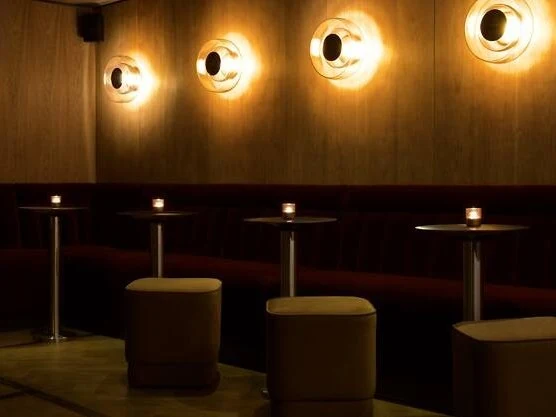
The partnership with Bart & Taylor provides operational support and resources. Bart & Taylor's beverage manager Yaw Asante supports Bafas in day-to-day operations, allowing Bafas to focus on the creative direction of the bars while Bart & Taylor handles the infrastructure. The partnership structure also gives Bafas co-ownership, a stake he describes as a "privilege." For bartenders who have followed Bafas' career from Nipperkin through his departure from Creative Restaurant Group, the ownership stake marks a shift: Bafas is no longer building someone else's program.
The Study, when it opens, will offer a format rare in London's bar scene: an omakase-style bar for 10 people. The format borrows from Japanese dining, where the chef or bartender prepares a sequence of dishes or drinks tailored to the guest's preferences and the ingredients available that day.
The Study will also host collaborations with chefs and other bars, offering seminars and masterclasses. For bartenders and spirits enthusiasts, the Study offers access to Bafas' technique and thinking in a format that allows for conversation and observation.
The 10-seat format is deliberate: small enough for Bafas to work the bar himself, large enough to host a seminar or a collaboration dinner with a visiting chef. The intimacy is the draw.
The House of Julep's focus on a single cocktail, executed with variations, offers a different kind of depth. The traditional Mint Julep is a simple drink: Bourbon, mint, sugar, bitters, and crushed ice.
Bafas' version adds a house-made mint tincture and extra dilution, balancing the drink's intensity while keeping the metal cup and crushed ice that define the serve. The niche herb varieties grown in-house, including a Thai basil and mint hybrid and a strawberry mint, allow for weeklong activations that explore the range of the Julep format.
For drinkers who want to understand what a single cocktail can do when treated as a craft discipline, House of Julep offers a case study. The 160 Juleps served on a Saturday suggest the format has found an audience.
Cato's egalitarian ethos, borrowed from Cato Alexander's 19th-century New York tavern, shapes the atmosphere. "Our first rule is that there are no VIPs. Everybody who walks in is treated the same," Bafas said. The policy is a pointed rejection of the VIP-table, bottle-service model that dominates many high-end bars. For drinkers who want to be treated as guests, not clients, the policy matters.
The venue's commitment to British spirits also makes it a destination for anyone tracking the category's development. British whisky, gin, vodka, rum, and liqueurs have expanded in quality and range over the past decade, but few bars build their entire program around the category. Cato offers a chance to see what British spirits can do when a bartender with Bafas' experience and technique builds a program around them.
For bartenders, Cato offers a chance to study Bafas' approach to British spirits and produce across three formats. The basement bar, the Julep-focused ground floor, and the forthcoming omakase-style Study each apply the same ethos in different ways. The house-made tinctures, the niche herb varieties, and the weeklong activations all point to a program that treats ingredients as a craft discipline. The Study, when it opens, will offer direct access to Bafas' technique through the omakase format and the seminars and masterclasses hosted in the space.
Cato is open now, and Cato's Study is listed for private hire. The venue is located in Covent Garden, central London. Bafas is spending every minute of his life in the venue at the moment, getting it right. The early response has been strong: the team served 160 Mint Juleps on a Saturday, surpassing Bafas' expectations.
Cato's Study is a 10-seat laboratory and masterclass space for collaborations, pop-ups, and R&D projects. For anyone who has followed Bafas' career from Nipperkin through his departure from Creative Restaurant Group, Cato is the first time Bafas is building his own program in his own space, and his first ownership stake.
The venue is worth visiting now, with the Study available for private hire.
Made By follows the people who shape what you eat and drink. Subscribe, and the next dispatch from the bench, the cellar, or the kitchen comes to you.