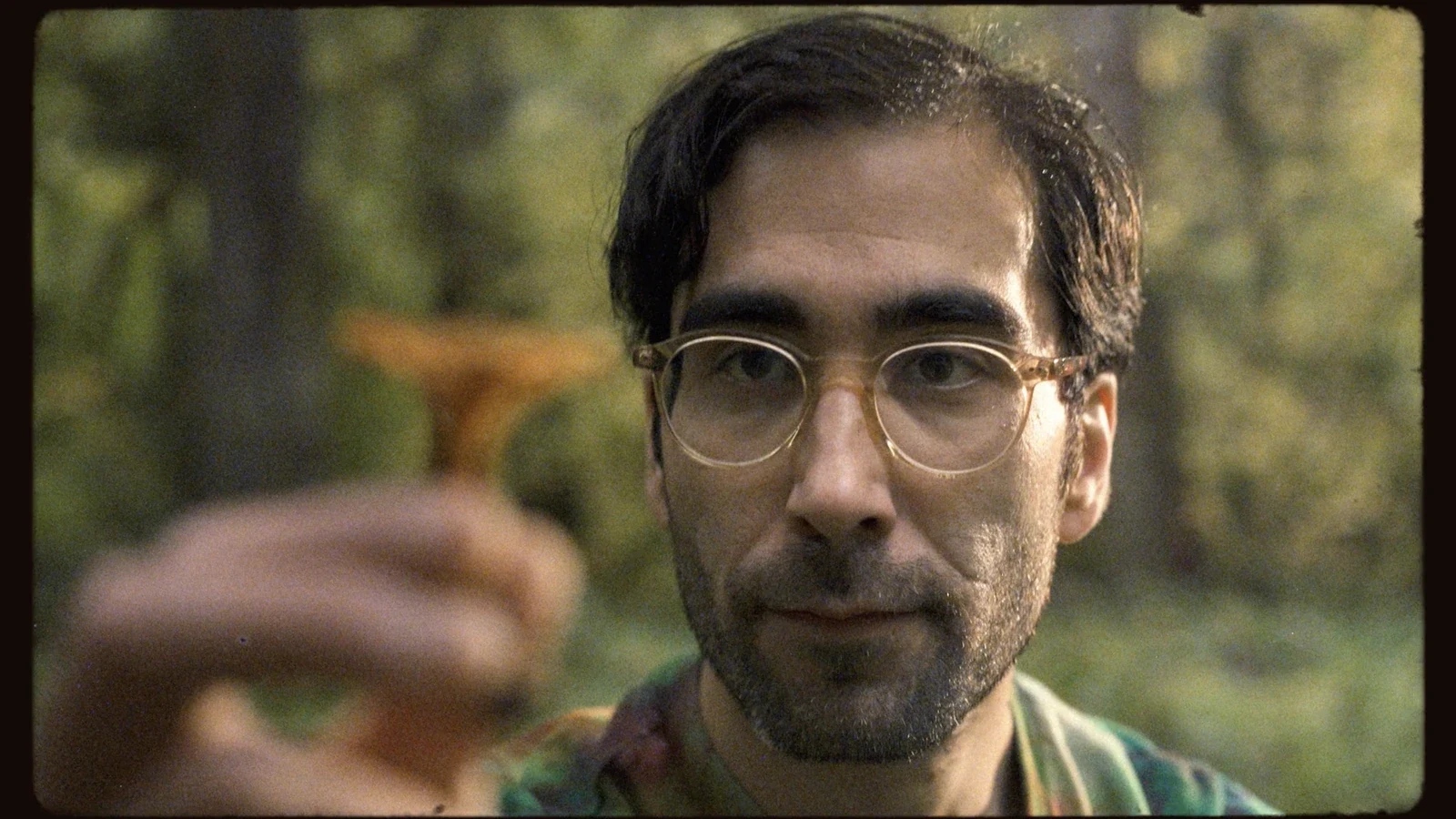
Jason Ignacio White's Instagram became a conduit for anonymous accounts in early February after he began criticizing Noma and René Redzepi. White, the former head of Noma's fermentation lab, received screenshot after screenshot from former Noma chefs alleging abuse and exploitation. Their messages turned what might have been a rare-booking conversation into a labor reckoning around one of fine dining's most influential kitchens.
On March 11, Redzepi opened Noma's Los Angeles residency in Silver Lake, a four-month run meant to carry the Copenhagen restaurant's ethos into the city. The restaurant he founded in 2003 earned its second Michelin star in 2007 and a third in 2021, and arrived with tickets that sold out almost immediately at $1,500 a head. Local chefs met the run with split expectations: more attention for the city's dining scene, and the risk that reservations would be pulled away from their own rooms.
Why former Noma workers made the residency a flashpoint
The pressure did not begin at the door. Former Noma chefs and interns had already brought allegations against Redzepi into public view, naming what they said were failures of leadership disguised as methods of instruction.
Their accounts cut directly into the way Redzepi made value. His reputation rests on technique, discipline, hierarchy, and the long training of cooks. Former workers were asking the industry to look not only at what he produced, but at how people were treated while producing it.
Correction at the pass is one thing. Fear is another. A cook can be taught, a station can be rebuilt, a plate can be killed before it reaches the dining room. Violence, humiliation, and threats are failures of leadership, not methods of instruction.
How Julia Moskin moved the allegations from private accounts to public record
Private kitchen testimony often travels quietly: alumni texts, back-channel warnings, stories told after service. Here, those accounts moved into a wider frame. On March 7, four days before the pop-up opened, Julia Moskin of The New York Times published an investigation based on independent interviews with 35 former employees.
Their accounts named a period between 2009 and 2017 and alleged physical punishment, including Redzepi punching employees in the face, jabbing them with kitchen implements, and slamming them against walls. They also described intimidation, body shaming, public ridicule, and threats tied to restaurant careers, family deportation, and spouses' jobs.
Redzepi's statement conceded harm without accepting every detail: "Although I don't recognize all details in these stories, I can see enough of my past behavior reflected in them to understand that my actions were harmful to people who worked with me. To those who have suffered under my leadership, my bad judgment, or my anger, I am deeply sorry and I have worked to change."
That shift changed the weight of the residency. Scarcity usually benefits a pop-up: a small window, a difficult seat, a room diners want because access is limited. In this case, the same scarcity made the questions sharper. A sold-out dining room was opening while former workers were naming harm tied to the chef whose reputation shaped so much of the experience's value.
What René Redzepi's step back changes
Redzepi announced on Instagram that he would step down as Noma's head chef and resign from the board of MAD, the nonprofit he founded in 2011 to support up-and-coming chefs. His own words framed the move as responsibility, not repair: "I have worked to be a better leader and Noma has taken big steps to transform the culture over many years. I recognize these changes do not repair the past. An apology is not enough; I take responsibility for my own actions."
The announcement moves his response beyond apology and into structure, at least on paper. Head chef is not a symbolic role in a restaurant built on discipline and authorship; it shapes the pass, the standards, the permission system, and the way younger cooks understand what is expected of them. A board seat at MAD carries a different kind of authority, tied to education and leadership across the food world.
A restaurant is never only its founder, even when the founder's name controls the weather. Sous chefs, pastry cooks, fermentation workers, dishwashers, servers, managers, interns, and alumni all carry the work. This controversy has forced attention downward, toward the hands that built the reputation and the conditions they say they endured.
How Ben Leventhal and American Express pulled support
American Express and Blackbird both pulled support from the residency after buying blocks of tickets for their cardholders and members. That made the consequence commercial as well as cultural. The companies that helped sell access were now part of the accountability structure around it.
Blackbird founder Ben Leventhal made the ethical line explicit: "René's past practices, by his own admission, were unacceptable and abhorrent. We cannot lean on time elapsed and rehabilitation claims when these things resurface."
American Express said customers who had purchased tickets could request refunds, that proceeds from remaining un-refunded tickets would be reinvested toward hospitality workers in the area, and that three nights it had purchased but not yet released would be given back to Noma. Blackbird also offered refunds and said proceeds would be reinvested in organizations that protect restaurant workers.
Those decisions by Leventhal and American Express leadership reached the machinery around fine dining: ticket blocks, member access, cardholder exclusives, refunds, and public reinvestment. Pressure moved through each layer. Workers spoke. Sponsors withdrew. Diners had to ask whether a seat also carried a labor history.
What Jason Ignacio White made visible outside the Silver Lake residency
White led protesters outside the Los Angeles residency, where signs included "No Michelin Stars for Violence" and "Your Kitchen is a Crime Scene." The picket line put former worker testimony at the threshold of the dining room.
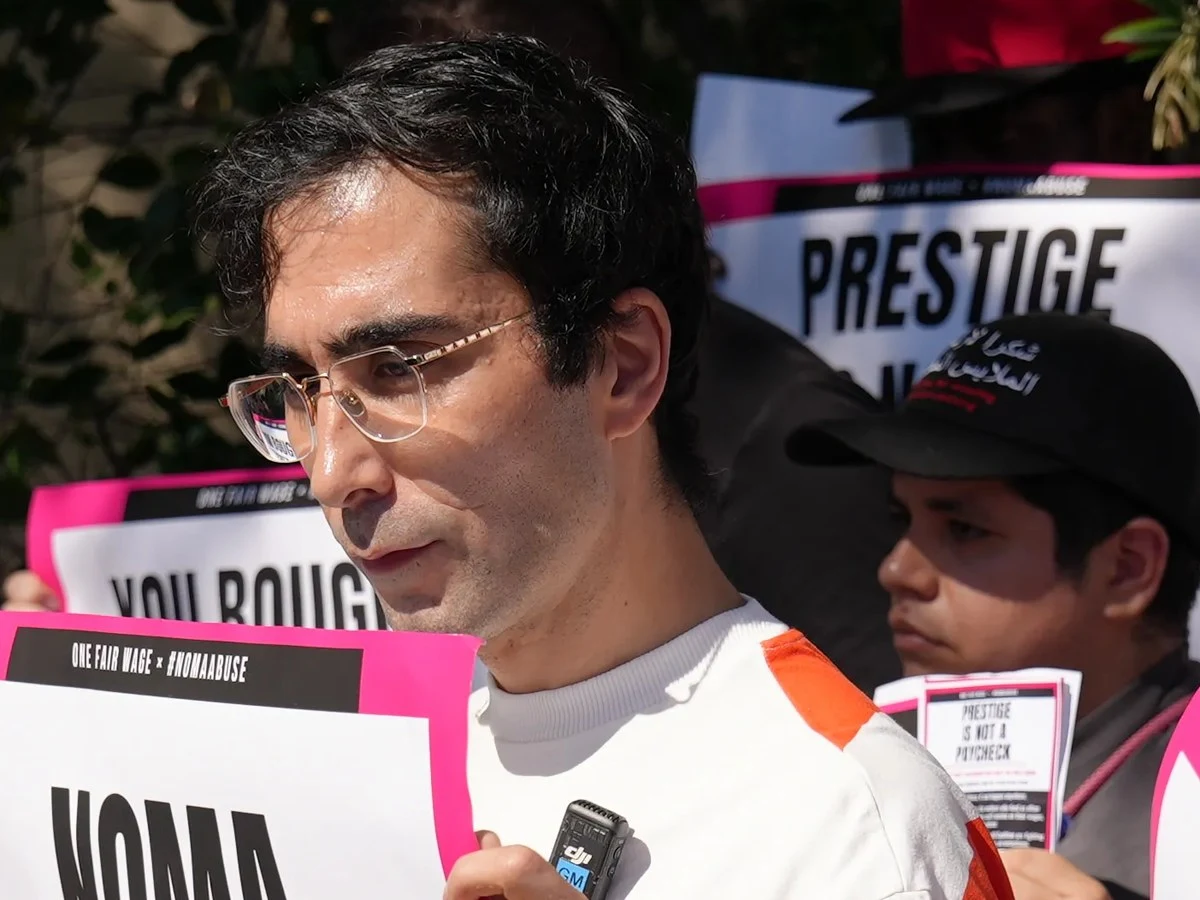
White's role carried particular force because he came from inside the restaurant's technical world. Fermentation work asks for time, observation, restraint, and trust in process. A former head of that lab standing outside the residency was not a generic critic at the edge of the story. He was part of the lineage challenging the culture around the maker at the top.
That is why the opening became larger than a coveted table. It sat at the meeting point of craft prestige and labor memory. The question was whether the industry could continue studying technique without excusing the conditions under which Redzepi had transmitted it.
What to watch after the opening nights
The next movement will be measured by names and roles: who leads the kitchen, how Redzepi and his successors define Noma's internal culture, how MAD fills the space left by his board resignation, and whether former workers continue to organize publicly around their accounts.
Accountability cannot stay abstract in a restaurant. It has to show up in the chain of command, in the apprenticeship structure, in the way correction happens on the pass, and in whether interns can speak without risking their next job. Those are not branding questions. They are station questions.
Redzepi made his restaurant more than a place to eat; he made it a place cooks studied. That is why the scrutiny now runs so deep. The hands that built the restaurant's influence are asking to be heard with the same seriousness the industry once gave to his methods.