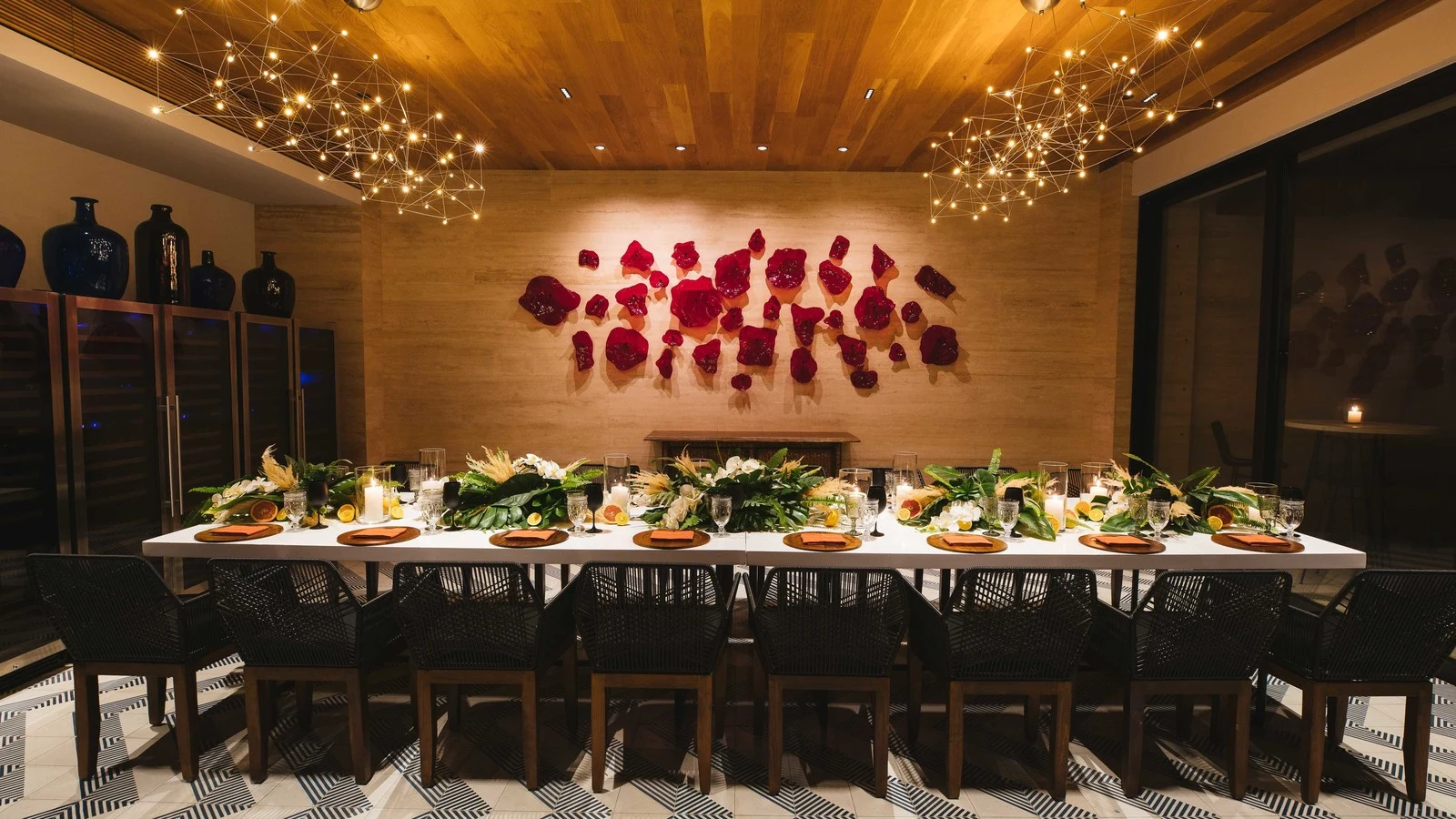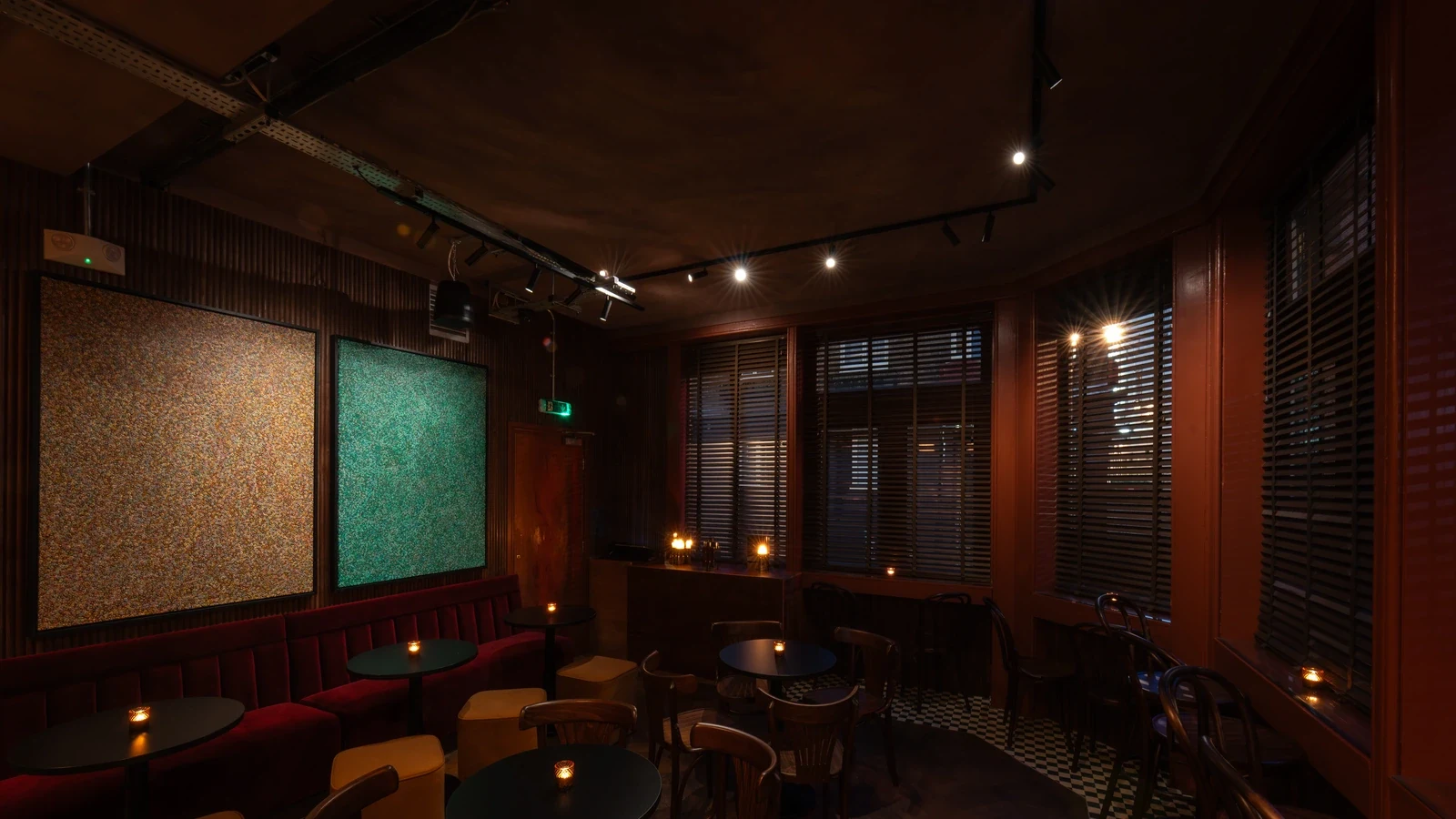
On a Saturday in early 2026, the team at Cato's House of Julep poured 160 Mint Juleps. The metal cups, the crushed ice, the house-made mint tincture, all served from a ground-floor bar in Covent Garden that opened after Angelos Bafas departed the Creative Restaurant Group in September 2025.Two bars occupy the space: Cato in the basement, the House of Julep on the ground floor. A third area, the Study, is planned as an omakase-style bar for ten people.
Bafas was born in Greece but built his reputation in London. His tenure at Nipperkin from 2023 cemented a focus on British produce and spirits that few bartenders pursue with equal conviction. Cato extends that mission across five floors and two distinct service models. The venue is named after Cato Alexander, a freed slave who ran one of New York's most popular 19th-century taverns, a place where politicians and working-class patrons drank side by side. That egalitarian principle guides Cato's operations. No VIP treatment, no reserved tables for regulars. Everyone who walks in is treated the same.
Why Angelos Bafas Left CRG to Launch Cato
Bafas left the Creative Restaurant Group in September 2025 with plans to focus on consultancy. The reality shifted quickly. "My goal was to open my own place, even if it was a tiny place with five seats in southeast London," said Angelos Bafas.1 Bafas leads day-to-day operations, supported by Yaw Asante, Bart & Taylor's beverage manager. Co-ownership gives him control over the program, the sourcing, the service model. The trade-off is time. Bafas describes spending every minute in the venue, working to get the details right. The early response has been strong enough to justify the hours.
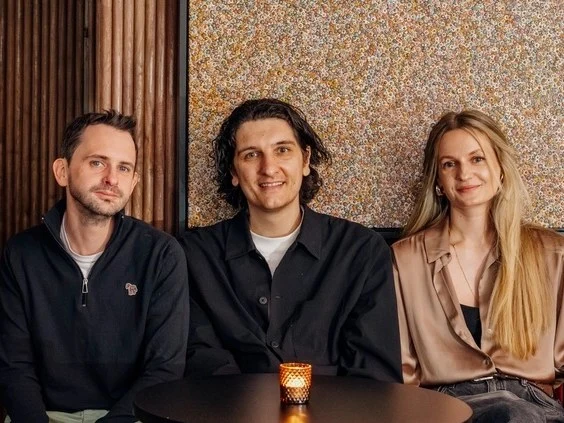
The move from CRG to ownership represents a shift in London's cocktail hierarchy. Bafas built his name at venues where the bar program was one element of a larger hospitality operation. At Cato, the bar is the operation. The British spirits focus that defined his work at Nipperkin now shapes every decision: the back bar, the tinctures, the herbs grown in-house. The partnership structure with Bart & Taylor provides the infrastructure and capital; Bafas provides the vision and the craft.
Inside Cato Covent Garden, as spirits_business describes it: Two Bars, Five Floors
The basement houses Cato, the main bar. The ground floor is the House of Julep, a Mint Julep program.The Study is designed for collaborations with chefs and other bars, seminars, and masterclasses. The three-tier structure allows Bafas to segment service styles and spirits focuses without diluting the British produce ethos.
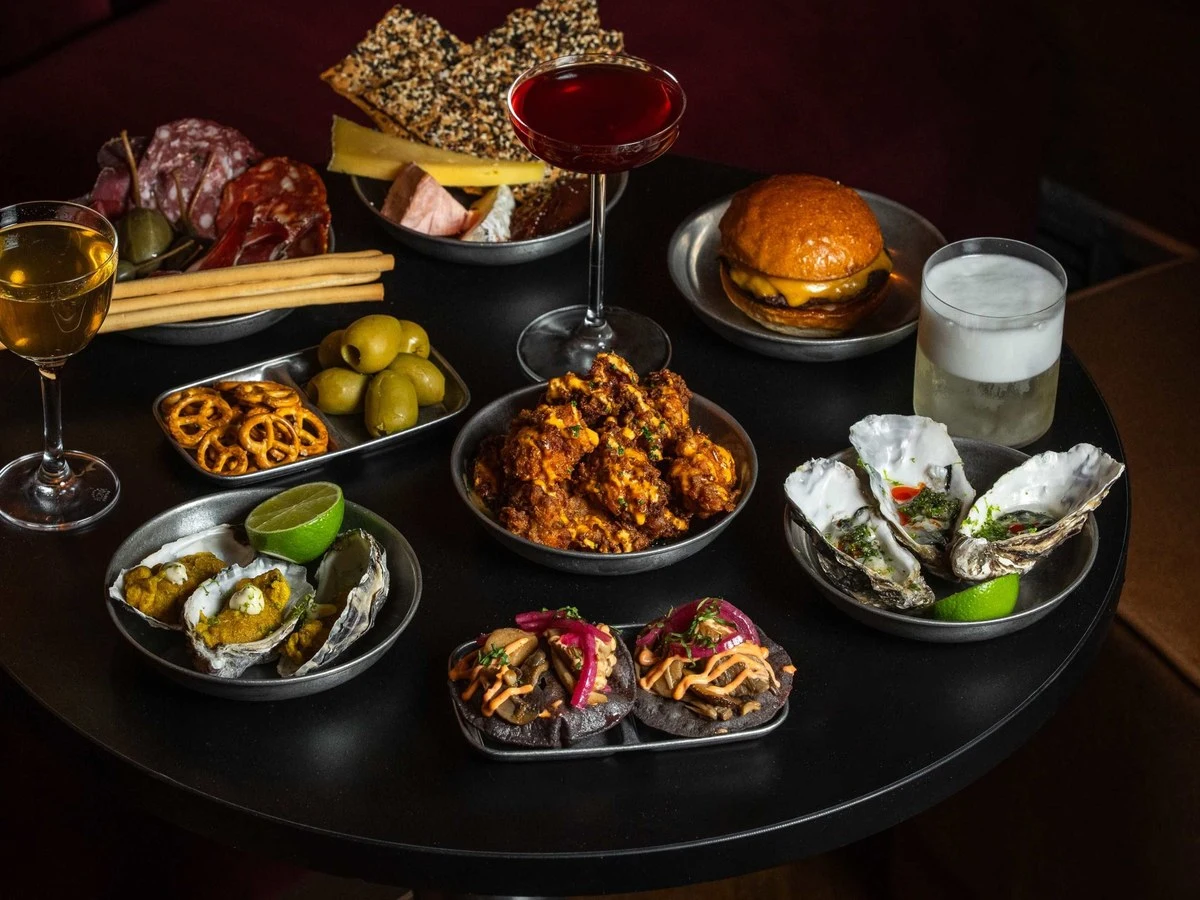
The basement bar at Cato functions as the anchor. It's where the full British spirits program lives, where the tinctures and house-grown herbs appear in cocktails that require longer conversation and more explanation. The House of Julep on the ground floor is faster, more accessible.
One signature drink, variations on that drink, and a service model built around volume. The team served 160 Mint Juleps on a Saturday, a number that forced Bafas to rethink his original plan for full self-sufficiency in herbs and fruits. The volume demand revealed the limits of in-house production at scale.
The middle ground: grow niche herbs in-house, turn them into tinctures, and source the volume ingredients from trusted suppliers. Every drink still carries a homegrown element, but the program can scale to meet demand.
The Study, when it opens, will function as a private dining room for spirits education, a space for guest bartenders to run limited-run programs, and a testing ground for new techniques before they move to the main bars. The omakase format limits seating to ten, which keeps the focus tight and the conversation deep. It's a structure borrowed from sushi counters and tasting menus, applied to cocktails and British spirits. The ten-seat cap means access will be competitive once the space opens.
The House of Julep: Reimagining a Southern Classic with British Spirits
The Mint Julep is a Southern cocktail built on bourbon, mint, sugar, bitters, crushed ice, and a metal cup. Cato Alexander, the 19th-century tavern owner who inspired the venue's name, earned a reputation for making a very good one. Bafas and his team found the traditional recipe barely drinkable. The proportions were extreme: 70ml of bourbon, excessive mint, sugar, and bitters. The mission was to balance it. The key changes were adding a house-made mint tincture and extra dilution, while keeping the metal cup and crushed ice.
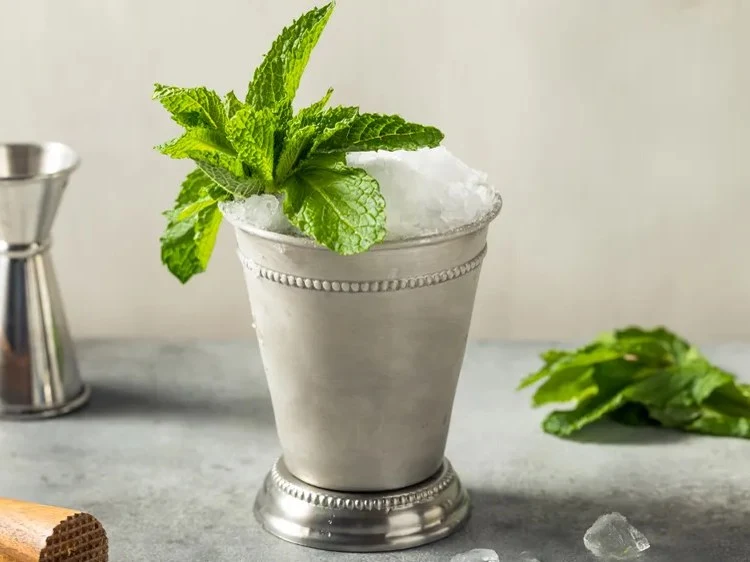
The House of Julep's signature drink has become the venue's most popular serve. The team served 160 Mint Juleps on the Saturday before the interview, a volume that surpassed Bafas' expectations and created a supply challenge. The original plan was to become self-sufficient in herbs and fruits, growing everything in-house. The demand made that impossible.
The team now grows niche herbs and turns them into tinctures, ensuring every drink has a homegrown element. These include a Thai basil and mint hybrid and a strawberry mint, which can be used for weeklong activations. The limited-run herb activations give repeat visitors a reason to return, with new flavor profiles rotating through the program.
The Julep program anchors the ground-floor bar and gives first-time visitors an entry point. The drink is recognizable, the format is approachable, and the variations allow for repeat visits without menu fatigue. The metal cup and crushed ice are visual cues that signal craft without requiring explanation. The house-made mint tincture and extra dilution are the technical adjustments that make the drink balanced enough to drink more than one. The British spirits focus means the bourbon is replaced with domestic distillates, a shift that reframes the Julep as a British cocktail rather than a Southern one.
What Makes Cato's British Spirits Program Different
Bafas is one of the few bartenders in London fully committed to British produce and spirits. That was the ethos at Nipperkin, where he cemented his mixology reputation during his tenure from 2023. Cato takes that mission further by building the entire venue around it. The back bar features British distillers, the herbs are grown in-house, and the tinctures are made on-site. The program is designed to present domestic spirits through curated selections and education, not through novelty or nationalism.
The British spirits category has grown in the past decade, but most bars treat it as a supplement to the main program rather than the foundation. Cato inverts that structure. The British distillates are the main program; everything else is context.
The tinctures made from house-grown herbs give the team control over flavor profiles and allow for seasonal adjustments without relying on imported ingredients. The niche herbs, including the Thai basil and mint hybrid and the strawberry mint, are used for limited-run activations that keep the program dynamic.
The weeklong activations create urgency for collectors and enthusiasts who follow Bafas' work, with each rotation featuring a different herb or distiller.
The egalitarian service model reinforces the British spirits focus. No VIP treatment means no pressure to stock prestige bottles that sit on the shelf for appearance. The back bar is built around what the team wants to pour, not what signals status.
The Study, when it opens, will function as a space for deeper spirits education, where guests can taste through a producer's range or compare regional styles without the noise of a busy bar. The omakase format limits seating to ten, which keeps the conversation focused and the pours generous.
The ten-seat cap means the Study will operate more like a private tasting room than a public bar, with advance booking required and a program designed for guests who want to spend two hours studying a single category or producer.
How to Book Cato and What to Order
Cato is located in Covent Garden, a neighborhood known more for tourist traffic than serious cocktail programs.The Study, an omakase-style bar for ten people, is planned but not yet open. The venue operates on a no-VIP policy, which means walk-ins are treated the same as regulars. The House of Julep's signature Mint Julep is the most popular serve, with the team pouring 160 on a busy Saturday. The drink is made with a house-made mint tincture and extra dilution, served in a metal cup with crushed ice.
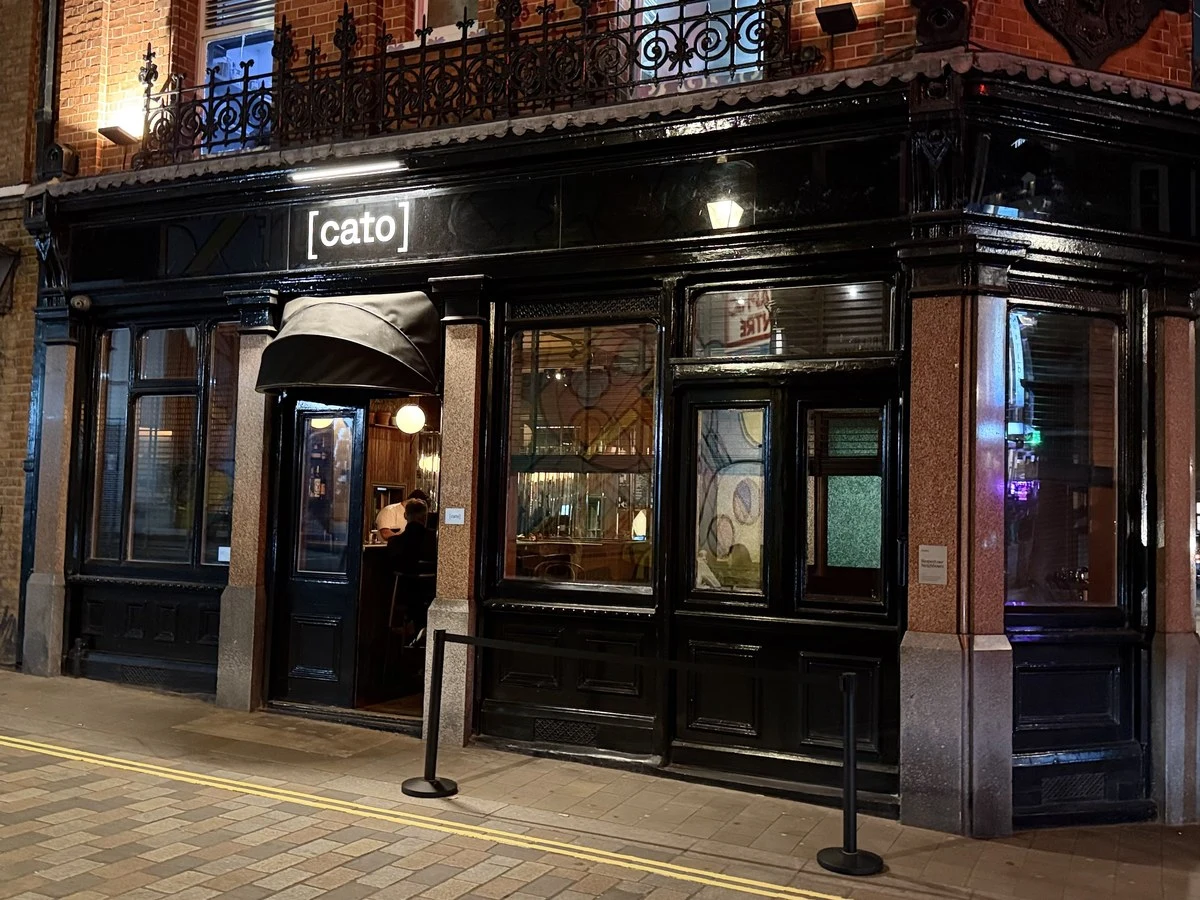
First-time visitors should start at the House of Julep on the ground floor. The Mint Julep is the entry point, and the variations allow for exploration without requiring deep knowledge of British spirits. The basement bar at Cato is where the full British spirits program lives, with cocktails that require more conversation and more time. The tinctures made from house-grown herbs appear in drinks that feature specific distillers or regional styles. The niche herbs, including the Thai basil and mint hybrid and the strawberry mint, are used for limited-run activations, so repeat visits reveal new serves.
The Study, when it opens, will require advance booking. The omakase format limits seating to ten, and the program is designed for guests who want to spend two hours tasting through a producer's range or studying a specific category. The space will also host collaborations with chefs and other bars, seminars, and masterclasses. The British spirits focus means the program will feature domestic distillers, not international prestige bottles. The egalitarian service model applies to the Study as well: no VIP treatment, no reserved tables for regulars. Everyone who books a seat is treated the same.
Angelos Bafas has spent years defining the British cocktail.The partnership with Bart & Taylor gave him co-ownership and day-to-day control.
The British spirits focus that defined his work at Nipperkin now shapes every decision at Cato. The House of Julep's signature drink has become the venue's most popular serve, with the team pouring 160 on a busy Saturday. The Study, when it opens, will function as a space for deeper spirits education and guest collaborations.
The egalitarian service model means no VIP treatment, no reserved tables, and no pressure to stock prestige bottles for appearance. Bafas is spending every minute in the venue, working to get the details right. The early response suggests he has.
Made By follows the people who shape what you eat and drink. Subscribe, and the next dispatch from the bench, the cellar, or the kitchen comes to you.