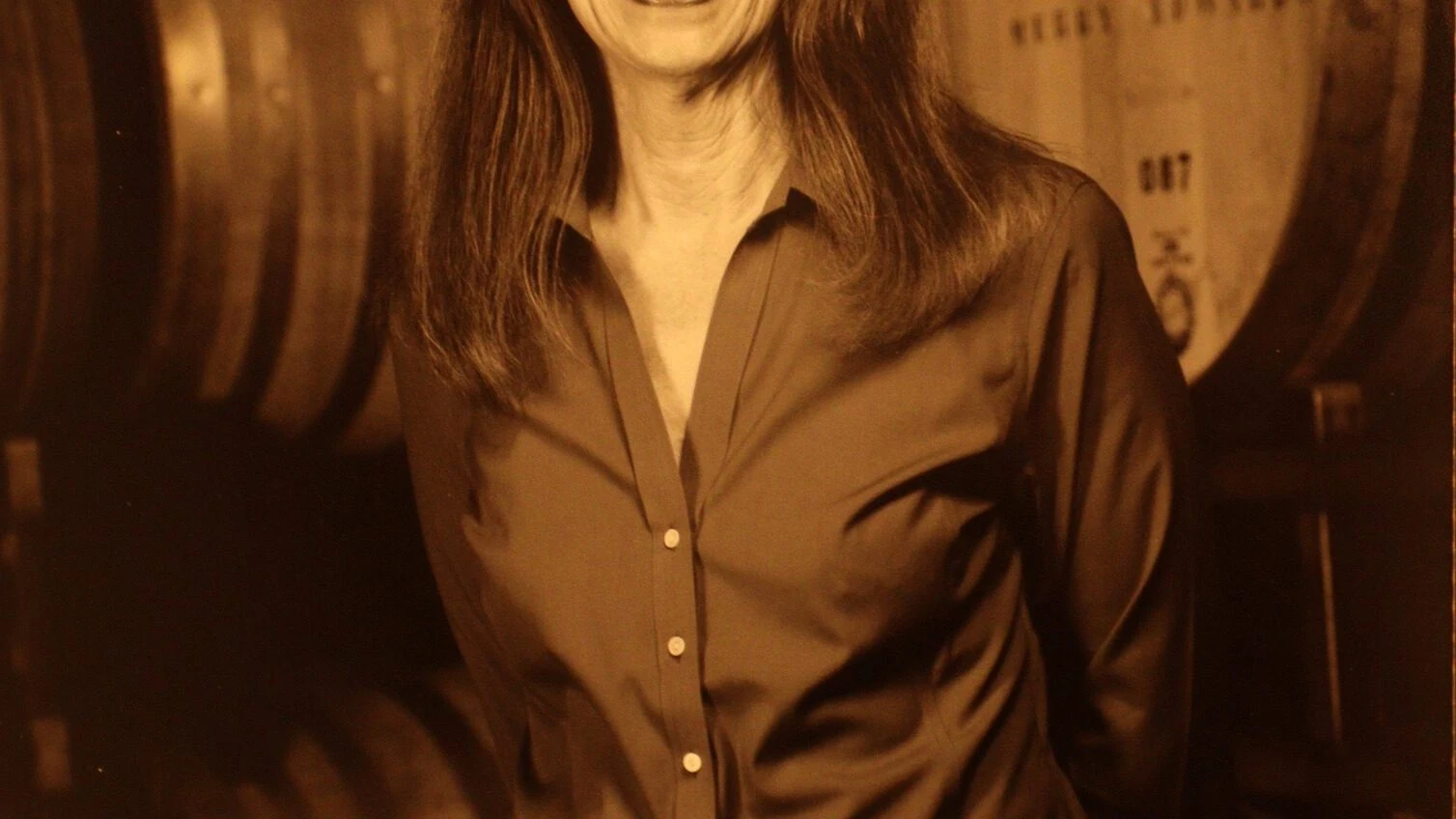
Artiste Winery's Bion Rice: The Fifth-Generation Winemaker Who Starts Every Vintage With a Painting
Bion Rice inverts the traditional winemaking process at California's Artiste Winery, starting with Impressionist-inspired artwork and crafting wines to match the visual narrative on each label.
HM
Director of Editorial Standards
Hugo Marchetti
Filed July 3, 2026
12 min read
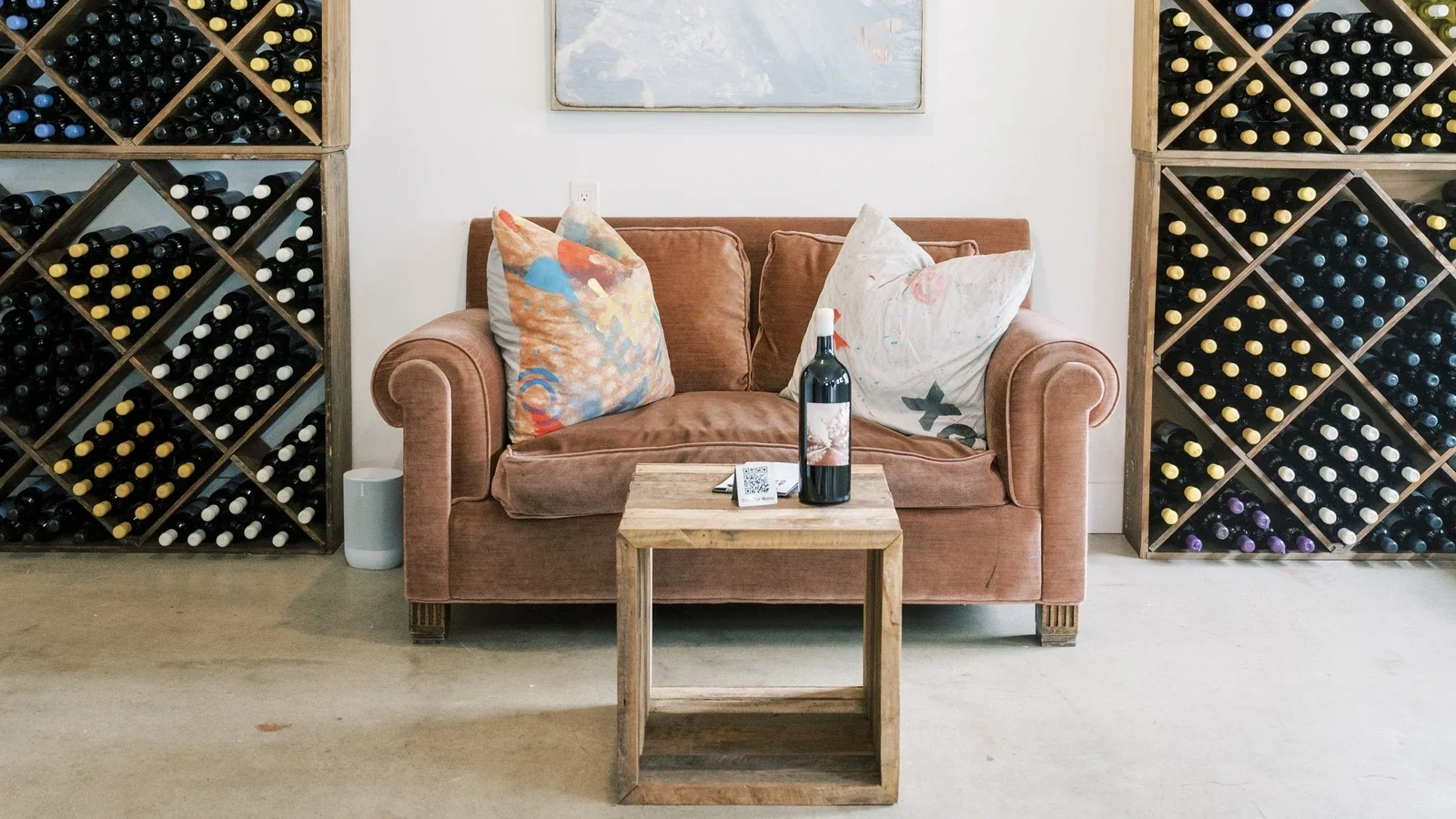
Bion Rice stands in the tasting room at Artiste Winery with original paintings taking the front position on every bottle in his portfolio. The image sets the work in motion: brushstrokes, color palette, the weight of the composition. Rice, a fifth-generation winemaker who studied art and film at college, starts with the label. Then he builds the wine.
That reverses the usual cellar order. According to The Drinks Business, Artiste Winery begins every project with the artwork on the label. Rice reads the visual narrative, then works toward a sensory one, shaping the blend to meet the painting rather than asking a finished wine to wear a commissioned label.
The Sunday letter
Get our new stories in your inbox every Sunday.
One email with our newest profiles and guides. See a sample before you subscribe.
Rice has held to that method since the 1999 vintage, when he launched his California project with a Côte Rôtie-styled wine in a limited run of 200 magnums. That first release showed him that collectors would follow a wine whose identity sat plainly on the bottle. Rice's work has been to keep art at the center of the winery, not as dressing after the cellar work is done.
The Artiste Winery Method: Wine From the Canvas
Rice's label-first method treats each wine as a translation of a specific artwork. The painting takes the front of the bottle, space many producers reserve for cellar notes, appellation signals, or house marks. It puts response ahead of the usual oenological information. Yet, as The Drinks Business reports, the approach is not a branding ploy. Rice has built the winery around art as the starting point.
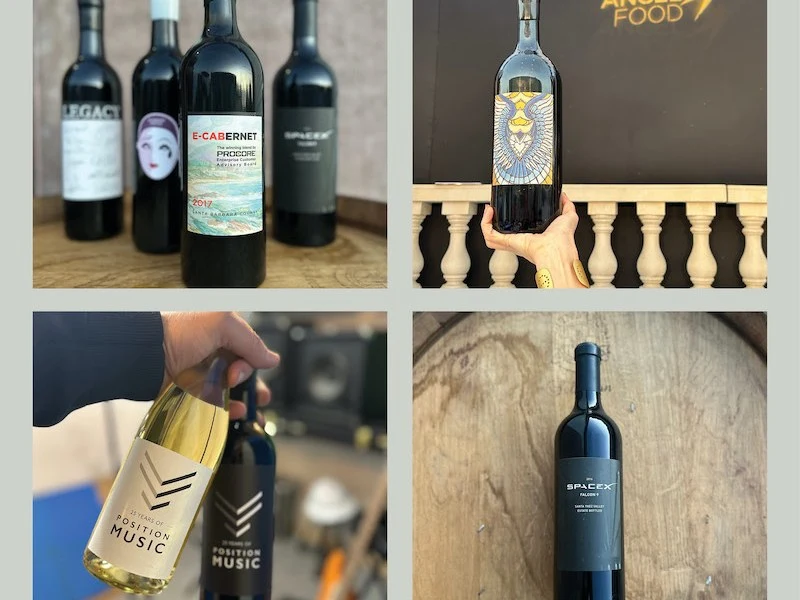
Artiste Winery's private-label portfolio showcases wine as a canvas for unique artistic expression.
The process begins with the artwork. Rice selects a painting or commissions a piece from an artist whose work resonates with him. That artwork becomes the anchor for the wine. Color palette, brushstroke intensity, and the emotional register of the composition inform choices around varietal selection, blending ratios, and aging regimes. The wine must meet the painting, not the other way around.
That inversion reaches every stage of production. Most winemakers begin with the vineyard and the vintage. Rice begins with the visual narrative. Most producers commission a label after the wine is finished. Rice builds the wine to honor the label. The artwork is not decoration; it is the plan on the bench.
Artiste Winery Bion Rice has made a project in which art and winemaking do not sit apart. The tasting room functions as a gallery. The wines function as collectible art objects. For Rice, the question has never been whether to separate his two passions. The question has always been how to fuse them together.
From Sunstone to Artiste: Bion Rice's Winemaking Journey
As a fifth-generation winemaker, Rice had a line into the industry before he chose his own station. His interests nearly carried him elsewhere. He studied art and film at college and fell in love with the world of art, according to The Drinks Business. Impressionism held him from the beginning. Thinking about how to keep that artistic spark alive, he imagined he might become a teacher.
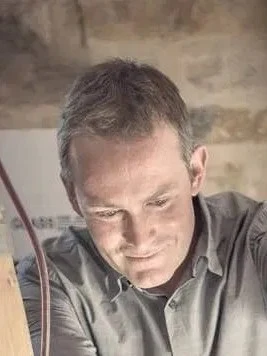
A man focuses intently while working on a painting, demonstrating the artistic process that informs his winemaking philosophy.
One question niggled him, as he told The Drinks Business: "How could I fuse these two passions together?" In the late 90s, after training in winemaking under Daniel Gehrs at Sunstone Winery, he found his answer. The apprenticeship under Gehrs gave him the technical foundation. The years at Sunstone gave Rice time on the tools: fermentation, blending, aging. The conceptual turn came from outside the cellar.
James-Paul Brown, an artist Rice had met in 1994, provided the artwork and, as a result, the inspiration for Eros. This was Rice's proof of concept. Made while he was still working at Sunstone Winery, it pioneered Artiste's signature approach. Artworks, he realized, could start the winemaking process. The painting came first. The wine followed. The response came quickly.
"People loved artwork on a wine," Rice told The Drinks Business. "I thought: 'If this is so successful as a concept, I might split from the family business.'" Eros showed him that collectors would respond to wines that carried both sensory experience and visual art. The label was not a marketing device. It was the anchor.
Artiste Winery itself was then born. It launched with the 1999 vintage, a Côte Rôtie-styled wine available in a limited run of 200 magnums. The Rhône-inspired blend set the technical direction for the inaugural release. The 200 magnums set the scale. The 1999 vintage established the template: artwork first, wine second, limited production always.
Rice has not moved away from that foundation. The wines still put artists front and center, with their creations guiding Rice's work in the winery. The lineage that runs through five generations of winemakers now carries another discipline: translating visual art into sensory experience. Rice's training under Gehrs gave him a cellar vocabulary. His years studying Impressionism gave him another one. Artiste Winery brings the two together.
How Impressionism Shapes the Artiste Winery Portfolio
Impressionism was a particular passion for Rice from the beginning, according to The Drinks Business. The movement's attention to light, color, and the fleeting moment meets his approach to wine. Impressionist painters worked from the sensory experience of a scene rather than a literal record of it. Rice applies a related principle to his blends, working toward the emotional register of a painting rather than staying inside varietal orthodoxy.
The Impressionist technique of broken brushstrokes, where individual strokes of color remain visible rather than disappearing into a smooth field, has a parallel in Rice's blending decisions. A traditional winemaker might seek seamless integration of varietals. Rice allows individual components to remain distinct, making a wine that reveals its structure the way an Impressionist painting reveals its brushwork. The viewer sees the technique. The drinker tastes the technique.
Color palette also matters. Impressionist painters worked with a limited palette of pure colors, mixing them on the canvas rather than on the palette. Rice applies a similar discipline to varietal selection, choosing grapes that offer distinct color and flavor profiles and allowing them to interact in the bottle rather than smoothing them out in the cellar. The wine shifts and evolves in the glass, revealing different facets as it opens, much as an Impressionist painting reveals different details as the viewer's eye moves across the canvas.
The Impressionist attention to a specific moment in time also informs Rice's approach to vintage expression. Some winemakers work for consistency across vintages. Rice allows each vintage to reflect the conditions of that specific year, the way an Impressionist painter captures the specific quality of light at a specific time of day. The vintage is not a variable to control; it is a moment to catch.
That thinking reaches the aging regime. Impressionist paintings often depict scenes in flux: water in motion, clouds shifting, light changing. Rice's wines are designed to evolve in the bottle, revealing different characteristics as they age. The wine at release is not the finished product. It is a snapshot of a moment in the wine's evolution, much as an Impressionist painting is a snapshot of a moment in the landscape's evolution.
The 'Black Magic' Blend and Other Signature Releases
The wines of Artiste Winery wear their identity on their sleeve, as The Drinks Business reports. Each label features an original artwork that inspired the wine inside. The flagship releases make Rice's art-to-bottle process visible, with specific paintings guiding varietal selection, blending ratios, and aging decisions.
The 1999 vintage, Artiste Winery's inaugural release, established the template. A Côte Rôtie-styled wine available in a limited run of 200 magnums, it signaled Rice's commitment to Rhône-inspired blends and limited production. The choice of a Northern Rhône style for the first vintage was deliberate: Côte Rôtie, with its blend of Syrah and Viognier, offers the structural complexity and aromatic lift that Rice associates with Impressionist painting. The wine's evolution in the bottle mirrors the way an Impressionist painting reveals different details as the viewer's eye adjusts.
The production scale of 200 magnums for the 1999 vintage set the standard for Artiste's approach to scarcity. Magnums age more slowly than standard bottles, allowing the wine to develop complexity over decades. The format also positions the wine as a collectible object, something to be cellared and studied rather than consumed casually. For collectors, the magnum format signals serious intent.
Each subsequent release follows the same process: artwork first, wine second. Rice selects a painting or commissions a piece from an artist whose work resonates with him. That artwork then sets the wine's direction. If the painting features bold, saturated colors, the wine might emphasize ripe fruit and full body. If the painting features subtle, muted tones, the wine might emphasize restraint and finesse. The painting is the blueprint; the wine is the execution.
The label art also functions as a provenance marker. Collectors who acquire an Artiste Winery Bion Rice wine acquire both the wine and the artwork. The label is not a reproduction; it is an original piece commissioned specifically for that wine. This dual investment appeals to collectors who value both sensory experience and visual art. The wine will be consumed; the artwork remains.
Collecting Artiste: Label Art, Limited Runs, and Availability
Artiste Winery's production model makes each release a collectible object. The limited runs, the original artwork on each label, and the emphasis on aging potential all tell collectors these wines are built for the cellar, not for immediate consumption. The 1999 vintage's production of 200 magnums established the standard: small production, large format, long aging potential.
The magnum format offers practical advantages for collectors. Magnums age more slowly than standard bottles due to the lower ratio of oxygen to wine. This slower aging curve allows the wine to develop complexity over decades, revealing different characteristics at different stages of its evolution. For collectors who plan to cellar wines for ten, twenty, or thirty years, the magnum format offers a more gradual and nuanced aging trajectory.
The original artwork on each label also adds a layer of collectibility. Most wine labels use reproductions of existing art or commissioned graphic design. Artiste labels feature original pieces created specifically for each wine. The label is not decoration; it is part of the wine's identity. Collectors who acquire an Artiste wine acquire both the sensory experience of the wine and the visual experience of the artwork.
This dual investment speaks to a specific type of collector: someone who values craft, lineage, and the meeting point between disciplines. Artiste Winery Bion Rice wines are not for the collector who buys by score or by appellation. They are for the collector who wants to understand the maker's intent, who values the story behind the wine as much as the wine itself. The artwork on the label is the entry point to that story.
The limited production also creates scarcity. With runs as small as 200 magnums for the inaugural vintage, Artiste wines are not widely available. This scarcity drives demand among collectors who value exclusivity. The wines are not allocated through traditional distribution channels; they are sold directly through the winery or through a small network of retailers who understand the project's ethos. For collectors, the challenge of acquiring an Artiste wine is part of the appeal.
The pricing reflects the dual investment. Artiste wines are positioned at the upper end of the California market, reflecting both the quality of the winemaking and the value of the original artwork on each label. For collectors who view wine as both a sensory experience and a cultural artifact, the pricing is justified. The wine will be consumed; the artwork remains. The label is a permanent record of the wine's identity, a visual reminder of the sensory experience it offered.
The Bench and the Canvas: What Comes Next
Rice's approach to winemaking has stayed consistent since the 1999 vintage. The wines still put artists front and center, with their creations guiding Rice's work in the winery. The foundation has not changed: artwork first, wine second, limited production always. Artiste Winery's run of more than two decades shows that collectors respond to wines that carry both sensory experience and visual art.
The project's longevity also shows that the label-first approach can be sustained. Many artist-winemaker collaborations are one-off projects or marketing partnerships. Artiste Winery has built a practice around the fusion of art and winemaking. Rice's steady vision, combined with his cellar training as a fifth-generation winemaker trained under Daniel Gehrs, has created a portfolio that collectors can follow across vintages and across decades.
For collectors, the next move is to watch for upcoming releases. Artiste wines are produced in small quantities and sold through a limited network. The wines are not widely advertised; they are discovered through word of mouth, through tastings at the winery, or through relationships with retailers who understand the project. The scarcity is intentional. Rice has built a winery where art stays at the center of the business, and that choice of art over volume defines the project.
Artiste Winery makes its argument through Rice's process. He translates visual art into sensory experience, building wines that honor the emotional register of a painting rather than following varietal convention or appellation orthodoxy. The work asks him to let the artwork dictate the wine, not the other way around. For Rice, the question has never been whether to separate his two passions. The question has always been how to fuse them together.
The answer is on the label.
The Sunday letter
Get the next Made By guide in your inbox.
We send one email every Sunday morning with the guides and profiles we published that week.