A cordwainer at the bench draws a pencil line around the client's foot on a sheet of paper, then lifts the pen and marks the widest point of the ball, the heel seat, and the instep height in three quick notations. That tracing becomes the foundation of a last, and the last becomes the shoe.
In London, Vienna, Budapest, and Tokyo, bespoke shoe commissioning in 2026 still begins with that first sitting. The process runs anywhere from several months to well over a year, depending on the maker and the depth of the waiting list. The route depends entirely on which maker you approach, and the best ones require patience measured in seasons, not weeks.
The single most reliable entry point is a direct inquiry to the maker's studio, followed by a first fitting appointment that doubles as a consultation.
Bespoke Shoe Commissioning: Key Takeaways
- Begin with the maker directly, usually by email, telephone, or the studio's inquiry form.
- Expect the first appointment to run between sixty and ninety minutes, with measurements, tracing, and a discussion of use, leather, construction, and fit.
- Plan around the waiting list. Top houses often work on timelines measured in months or longer.
- Use trunk shows, mailing lists, and referrals to reach makers whose books are difficult to enter.
- Keep the last relationship in mind; the first commission sets up every later pair from the same maker.
What Happens at the First Bespoke Shoe Fitting
The consultation is not a sales meeting. At the houses that have been doing this work for generations, the first appointment runs between sixty and ninety minutes. The cordwainer or their senior apprentice takes a full set of measurements: foot length, ball width, instep circumference, heel width, and the angle of the toe box relative to the centerline of the foot. Some makers trace both feet separately, because almost no one's feet are symmetrical. The client stands, walks, and sits, because the foot changes shape under load.
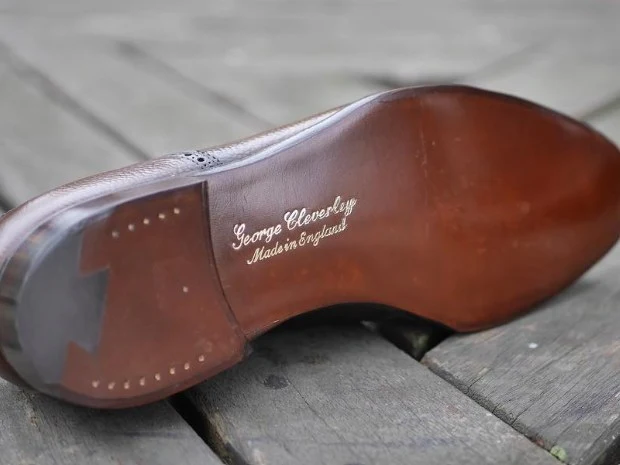
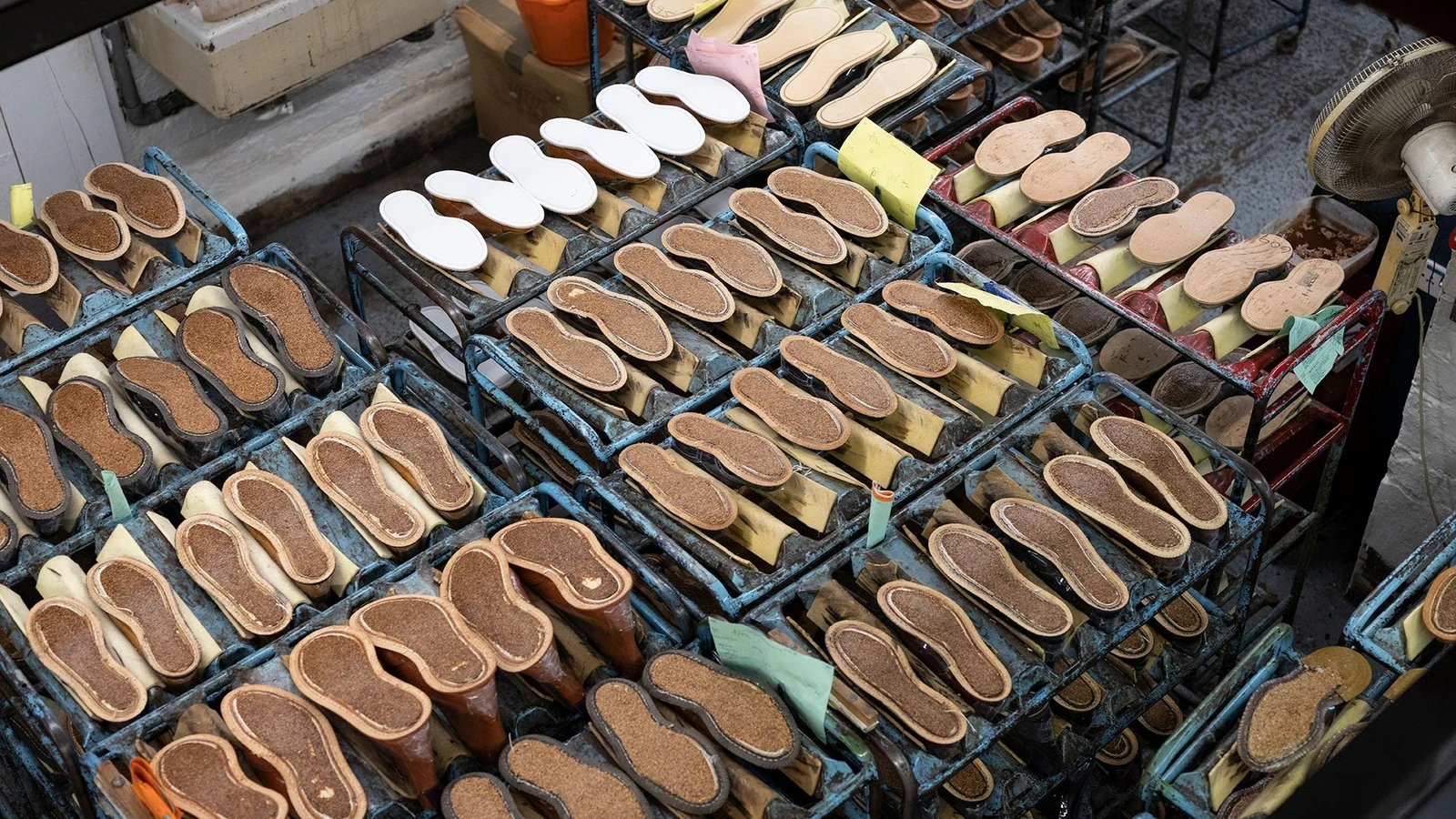
From those measurements, the maker carves or turns a last, a wooden or plastic form in the exact shape of the client's foot, modified for the style of shoe being made. This is where the craft lives. A last for a chisel-toe Oxford sits differently than one for a round-toe loafer; the toe spring, the heel pitch, and the waist all shift. The client typically sees the last before leather is cut, and some makers offer a trial shoe in a cheaper material before committing the final hide.
At George Cleverley, new customers whose last is being used for the first time are invited to attend a preliminary fitting to confirm the last and fit are correct before the upper is completed. The client is paired with a single craftsman throughout the entire process, from that first measurement to final delivery.1For new customers, the upper is tried on without soles to check fit before the sole is attached.1For existing clients with a known last, shoes are delivered without a fitting required.2
Leather selection follows. The client chooses from the maker's stock: calf, cordovan, suede, or more unusual hides depending on the house. The maker advises on what works for the construction method, whether Goodyear welt, hand-welted, or bespoke Viennese or Norwegian construction. The sole material, the heel height, the lining, the thread color, and the last shape are all decisions the client makes in conversation with the maker, not from a menu.
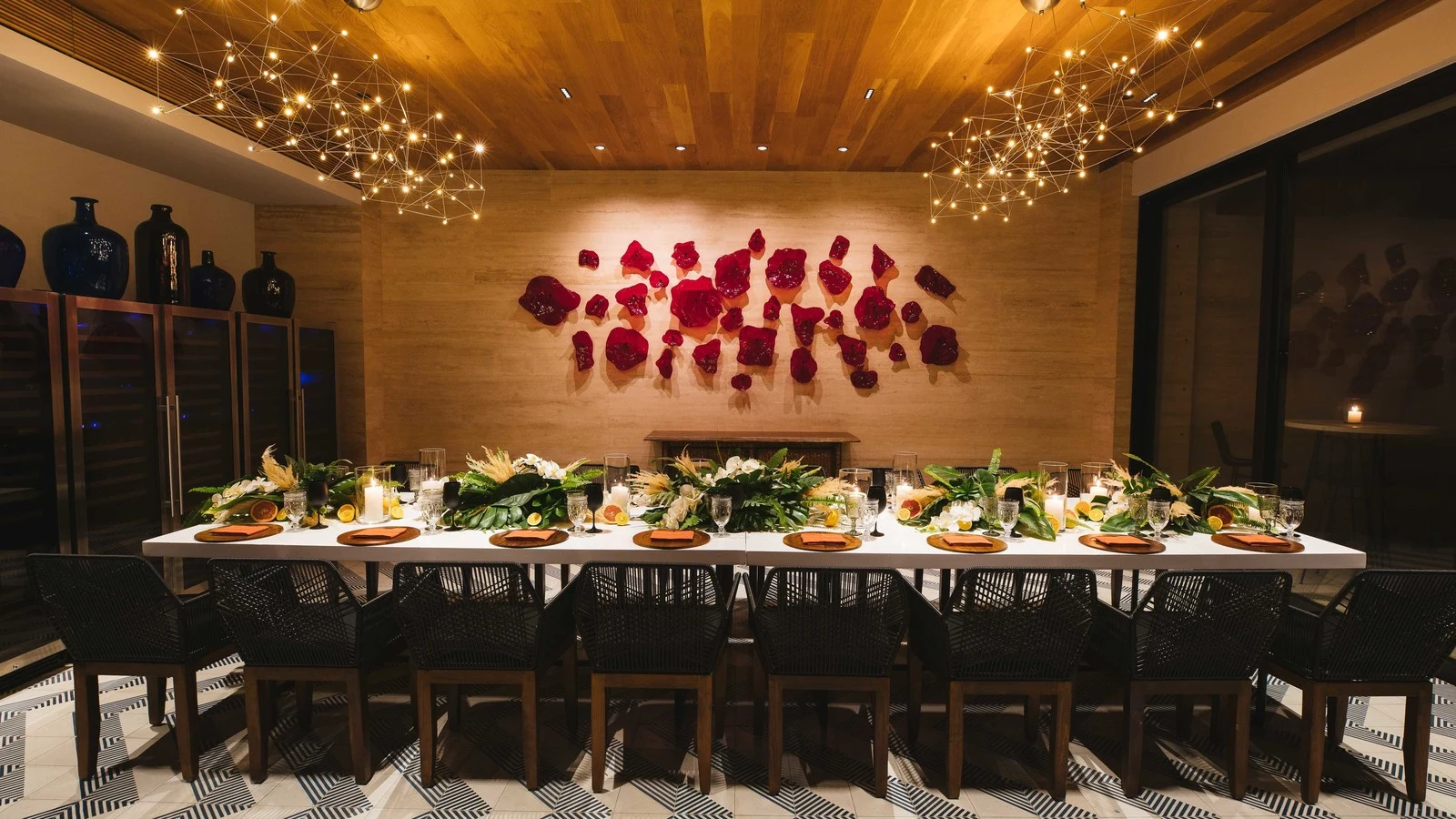
The room varies by house. Some makers work from a single-room workshop above a street-level shop; others use a studio that doubles as a showroom, with lasts lining the walls like a record of every client who has sat in that chair. The atmosphere is quiet and focused. The work is slow by design.
Why the Best Bespoke Shoemakers Are Hard to Reach
Capacity is the constraint. A single cordwainer working by hand produces a limited number of pairs per year. The hand-welting of a single shoe, from lasting through welt-sewing to sole-laying and finishing, takes many hours of bench time. A maker who also cuts their own patterns, turns their own lasts, and handles client fittings personally has a finite number of hours in a week. The waiting lists at the most established houses reflect this arithmetic directly.
The demand side has grown. Interest in bespoke footwear has increased steadily over the past decade, driven partly by a broader turn toward craft goods and partly by the visibility of bespoke shoemaking through social media and documentary coverage. The makers who trained under the previous generation of London, Vienna, or Tokyo cordwainers now carry waiting lists that stretch well beyond a year at the top end.
Geography compounds the difficulty. The concentration of bespoke shoemakers is highest in London, particularly around St. James's and Mayfair, Vienna, Budapest, and Tokyo. Clients outside those cities must factor in travel for fittings, or work with makers who offer traveling trunk shows, which happen on a fixed seasonal schedule and book out quickly.
The other constraint is the last. Once a maker holds your last, the relationship has a kind of permanence. Clients who have been with a house for years have priority for fitting appointments and for the maker's time. New clients enter at the back of that queue.
When Bespoke Shoemakers Open Their Books
Most established bespoke shoemakers do not publish a fixed calendar for when they accept new commissions. The books open when a client drops off the list or when the maker's capacity increases, and this is communicated directly to people who have already made an inquiry, not through a public announcement.
The practical implication: the best time to inquire is now, not when you are ready to order. Send the inquiry, get on the waiting list, and let the maker contact you when a fitting slot opens. Waiting until you have a specific occasion in mind and then expecting a six-week turnaround is the most common mistake new clients make.
Some makers run seasonal trunk shows in cities outside their home base, typically in spring and autumn. These are announced through the maker's mailing list or social channels, and fitting slots at trunk shows fill within days of announcement. Subscribing to the maker's newsletter is the only reliable way to catch these windows.
Specific makers' current wait times and booking windows are not published in a centralized source; the studio should be contacted directly for current availability. Attempting to infer wait times from secondhand forum posts is unreliable, as lists move at different speeds depending on the complexity of commissions in progress.
How to Contact a Bespoke Shoemaker
Direct email or telephone to the studio is the primary channel for every serious bespoke maker. Most do not use third-party booking platforms for commission inquiries; the consultation is too involved to be handled through a generic reservation system. The maker's website will carry a contact form or an email address, and that is the correct first point of contact.
John Lobb bespoke appointments can be booked in-shop, at home, or via international consultations by submitting name and address through a form on their website.3John Lobb also has representatives travelling internationally throughout the year; if visiting a representative is not possible, a self-measurement form can be sent.3 George Cleverley's bespoke appointments can be booked via the 'Book a Bespoke Appointment' link on their website.1
For makers who attend trade events or trunk shows, those events are the fastest route to a first conversation. The Salon du Soulier in Paris, the London trunk shows run by individual makers, and the Budapest shoemaking events that have grown around the city's cordwaining tradition all offer access to multiple makers in a single visit. These are not retail events; they are working consultations.
Referral from an existing client carries weight at some houses. If you know someone who has commissioned from a maker you want to work with, an introduction is worth more than a cold inquiry. This is not a formal policy at most studios, but it reflects the reality of how small workshops manage their client relationships.
Social media, particularly Instagram, is where many younger makers maintain their most active public presence. Following a maker's work over time, engaging with the craft rather than simply asking for a price, builds a kind of familiarity that can make a first inquiry feel less cold. This is not a shortcut to the front of the list, but it is a more honest way to begin a relationship with someone whose work you are asking to wear.
What Repeat Bespoke Clients Do Differently
Clients who have navigated bespoke commissions successfully tend to do a few things that first-time clients do not. They inquire early and without urgency, which signals to the maker that they understand the timeline. They arrive at the first consultation having already thought about construction method, sole type, and intended use, which shortens the conversation and shows they have done the background reading.
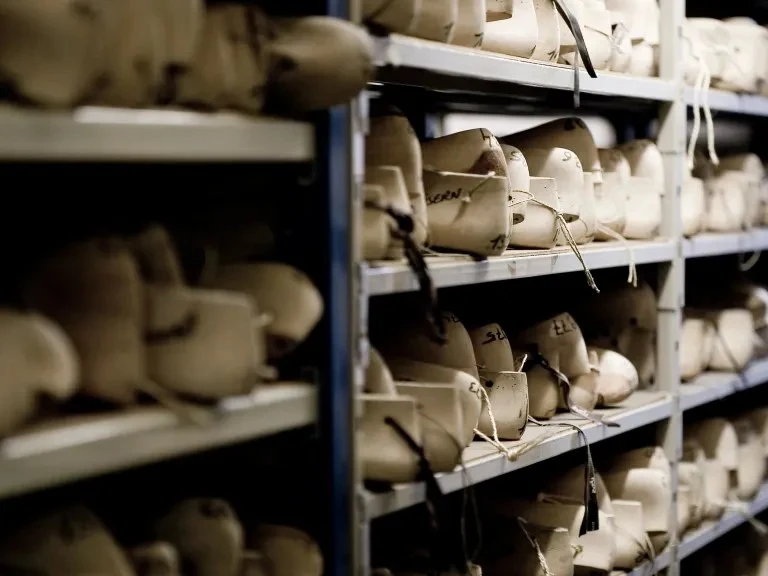
They also keep the last. The last is the most valuable thing a bespoke relationship produces, because every subsequent pair is made from it. John Lobb, for instance, typically requires only a single fitting for most customers; once the first pair fits well, subsequent pairs normally do not require a fitting at all.3 Clients who commission a second pair from the same maker skip the most time-consuming part of the process. Some makers store lasts indefinitely for active clients; others charge a storage fee or return the last after a period of inactivity. Clarifying this at the first commission is worth doing.
Insiders also track the maker's seasonal calendar. Trunk shows in spring and autumn are the windows when makers travel and when new fitting slots sometimes open.
The Seasonal Calendar for Bespoke Shoe Commissions
Autumn, roughly September through November, is the busiest period for new commission inquiries. Clients thinking about shoes for winter events, or wanting delivery before the following spring, tend to make contact in this window. Wait times quoted in autumn often reflect the longest queues of the year.
January and February are quieter. Makers are working through the backlog from the autumn rush, and new inquiry volume drops. This is the window when a cold inquiry is most likely to receive a prompt response and a realistic wait-time estimate.
Spring trunk shows, typically March through May, are the best opportunity for clients outside the maker's home city to secure a fitting slot without traveling to London, Vienna, or Tokyo. These are announced with varying lead times; some makers give mailing-list subscribers two weeks' notice, others less.
Summer is variable. Some makers take a workshop closure in August, particularly in Europe. Inquiring in July and expecting a September fitting is often unrealistic. Confirming the maker's schedule before planning around a delivery date is essential.
Who Commissions Bespoke Shoes, and Why
The clients who sit in the fitting chair are not a uniform group. Some are buying their first pair of bespoke shoes after years of wearing good ready-to-wear; they want to understand what the fit difference actually feels like. Others are deep into a collection and are commissioning a specific construction or hide they cannot find elsewhere. A smaller number have orthopedic requirements that make bespoke the only functional option.
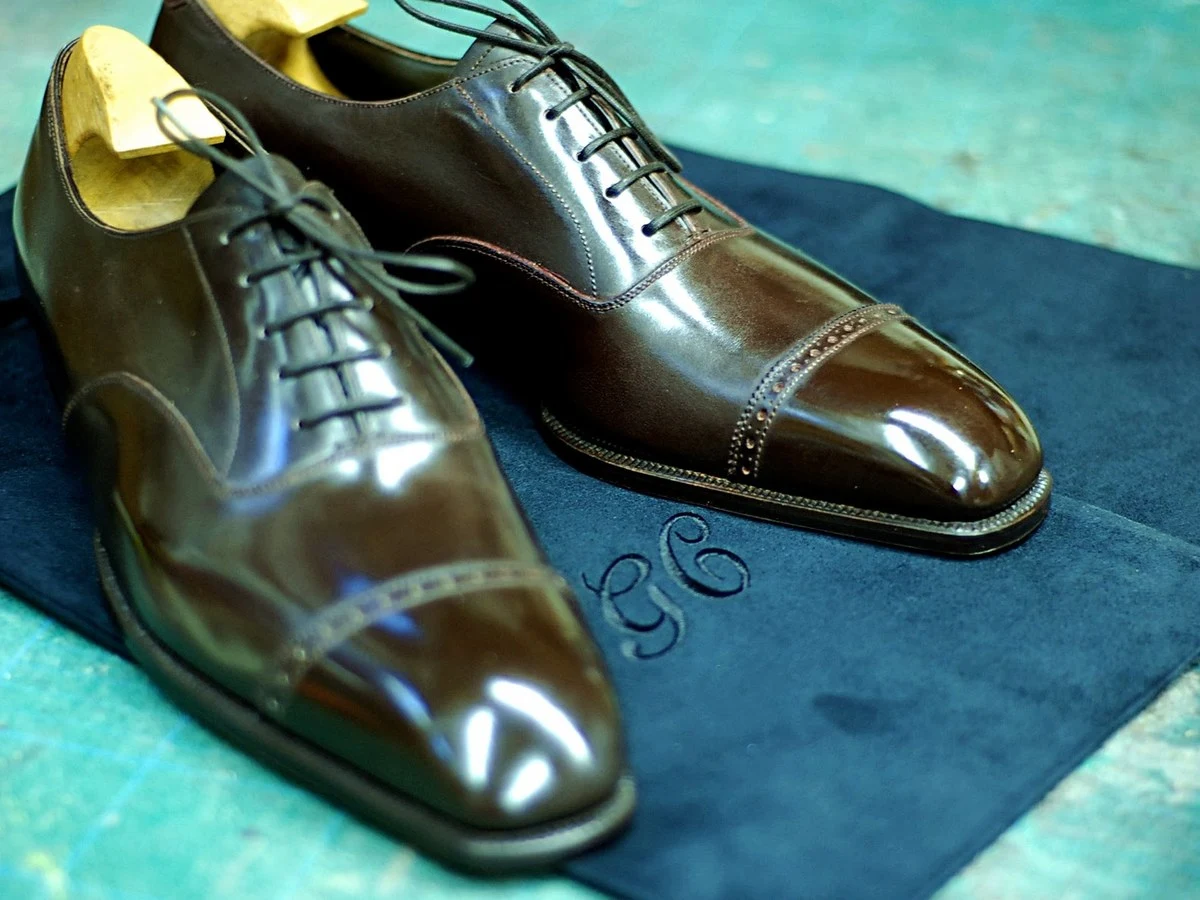
The occasions that drive commissions tend to be durable rather than one-off: a wedding, yes, but more often the recognition that a person has reached a point in their life where they want to own something made specifically for their foot and worn for decades. Bespoke shoes, maintained properly, outlast most other garments in a wardrobe.
The commission is not the right choice for someone who needs shoes quickly, who is unwilling to travel for fittings, or who is primarily motivated by the label rather than the fit and construction. The process asks for time, attention, and a willingness to make decisions in conversation with the maker. Clients who treat it as a transaction tend to be disappointed; clients who treat it as a collaboration tend to commission again.
Alternatives When the Best Lists Are Closed
Bespoke and Made-to-Order Shoe Options: A Practical Comparison
| Option | Access Difficulty | Lead Time | Cost Range | How to Book |
|---|---|---|---|---|
| Full bespoke (top London/Vienna/Tokyo houses) | High; waiting lists often 12+ months | First pair approx. 6 to 7 months at John Lobb; possibly longer depending on style and last maker workload3 | Not published centrally; contact studio directly | Direct email or studio inquiry form |
| Full bespoke at Gaziano & Girling | High; appointment required | Not published; contact studio directly. Process always includes at least two fittings.4 | First pair from approx. £5,000 to £5,400; confirm current pricing with Gaziano & Girling directly4 | Direct contact via Gaziano & Girling website or Savile Row showroom |
| Gaziano & Girling Made-to-Order | Low to medium; no fitting required | Currently around four months5 | From £1,890 plus VAT (standard); Optimum make from5 £4,100 ex-VAT5 | Email or WhatsApp the Savile Row team, or visit the showroom6 |
| Trunk show fitting with traveling bespoke maker | Medium; slots fill quickly after announcement | Depends on maker's schedule; seasonal | Same as maker's standard bespoke pricing | Mailing list subscription; respond quickly to announcements |
Emerging cordwainers who trained under established makers are the most underused alternative. A maker in their fifth or sixth year on the bench, who apprenticed under a recognized name, brings the same foundational method and often has more time to spend with a new client. Their lists are shorter, their prices are lower, and the work is frequently indistinguishable from their mentor's output at the construction level. Following the graduates of programs like the Cordwainers course at London College of Fashion, or the shoemaking programs in Budapest and Vienna, is the insider route to finding these makers before their lists fill. For those interested in the discipline itself, the Schola Academy bespoke shoemaking course,7 run in association with Stefano Bemer, costs €13,800 for 20 weeks across Apprentice and Artigiano levels, starting in February or September.
Made-to-measure from a house that uses a fitted last rather than a graded standard size is a genuine middle option. It is not bespoke; the last is not made from your foot. A well-fitted MTM shoe from a house with a serious program is a better shoe than most people have worn. The lead time is shorter and the fitting process requires fewer visits. John Lobb requires a 50% deposit on all orders,3 and does not sell ready-to-wear; every pair is bespoke,3 which sets the floor for what the house considers a commission.
Is Bespoke Shoe Commissioning Worth the Wait?
The commission is worth pursuing if you are prepared to treat the timeline as a feature rather than a flaw. The process of having a last made, of choosing leather and construction in conversation with a maker who has spent years at the bench, produces something that a retail transaction cannot replicate: a shoe that fits your specific foot, built by a specific pair of hands, to a standard that improves with each subsequent commission from the same last.
The waiting list is the only route that reliably works at the top houses. Inquiring early, without urgency, and staying on the maker's mailing list for trunk show announcements are the two behaviors that separate clients who get a fitting slot from those who wait indefinitely.
For clients whose timeline is shorter or whose budget does not yet reach full bespoke, an emerging cordwainer trained under a recognized maker is the smarter path to pursue. The craft is the same; the wait is shorter; and the relationship, if it holds, becomes the foundation for a full bespoke commission when the time is right. The makers doing the most considered work right now are often the ones whose names you have not yet heard, sitting at a bench in a city you have not yet visited, with a waiting list that is still short enough to join.
Frequently Asked Questions About Bespoke Shoes
How far in advance should I contact a bespoke shoemaker to commission a pair?At the most established houses, waiting lists are reported to run twelve months or longer; some clients wait two years or more. The practical advice is to make contact as soon as you know you want to commission, not when you have a specific deadline in mind. Makers do not publish fixed intake windows, so the inquiry itself gets you onto the list. Contacting the studio directly is the only way to get a current wait-time estimate.
Does John Lobb require a deposit when placing a bespoke order?Yes. John Lobb requires a 50% deposit on all orders. The first pair typically takes approximately 6 to 7 months to receive, possibly longer depending on style and last maker workload; subsequent pairs, once the last is established, take around 3 to 4 months. These figures are published on the John Lobb FAQ and should be confirmed with the studio at the time of inquiry, as workload varies.
What is the difference between full bespoke shoes and made-to-order shoes?Full bespoke means a last is carved or turned specifically from measurements of your foot, and the pattern is drafted for that last. No two pairs are alike. Made-to-order typically starts from a standard last in a chosen style, with the client selecting leather, sole, and details; the last is not unique to you. The construction method, the number of fittings, and the price differ accordingly. Full bespoke takes longer and costs more; made-to-order is a genuine alternative for clients whose feet are close to standard proportions.
Can I commission George Cleverley bespoke shoes without visiting the London shop?George Cleverley pairs each client with a single craftsman throughout the process and invites new customers to a preliminary fitting to confirm the last is correct. For clients who cannot travel to London, it is worth contacting the house directly to ask about trunk shows or remote consultation options; the house does not publish a remote-fitting policy on its website, so current availability should be confirmed with the studio. Appointments can be booked via the 'Book a Bespoke Appointment' link on the George Cleverley website.
Are there bespoke shoemaking programs for those who want to learn the craft rather than commission a pair?Yes. The Schola Academy, run in association with Stefano Bemer in Florence, offers a bespoke shoemaking course covering Apprentice and Artigiano levels over 20 weeks, with intakes starting in February or September. The application process begins with a call with admissions staff via Google Meet, followed by an evaluation meeting. The combined course costs €13,800. Details and the application form are available on the Schola Academy website.