Mashiko draws somewhere around 250 kilns and studios within a single rural town in Tochigi Prefecture, roughly two hours north of Tokyo by train and bus. You can visit, and the access is genuinely open for most of the year, but the experience you get depends almost entirely on when you arrive and whose door you knock on. The single best route for most visitors is to time a trip around the Mashiko Pottery Fair, held twice yearly in spring and autumn since 1966,1 when studios that keep their doors shut the rest of the year open to the public and the full range of the town's craft is visible at once.
Inside the Kilns: What a Day at the Mashiko Pottery Fair Looks Like
The Hamada Sankokan museum preserves the compound of Shoji Hamada at 3388 Mashiko, Mashiko Town, Tochigi Prefecture:2 the kiln, the thatched workshop, the collection of folk ceramics gathered across a lifetime. Walking through it, you see the bench as he left it, the tools arranged with the economy of someone who had stopped needing to think about where anything was. That is the register Mashiko operates in. The craft here is not decorative; it is structural to the town's identity.
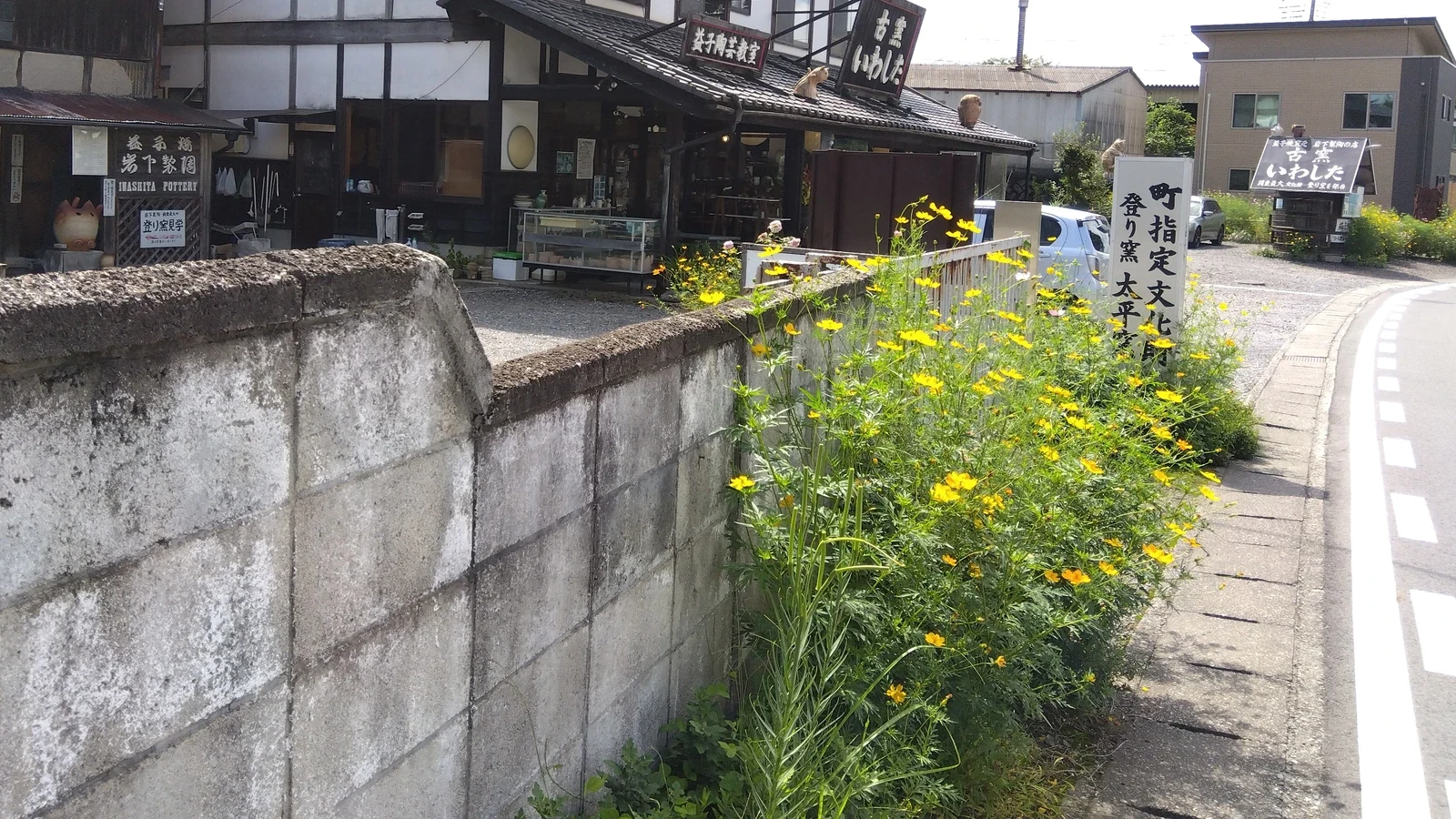
The town is compact enough to cover on foot or by bicycle, with studios and galleries clustered along the main road and spreading into the surrounding lanes. Many studios have a shop at the front and a working space visible behind it. You watch the potter at the wheel, or you don't, depending on the day and the maker's schedule. Some studios offer hands-on throwing sessions for visitors; the Mashiko-machi Tourism Association lists participating studios, though availability is not published centrally and is best confirmed by contacting studios directly before you travel.
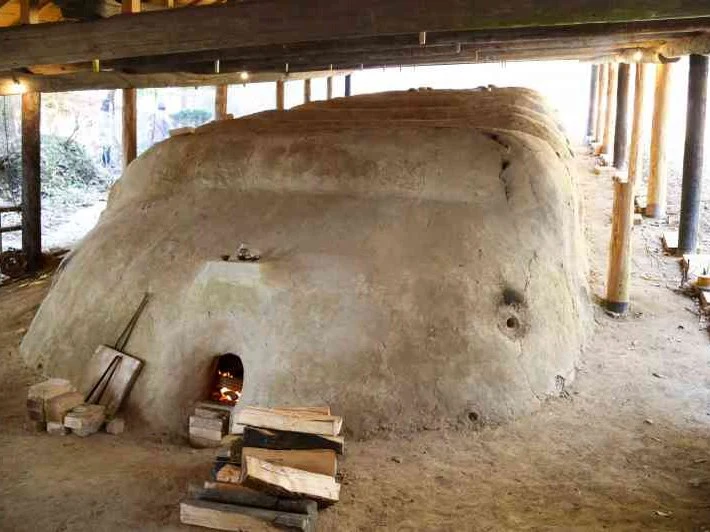
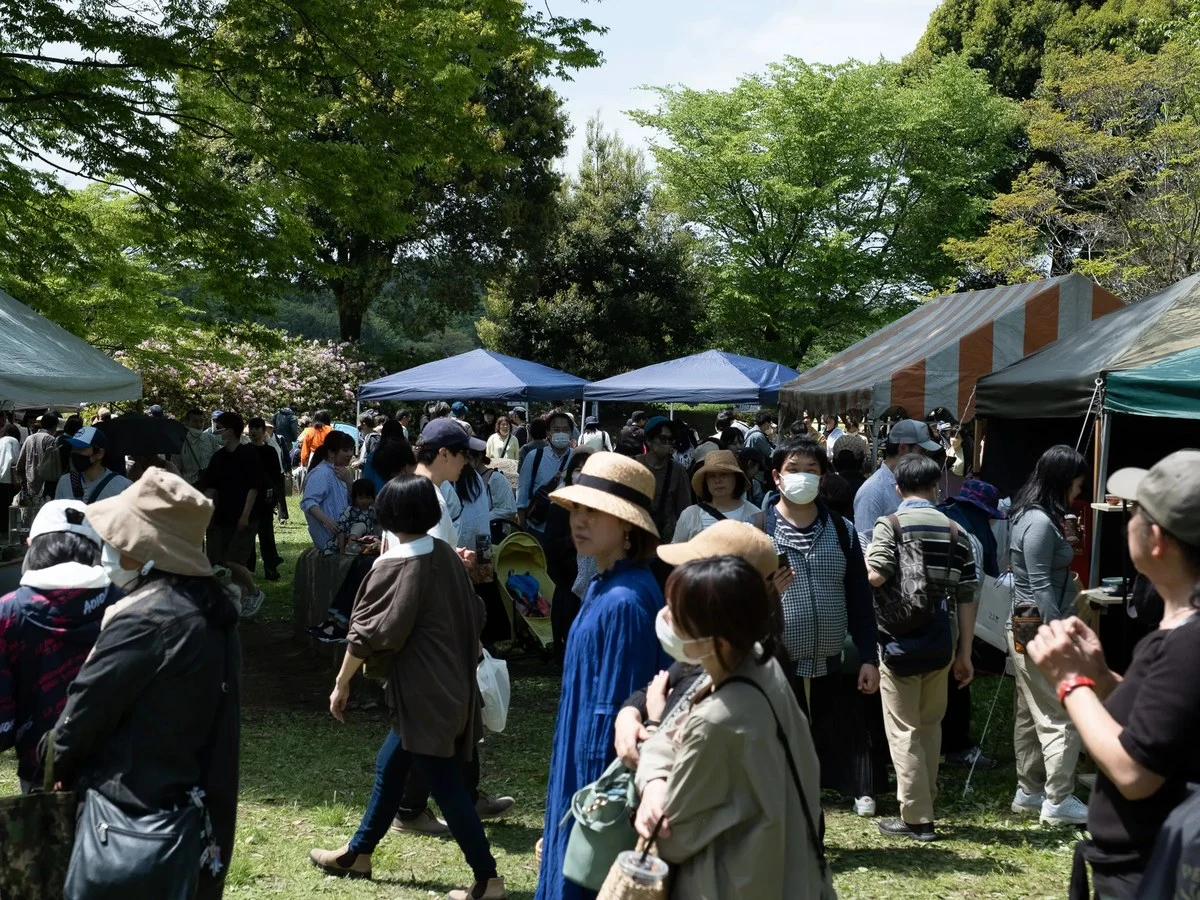
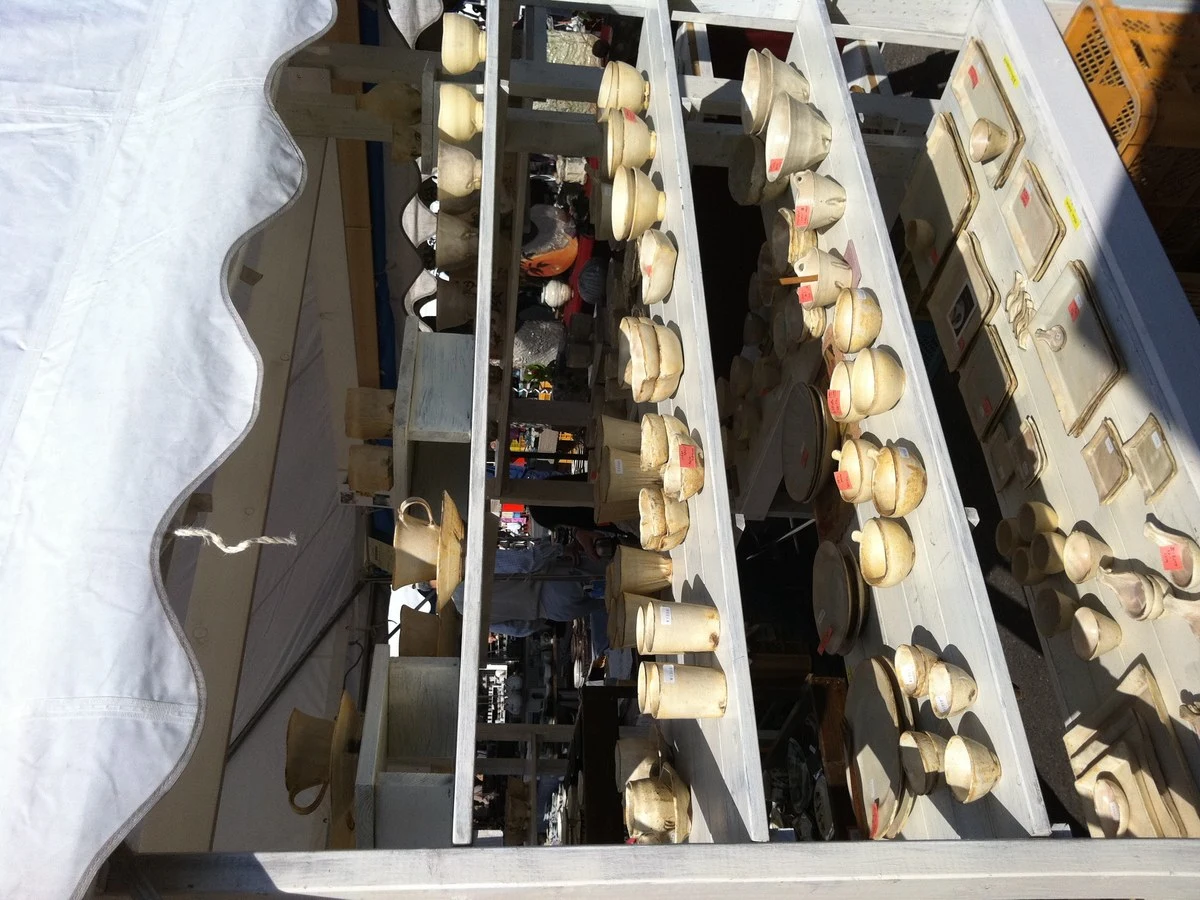
The Hamada Sankokan, also known as the Mashiko Reference Collection Museum (Mashiko Sankokan), holds Hamada's personal collection alongside rotating exhibitions of contemporary Mashiko work. Its climbing kiln reconstruction was completed in 2015, and a pottery-firing event is held every three years as the Project for Resurrection of the Kiln.2 The Togei Messe Mashiko complex, a cluster of galleries and shops on the edge of town, functions as a kind of permanent fair ground, open year-round. During the twice-yearly Pottery Fair, the entire town shifts register: more than 50 permanent shops and 700 outdoor tents3 fill the streets, studio gates open, and potters who spend the rest of the year working in relative quiet set out their full range on trestle tables. The crowd is a mix of Tokyo collectors who make the trip specifically for the fair, local buyers who come every season, and first-time visitors who stumbled onto the dates. You will stand next to someone who has been buying from the same potter for twenty years and someone who picked up a leaflet at Ueno Station that morning.
The sensory texture of the fair is specific: the smell of wood smoke from demonstration kilns, the particular weight of a yunomi in your hand before you decide whether to buy it, the sound of potters explaining their clay bodies and firing temperatures to anyone who asks.
Mashiko clay is iron-rich and relatively coarse; it fires to a warm brown-red that the town's characteristic glazes, including the milky white nuka and the iron-brown kaki, sit against with a directness that is hard to replicate elsewhere. These are not decorative choices.
They are the result of working with what the local ground provides, the same discipline the town's current generation of makers continues.
The fair's main activity centers on Jonaizaka (城内坂), the sloped main street running through the pottery district,3 with tents and stalls extending into the surrounding lanes. The fair grounds are approximately 20 minutes' walk from Mashiko Station on the Mooka Railway.4 Prices across the fair run from ¥500 for small cups and accessories up to ¥5,000 and beyond for serving dishes and larger pieces.3 Most stalls are open 9:00 to 17:00,4 though the last day closes at 16:00.3 Some kilns draw particular attention: Yoshizawa kiln's stall is so popular that admission is only possible after numbered tickets have been distributed,5 a detail worth knowing before you plan your morning.
Why the Mashiko Pottery Fair Fills Up and What That Means for Planning
The spring 2026 fair (113th edition) runs Wednesday April 29 to Wednesday May 6, eight days coinciding with Golden Week.3 The autumn 2026 fair (114th edition) runs Saturday October 31 to Tuesday November 3, four days centered around Culture Day.3 Golden Week is one of Japan's busiest domestic travel periods; accommodation in and around Mashiko books out weeks in advance during the spring fair. The November fair draws a slightly smaller crowd, and accommodation is easier to secure, though the town is still busy by its own standards. Studios that open only during the fair represent the primary access problem: there is no other window to see their full range or to buy directly from the maker.
Outside fair periods, the town is quieter and more navigable. The main galleries and the Togei Messe complex are open year-round, and a number of studios maintain regular shop hours. But the density of access, the ability to move from kiln to kiln across a single afternoon and speak directly with the people doing the work, is a fair-period phenomenon. If your interest is in the craft rather than the shopping, the off-season visit has its own logic: fewer people, more time with individual makers, and the possibility of watching production rather than sales.
How to Get to Mashiko and Where to Start
The practical access route from Tokyo runs via the Tohoku Shinkansen from Tokyo or Ueno to Utsunomiya (approximately 50 minutes, ¥4,290 unreserved), then by Kanto Higashino Bus to Mashiko.3 Alternatively, from Akihabara Station, the Highway Bus Kanto Yakimono Liner takes approximately 2 hours 30 minutes to the Togei Messe Entrance bus stop.4 Utsunomiya is a practical base for a multi-day trip; from JR Utsunomiya Station, the Kanto Bus Mashiko line takes approximately 60 minutes to the Togei Messe Entrance stop.4 Bicycle rental is available at Mashiko Station and several locations in town at approximately ¥800 per day,3 and is the most efficient way to cover the studios spread across the town. During the fair, temporary parking lots open throughout the town; expect to pay ¥500 to ¥1,000 for parking.3
The Mashiko-machi Tourism Association is the primary planning resource, reachable at TEL: 0285-70-1120.4 There is no central booking platform for studio visits; the tourism site and direct contact with studios are the two channels that actually work.
What insiders do differently is contact specific potters before the fair, not during it. A collector who has been buying Mashiko work for years will reach out to a studio in March to ask what will be available in May, sometimes to reserve a piece before the fair opens. During the fair itself, the most sought-after work from established makers sells in the first hours of the first morning. Arriving on day one when the gates open is not a tactic; it is the baseline. The deeper move is the relationship built across multiple visits, the kind that earns you a call when something worth seeing comes out of the kiln.
Seasonal Logic: When to Go and When to Stay Home
Spring fair (late April to early May): the fullest access, the largest crowd, the most studios open. Golden Week accommodation pressure is real. Book early or base yourself in Utsunomiya.
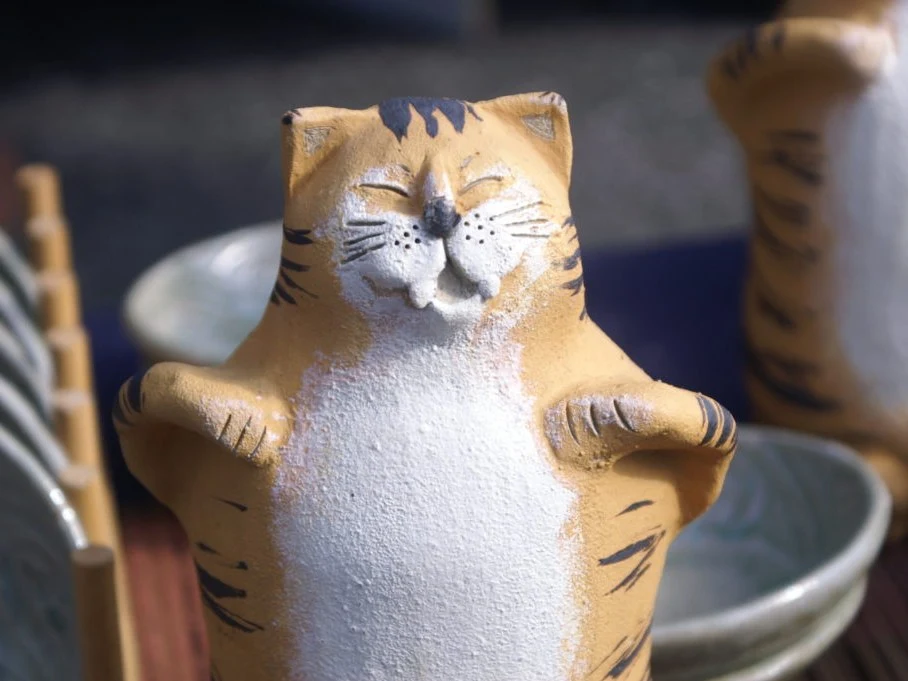
Autumn fair (early November): slightly quieter, the light is better for photography, and the town's rice fields are harvested. Accommodation is easier. The range of work on offer is comparable to spring.
Summer (June to August): hot, humid, and relatively quiet. The main galleries and Togei Messe are open. A good time to visit if you want to watch potters work without the fair-period pressure, but many smaller studios keep irregular hours.
Winter (December to February): the coldest months, and some studios reduce hours or close entirely. The Hamada Sankokan and the main museum spaces remain open. Not the primary season for a first visit, but worth considering for a return trip focused on a specific maker.
Who Should Make the Trip and When It Earns the Effort
The trip earns its effort for anyone whose interest in ceramics runs past the decorative: cooks who want to understand the relationship between a clay body and the food it holds, collectors building a considered set of tableware over years, students of craft who want to see a living tradition at scale rather than a single studio. The fair is also a reasonable destination for a traveler who wants to spend a day outside Tokyo doing something with more texture than a museum visit.
It is less suited to anyone expecting a curated, guided experience. Mashiko is a working town, not a heritage attraction. The studios are businesses. The potters are at the wheel or the kiln, not waiting to explain their practice to every visitor. The reward scales with the preparation you bring: knowing whose work you want to see, having a question ready, being willing to buy something rather than just look.
Mashiko vs. Other Japanese Pottery Town Visits: A Practical Comparison
| Destination | Access Difficulty | Best Season | Studio Access | From Tokyo | How to Plan |
|---|---|---|---|---|---|
| Mashiko, Tochigi | Low to moderate (fair periods: moderate) | Late April / early November (fair) | Open studios during fair; galleries year-round | ~2 hours (Shinkansen + bus) | Mashiko Tourism Association; direct studio contact |
| Arita, Saga (Kyushu) | Moderate (Arita Ceramic Fair: high) | Late April to early May (fair) | Galleries year-round; kiln visits vary | ~5 to 6 hours (Shinkansen to Hakata, then local) | Arita Ceramic Fair official site; direct kiln contact |
| Bizen, Okayama | Low outside fair; moderate during Bizen Yaki Festival | October (festival) | Many studios open year-round | ~3.5 hours (Shinkansen to Okayama, then local) | Bizen City Tourism; walk-in to most studios |
| Tokoname, Aichi | Low; most studios and the pottery walk open year-round | Year-round; spring and autumn most comfortable | Pottery walk, open studios, hands-on workshops | ~2 hours (Shinkansen to Nagoya, then Meitetsu) | Tokoname City Tourism; walk-in access to most sites |
Other Pottery Towns Worth the Journey
Arita, Saga. The birthplace of Japanese porcelain, with a tradition running back to the early seventeenth century. The Arita Ceramic Fair, held annually in late April and early May, is one of the largest ceramics markets in Japan. The distance from Tokyo is significant (roughly five to six hours by Shinkansen to Hakata, then local rail), which makes it a natural anchor for a Kyushu trip rather than a day excursion. The work here is porcelain rather than stoneware; the aesthetic register is different from Mashiko, and the two towns together cover a wide range of the Japanese ceramic tradition.
Bizen, Okayama. Bizen ware is unglazed and fired in wood-burning kilns; the flame patterns and ash deposits that accumulate during firing are what distinguish each piece. The town is smaller than Mashiko and quieter outside the October Bizen Yaki Festival, but many studios maintain open hours year-round and walk-in visits are common. The work has a severity that rewards close attention.
Tokoname, Aichi. The most accessible of the major pottery towns for a day trip from Nagoya, with a well-marked pottery walk through the old kiln district and a number of studios offering hands-on workshops. The tradition here is primarily teapots and small functional ware. Less dramatic than Mashiko or Bizen, but the infrastructure for visitors is the most developed of any Japanese pottery town.
Worth the Journey?
Mashiko is one of the few places in Japan where a working craft tradition and genuine public access overlap at scale. The Pottery Fair is the clearest argument for the trip: eight days in spring3 and four days in autumn,3 twice a year, when the full range of the town's output is visible and the people who made it are standing behind the tables. Outside those windows, the town is still worth visiting, but the experience is quieter and more self-directed.
The allocation of effort is clear: confirm the fair dates via the Mashiko Town Tourist Association,4 book accommodation as soon as dates are announced (particularly for the spring fair), and contact the specific studios you want to visit before you travel. The work that matters sells early.
For anyone whose interest in ceramics is more than passing, Mashiko is not a detour. It is a destination that rewards return visits across years, the kind of place where the craft is still being made the long way and the evidence is in every piece on the table. madeby follows the people who work this way, and the Mashiko access problem, like most access problems worth solving, is really a question of whose hands you want to watch and how early you're willing to arrive.
Frequently Asked Questions
What are the exact dates for the Mashiko Pottery Fair in 2026?The spring 2026 Mashiko Pottery Fair (113th edition) runs Wednesday April 29 to Wednesday May 6, 2026, eight days coinciding with Golden Week. The autumn 2026 fair (114th edition) runs Saturday October 31 to Tuesday November 3, 2026, four days centered around Culture Day. Confirm current details directly with the Mashiko Town Tourist Association (TEL: 0285-70-1120) before booking travel.
Can you visit Mashiko pottery studios outside the fair period?Yes. The Togei Messe Mashiko complex, the Hamada Sankokan museum, and a number of individual galleries and studios maintain year-round hours. However, many smaller studios open only during the fair or keep irregular hours outside it. The Mashiko-machi Tourism Association website carries studio listings; contacting studios directly before a visit is the most reliable way to confirm what will be open.
How do you book a hands-on pottery throwing session at a Mashiko kiln?Several studios in Mashiko offer hands-on throwing sessions for visitors, but there is no central booking platform. The Mashiko-machi Tourism Association lists participating studios on its website. Contact individual studios directly, ideally several weeks before your planned visit, to confirm availability and reserve a session. During the Pottery Fair, sessions may be fully booked; off-season visits offer more flexibility.
How long does the journey from Tokyo to Mashiko take, and what is the best route?The standard route runs via the Tohoku Shinkansen from Tokyo or Ueno to Utsunomiya (approximately 50 minutes, ¥4,290 unreserved), then by Kanto Higashino Bus to Mashiko. From Akihabara, the Highway Bus Kanto Yakimono Liner takes approximately 2 hours 30 minutes direct to the Togei Messe Entrance stop. Rental bicycles are available in Mashiko at approximately ¥800 per day for getting between studios.
What is the Mashiko Sankokan, and does it hold regular public events?The Mashiko Sankokan (Mashiko Reference Collection Museum) is located at 3388 Mashiko, Mashiko Town, Tochigi Prefecture, and preserves the compound associated with the town's folk-craft tradition, including a climbing kiln whose reconstruction was completed in 2015. A pottery-firing event is held every three years as the Project for Resurrection of the Kiln. The museum is open to the public; confirm current opening hours and admission details directly with the museum before visiting.