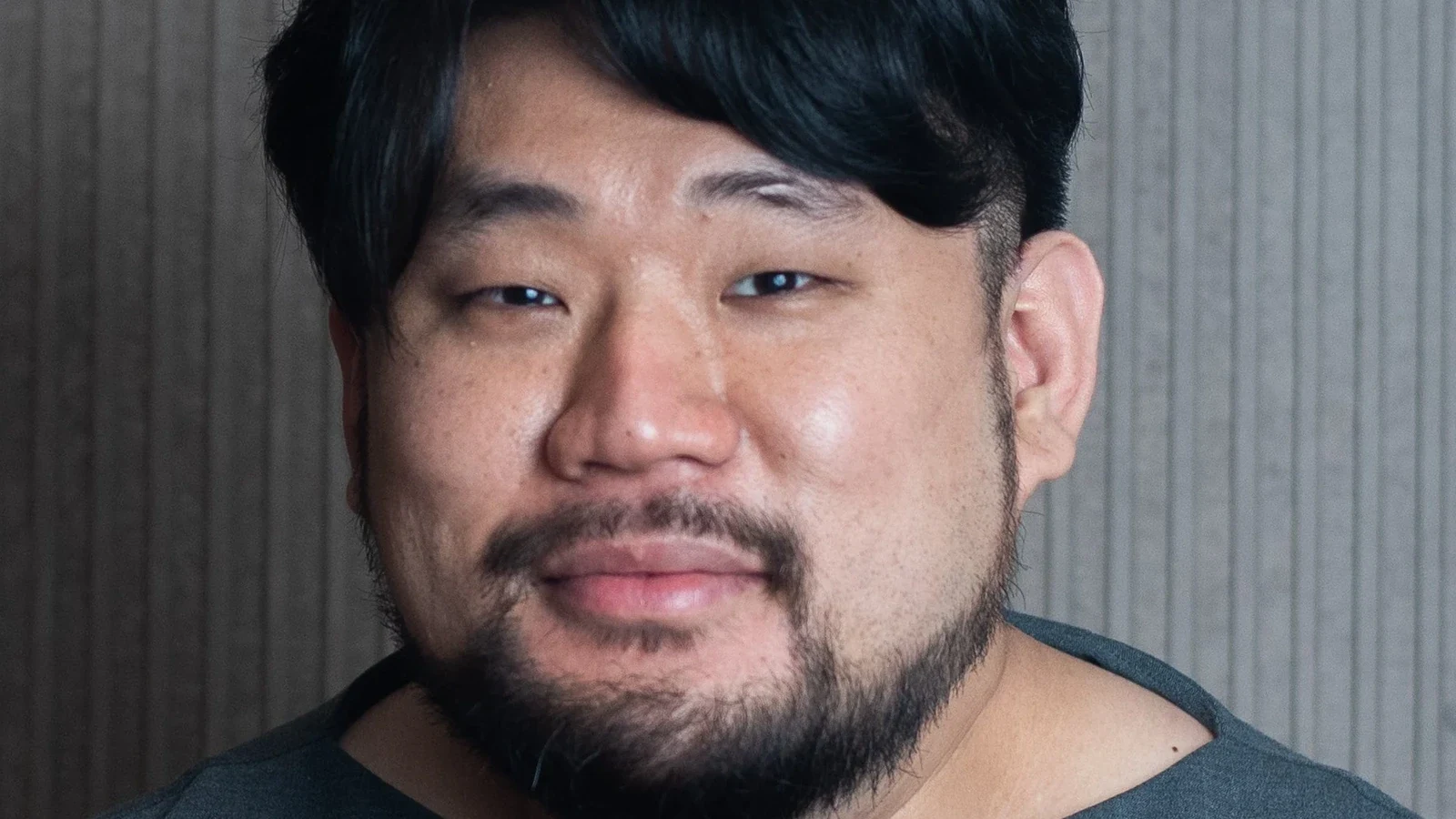
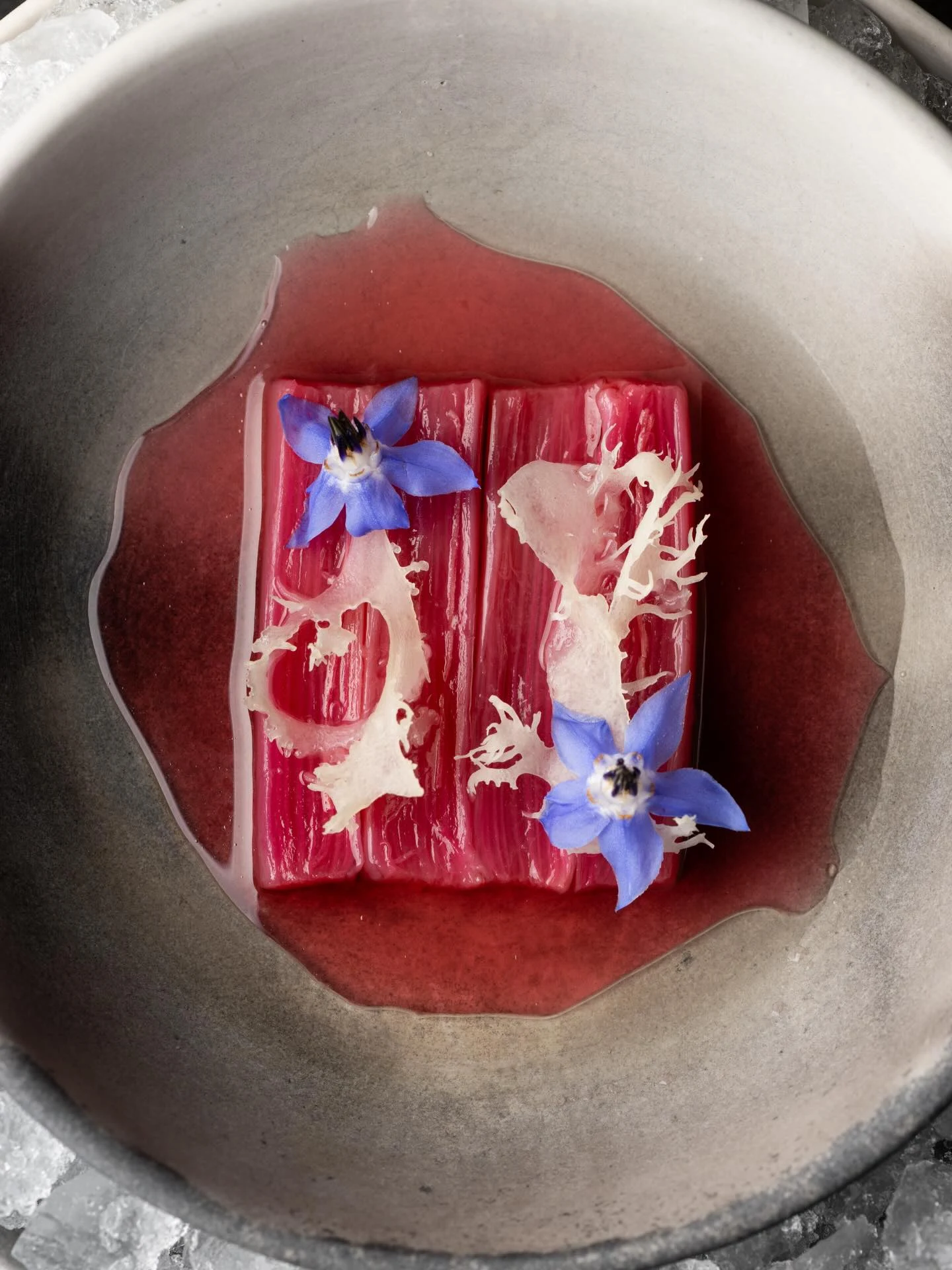
Chef Hasung Lee stands at the pass of his first restaurant, Oyatte, plating kohlrabi from Crown Daisy Farm with pickled lilac flower and Amagansett sea salt. The root vegetable, no larger than a golf ball, is peeled and served with dipping sauces made from preserved kumquats and cherry blossoms. After more than a decade in Michelin-starred kitchens, including helping Atomix earn two stars and a stint at three-starred The French Laundry, Lee now runs his own tasting menu at 125 East 39th Street in New York City.
Chef Hasung Lee Opens Oyatte NYC Restaurant After Atomix
Lee's resume reads like a map of contemporary fine dining: The French Laundry under Thomas Keller, Atomix during its ascent to two Michelin stars, and a turn on Netflix's Culinary Class Wars that introduced his technique to a broader audience. Oyatte NYC restaurant is the first where he sets the menu, trains the staff, and defines the cuisine. The format is intimate by design: a multi-course tasting menu that moves diners between two floors during service. Guests begin downstairs with five to eight canapés before sommelier and general manager Cécile Chastanet, who worked with Lee at Per Se, leads them upstairs to the main dining room.
The opening positions Oyatte within a crowded field of New York tasting menu restaurants, but Lee's approach distinguishes itself through sourcing and technique. Every week, Brett Ellis, owner of Crown Daisy Farm in upstate New York, delivers produce directly to the restaurant. The farm supplies the tender kohlrabi, wild water parsley, and chrysanthemum that anchor several courses. Lee preserves ingredients across seasons: kumquats, cherry blossoms, and lilac flowers are pickled and fermented to carry spring and summer flavors into fall and winter menus.
The two-floor configuration creates a deliberate rhythm. Downstairs, diners taste small bites that introduce Lee's technique and the farm's seasonal offerings. Upstairs, the full courses unfold with more elaborate plating and longer intervals between dishes. The structure allows Lee to control pacing and build a narrative across the meal, a technique he refined during his years on the line at Atomix and The French Laundry.
The Menu: Upstate Farms Meet Korean Technique
Lee's menu draws on Korean ingredients and fermentation methods without announcing itself as Korean cuisine. The spring green porridge, a dish he prepared on Culinary Class Wars, layers rice cooked in a sauce made from chrysanthemum and wild water parsley. The rice is plated with soy sauce-macerated truffle slices, a combination that bridges the earthy bitterness of the greens with the umami depth of the truffles. The dish reads as vegetable-forward, but the technique behind it is labor-intensive: the green sauce requires careful reduction to concentrate flavor without turning bitter.
The smoked quail course demonstrates Lee's approach to protein. Quail from Wolfe Ranch is brined, glazed, and smoked over two days. The bird is served with a béarnaise sauce whipped in a blender, an einkorn base, and quickly seared white asparagus. The plate is finished with fermented butternut squash hot sauce, bubbly and tart, and delicate greens. The quail itself is rich and smoky; the accompaniments provide acidity and texture to balance the fat.
A squid and cucumber course uses four preparations of cucumber: Kirby, Persian, and English varieties are used in a beer sauce, charred, sautéed, and turned into a relish. The squid is butchered in-house and aged overnight before cooking. The dish is layered in a bowl: smoked eel mousse panna cotta at the base, thinly sliced charred cucumber, squid, caviar, and beer sauce on top. The eel mousse adds a creamy, smoky foundation; the beer sauce introduces a malty bitterness that cuts through the richness of the caviar and eel.
Lee's technique reflects his training under chefs who prize precision and repetition. At The French Laundry, he learned to butcher proteins with surgical accuracy and to build sauces that require days of preparation. At Atomix, he worked within a Korean-inflected fine dining framework that emphasized fermentation, preservation, and seasonal ingredients. Oyatte NYC restaurant synthesizes both influences: the discipline of French technique applied to Korean flavors and upstate New York produce.
Two Floors, Two Experiences: How the Space Works
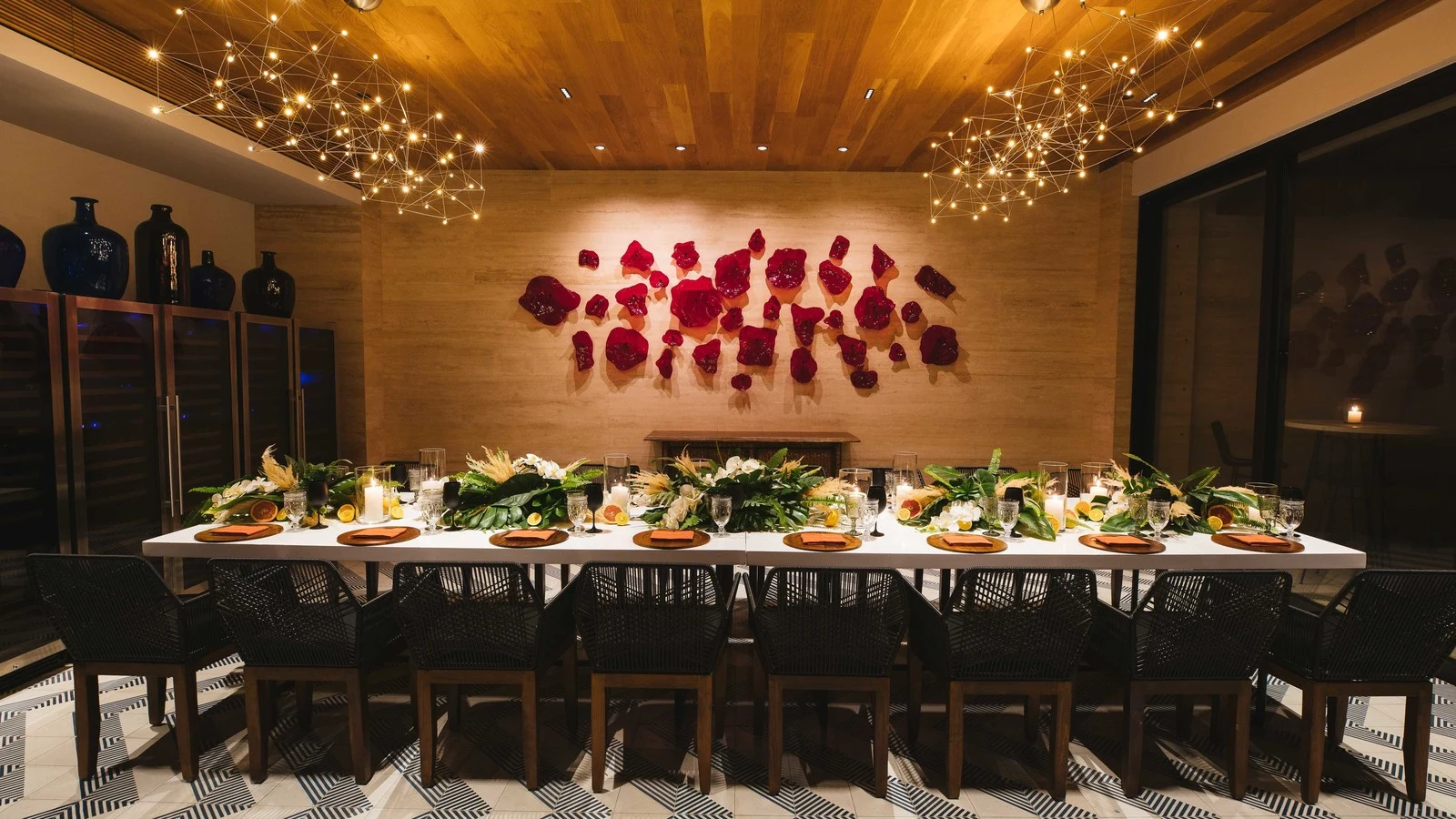
The 125 East 39th Street location uses vertical space to create distinct dining zones. Downstairs functions as an aperitif stage: guests are seated, served canapés, and introduced to the evening's ingredients. The kohlrabi course, for example, often appears here, allowing diners to taste the farm's produce in its simplest form before encountering more complex preparations upstairs. The downstairs space is smaller, more casual, and designed for quick transitions between bites.
Upstairs, the dining room accommodates the full tasting menu. Tables are spaced to allow for longer service intervals, and the kitchen is visible from some seats, giving diners a partial view of Lee and his team at work. Chastanet manages the floor, guiding guests between floors and pairing wines with each course. Her background at Per Se, where she worked alongside Lee, informs her approach to service: attentive without hovering, knowledgeable without lecturing.
The two-floor format also solves a practical problem for small tasting menu restaurants: how to seat guests efficiently without rushing them. By separating the canapé service from the main courses, Lee can stagger arrivals and manage kitchen output more smoothly. Guests who arrive early can be seated downstairs immediately, while the upstairs dining room turns over at a more measured pace.
The design choice reflects Lee's years of observing how fine dining restaurants manage space and time. At Atomix, diners move through a multi-course menu in a single room, with each course timed to maintain momentum. At The French Laundry, the garden and dining room create a sense of arrival and transition. Oyatte borrows from both models: the vertical movement between floors mimics the spatial transitions of The French Laundry, while the pacing and precision echo Atomix.
From Atomix to Oyatte: Chef Hasung Lee's Path
Lee spent more than a decade in Michelin-starred kitchens before opening Oyatte. His tenure at Atomix coincided with the restaurant's rise to two Michelin stars, a period during which he worked as sous chef under chef-owners Junghyun and Ellia Park. At Atomix, Lee refined his understanding of Korean ingredients and fermentation techniques, learning to balance tradition with contemporary plating and flavor profiles.
Before Atomix, Lee worked at The French Laundry in Yountville, California, where Thomas Keller holds three Michelin stars. The French Laundry is known for its exacting standards: proteins are butchered in-house, sauces are built over days, and plating is rehearsed until it becomes muscle memory. Lee's time there taught him the fundamentals of French technique and the importance of repetition in achieving consistency.
He also worked at Per Se, Thomas Keller's New York counterpart to The French Laundry, where he met Chastanet. Per Se operates at the same level of precision as The French Laundry, and Lee's years there reinforced the discipline he learned in California. By the time he joined Atomix, he had spent years training under chefs who demanded perfection and who viewed cooking as a craft that required constant refinement.
Lee's appearance on Netflix's Culinary Class Wars introduced his cooking to a wider audience. The Korean competition show featured chefs from various backgrounds competing in timed challenges. Lee prepared the spring green porridge, a dish that demonstrates his ability to work with vegetables and fermented ingredients under pressure. The show raised his profile and likely contributed to the early interest in Oyatte NYC restaurant.
At Oyatte, Lee is still defining his cuisine. "I say it's a contemporary cuisine, but to be honest... I have no idea what's my cuisine yet. I think it'll take a little more time," said Hasung Lee.1 The honesty is unusual for a chef opening a debut restaurant; most arrive with a fully formed concept and a clear identity. Lee's approach is more iterative: he plans to develop the menu and the concept over the next few years, adjusting as he learns what works and what doesn't.
The decision to open Oyatte reflects a broader trend among chefs trained in high-profile kitchens: after years of executing someone else's vision, they strike out to define their own. Lee's training gives him the technical foundation to run a tasting menu restaurant, but the challenge now is to articulate a point of view that distinguishes Oyatte from the dozens of other fine dining restaurants in New York. The upstate farm sourcing and the two-floor format are part of that identity, but the cuisine itself is still taking shape.
Lee's trajectory from The French Laundry to Atomix to Oyatte mirrors the career arcs of other chefs who have opened successful restaurants after years on the line. The discipline learned in Michelin kitchens translates directly to the demands of running a small tasting menu restaurant: managing inventory, training staff, maintaining consistency, and refining technique over hundreds of services. Lee's decade-plus in those kitchens prepared him for the operational challenges of Oyatte, even if the creative direction is still evolving.
The partnership with Crown Daisy Farm anchors the menu in a specific place and season. Ellis delivers produce weekly, and Lee builds courses around what arrives. The kohlrabi, chrysanthemum, and wild water parsley are not ingredients that appear on every fine dining menu in New York; they are specific to the farm's growing practices and Lee's willingness to work with whatever is available. The relationship between chef and farmer is not new in contemporary fine dining, but it remains one of the most effective ways to differentiate a restaurant's sourcing and flavor profile.
Oyatte is a restaurant to watch because it is still forming. Lee is training his staff, refining the menu, and learning how to run a dining room under his own name. The technical skill is already in place; the question is what kind of cuisine emerges over the next year. For diners who follow chefs across kitchens and who track the lineage of technique from mentor to apprentice, Oyatte offers a chance to see a Michelin-trained chef define his own voice in real time.