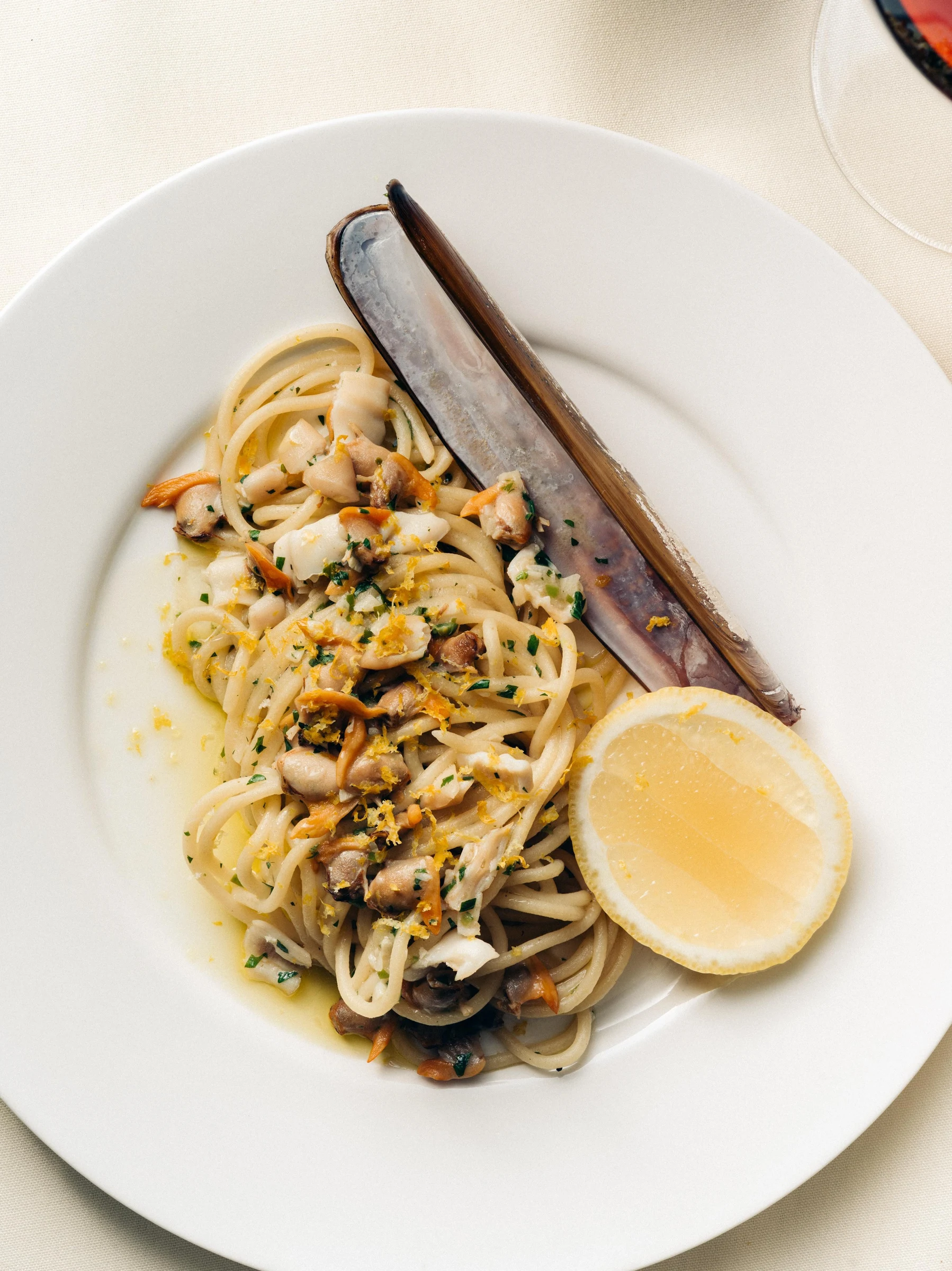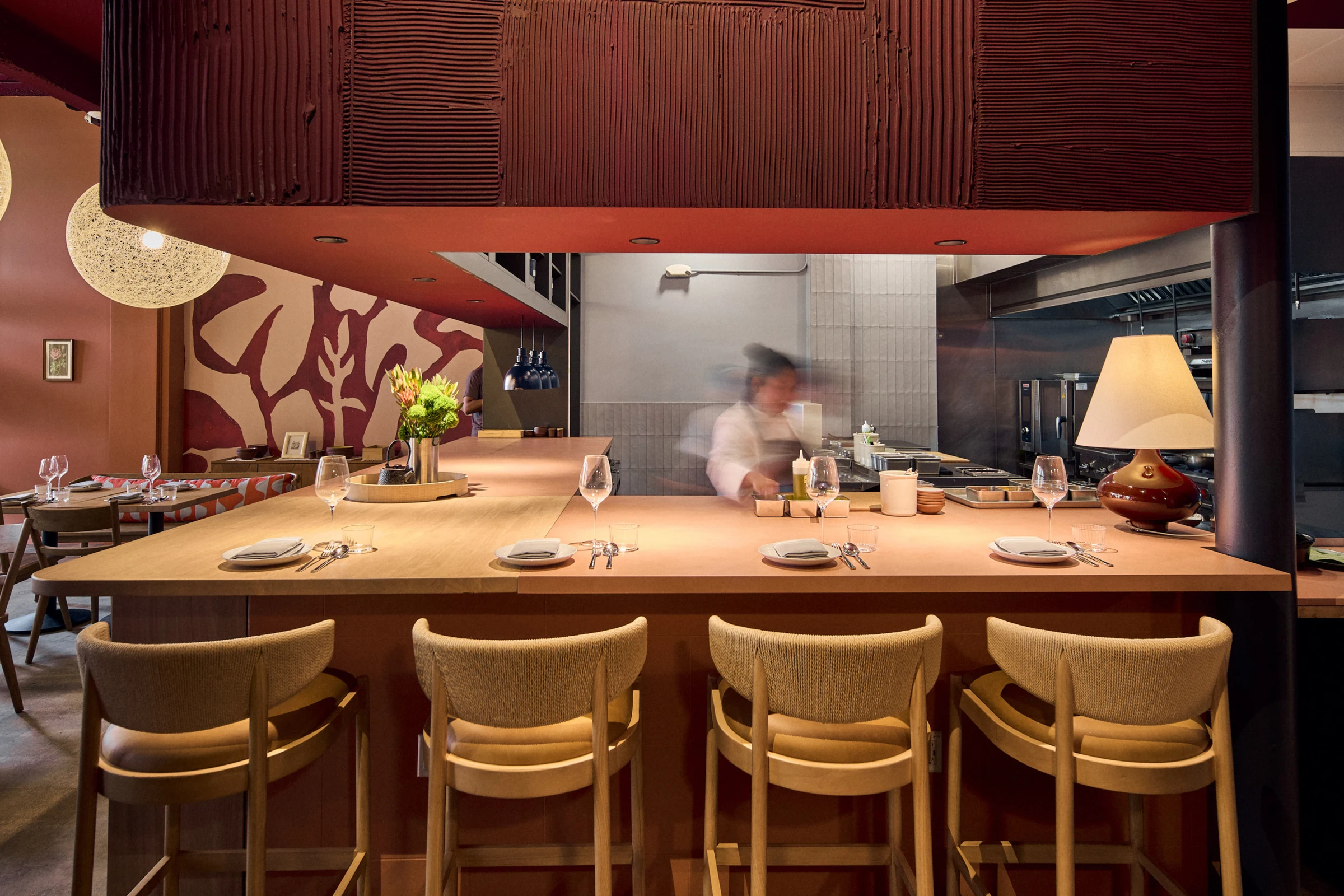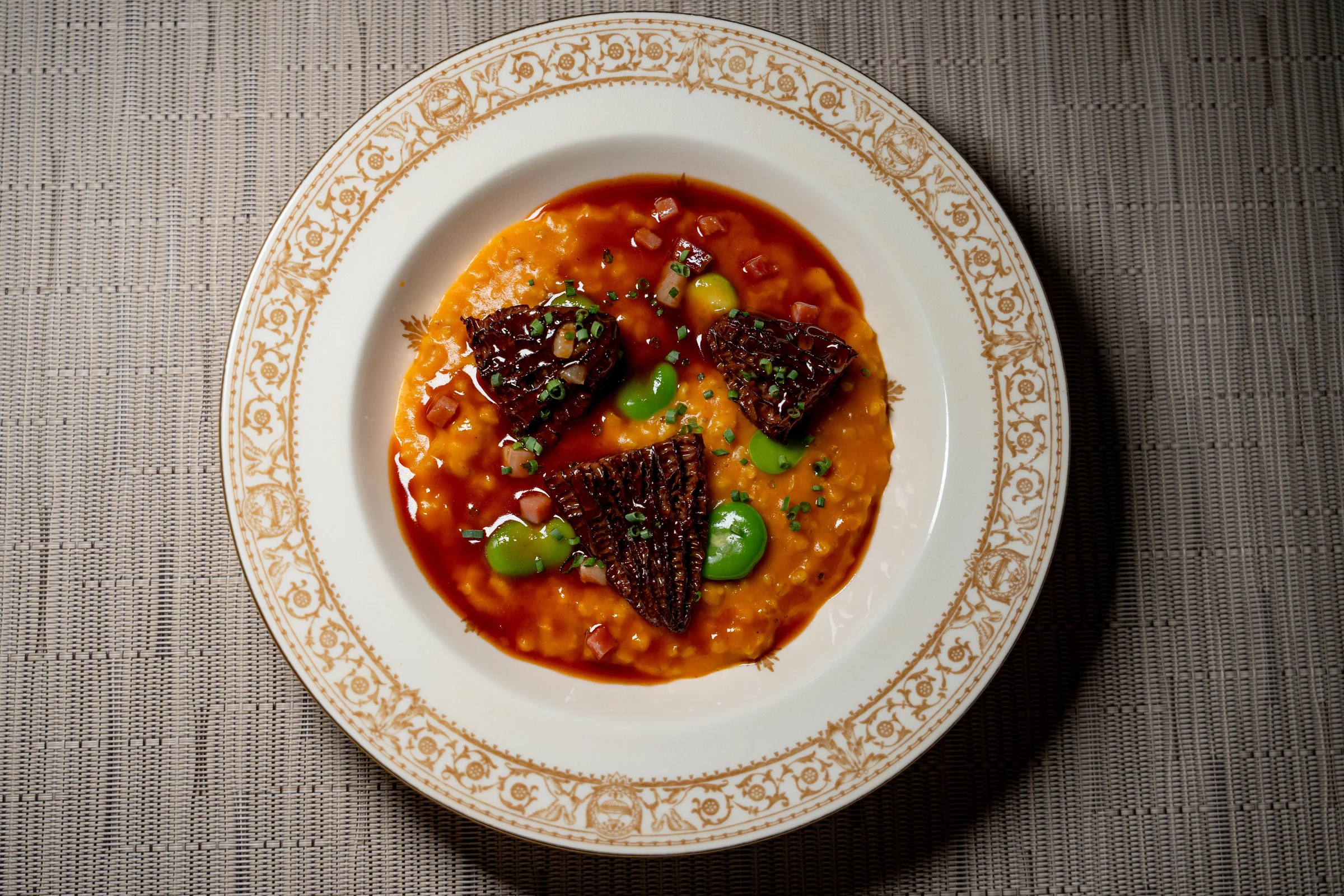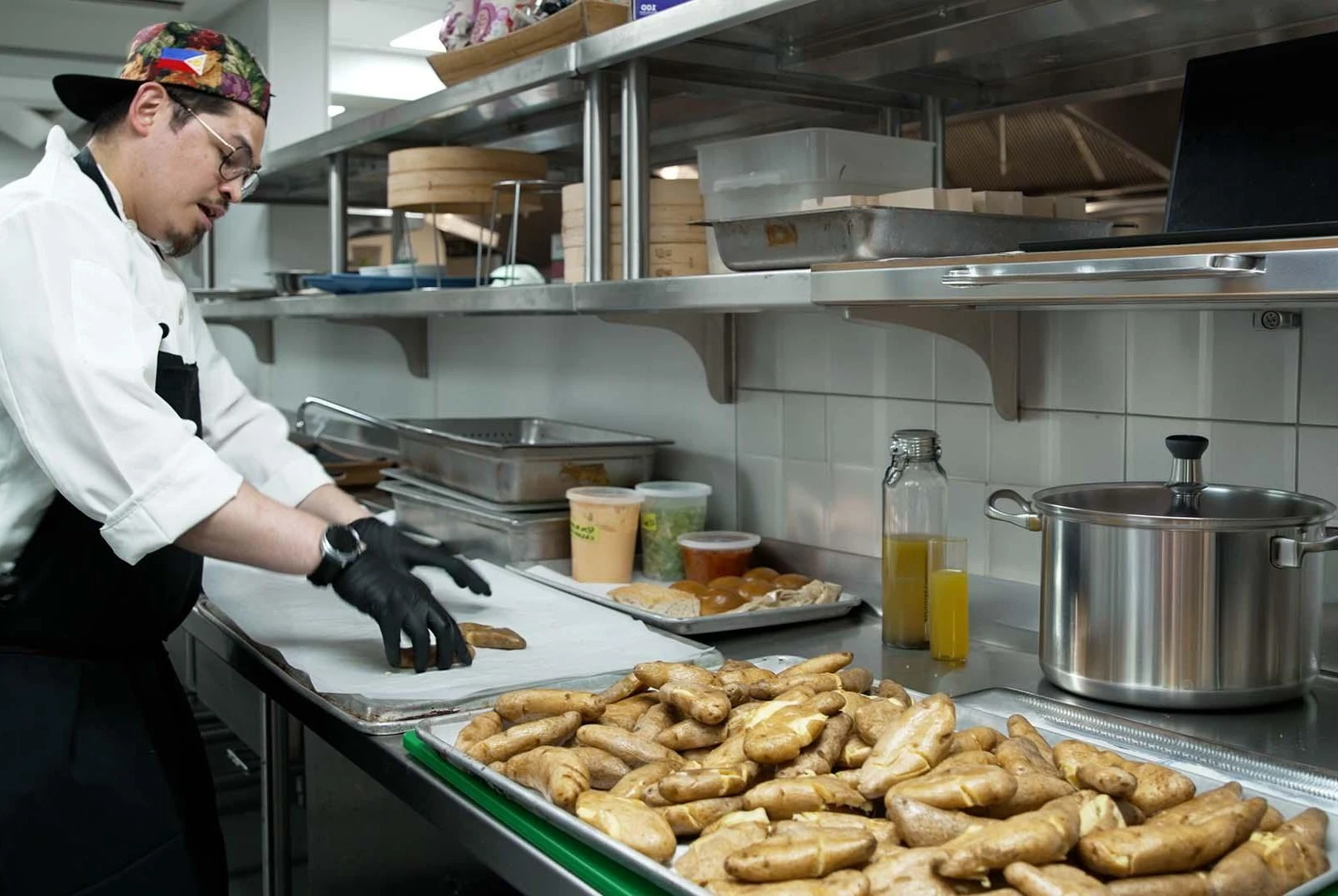
Chef Zubair Mohajir opened Muhājir Chicago restaurant on Wednesday, July 1, in 2026 at 2630 North Clark Street, with wood fire at the center of a menu that follows spice routes from Portugal through the Mediterranean, the Levant, Basra, the Persian Gulf, and southern India. At the start of service, a duck crown, dry-aged for seven days, goes over fire before it finishes in the brasa. The restaurant’s name means “one who migrates” in Arabic and Urdu, and Mohajir has built the room around that word, his family name, and the routes that carried spices, recipes, and people across ports and borders (Eater1).
Muhājir is the latest Chicago restaurant from Mohajir, whose earlier openings include Lilac Tiger, Mariela, Mirra, and Sarima. This one comes after five years at Coach House, where he studied ancient recipes from southern Spain and southern Portugal, with Muslim, Christian, Jewish, and Southeast Asian influences moving through the same material. He has described Muhājir as the restaurant that feels like home (Eater2).
Inside Muhājir, the Chicago restaurant where Mohajir starts with fire
Mohajir has said the restaurant could not be built around a sauté pan. Mohajir wanted wood fire for Muhājir. “Wood fire is part of the human story and is rooted in what we do,” he said. In another conversation about the opening, he said he had not cooked on live fire before and that the subject demanded it.
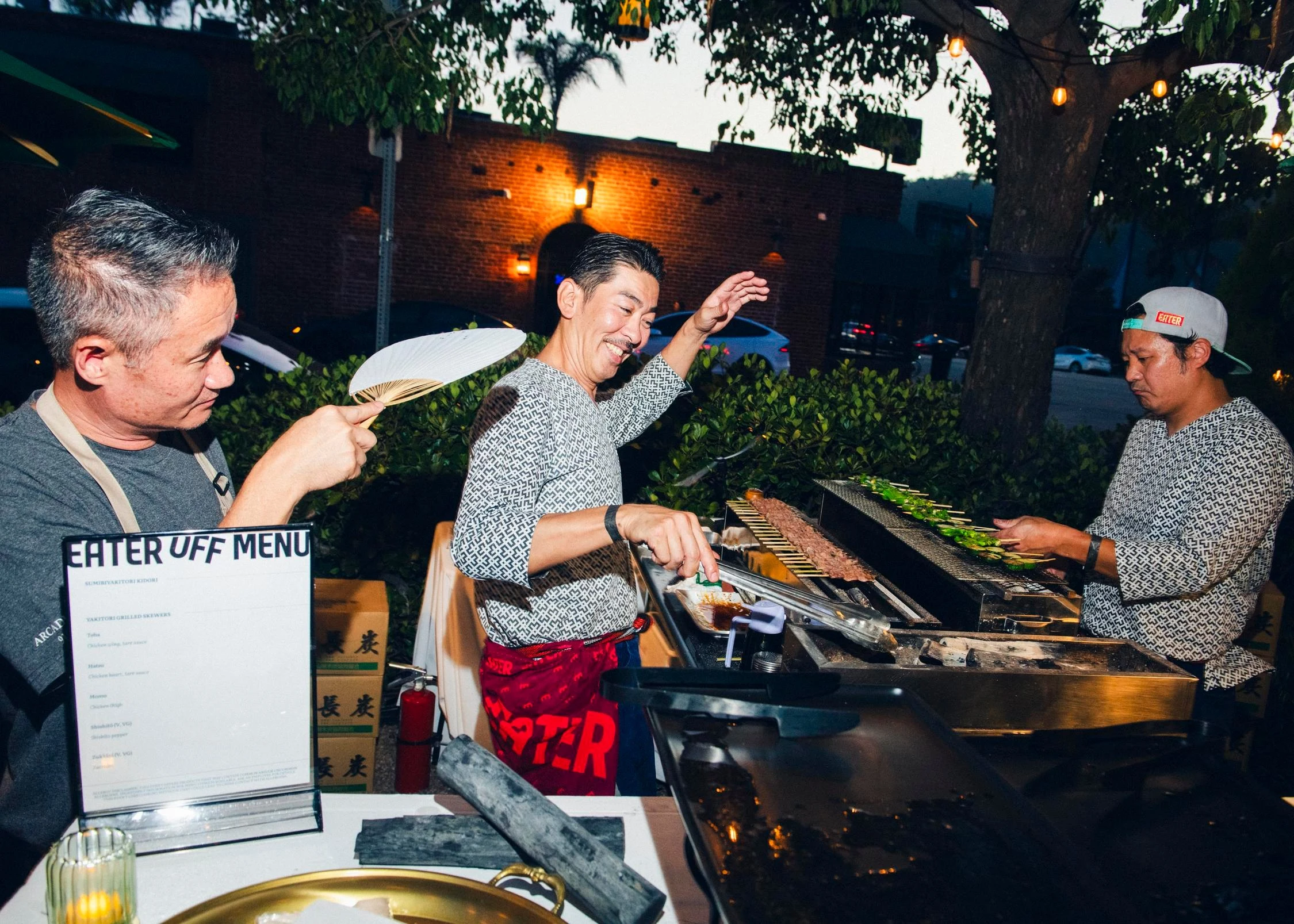
Live fire changes the station. The cook reads heat by sight, sound, and pace, not by turning a knob to a fixed mark. A duck crown over the flames at the beginning of service has a different tempo than a pan pickup. The cook watches the skin tighten, the fat render, the smoke mark the surface. Fire predates the trade routes the restaurant traces.
The Muhājir Chicago restaurant opening puts Mohajir in the kitchen. At Mirra, he has said, chef Rishi Kumar’s kitchen was Kumar’s to run. At Muhājir, Mohajir has placed himself inside the kitchen. He has called Muhājir the home he worked toward across his career. The dishes have to pass through service every night.
A Family Name, Basra, and the Spice Road
The word Muhājir carries a historical and family charge for Mohajir. He has connected it to Partition, when Muslims who moved from India to Pakistan were called Muhājirs because they had migrated. In his family, the name raised questions. His late maternal grandfather mapped where the family name came from, and Mohajir has traced that inquiry to southern Basra, Iraq, a place he recognized as one of the major spice roads.
Mohajir describes the path as beginning in Portugal, moving through the Mediterranean and the Levant, then out of Basra into the Persian Gulf before reaching southern India. Southern India is where he is from. The plate, then, moves through Portugal, the Mediterranean, the Levant, Basra, the Persian Gulf, and southern India. It moves through trade, religion, conquest, diaspora, and the domestic memory of a grandmother’s kitchen in India, where gas stoves were not the given tool.
Mohajir uses the past with purpose. He has spoken about wanting to feed people with context, to show where food came from before it arrived in a dining room on North Clark Street. “Everything on this menu is old, but what makes it new is the re-imagination through our lens,” he said. The lens includes Chicago, his previous restaurants, his five years reading and cooking from older material at Coach House, and the team now executing a live-fire service.
The Duck, Seven Days Dry-Aged, Then Finished in the Brasa
The signature dish at Muhājir begins with a recipe Mohajir has described as 927 years old, from southern Spain, shaped by Roman garums, Muslim origins, and Jewish origins. The restaurant butchers a whole duck, dry-ages the crown for seven days, turns the wings into jus, and confits the legs. Each day, the duck crown goes over the fire when service begins, then finishes in the brasa (Eater2).
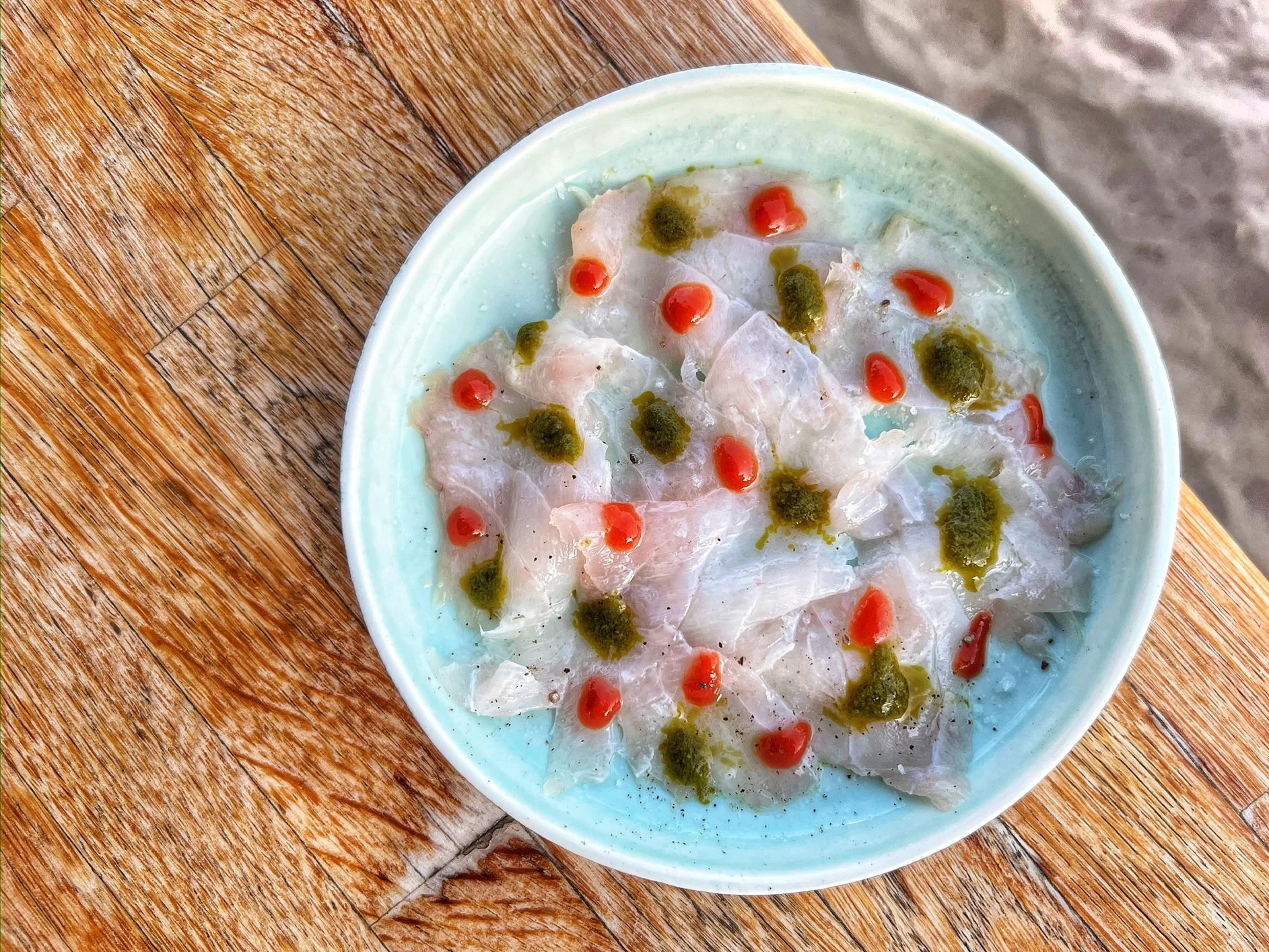
Mohajir has said the ducks hang over the fire in the restaurant. The presentation gathers the parts back together: the duck breast with crisp skin, duck rice alongside it, duck jus in a saucier, black raspberry achaar, and duck skin cut into medallions, almost like chicharrón. The spice mix comes from the old recipe, with cumin, coriander, cardamom, toasted pine nuts, red wine vinegar, and fish sauce.
The duck presentation connects to a 10th-century North African recipe. Mohajir says the dish moves across North Africa, Iberia, the Mediterranean, and the wider spice road. The duck is a centerpiece on the menu. It is a process piece: seven days of aging, separate treatment for crown, wings, legs, skin, rice, sauce, and spice; fire before service; brasa to finish (Eater1).
The process piece shows where the ambition sits. The labor is in the station and the bird. The station has to organize the bird at the pass.
Five Years at Coach House Before North Clark Street
Before Muhājir, Mohajir spent five years at Coach House exploring ancient recipes in southern Spain and southern Portugal. The new restaurant depends on translation from old recipe logic into a present dining room. Older texts do not arrive as modern spec sheets. Older texts require the cook to read a flavor structure, build a sauce without contemporary measurements, and preserve the tension between source and service.
The southern Spanish and southern Portuguese material is shaped by pre-Crusade Muslim, Christian, and Jewish influences, with Southeast Asian traders moving along the spice road. The Muslim, Christian, Jewish, and Southeast Asian influences give Muhājir its range. The menu moves from Iberia through the Mediterranean. The duck spice structure carries fish sauce and red wine vinegar.
Chicago has many restaurants built around personal memory, regional cooking, or chef-driven technique. Muhājir joins that field with a narrower demand on the cook: the recipe has to answer to age, route, and fire. Lilac Tiger, Mariela, Mirra, and Sarima made him a repeated presence in Chicago dining. Muhājir follows one family name.
Jacob Dela Cruz, Sarima, and the Bar Behind the Dining Room
Jacob Dela Cruz is Mohajir’s partner at Muhājir, and the relationship carries over from Sarima, which they built together. Dela Cruz also shaped the name of the restaurant. Mohajir has said Dela Cruz told him he should name it Muhājir, making the simple point that all families came from somewhere.
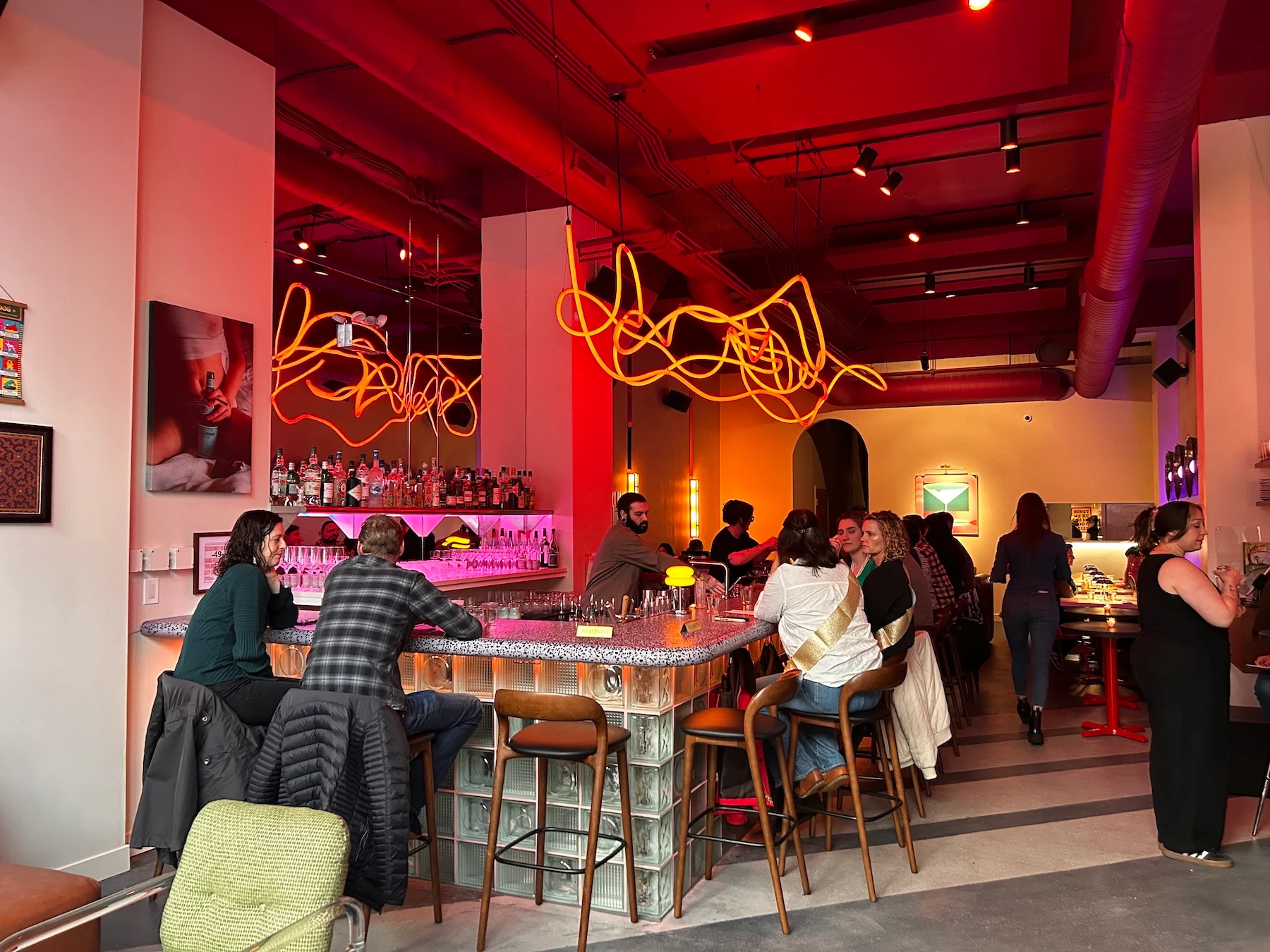
Behind Muhājir sits Bobo, a Filipino cocktail lounge in the same building that debuted on Wednesday, July 8, one week after the restaurant. The bar is inspired by Dela Cruz and named for his father, Bho. Mohajir has explained that “bobo” in Tagalog can mean silly or stupid as a term of endearment. The name gives the second room a different temperature (Eater1).
The path to Bobo runs through Muhājir. Guests cannot reach Bobo without walking through Muhājir. Mohajir has said early diners may be taken back there before their reservation, and others may stop in after dinner. The rooms feed each other in a literal way: a guest bound for the bar passes the dining room; a guest at the restaurant sees people moving toward the back and wonders what is there. Guests move through the building as part of the experience.
For Dela Cruz, Bobo brings his upbringing into the same project that carries Mohajir’s family name. Muhājir and Bobo sit together as two linked rooms, one tracing spice routes through live-fire cooking, the other carrying Filipino cocktail culture through a name from Dela Cruz’s family. The partnership is a built-in part of the restaurant. It is built into the way guests move through the address.
How to Read the Opening Now
Muhājir is open Tuesday through Saturday from 5 p.m. to 10 p.m., with Sunday and Monday closed. The address is 2630 North Clark Street, Chicago, Illinois 60614, United States. Bobo opened one week after the restaurant, on Wednesday, July 8, and sits behind the dining room as part of the same building (Eater3).
Mohajir’s live-fire menu, the room’s handling of duck and smoke, and Bobo create a practical sequence for a night out. Mohajir has chosen to make historical work answer to service. He is presenting a live-fire dinner. A duck crown, a brasa, a jus, a confit, a spice mix, and a platter carry the argument.
The team keeps the old material alive under the pressure of repetition. Mohajir has placed his family name on that test, with Jacob Dela Cruz and Bobo behind the room. The opening gives Chicago a new address for migration told through heat, spice, and the hands that have to cook it nightly.