Danny Garcia Turns a Closed Chapter Into Only Goods
After Top Chef and Time and Tide, Danny Garcia is building Only Goods first in jars, then toward a halal Latin bodega counter.
HM
Director of Editorial Standards
Hugo Marchetti
Filed July 25, 2026
12 min read
A jar of salsa macha comes before the counter. Danny Garcia, who won Top Chef season 21 in 2024, is building Only Goods through products, clothing, pop-ups, and a set of house rules while he looks for the room that will one day hold the restaurant. The path has not run clean. Garcia had been preparing to open Time and Tide in the Flatiron under restaurateur James Kent’s group; Kent died suddenly around the time of Garcia’s win, and the restaurant later closed after company shakeups, rebranding, and a concept that never fully settled.
The Danny Garcia Only Goods Reset After Top Chef
“Only Goods was born of this idea of putting a spotlight on Latin American culture, but also a nod to younger Danny Garcia and the dream I had to open a restaurant,” Garcia says. The sentence does more than name a brand. It gives the work its inheritance and its scale: Latin American culture in the foreground, the younger cook still in the room, the restaurant dream brought down to something he can begin before the doors exist.
The Sunday letter
Get our new stories in your inbox every Sunday.
One email with our newest profiles and guides. See a sample before you subscribe.
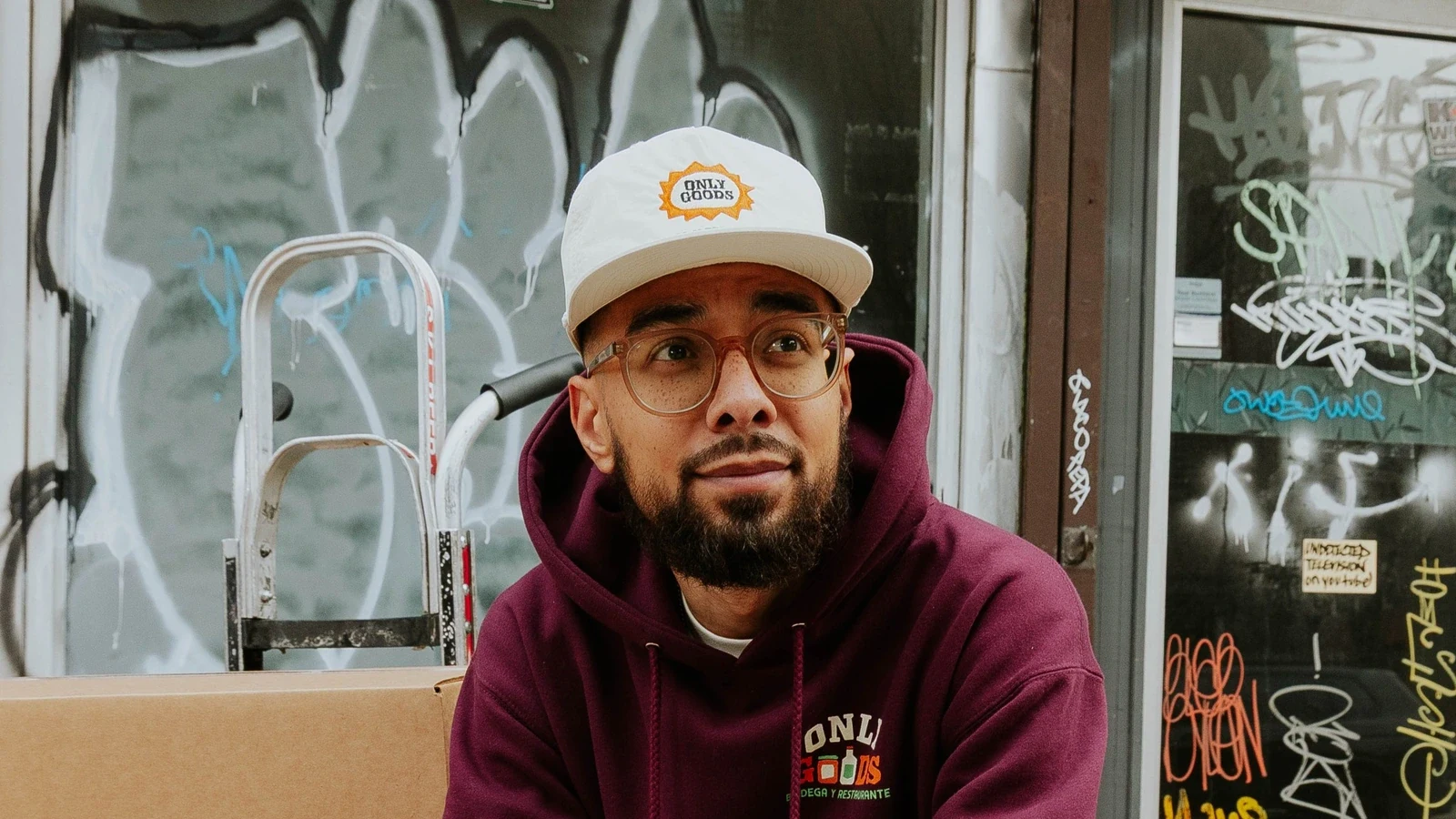
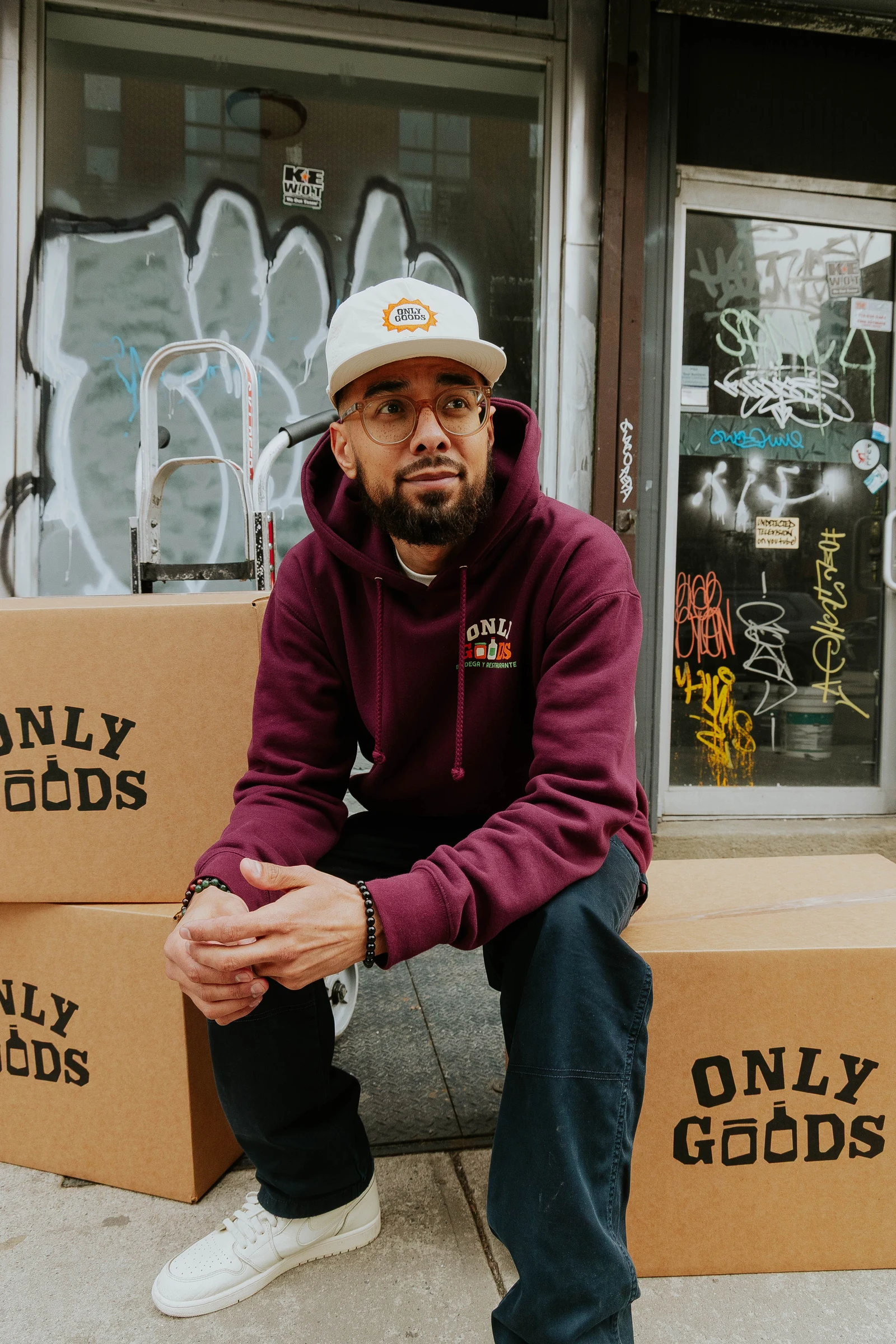
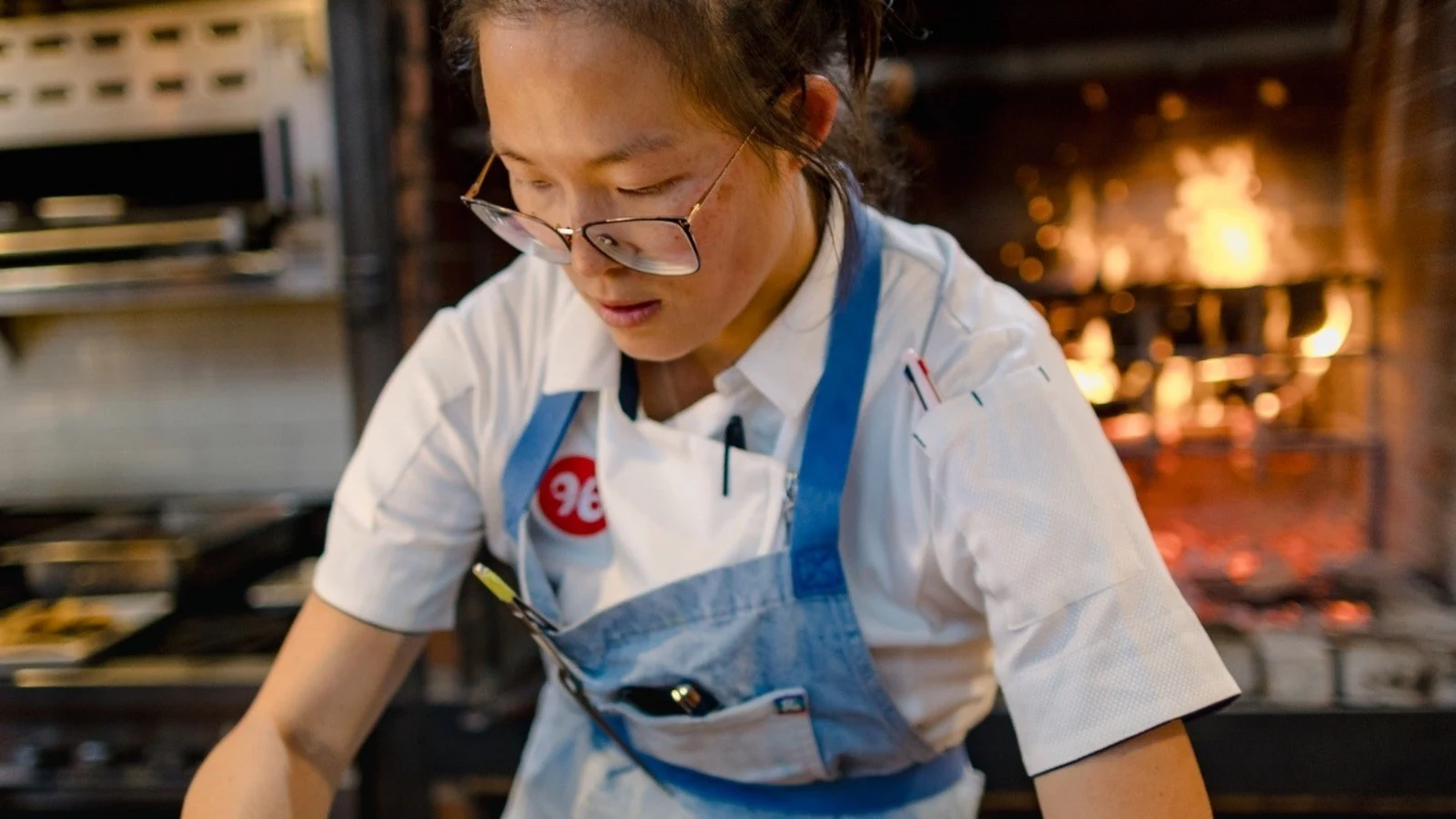
Danny Garcia with his Only Goods boxes, reflecting on his reset after Top Chef.
Garcia is Puerto Rican and Dominican, and after Time and Tide he talked through the next move with his wife, pastry chef Sumaiya Bangee. The question was not only where he would work next. It was how to make something “wholeheartedly Danny Garcia,” as he put it. He returned to an old wish from his years coming up in restaurant kitchens: to run a sandwich shop.
Only Goods carries that memory into a wider format. Garcia wants the eventual daytime restaurant to sit between the Puerto Rican bodegas he remembers in New York, small spaces with dusty cans of beans and one of everything across a wooden shelf, and the abundance he associates with Cracker Barrels. The first image is not a polished dining room. It is a front counter, a shelf, a place built for regular use.
Time and Tide, and the Lesson Carried Forward
The first plan after Top Chef was to work with Kent Hospitality Group on a new version of the Time and Tide space while Massara, an Italian restaurant, used it as a temporary pop-up. Garcia has since stepped away from the company and begun again under his own name and mark.
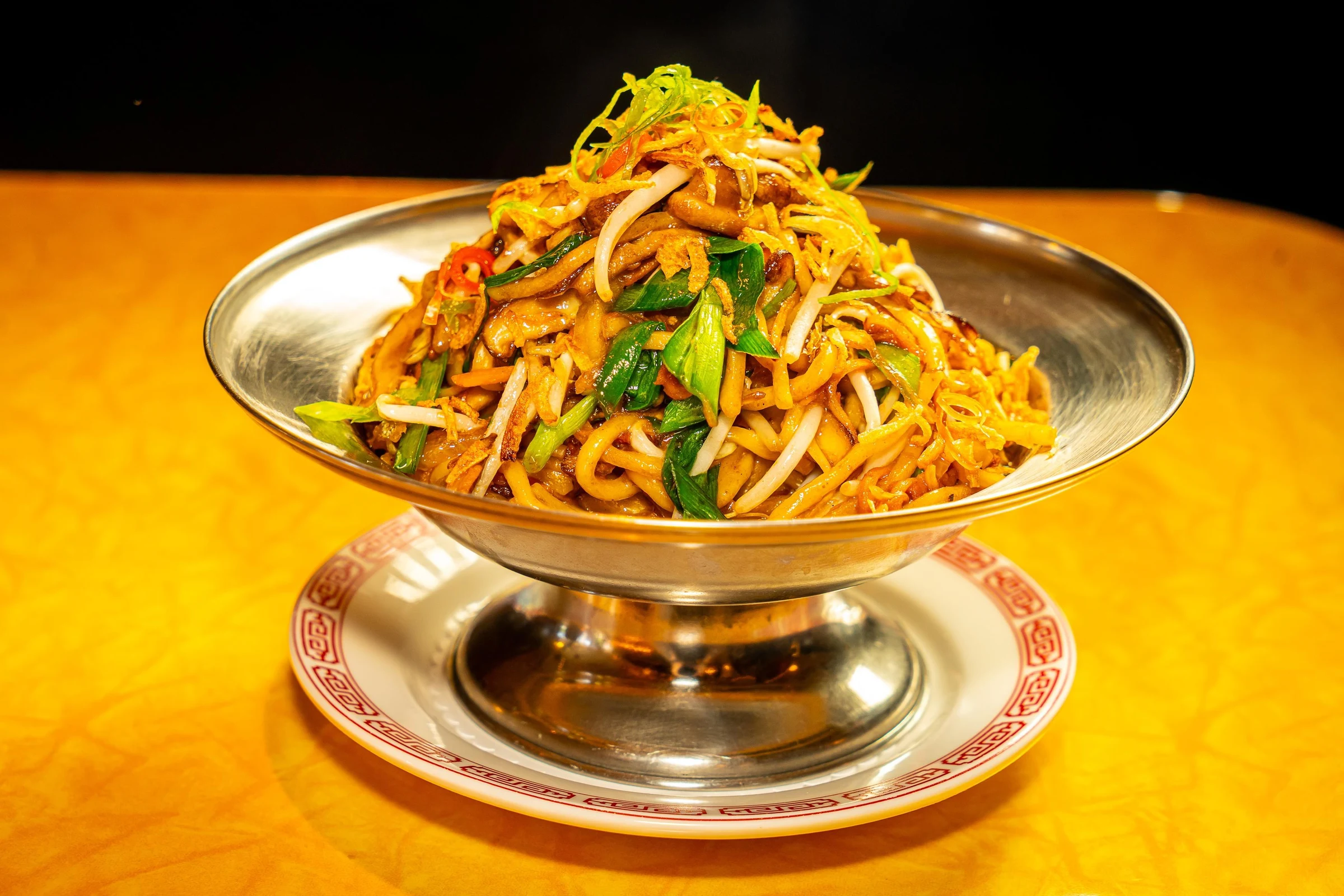
Danny Garcia's Latin-halal inspired stir-fried noodles with vegetables and meat.
“Time and Tide closing was hard,” Garcia says. “I put everything into that restaurant, so taking that to the chin. It’s not a failure; it was an accomplishment. Did it not last as long as I would have wanted? Sure, but there are learned lessons, and now I get to take those lessons and do the next best thing.”
That distinction matters at the bench. A cook who treats a closed restaurant only as erasure loses the usable parts: the pressure points, the rhythm that failed, the places where the room never quite matched the food. Garcia is carrying the lesson forward by narrowing authorship. Before he sets the counter height or the handoff point between luncheonette and dining room, he is deciding what Only Goods will allow, what it will refuse, and who it is meant to feed.
From Jars to a Bodega Counter
Only Goods has begun with jarred salsa macha and T-shirts. The restaurant itself does not yet have a lease or address, but the first object can already sit on a shelf, move from hand to hand, and establish a flavor language before a permanent kitchen is built.
danny garcia's rich chili or stew with beans and crispy fried onions, a taste of his Only Goods brand.
Garcia is also building the visual side of the project through streetwear and merchandise. He has worked with Brooklyn-based Nash Studios, led by Alexander King, whom he met through La Dinastia, the Chino Latino restaurant on the Upper West Side. The planned goods include hats, shirts, sweatshirts, tote bags, matchbooks, ashtrays, long candles, and more. Only Goods shortens to OG; for Garcia, that abbreviation means “the original” and “the highest level.”
The merchandise does not replace the cooking. It frames the room before the room exists. Food brands from Barney Greengrass to Cup Noodles have moved into wearable goods; Garcia’s task is to keep the clothing tied to the counter, the jar, and the kitchen he still intends to build.
Why Danny Garcia Is Building a Halal Latin Counter
Pork will not be part of Only Goods. Garcia is Muslim, and the restaurant will be halal, a choice that immediately changes the grammar of a Puerto Rican and Latin American counter. Lechon and pernil may be expected by some diners; Garcia’s question is what else can carry succulence, memory, and celebration without crossing the line he has drawn.
“I want Muslims to be able to roll through and be like, ‘I can eat everything on the menu,’” he says. That is an operational decision as much as a personal one. It affects sourcing, prep, menu development, and the confidence of the person ordering at the counter.
Garcia also wants the restaurant to push beyond the way Puerto Rican food is often boxed into fast-casual service: aunties, titís, and abuelas cooking from steam tables, food served on paper plates. He wants to shine a light on that lineage while opening more room around it, in the way New York chefs are expanding the public language around Indian and Afro-Caribbean cuisines.
The Hands Around the Brand
Community is the word Garcia keeps returning to. He wants the daytime restaurant to work as a luncheonette and bodega counter in front, with a casual, cozy restaurant behind it. “We are going to be a restaurant that is of the neighborhood and what the people need it to be, like a bodega,” he says.
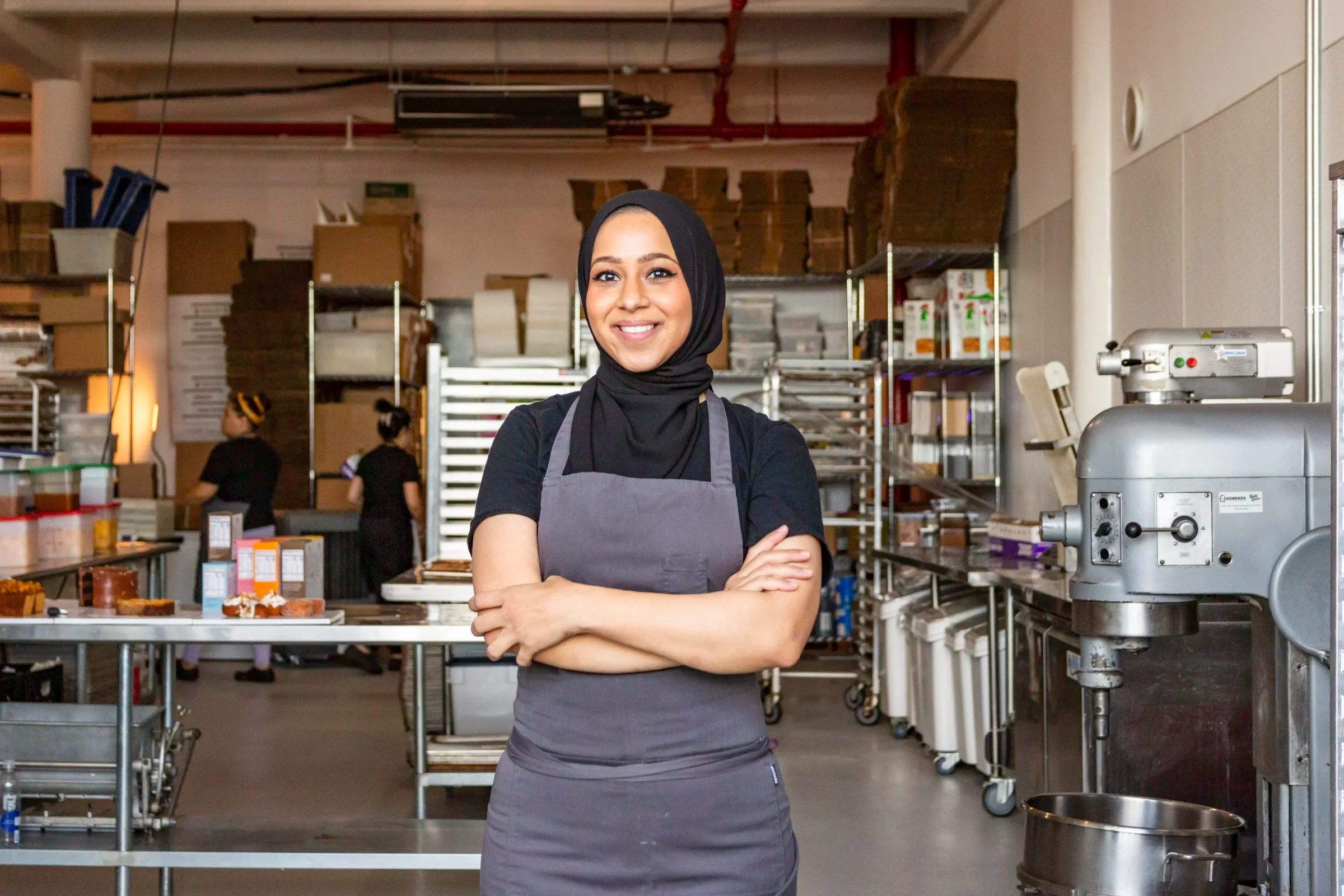
Sumaiya Bangee, pastry chef and wife of Danny Garcia, in her kitchen setting.
That model asks for a different kind of discipline than a room built only around spectacle. A bodega-inspired counter has to be useful. The person buying one thing matters as much as the person staying for a full meal. The front has to carry retail, recognition, and speed; the back has to hold the slower work of cooking for people who may come again and again.
The hands around Garcia already show the range of the project: Bangee at the home table where the next step was talked through; King and Nash Studios shaping the goods; the cooks and collaborators who meet the food at pop-ups before there is a fixed line. Only Goods is personal, but it is not solitary.
Pop-Ups, Products, and the Next Visible Work
The next product after the salsa macha is planned as a guava-tamarind barbecue glaze, which Garcia calls tangy and spicy. He has used it on a barbecue lamb rib, a dish that connects the halal rule to the Latin counter idea without leaning on pork as the center.
Those ribs have already moved through pop-ups. Garcia cooked them at Theodora last December and brought them to the 2025 Pebble Beach Food & Wine. For Eid, he debuted Only Goods at a co-hosted dinner at Platform by JBF with chef and cookbook author Ifrah F. Ahmed, where the two cooked a Somali-Latin dinner. A collaboration at Nashville’s Rolf & Daughters was set for Saturday, April 19, 2025.
Garcia does not want the eventual restaurant to feel like Spanish food filtered through French technique for the sake of respectability. His argument is plainer and harder: be original, be specific, and let the counter hold the full shape of the cook. For Only Goods, that means salsa macha first, a halal line that does not bend, Latin American culture at the center, and a restaurant still being formed one usable object at a time.
The Sunday letter
Get the next Made By guide in your inbox.
We send one email every Sunday morning with the guides and profiles we published that week.