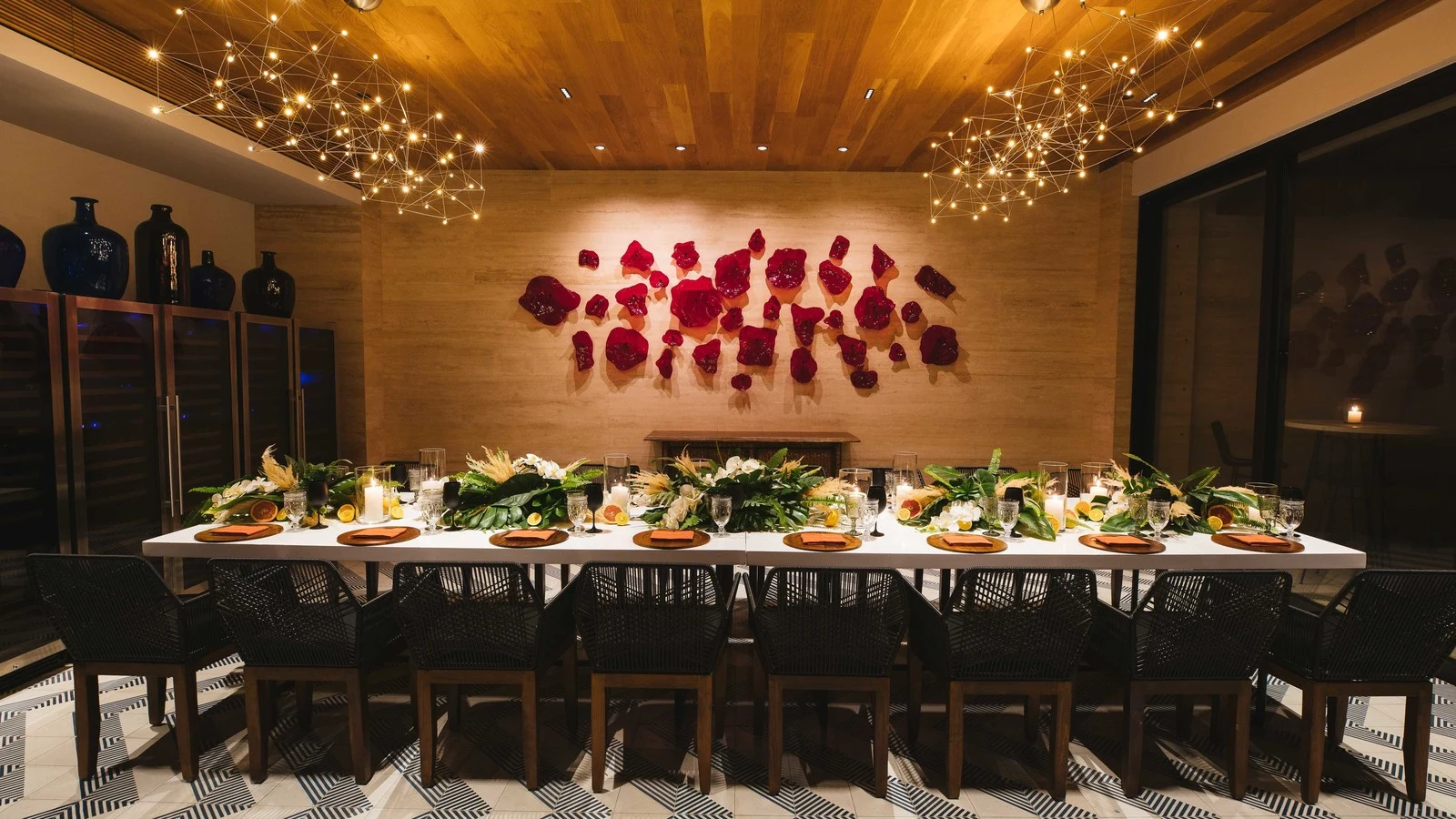
A diner at Darling's bar in late September 2025 asked chef Sean Brock a question he had not anticipated: Where's the cornbread? The question repeated often enough that by October, Brock had rewritten portions of his California-only menu to include Carolina Gold rice grits, buttermilk biscuits, and slow-cooked greens. The James Beard Award-winning chef opened Darling in West Hollywood in August 2025 with a deliberate choice to step away from his Southern roots and fully embrace California ingredients and cooking. Within weeks, diners made it clear they wanted the techniques Brock had spent years refining in Charleston.
The pivot was not cosmetic. Brock and his team at Darling, located at 631 N Robertson Blvd in West Hollywood, began incorporating Southern ingredients and Lowcountry cooking methods into a menu that still draws from California farmers' markets. The result is a hybrid that applies Appalachian and Lowcountry techniques to West Coast produce, a rare combination in Los Angeles fine dining. For diners who follow Brock's work, the shift offers a chance to see how a chef trained in one regional tradition adapts that training to a completely different ingredient base.
Why Sean Brock Brought Southern Cooking Back to Darling
Brock opened Darling in August 2025 after months of studying Southern California's culture, history, and ingredients. He spent time at farmers' markets, sourcing local produce, livestock, and products. The restaurant features custom live-fire grills fueled by California white and red oak, which Brock obsessed over for months before opening. The original menu was shaped by a seasonal farmers' market approach intended to feel familiar to Los Angeles diners. Brock, who owns Husk and splits his residence between Los Angeles and Tennessee, convinced himself that no one would be excited about Southern food in West Hollywood.
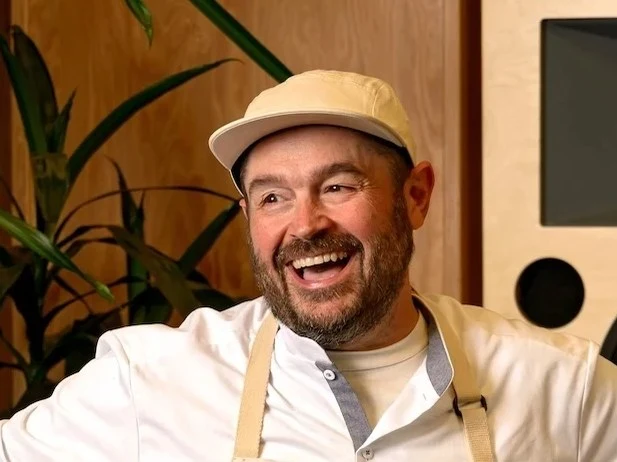
That assumption did not hold. "In the first few weeks, guests asked why we didn't have grits and cornbread," said Sean Brock.1 The requests came from diners who knew Brock's background and expected the techniques he had refined over years at Husk and McCrady's. By October 2025, Brock started trickling in Southern ingredients and stories. The process rekindled something in him. When talking with his team about the changes, he found a joy he had not felt in a while.
The decision to reintroduce Southern cooking was not a retreat from the California ingredient mandate. Brock continued to source vegetables and proteins from the same farmers' markets, but began applying Southern techniques to those ingredients. The shift was driven by diner demand, not by a failure of the original concept. Los Angeles diners, it turned out, were interested in and enthusiastic about Southern food when executed by a chef with Brock's credentials.
What Changed on the Darling West Hollywood Menu in October 2025
The revised menu at Darling now includes Texas deer skewers with smoked bacon, served alongside chow chow, a Southern pickled specialty. Brock uses his grandmother's cornbread recipe, paired with Ojai Pixie tangerine marmalade. Deviled eggs are topped with bluefin tuna belly and sansho Japanese chiles. Brock and chef Ben Norton created a shaved country ham dish with apple butter and lemon thyme. The abalone dish evolved into perloo, a Lowcountry-inspired rice stew with stem lettuce and confit egg yolk.
Carolina gold rice has become a mainstay on the menu, alongside sides like succotash and grits with an herby mascarpone cheese. Brock and Norton reconsidered Darling's meat strategy, rethinking what barbecue can be with one foot in the South and another in California. The live-fire grills that Brock installed before opening now serve both Southern and California cooking styles, using the same California white and red oak but applying different techniques to the proteins and vegetables.
For weekend brunch, the Darling team serves rockfish and grits, buttermilk biscuits, and fried chicken from Brock's cookbook, Heritage. The fried chicken is steeped in a tea and buttermilk brine and prepared with a blend of five different cooking fats. Brock has not offered okra on any of his menus for some time, but found a rarer varietal from the Santa Monica Farmers Market for Darling. For dessert, the riff on banana pudding still includes classic Nilla Wafers but substitutes mangos for the traditional banana base.
The menu changes were not wholesale. Brock did not abandon the California ingredient sourcing that defined Darling at opening. Instead, he layered Southern techniques over that sourcing. The result is a menu that reads as both Californian and Southern, with dishes that would not exist in either region without the other's influence. A diner ordering the rockfish and grits is tasting a Southern preparation applied to a West Coast fish, sourced from California waters and cooked over California oak.
The California Ingredients Brock Kept (and Why)
Brock continues to source vegetables and proteins from California farmers' markets. The Ojai Pixie tangerines in the cornbread marmalade, the stem lettuce in the perloo, and the rarer okra varietal from the Santa Monica Farmers Market are all California ingredients that would not appear on a traditional Southern menu. Brock's approach is not to replicate Southern cooking in Los Angeles, but to apply Southern techniques to ingredients that are only available in California.
The custom live-fire grills at Darling use California white and red oak, not the hickory or mesquite more common in Southern barbecue. The oak imparts a different flavor profile, one that Brock studied for months before opening. The grills were designed to handle both the high-heat searing required for California vegetables and the slow, low-temperature cooking required for Southern-style meats. The result is a cooking method that borrows from both traditions without fully committing to either.
The farmers' market sourcing also means the menu changes with the seasons. Brock and Norton adjust the menu based on what is available at the Santa Monica Farmers Market and other local sources. The stem lettuce in the perloo, for example, is a seasonal ingredient that would not be available year-round. The menu at Darling is not fixed; it evolves as the ingredients evolve. That approach is more common in California fine dining than in traditional Southern cooking, where menus tend to be more stable across seasons.
The hybrid approach also allows Brock to introduce Southern ingredients that are not commonly available in California. Carolina gold rice, for example, is a heritage grain that Brock sources from South Carolina. The rice has become a mainstay on the menu, used in both the perloo and as a side dish. The rice has a different texture and flavor than the rice commonly available in California, and its presence on the menu signals Brock's commitment to Southern ingredients even as he sources most of his produce locally.
How to Book Darling and What to Order Now
Darling is located at 631 N Robertson Blvd in West Hollywood. The restaurant is open Wednesday through Sunday, with dinner service starting at 5:30 PM. Reservations can be made through standard booking channels. Bar seats offer walk-in access for diners who prefer not to book in advance. The bar is a good vantage point for watching the kitchen work the live-fire grills.
For diners visiting Darling for the first time, the grits are the signature dish. The grits are made with Carolina gold rice and served with an herby mascarpone cheese. The texture is creamy, with a slight graininess that comes from the heritage rice. The grits can be ordered as a side or as part of the rockfish and grits dish on the weekend brunch menu. The rockfish is sourced from California waters and cooked over the live-fire grills, then served over the grits with a light sauce.
The buttermilk biscuits are another must-order. The biscuits are served warm, with a flaky exterior and a soft interior. They are paired with apple butter and lemon thyme, a combination that balances the richness of the biscuit with the acidity of the apple butter. The biscuits are available on the weekend brunch menu and occasionally on the dinner menu, depending on the season.
The fried chicken from Brock's cookbook Heritage is available on the weekend brunch menu. The chicken is steeped in a tea and buttermilk brine, then fried in a blend of five different cooking fats. The result is a chicken with a crispy exterior and a moist interior, with a flavor profile that is both Southern and distinct from traditional Southern fried chicken. The tea in the brine adds a subtle bitterness that balances the richness of the frying fats.
For diners interested in the live-fire cooking, the Texas deer skewers with smoked bacon are a good choice. The deer is sourced from Texas and cooked over the California oak grills, then served with chow chow, a Southern pickled specialty. The chow chow adds acidity and crunch to the dish, balancing the richness of the smoked bacon. The dish is a good example of Brock's hybrid approach, combining Southern techniques with California cooking methods.
The deviled eggs topped with bluefin tuna belly and sansho Japanese chiles are another standout. The eggs are a Southern staple, but the toppings are not traditional. The bluefin tuna belly adds richness and umami, while the sansho chiles add a citrusy heat. The dish is a good example of how Brock layers Southern techniques with non-Southern ingredients to create something that feels both familiar and new.
The abalone perloo is a more adventurous choice. Perloo is a Lowcountry rice stew, traditionally made with chicken or seafood. Brock's version uses abalone, a California ingredient, and includes stem lettuce and confit egg yolk. The rice is Carolina gold, and the dish is cooked slowly to allow the flavors to meld. The result is a stew that tastes both Southern and Californian, with the abalone adding a briny sweetness that is distinct from the traditional perloo.
For dessert, the banana pudding riff with mangos is worth ordering. The dish includes classic Nilla Wafers, but substitutes mangos for the traditional banana base. The mangos add a tropical sweetness that is lighter than banana, and the Nilla Wafers provide the familiar crunch. The dish is a good example of how Brock adapts Southern desserts to California ingredients without losing the essence of the original.
Darling's menu pivot is a live case study in how a chef trained in one regional tradition adapts that training to a different ingredient base. For diners who follow Brock's work, the restaurant offers a rare chance to see Southern techniques applied to California produce. For diners new to Brock's cooking, Darling is an introduction to a hybrid style that is both Southern and Californian, with dishes that would not exist in either region without the other's influence. The menu will continue to evolve as Brock and Norton refine the hybrid approach, making Darling a restaurant worth returning to as the seasons change.