Giles Edwards Returns to Cape Town, With Less Noise
Giles Edwards returns to Cape Town after La Tête, bringing a stripped-back hand to Le Bistrot de JAN at the V&A Waterfront.
HM
Director of Editorial Standards
Hugo Marchetti
Filed July 27, 2026
13 min read
Giles Edwards closed La Tête in early 2021 and stowed the cleaver, briefly. For years, his Bree Street kitchen helped set the rhythm of Cape Town’s culinary centre through a nose-to-tail philosophy that asked more of both cook and diner.
After a few years in Johannesburg, Edwards is back in Cape Town to lead Le Bistrot de JAN, Jan Hendrik van der Westhuizen’s restaurant at the InterContinental Table Bay at the V&A Waterfront. He returns with a changed hand: more patience, greater intention, fewer extended flavours and ingredients.
The Sunday letter
Get our new stories in your inbox every Sunday.
One email with our newest profiles and guides. See a sample before you subscribe.
A chef can come back to a city without repeating himself. Edwards arrives after time away, with fresh goals, new perspectives and a changed sense of direction. For a cook whose reputation was built on conviction, that shift matters. Cape Town already knows the force of his earlier philosophy; the question now is how it behaves after he has stripped back the reach.
Van der Westhuizen, a Michelin-star chef, gives Le Bistrot de JAN one line of authorship. Edwards brings another: the memory of a Cape Town kitchen that made diners consider more than the comfortable cut. The interest sits in the overlap between two named makers and a chef returning with less appetite for excess on the plate.
The Bench La Tête Left Behind
La Tête’s discipline came from the whole animal. Nose-to-tail cooking is not a slogan when the work is real; the kitchen must account for value beyond the familiar portion, and the cook must understand what each part can become.
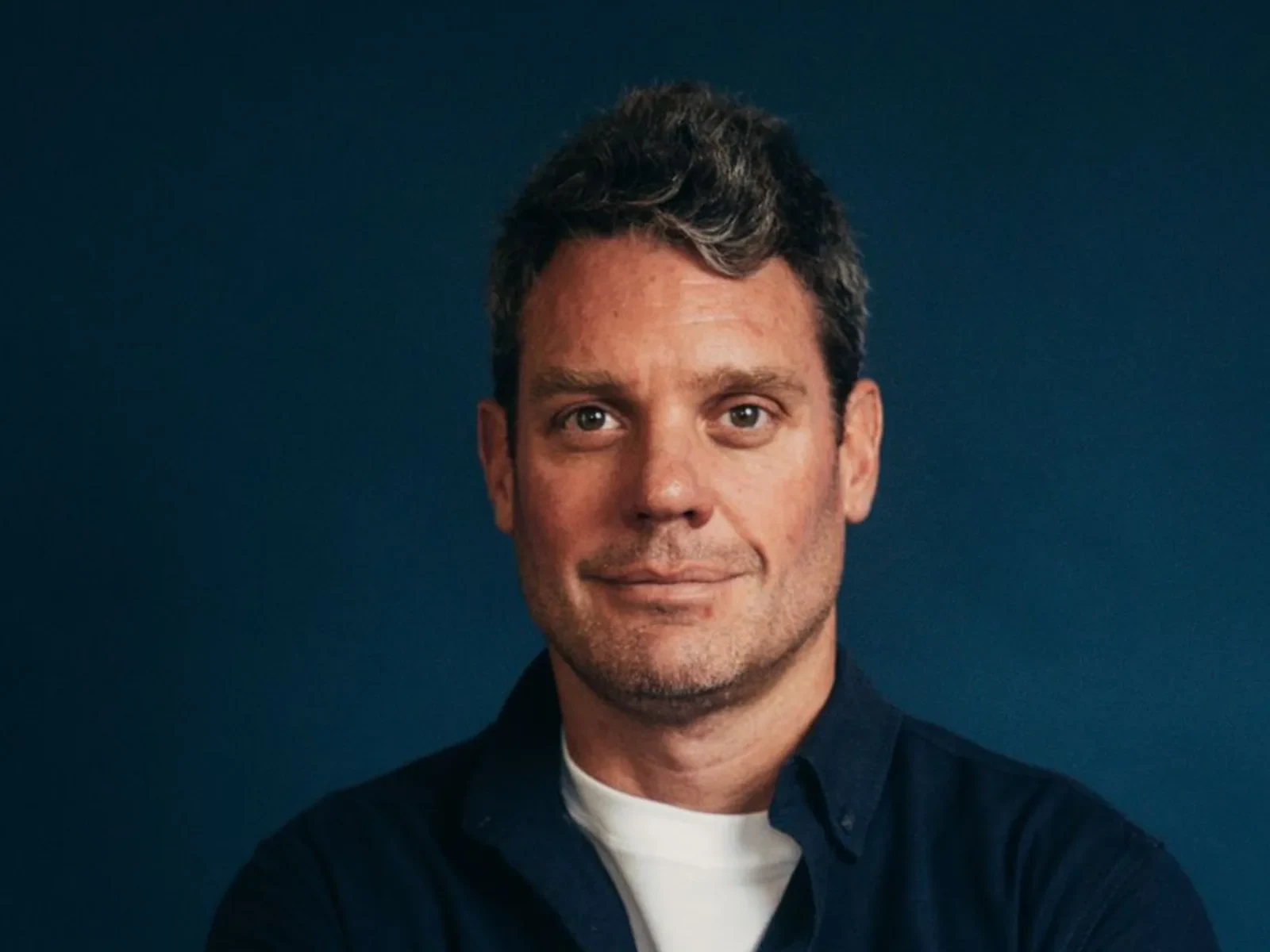
Portrait of a man against a dark blue background.
That practice leaves marks on the hand. It teaches order: what needs time, what needs restraint, what should be served without decoration because the ingredient is already carrying enough information. La Tête drew serious food followers, but its deeper importance was instructional. It trained attention.
What Johannesburg Changed, By His Account
Distance gave Edwards room to reconsider the pattern that had formed around his name. From a personal perspective, he saw the move as necessary: a broader exploration beyond the place where he had been for so long, and a chance to re-evaluate what he wanted for himself and his career.
Those are practical terms in a kitchen. They decide whether an ingredient stays, whether a flavour gets pushed further, whether a plate asks for another gesture or stops before it is overworked. The change sounds less like reinvention than recalibration. The ethic remains; the pressure has altered.
A Chance Meeting With Jan Hendrik van der Westhuizen
The collaboration began in motion, not around a formal planning table. Edwards puts it plainly: “With Jan [Michelin-star chef Jan Hendrik van der Westhuizen], it was quite unexpected, actually, a chance meeting when we found ourselves on the same flight one day.”
They caught up, stayed in touch, and the work progressed from there. Kitchens often move this way: through contact that keeps holding, conversation that continues, and trust that gathers until there is a room and a role ready to test the fit.
Edwards is not reopening his former restaurant under another sign, and he is not an anonymous executor inside another chef’s name. He enters as a maker with his own Cape Town history, joining a project shaped by Van der Westhuizen’s authorship.
A Softer, More Intentional Cooking Philosophy
Edwards names the shift in his cooking with unusual clarity: “I’ve developed more confidence in my culinary outlook and expression, and so my style of food has become more patient and soft-spoken as a result.”
Confidence is the operative word. A chef still trying to prove the thesis can mistake it for accumulation: more components, more registers, more visible labour. Edwards is describing the opposite movement. Patience. A lower voice. The discipline of stopping before the plate becomes crowded with its own argument.
He also says the food has evolved organically to become more authentic, simple and stripped back from his previous comfort zone. That last phrase carries weight. Comfort, for a chef associated with nose-to-tail cooking, does not necessarily mean safety; it can mean intensity, conviction, the familiar satisfaction of pushing a diner further.
His present measure is the food he craves when he eats out. That is a useful test for any cook: would you want to sit down to the work after service?
Why This Return Matters to Cape Town Diners
Cape Town is not receiving a blank résumé. It is receiving a chef whose earlier work shaped part of the city’s culinary rhythm, and who now comes back with a quieter stated method. The old conviction remains part of the reading, but the new work has to stand without leaning on nostalgia.
The useful distinction is continuity without replica. La Tête belongs to its own time. Le Bistrot de JAN has its own authorship. Edwards’ value lies in what has travelled through him: whole-animal discipline, the reset of years away, and a present desire to cook with more intent.
What to Watch at Le Bistrot de JAN
Watch the distance between reputation and plate. Edwards has been known for a forceful culinary point of view; now the test is whether the edit holds in practice, with clearer choices and restraint that feels worked rather than merely polite.
Watch, too, how his earlier discipline shows itself without announcing itself. Nose-to-tail thinking trains consequence. If that ethic remains under a stripped-back surface, the food does not need to shout its seriousness.
Edwards once made Cape Town look more directly at the whole animal. Now he is asking what happens when the plate carries less. In that narrower field, the gesture has fewer places to hide.
The Sunday letter
Get the next Made By guide in your inbox.
We send one email every Sunday morning with the guides and profiles we published that week.