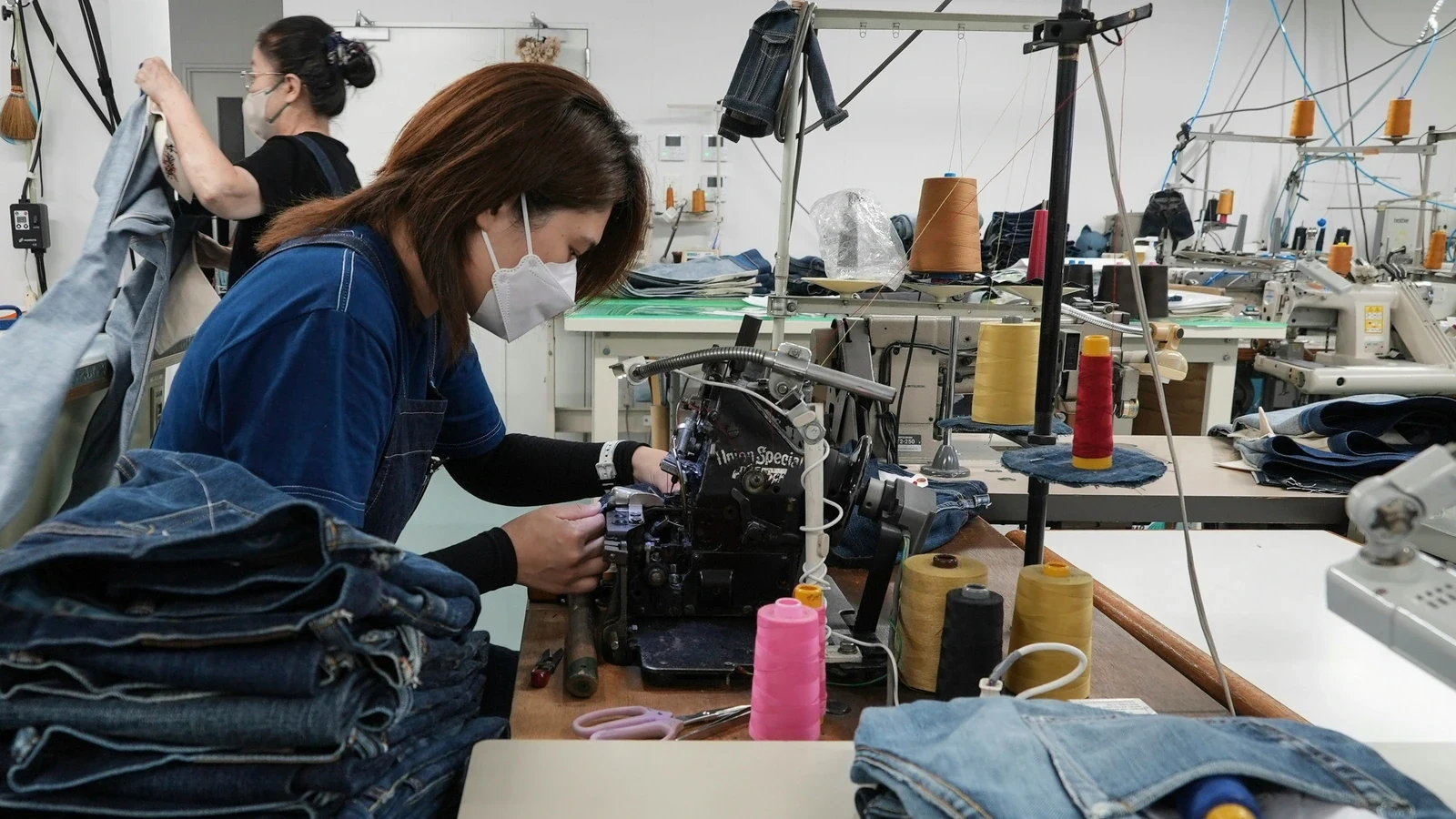
A Momotaro craftsperson at the Kojima atelier still runs a single needle through selvedge denim at roughly 400 stitches per minute, pausing to check tension by hand before the seam reaches the presser foot. That detail matters here, because it is the reason you are reading this: the mills and ateliers of Kojima, Okayama, are among the few places left where you can watch that work happen in real time. Access is genuinely open for most of it. The Momotaro Jeans flagship and the Kojima denim district1 welcome visitors without a reservation for retail and street-level exploration; factory floor access is more restricted, and the depth of what you see depends almost entirely on how you prepare before you arrive.
Why the Kojima Mills Draw More Visitors Than They Can Absorb
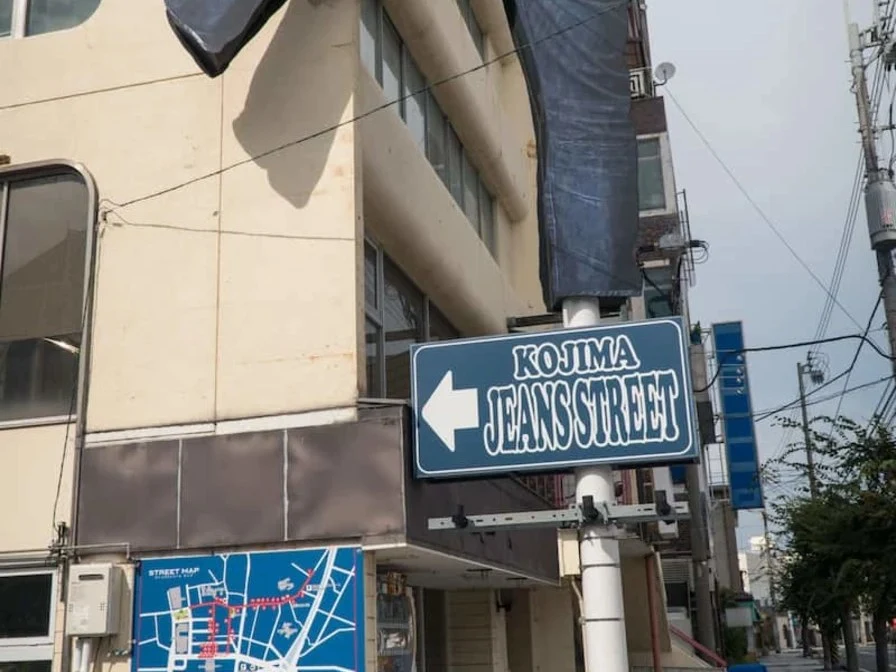
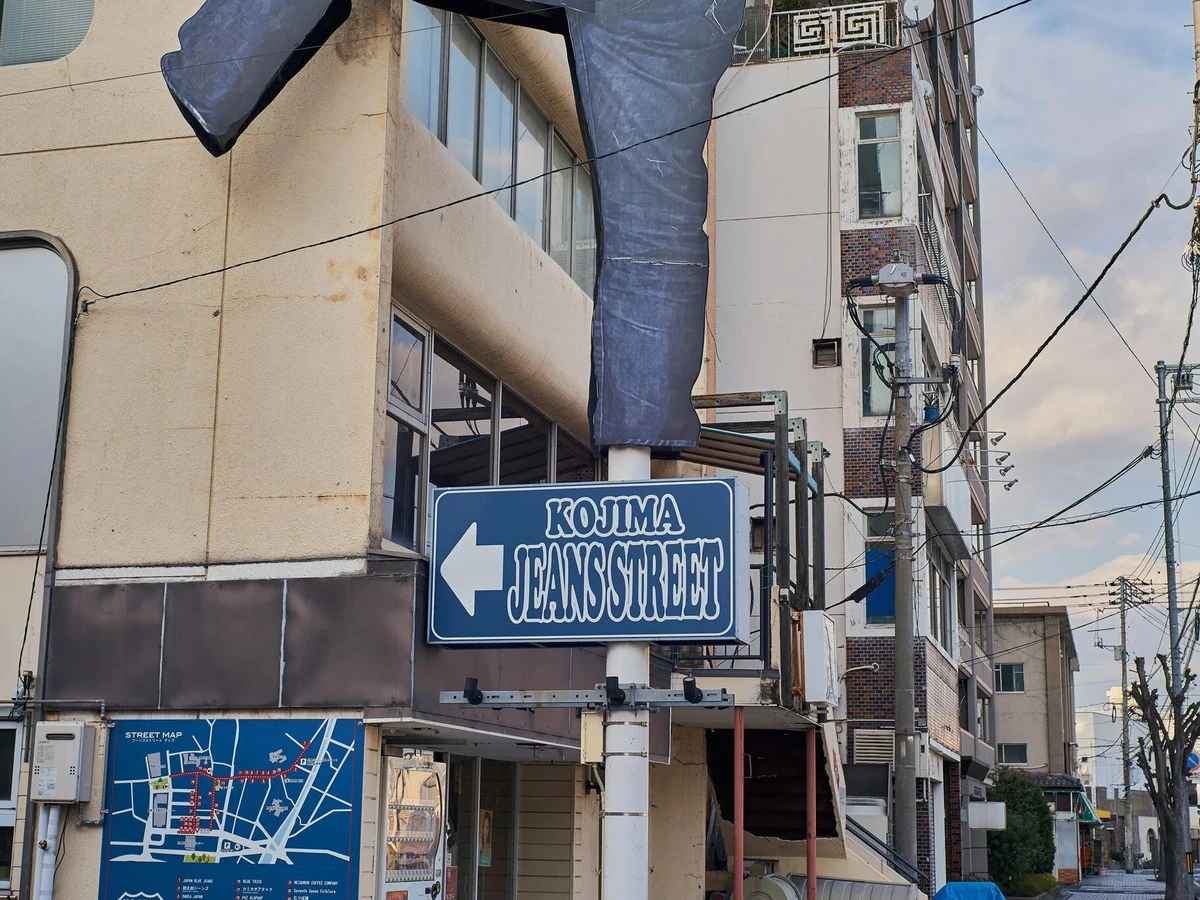
Kojima is a small coastal town in Kurashiki City, Okayama Prefecture, and its main denim artery, Jeans Street (known locally as Jeans-dori), runs approximately 400 metres,2 from the Former Nozaki Family Residence to the northern end of the district. The concentration of makers along that strip, including the Momotaro Jeans flagship operated by Japan Blue Group, several independent selvedge weavers, and finishing houses that have been on the same block for decades, means that serious visitors, buyers, and denim students from Europe, North America, and across Japan converge on a district that was never designed for tourism at scale. The Kojima area draws about 100,000 visitors a year,3 a number that strains a working neighbourhood built around production rather than foot traffic.
The production floors themselves are the constraint. Most mills in the Kojima area operate as working factories first; visitor access to the looms and sewing lines is not a standard offering, and the handful of ateliers that do allow observation typically do so by appointment, in small groups, and on schedules that serve production rather than tourism. The Momotaro flagship store on Jeans Street is publicly accessible during retail hours, and the street itself is walkable without any booking. But if you want to stand beside a Toyoda shuttle loom running 11-ounce selvedge, you will need to do more than show up.
When the District Is Open and How Mill Access Actually Works
Jeans Street and the Momotaro flagship store operate on standard Japanese retail hours; opening hours vary by season, so confirm them directly with the Momotaro Jeans official site or Japan Blue Group before planning your itinerary around a specific opening time. The store does not require a reservation for retail visits.
Factory and atelier access is a different matter. There is no published open-booking system for Momotaro's production floor or for the weaving mills that supply the district. Some mills in the Kojima area have historically offered tours through advance contact with their export or PR teams, but no standardised booking window or public tour programme is publicly documented. Production floor access is unpublished and irregular; contact Japan Blue Group directly through their official channels to ask about current tour availability before building a trip around it.
The Best Channels, Ranked by What They Actually Yield
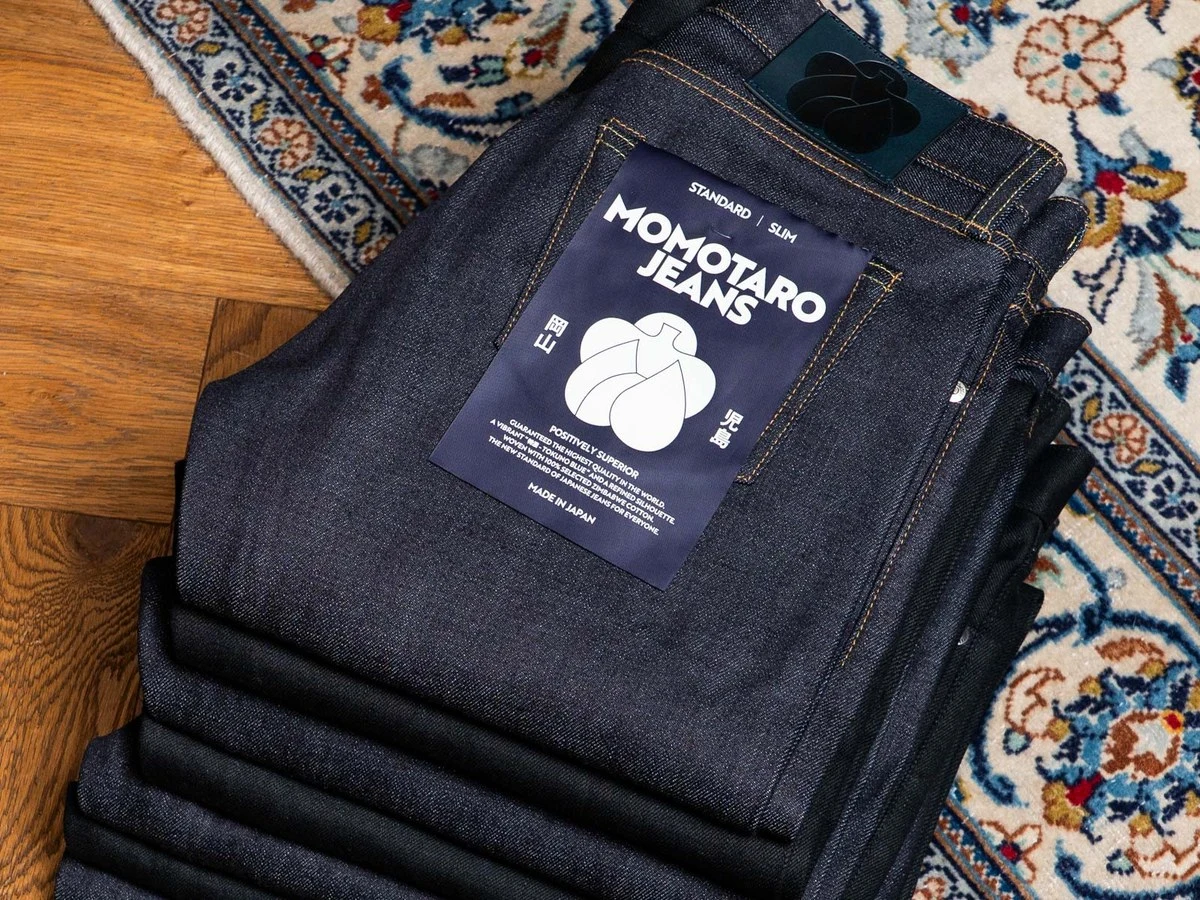
1. Walk-in retail visit, Momotaro flagship, Jeans Street. This is the floor-level access that requires nothing from you except the train fare to Kojima Station and a walk south toward the water. The walk from Kojima Station takes approximately 15 minutes, or 3 to 6 minutes by bus.2 The flagship carries the full Momotaro line, including selvedge cuts whose prices range from $230 to $1,400 or more,3 and the staff on the floor are typically knowledgeable enough to discuss construction details if you ask in Japanese or with a translation app. You will see finished goods, not the making of them, but the goods themselves are instructive: the chain-stitch hems, the natural indigo overdye options, the hardware sourced from Japanese manufacturers.
2. Jeans Street self-guided walk. Beyond Momotaro, Jeans Street holds on the order of two to three dozen specialist denim shops and workshops,4 some of which display looms or finishing equipment in their shopfronts. This is free, requires no booking, and rewards slow walking. The street is short enough to cover twice in an afternoon.
3. Direct contact with Japan Blue Group for production access. If you want to see the looms, this is the only route with any realistic chance of success. Write in advance, explain your purpose (trade buyer, researcher, journalist, serious collector), and ask specifically about current tour availability. There is no guarantee, and no standing programme is confirmed. Expect a longer lead time than you would for a restaurant reservation.
4. Organised textile or denim study tours. A small number of specialist travel operators run curated Kojima itineraries that include pre-arranged mill access. These cost more than independent travel and require booking months in advance, but they solve the access problem by drawing on existing relationships with the mills. If production floor access is the primary goal, this route is worth the premium.
Inside Kojima: What a Day on Jeans Street Actually Looks Like
Bicycles can be rented at Kojima Station,5 and the ride to Jeans Street takes you through a neighbourhood that still reads as a working town rather than a heritage district. The street itself is narrow, lined with low shopfronts, and the signage is in Japanese. A few shops have placed vintage shuttle looms in their windows or entrances, the kind of Toyoda iron that runs at a fraction of the speed of modern projectile looms and produces the tight, uneven selvedge edge that the whole industry here is built around.

The Momotaro flagship is the anchor. Inside, the denim is organised by weight and wash, and the staff can walk you through the construction of a specific cut if you engage them. The chain-stitching on the hems is visible if you turn a pair inside out; the selvedge ID stripe runs along the outseam. These are not decorative choices. They are the residue of a method that has been continuous in this district since the 1960s, when Kojima became the centre of Japanese denim production. The Momotaro Workshop on Jeans Street focuses on production of the Copper Label series6 and is the closest most visitors will get to seeing the making process without a pre-arranged factory visit.
If you have arranged production access, the experience shifts entirely. A working shuttle loom is loud in a way that is difficult to prepare for, a rhythmic mechanical clatter that fills a low-ceilinged room and makes conversation impossible at normal volume. The fabric comes off the loom in a narrow width, and selvedge garments require more yardage and more careful pattern placement than fabric cut from wide-loom cloth. Watching a cutter work around that constraint, marking the grain and the selvedge edge before a single cut, is the kind of thing that changes how you read a finished pair of jeans.
The finishing houses, where denim is washed, distressed, or overdyed, are less visually dramatic but equally instructive. The hand-sanding and whiskering that produces a worn-in look on a raw jean is slow, repetitive work; the craftsperson doing it has typically been at that station for years. The knowledge of how a specific wash affects a specific weight of denim lives in the hands of people who have been doing it long enough that the variables are intuitive rather than written down.
At the Betty Smith museum further along the street, visitors can order a pair of bespoke jeans, customising them from an array of thread colours and rivet designs;4 the experience also lets you put rivets on denim products like tote bags and cellphone cases.5 It is a hands-on entry point for visitors who want to understand the construction without accessing a production floor.
Strategy: How to Get More Than a Shopping Trip
Write before you go, and be specific. A vague inquiry to a mill's general contact address will likely go unanswered. A letter that names the specific aspect of production you want to observe, explains your background (trade, research, journalism, serious collecting), and proposes a specific date range has a better chance. Japanese business culture rewards preparation and directness in written communication.
Go on a weekday. Production floors, where access exists at all, are working environments. Weekend visits are less likely to be accommodated because the mills may not be running. A Tuesday or Wednesday in the middle of a production month is a more realistic ask than a Saturday in peak tourist season.
Learn enough Japanese to ask one question at the loom. You do not need fluency. But the ability to ask "what weight is this?" or "how long has this loom been running?" in Japanese signals that you are there for the work, not the Instagram frame. It changes the conversation.
Mistakes that cost people the access they came for:
- Arriving without contact. Showing up at a mill gate and asking for a tour is the fastest way to be turned away politely. The production floor is not a museum; the people inside are on a schedule.
- Conflating the retail street with the production access. Jeans Street is open and worth your time, but it is not the same as seeing the looms. Visitors who treat the flagship store as the destination and then feel disappointed that they did not see manufacturing have misread what the street offers.
- Booking a single day. Kojima is not far from Kurashiki, which has its own textile history and the Ohara Museum of Art. A two-day itinerary that combines Jeans Street, a Kurashiki canal walk, and a morning reserved for any arranged mill visit is a more realistic structure than trying to compress everything into an afternoon.
- Ignoring the study tour operators. If production access is the point and you cannot arrange it independently, a specialist operator is not a compromise. It is the route that works.
Money vs Time: The Two Routes to Kojima
The independent route, train from Osaka or Hiroshima to Kojima Station (also reachable by car approximately 10 minutes from Kojima IC on the Seto Chuo Expressway),2 a self-guided walk of Jeans Street, retail purchases at the flagship, costs primarily in time and planning. The train fare and a night in Kurashiki are the main expenses; fares vary and should be checked against current JR schedules. This route is accessible and low-cost but yields retail access only unless you have done the advance work to arrange production visits.
The specialist tour route, through an operator who has pre-arranged mill access, costs significantly more and requires booking further in advance. Specific tour prices vary; operators differ and pricing changes seasonally. The premium buys you the production floor access that independent visitors rarely secure. For a trade buyer, a researcher, or someone who has been studying Japanese denim for years and wants to see the source, the cost is proportionate to what you get.
Kojima Denim Access: Routes Compared
| Route | Access Level | Lead Time | Approximate Cost | How to Book |
|---|---|---|---|---|
| Walk-in, Jeans Street + Momotaro flagship | Retail only | None | Transport + purchases | No booking required |
| Direct contact, Japan Blue Group / mill PR | Possible production floor | Weeks to months; unpublished | Transport + purchases | Written inquiry via official channels |
| Specialist textile/denim study tour | Production floor likely | Months in advance | N/A (operator-dependent; unconfirmed) | Via specialist tour operator |
| Kurashiki + Kojima combined itinerary | Retail + cultural context | Standard hotel booking | Transport + accommodation + purchases | Standard travel booking |
Alternatives That Scratch the Same Itch
Kurashiki Ivy Square and the Kurashiki Textile Museum. A short distance from Kojima, Kurashiki's textile history predates denim and runs through cotton brokerage and weaving traditions that shaped the whole region. The Ivy Square complex, built on the site of a former spinning mill, gives context for why Okayama became a textile centre at all. No production access, but the industrial archaeology is worth the detour.
Oni Denim, Iyo City, Ehime. Oni operates one of the few remaining mills still running vintage shuttle looms for selvedge production and has been more open to arranged visits than some Kojima producers. The fabric weight and character differ from Momotaro's Zimbabwean cotton base; Oni's hairy, slubby texture is a distinct point on the selvedge spectrum. Contact directly for current visit availability.
Collect Momotaro through authorised international stockists. If the trip is not feasible, the garments themselves carry the method. Momotaro comes with a lifetime guarantee; tears and other problems get fixed at no cost, within reason,3 which means a pair examined closely at a stockist, chain-stitch hem, selvedge outseam, hardware, tells most of the story the mill would show you in person.
The Japan Blue Group online archive and lookbooks. Not a substitute for the physical visit, but the brand's documentation of its production process is more detailed than most Western denim houses publish. It is a reasonable starting point for understanding what you would be looking at if you did make the trip.
Who Should Make This Trip, and When
Kojima rewards people who already know what selvedge means and want to understand why it matters at the source. If you are a tailor, a denim collector, a fashion student with a specific interest in Japanese production, or a buyer sourcing for a shop that carries heritage workwear, the trip has a clear return. The production context changes how you read the finished goods; the district is compact enough, with around three dozen shops including workshops, galleries, and cafés along a 400-metre street,7 that a focused two-day visit covers the ground without waste.
If you are a general Japan tourist who has heard that Kojima is worth a stop, the retail street is genuinely worth an afternoon, particularly if you are already in Hiroshima or Osaka. Do not build a dedicated trip around production access you have not pre-arranged; the disappointment is predictable and avoidable.
The best time to visit is a weekday outside of Japanese public holiday clusters, when the mills are running and the street is not crowded with domestic tourists. Spring and autumn are the most comfortable seasons for walking the district.
Worth the Journey?
For the right visitor, yes, without qualification. Kojima is one of the few places where the full chain of denim production, from loom to finishing to retail, still exists within walking distance, and the Momotaro flagship is a legitimate destination even if you never see the inside of a mill. The retail visit is easy, free to enter, and instructive if you know what to look for.
The production floor is the harder prize, and it requires advance work that most visitors do not do. Write before you go. Be specific about what you want to see and why. If that route does not open, a specialist tour operator is the reliable alternative, not a fallback.
The access route that reliably works is an email, written carefully, sent weeks before you arrive. The craft in Kojima has been continuous for decades; it will still be there when you have done the preparation properly. The fact that roughly 65% of customers at Momotaro's Tokyo Aoyama store are inbound foreign visitors8 suggests the international appetite for this work is real and growing; the people in Kojima who do the work are worth the effort it takes to reach them.
Frequently Asked Questions
Can you walk into the Momotaro Jeans flagship on Jeans Street without a reservation?Yes. The Momotaro flagship on Kojima's Jeans Street is a retail store and does not require a reservation for a standard visit. Confirm current opening hours directly with the Momotaro Jeans official site before your trip, as they vary by season.
How do you arrange a factory floor visit to see the Kojima shuttle looms in operation?There is no published open-booking system for production floor access at the Kojima mills or at Momotaro's manufacturing facilities. The most reliable route is a written inquiry sent directly to Japan Blue Group or the specific mill's PR or export contact, explaining your purpose and proposing a date range. Lead times are unpublished; allow weeks to months and do not build a trip around access you have not confirmed.
Is Kojima worth visiting if you cannot arrange mill access?Yes, for the right visitor. Jeans Street is a compact, walkable district with several independent retailers and the Momotaro flagship, all carrying selvedge goods whose construction tells most of the production story. The nearby Kurashiki canal district and textile museum add context. A day trip from Hiroshima or Osaka is a reasonable use of time even without production floor access.
What does the Momotaro Workshop on Kojima Jeans Street actually produce?The Momotaro Workshop on Jeans Street focuses on production of the Copper Label series. It is the most accessible point of contact with the making process for visitors who have not arranged a full factory tour, and it sits on the street itself rather than in a separate industrial facility.
Are there specialist tour operators who include Kojima mill access in their Japan textile itineraries?Yes, a small number of specialist travel operators run curated Okayama and Kojima itineraries that include pre-arranged production access. Specific operators and pricing vary; search for Japan textile study tours or denim heritage tours and verify current availability directly with the operator. These tours typically require booking several months in advance.