You can commission a bespoke watch from an independent watchmaker, but the best ones are not waiting for you to call. Their books are often closed, their waitlists run years rather than months, and the conversation that leads to a commission is earned through patience and genuine knowledge of the work, not through a purchase inquiry. The single best route for most readers is a direct approach to the maker's studio, by email, with a clear brief and evidence that you understand what they do. Expect to wait. Expect to be asked questions before any price is discussed.
Inside the Independent Watchmaker's Workshop: What a Commission Actually Looks Like
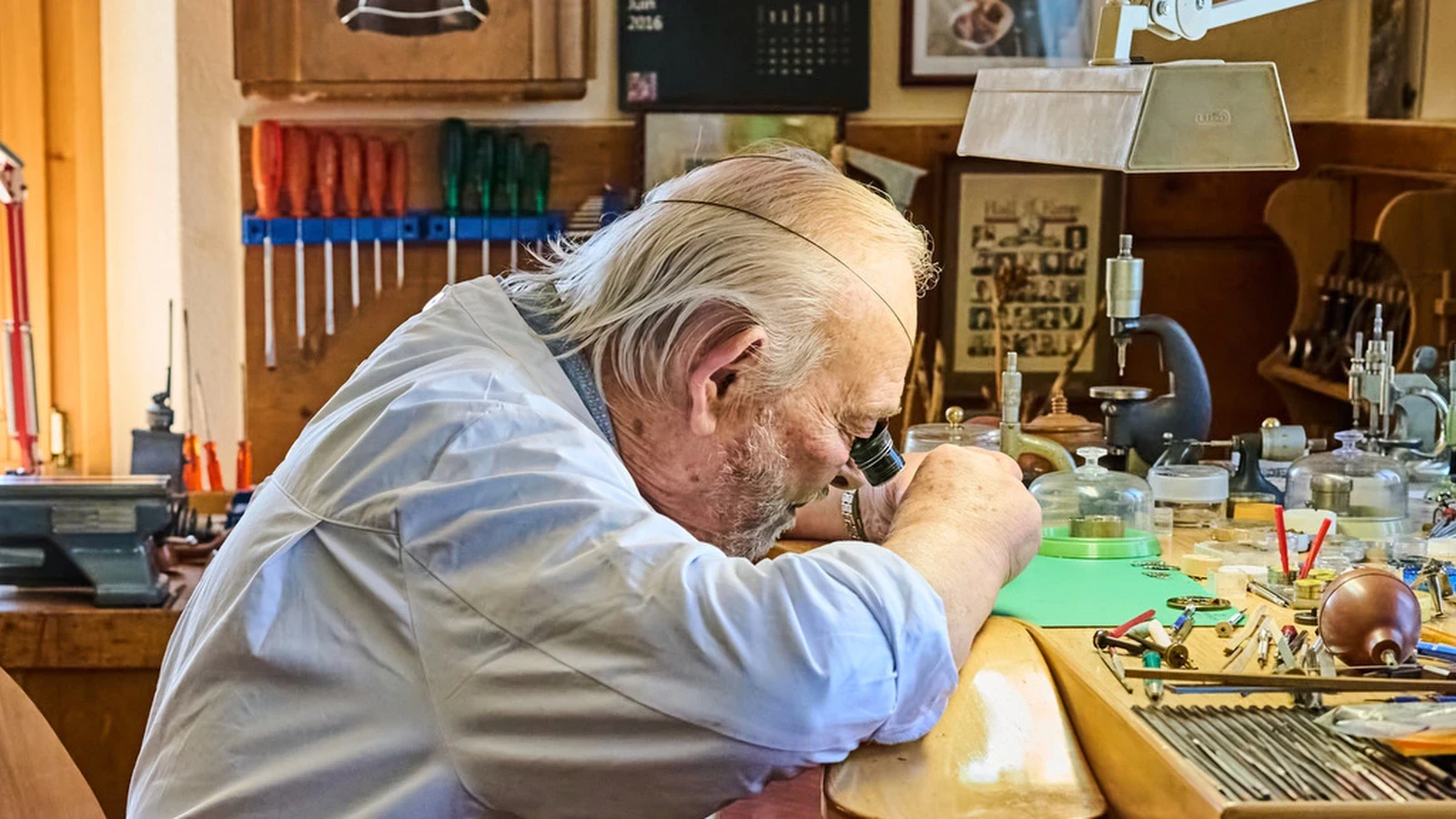
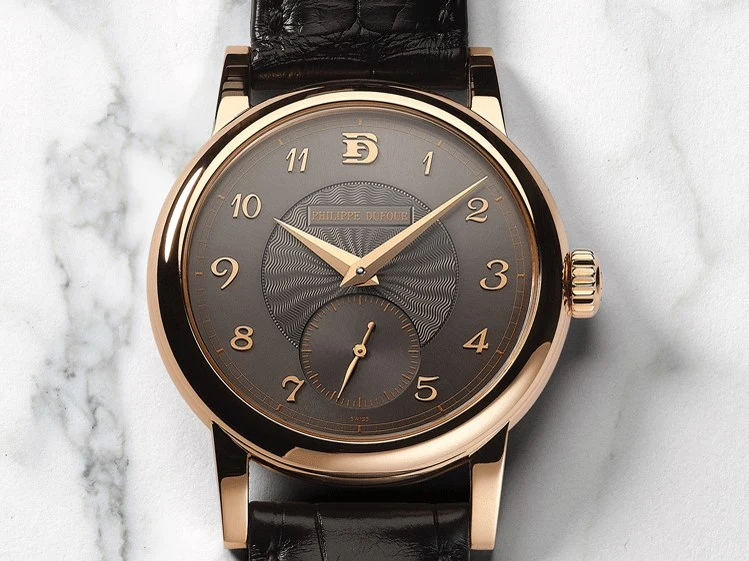
Philippe Dufour,1 who builds each watch on direct commission from his workshop in Le Sentier, still finishes every surface by hand. The anglage on a Dufour movement, the chamfering of each steel bridge at a consistent angle before it is polished to a mirror, is the kind of work that takes years to learn and cannot be delegated without the result showing it. When you commission from a maker at this level, you are not buying a configured product. You are entering a conversation about what the maker's hands can do and what your brief asks of them.
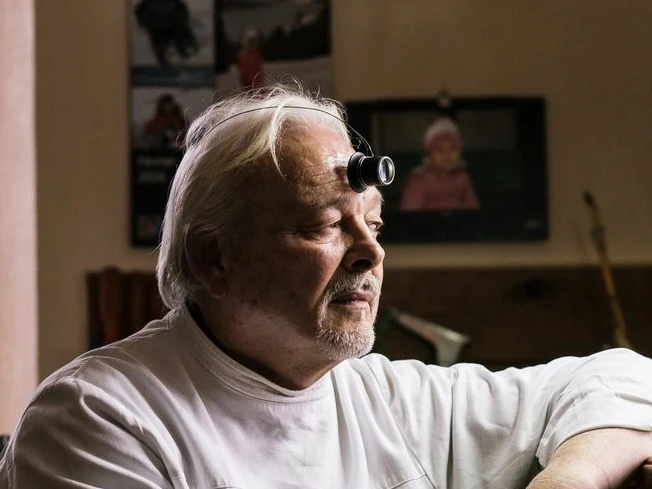
The workshop visit, where it is offered at all, is typically a single consultation. You sit across a bench from someone who has spent decades on the tools. The room is quiet. There are loupes, movement holders, and trays of components in various states of finishing. The maker will show you work in progress, not as a sales gesture, but because the work is the language. You will be asked about case size, dial material, complication preferences, and whether you have worn the maker's work before. Some makers, particularly those trained in the Vallée de Joux tradition, will ask to see your wrist before discussing proportions.
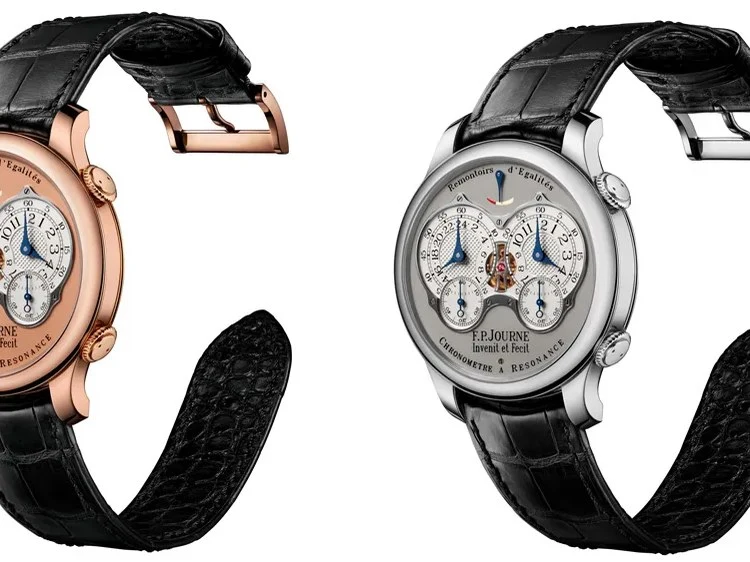
The decisions you get to make depend entirely on the maker's program. At the level of a Dufour or an F.P. Journe, the maker's aesthetic is the point; you are commissioning their judgment, not overriding it. At the level of a skilled independent who produces a smaller number of pieces per year, there may be more latitude on dial colour, hand style, or case finishing. What you will not find, at any serious independent, is a configurator. The process is a conversation, and the conversation takes time.
Delivery formats vary. Some makers offer a single handover meeting at the workshop. Others ship. A small number will travel to the client for final delivery, particularly for pieces above a certain value. The workshop itself, when you are allowed inside, is the experience: the smell of watchmaker's oil, the sound of a movement being tested on a timing machine, the sight of a dial being fitted with tweezers under a loupe. It is not theatrical. It is work.
Why Independent Watchmaker Waitlists Run the Way They Do
The capacity constraint is absolute. A single independent watchmaker producing finished movements by hand can complete only a small number of pieces per year, and that number does not scale. Dufour makes between 15 and 18 watches per year;1 his run of 200 Simplicity timepieces took 12 years to complete.1 F.P. Journe, whose manufacture in Geneva employs a small team, produces fewer than 900 mechanical watches per year across all models,2 with the most complex references allocated in even smaller numbers. The demand side has grown steadily as collectors have moved away from large-house pieces toward work that carries a traceable lineage and a named hand.
The people competing for the same slots are not casual buyers. They are collectors who have followed the maker's work across multiple references, who attend Watches and Wonders or SalonQP to see new work in person, and who have often already owned one piece from the maker. A first-time commission inquiry from an unknown client, however well-funded, sits behind that queue. Some makers will not accept a commission from someone who has not previously owned their work. This is not gatekeeping for its own sake; it is a practical filter against clients who do not understand what they are asking for.
The seasonal rhythm of the watch world also shapes access. January through April concentrates the major Geneva and Basel presentations, and makers' attention is on new references and press commitments. The quieter months, late summer and autumn, are when studio correspondence is more likely to receive a considered reply.
When Independent Watchmaker Books Open (and When They Don't)
Most independent watchmakers at the top of the discipline do not publish a booking window or a commission calendar. The verified facts available for this piece do not include specific release windows or deposit schedules for any named maker; the booking mechanics are unpublished and vary by studio. Confirm directly with the maker's studio before planning around any assumed opening.
What is documented is the general pattern: the F.P. Journe waitlist operates closer to an application process than a queue, with boutique staff evaluating prospective buyers based on collecting history and relationship.2 Some makers open a small number of commission slots when a reference is completed and they are ready to begin the next cycle. Others maintain a standing waitlist and contact clients in order when a slot becomes available. A few, particularly those who have reached a point where demand permanently exceeds capacity, have stopped accepting new commission inquiries entirely and work only with existing clients or through a small number of trusted dealers.
The seasonal calendar matters here. Approaching a maker in the weeks immediately after a major fair, when their inbox is full of press and dealer correspondence, is poor timing. Late summer, when the fair season has passed and the workshop is in production mode, is when a well-composed inquiry is most likely to be read carefully.
How to Actually Reach an Independent Watchmaker
The channels, ranked by what they realistically yield:
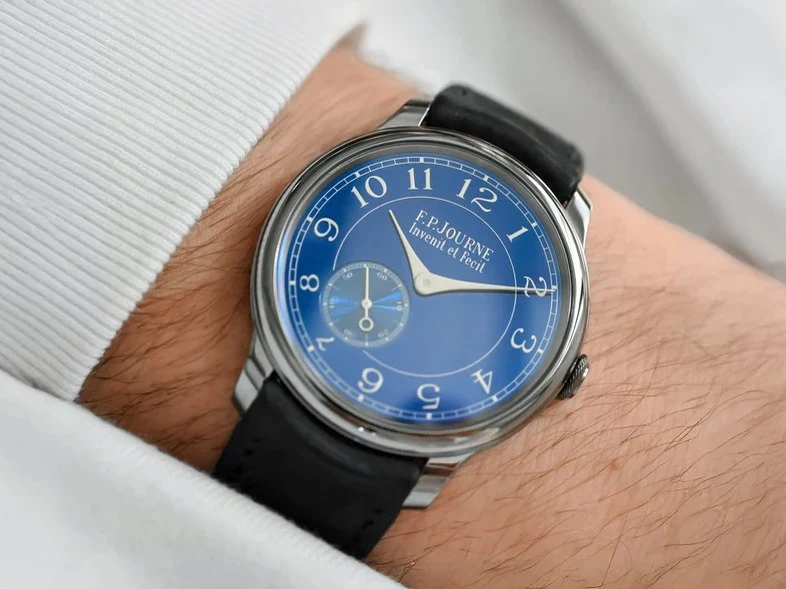
Direct studio contact. For most serious independents, the studio email or contact form on the maker's own website is the primary channel. A brief that demonstrates knowledge of the maker's work, names specific references you have studied or owned, and states clearly what you are looking for will be read differently from a generic inquiry. Keep it short. Makers are not reading long letters from strangers; they are reading for signal. Multiple collectors report being asked to fill out a formal application before being considered for allocation, particularly for the Chronomètre Bleu.2
Trusted dealers and authorised retailers. A small number of independents work through a curated dealer network. Dealers such as Watches of Switzerland, Hodinkee's shop, or specialist independents like Analog/Shift in New York maintain relationships with makers and can sometimes facilitate introductions. The dealer relationship is most useful when you are a known client; a cold approach to a dealer asking for an introduction to a maker they represent is only marginally better than a cold approach to the maker directly.
Collector communities and forums. Watchuseek and the NAWCC community carry years of documented experience with specific makers' commission processes. Reading those threads before you write to a maker is basic preparation. The people who have successfully commissioned from Dufour or Journe have often documented the process in detail.
Watch fairs and events. Watches and Wonders Geneva, held annually in spring, is where many independents show new work and where a brief, respectful conversation at a booth can open a correspondence. SalonQP in London, when it runs, serves a similar function for European collectors. These are not the place to close a commission; they are the place to begin a relationship.
Improving Your Odds: What Actually Works
Own the maker's work first, if you can. Purchasing a Chronomètre Souverain or Octa piece as a first buy is the expected path before a Chronomètre Bleu allocation becomes possible.2 A client who already wears a maker's piece is a different conversation from a first-time inquirer. For makers whose entry pieces are themselves scarce, a pre-owned example from a reputable auction house or dealer serves the same purpose.
Write a brief, not a wish list. The makers who respond to commission inquiries are responding to people who understand the discipline. Name the reference that interests you and why. Describe what you want the piece to do, not just what you want it to look like. If you have a specific complication in mind, demonstrate that you understand what it requires.
Be patient with the timeline. A commission from a serious independent runs on the maker's schedule, not the client's. Chasing correspondence is counterproductive. The studio does not publish a response window; if you have not heard back after several weeks, a single polite follow-up is appropriate, then wait.
Consider the secondary market as a parallel strategy. Pieces from Dufour, Journe, and comparable independents appear regularly at Phillips, Christie's, and Sotheby's watch sales. A secondary-market piece from a maker whose commission list is closed is often the only realistic route to ownership within a defined timeframe.
Who Should Pursue a Bespoke Commission (and Who Should Not)
A bespoke commission from an independent watchmaker suits a collector who has already spent time with the maker's work, understands the lineage and the method, and is prepared to wait without a guaranteed outcome. As of June 2026, the median F.P. Journe authorised dealer wait is reported at three to five years, based on seven verified buyer accounts.2 For the Chronomètre Bleu specifically, the waitlist is effectively closed for new clients at most boutiques, with existing reports suggesting waits of five years or more.2 A commission is not the right pursuit for someone who wants a watch by a specific date, who is primarily motivated by resale value, or who has not yet worn a piece from the maker in question.
The occasions that justify the effort: a significant personal milestone where the object is meant to carry meaning across decades; a collector who has reached the point where production pieces no longer satisfy the interest in craft; a client who wants to understand the making of a watch by being part of the conversation that produces one.
The people you will share the waitlist with are, by and large, serious collectors and a smaller number of institutional buyers. The commission process self-selects for patience and knowledge. If you find the process frustrating, that is useful information about whether a bespoke commission is actually what you want.
Independent Watchmaker Commission Routes: A Practical Comparison
| Route | Access Difficulty | Typical Lead Time | Cost Range | How to Initiate |
|---|---|---|---|---|
| Direct studio commission (e.g. Dufour, Journe) | Very high; books often closed | Unpublished; reported multi-year waits, verify with studio | Unpublished; contact studio directly | Studio email with a prepared brief |
| F.P. Journe AD allocation (Chronomètre Souverain / Octa) | High; application process required | 2 to 3 years for Chronomètre Souverain at most boutiques2 | Approx. CHF 38,000 (rose gold) to CHF 42,000 (platinum)2 | Contact authorised boutique directly |
| Secondary market (Phillips, Christie's, Sotheby's) | Moderate; open to registered bidders | Immediate (auction cycle) | Market-determined; varies by reference | Register with auction house |
| Watch fair introduction (Watches and Wonders) | Moderate; requires fair access | N/A (opens correspondence only) | N/A | Attend fair; approach maker's booth |
Alternatives When the Books Are Closed
The secondary market at Phillips, Christie's, or Sotheby's. All three houses hold dedicated watch sales multiple times per year, and pieces from Dufour, Journe, and comparable independents appear with regularity. Registration is open to any qualified bidder. For a collector whose timeline does not accommodate a multi-year commission, this is the most reliable route to ownership.
Smaller independents with open books. The independent watchmaking world extends well beyond the handful of names that dominate collector conversation. Makers trained in the same Vallée de Joux tradition, working at an earlier stage of their careers, often have commission slots available and bring the same discipline to the bench. The AHCI (Académie Horlogère des Créateurs Indépendants) requires members to independently develop and produce their own creations,3 making its membership list a documented starting point for identifying makers whose work is serious and whose books may be open.
Bespoke dial programs at established houses. Several larger independent-minded houses, including Voutilainen and Moser, offer dial customisation programs that sit between a full bespoke commission and a standard production piece. Lead times and availability vary; contact the house directly for current status.
Watchmaking schools and apprentice programs. For collectors interested in the craft itself rather than only the object, programs at the Watchmakers of Switzerland Training and Educational Program (WOSTEP) or the British Horological Institute offer structured access to the discipline. Some graduates take private commissions.
The Verdict: Is a Bespoke Commission Worth the Chase?
For the right collector, yes. For most people asking the question, the secondary market is the smarter first move. The commission process at the level of a Dufour or a Journe is not a service; it is a relationship, and relationships take time to build. If you have not yet owned a piece from the maker, start there. Buy a pre-owned example, wear it, study it, and then write to the studio with something to say.
The allocation list, or its equivalent in the independent world, a standing waitlist managed by the maker directly, is the only route that reliably works for a first commission. Dealer introductions help, but only if the dealer knows you. Fair conversations open doors, but only if you follow up with a prepared brief. The secondary market remains the most accessible route for anyone whose timeline is measured in months rather than years.
The craft is worth the patience. A movement finished by a single pair of hands, with anglage cut at a consistent angle across every bridge and plate, is a different object from anything produced at scale. That difference is visible under a loupe and felt in the weight of the case. It is not a claim the maker needs to make; it is a fact the work carries.
madeby follows the people behind this kind of work: the makers at the bench, the apprentices learning the long way, the predecessors whose methods are still being studied. The access problem in independent watchmaking is, at its core, a people problem; there are not enough hours in a skilled maker's year to meet the demand. Tracking the people is how you stay close enough to the work to be ready when a slot opens, and that proximity, built over years of study and ownership, is what separates the collectors who eventually get the call from those who are still waiting to be noticed.
Frequently Asked Questions
How do you get on Philippe Dufour's commission waitlist for a Simplicity or Duality?
Dufour's studio does not publish a formal waitlist or booking window. The documented approach is a direct email to the studio with a clear brief that demonstrates knowledge of his work. His annual output is between 15 and 18 watches by most accounts, and his books are reported to be closed to new clients for extended periods. Separately, a waiting list of 75 people asking for a Duality has been documented in published interviews. Confirm current availability directly with the studio before planning around a commission timeline.
How long does a bespoke independent watchmaker commission typically take from inquiry to delivery?
Lead times are unpublished and vary by maker. The studio does not publish a response or delivery window; collector accounts in forums and auction house notes describe multi-year waits as common for makers at the top of the discipline, but this is reported rather than confirmed by any maker's published policy. Contact the specific studio directly for current lead time estimates.
Can you commission a bespoke watch from an independent maker without having owned their work before?
Some makers will accept a first-time commission inquiry from an unknown client; others require that a client has previously owned a piece from their atelier before a commission conversation begins. This varies by maker and is not always stated publicly. A brief that demonstrates serious knowledge of the maker's work and references is the best preparation for a first approach, regardless of ownership history.
What decisions does a client actually get to make in a bespoke F.P. Journe or Dufour commission?
The scope of client input depends entirely on the maker's program. At the level of makers whose aesthetic is the primary value of the piece, client decisions are typically limited to case size, dial material, and strap choice. Makers who produce a broader range of references may offer more latitude on complication selection, hand style, and finishing details. The commission conversation itself is where the scope is defined; there is no standard configurator at this level of the discipline.
Is the secondary market a reliable alternative to commissioning directly from an independent watchmaker?
For collectors whose timeline does not accommodate a multi-year commission, the secondary market at houses such as Phillips, Christie's, and Sotheby's is the most accessible route to ownership of pieces from makers whose books are closed. Pieces from Dufour, Journe, and comparable independents appear regularly in dedicated watch sales. Registration requirements and buyer's premiums vary by house; contact the relevant auction house directly for current terms.