This is an award story, but not the kind that ends with a medal on a bottle. It begins with people at different stations of the UK wine trade, sommeliers on the floor, sales managers in the off-trade, a founder building a wine business, a researcher reading consumers, and head sommeliers carrying lists through service. The prize is study: the Wine Scholar Guild Champagne Masters course, a one-day masterclass in negotiation and sales in London, and a tutored tasting with Laurent-Perrier.
For anyone tracking the hands that will shape Champagne buying, teaching, and service in the UK, the names matter. A scholarship does not change a cuvée release or a vintage score. It changes who gets access to the method, the language, and the discipline behind the wines, then sends them back to the pass, the shop floor, the cellar, or the sales call.
The 2026 Laurent-Perrier Champagne Scholarship Winners
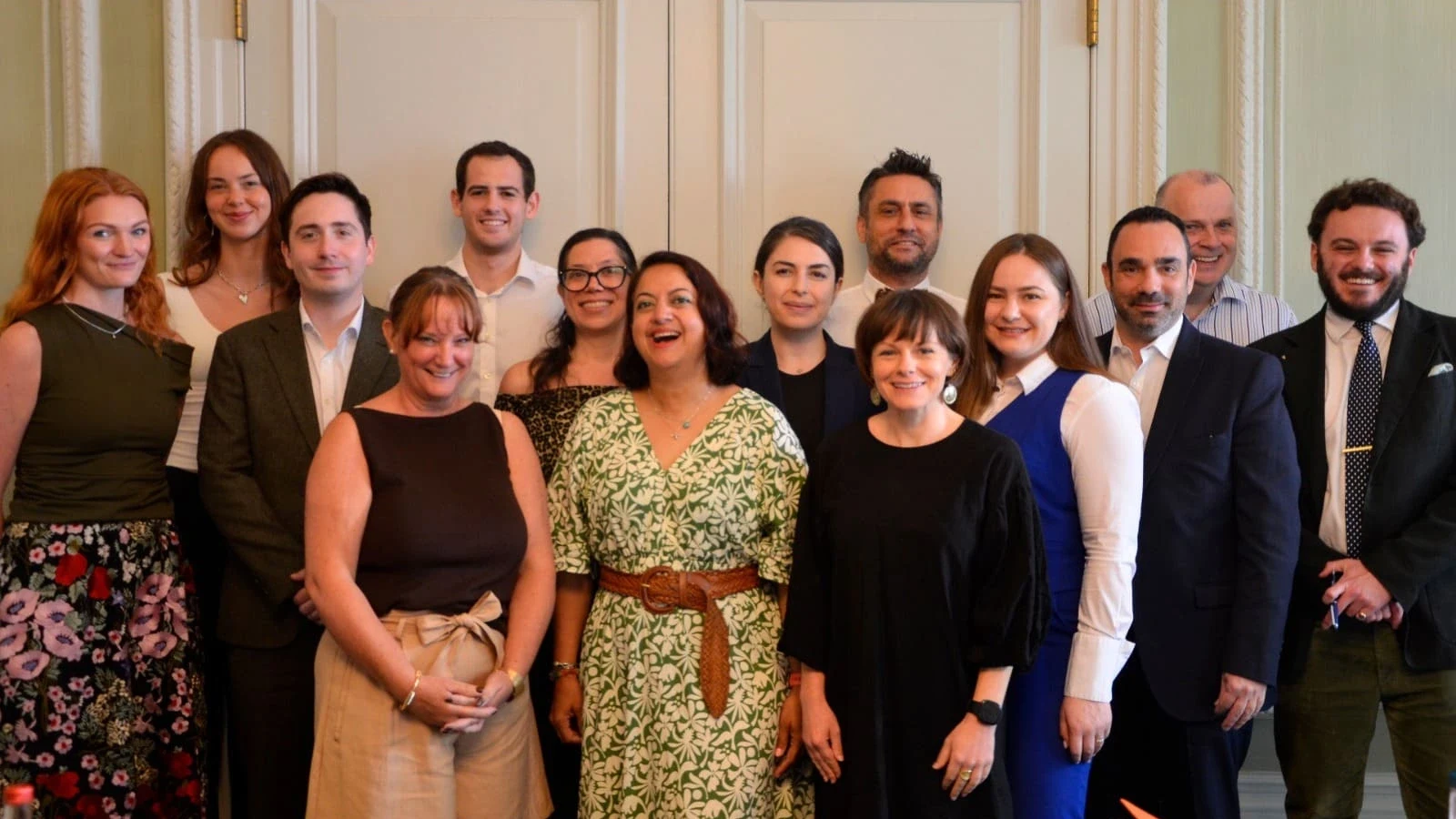
The Gérard Basset Foundation named 12 current working members of the UK wine trade as 2026 Laurent-Perrier Champagne Scholarship winners. The group reaches across restaurants, retail, consumer insight, education, and independent wine business. That spread is the point of this second-year partnership: Champagne knowledge does not live only with the sommelier polishing glasses before dinner. It lives with the person who sells a bottle from a shelf, the person who writes the list, the person who explains dosage to a table, and the person who studies how drinkers choose.
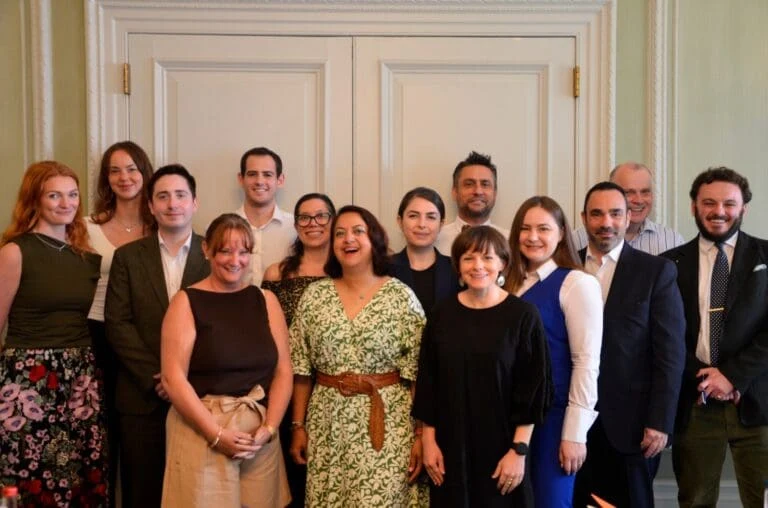
The announced winners are:
- Charlotte Alexander-Marsh, Area Sales Manager London at Majestic
- Amelia Burgess, listed with University of Edinburgh Business School, Santander Academy, and ELLE
- Chris Frayling-Cork, Head Sommelier at The Chancery Rosewood
- Zaloren Gonzalez Fontes, Sommelier at Los Mochis, with a Masters in Brewing and Distilling from Heriot-Watt listed in the announcement
- Shehnaz Hansraj, Head of Research & Consumer Insights UK at Viking
- Daisy Henderson, Wine Sales Specialist at Laithwaites and Sommelier at Harper Weddings
- Serhat Narsap, Founder and Managing Director of Sonvino
- Joanna Nerantzi, Head Sommelier at Raffles London at The OWO
- Anna Pavlovna Suzan, Senior Sommelier at Langan’s Brasserie
- Joseph Rosenfeld, Senior Sommelier at Dinings SW3
- Kostas Vaitsidis, Sommelier at Brown’s Hotel
- Lauren Wedge, Sommelier at The Wilderness
Read that list bench-side and the shape of the program becomes clearer. Charlotte Alexander-Marsh brings the lens of area sales at Majestic, where Champagne has to be explained at retail pace. Chris Frayling-Cork and Joanna Nerantzi work at head sommelier level, where the bottle meets food, service rhythm, and guest expectation. Shehnaz Hansraj works from research and consumer insight, a different station again. The scholarship draws them into the same Champagne curriculum, then lets each carry the material back into a different part of the trade.
That matters because Champagne education can harden into code if it stays inside one professional lane. The region asks for technical language: grape, village, base wine, blending, lees time, dosage, pressure, disgorgement. The trade asks for a second language: margin, negotiation, list placement, cellar depth, and how to answer the guest who says they only drink one familiar label. The 2026 cohort will have to work both languages.
What the Laurent-Perrier Champagne Scholarship Includes
The Laurent-Perrier Champagne Scholarship is built around three parts: academic study, commercial training, and tasting with the house. According to the announcement, winners receive the Wine Scholar Guild Champagne Masters course. They also receive a one-day masterclass in negotiation and sales, held in London, and a tutored tasting session with Laurent-Perrier.
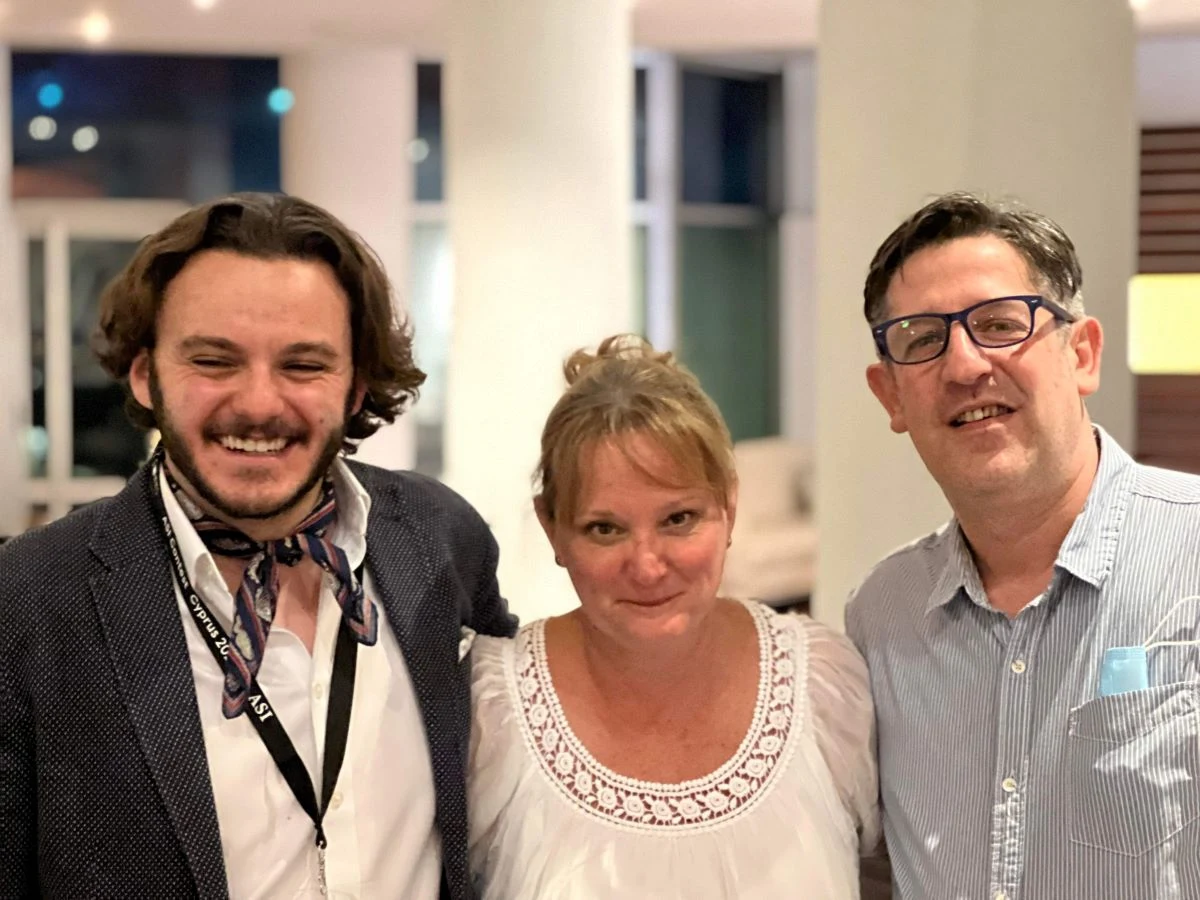
Those details give the scholarship its working shape. The Wine Scholar Guild course supplies the study bench: Champagne as a region, a method, and a body of wines that require precision rather than shorthand. The London masterclass moves the scholar from page to practice, where knowledge must survive a buyer meeting, a table question, or a sales target. The Laurent-Perrier tasting brings the wines into the glass, with the house’s own team guiding the session.
The order matters. Product knowledge without the ability to sell can stall at the edge of the cellar. Sales technique without depth can flatten Champagne into brand recall. A tasting without study can become a memory of acidity, mousse, and label rather than a method the professional can repeat. This scholarship binds those pieces together.
For a sommelier, that could mean speaking more cleanly about Champagne tableside, not with more noise, but with fewer gaps. For a retailer, it could mean turning a hand-sell into a short lesson that respects the drinker’s budget and intent. For a wine sales specialist, it could mean knowing when to lead with region, when to lead with occasion, and when to stop talking and pour.
The tutored tasting is the closest thing in the program to cellar access, even if the source announcement does not describe the glasses, wines, or sequence. Laurent-Perrier will host it. The scholars will taste the Champagne Laurent-Perrier range under guidance. They will work on tasting technique. That is enough to understand the value without inventing a note of citrus, chalk, brioche, or orchard fruit the source does not give us.
How the Selection Process Works
The judging panel for the 2026 scholarships named four people: Nina Basset FIH, co-founding trustee and team leader of the Gérard Basset Foundation; Romané Basset, co-founding trustee and head of operations at the Foundation; Christian Holthausen, head of communications for the Foundation; and Preston Mohr, managing director of Wine Scholar Guild. Their task was not to rank bottles. They judged applications from working people in the UK wine trade.
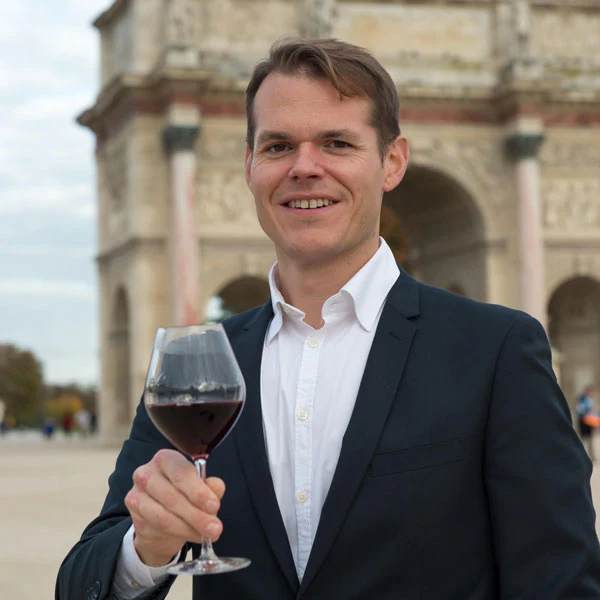
The number gives the selection its edge. Fifty-three applications came in. Twelve winners came out. In the language of the bench, that is not mass access; it is a small cohort, chosen for a course of study that each applicant would carry back to a different workplace.
Romané Basset named the scale of the decision in the announcement: "We received 53 applications this year, and we had to narrow it down to 12 well-deserving members of the UK wine trade, individuals coming from all walks of life," said Romané Basset.1 The quote lands because it names both the count and the range. It is easy to talk about access in wine. It is harder to build a program where a head sommelier, an area sales manager, a research lead, and a founder all sit under the same educational roof.
The scholarships are open to UK-based applicants only, according to the program information in the source material. Applications for the 2026 Laurent-Perrier Champagne Scholarships are closed, with applications due to reopen in Autumn 2026. That gives the next applicant a practical marker. The long way begins before the form opens: read Champagne with a map beside you, taste with notes that can be checked later, learn to explain a wine in two sentences without sanding off its method.
The panel itself shows how the scholarship is assembled. Nina Basset and Romané Basset bring the Foundation’s line of mentorship and education. Christian Holthausen brings the Foundation’s communications work, the act of translating purpose into language the trade can act on. Preston Mohr brings Wine Scholar Guild, the course provider behind the Champagne Masters study. The collaboration is not abstract. Each name holds a station.
The Basset Lineage and the Education Bench
The Gérard Basset Foundation is named for Gérard Basset, whose titles in the source announcement read almost like a cellar inventory: OBE, MS, MW, MBA, OIV MSc, ASI World’s Best Sommelier 2010. He was born on 7 March 1957 and died on 16 January 2019. The Foundation’s biographical note says he mentored and trained a generation of young sommeliers who sought his guidance for their own careers.
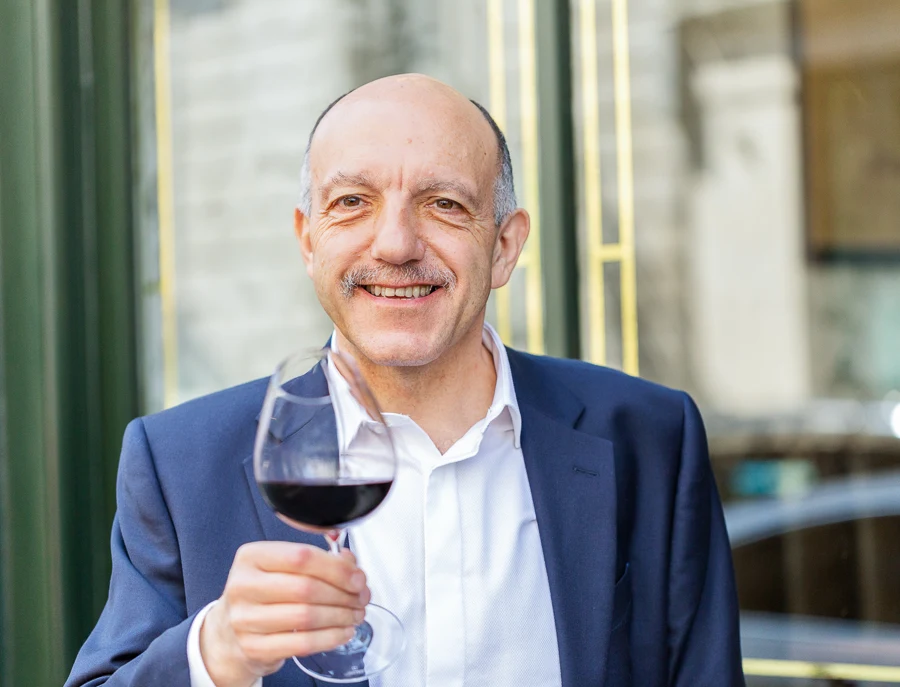
That is the lineage this scholarship enters. Not a lineage of one estate or one village, but of study, service, and apprenticeship. In wine, credentials can look ornamental from a distance. Up close, the serious ones demand repetition: blind tasting under pressure, theory recalled without the book, service movements made cleanly enough that the guest notices the wine rather than the hand.
The Gérard Basset Foundation describes its work as funding education, training, and mentorship programs in wine, spirits, and hospitality, with a focus on opening those sectors to people regardless of background or circumstance. For the Laurent-Perrier partnership, that stated aim takes a precise form: 12 UK-based professionals receive Champagne study and trade training in the second year of the program.
There is a craft argument here, and it is not sentimental. Champagne is often sold through occasion. It is ordered for celebration, poured at reception speed, bought as a gift, or selected because the name feels safe. The maker’s work can disappear under that surface. A better-trained professional can slow the exchange by a few useful seconds: this is how the wine is made; this is why it tastes the way it does; this is when to drink it; this is why this bottle, not another.
That does not require theatre. It requires time on the tools. It asks a sommelier to connect a list price to a production method, a retail manager to connect shelf talk to actual Champagne study, and a researcher to connect consumer behavior to the language that reaches the drinker without patronising them. The scholarship sits at that intersection.
What This Means for Champagne Buyers and Collectors
For collectors, the 2026 Laurent-Perrier Champagne Scholarship is not a buying alert in the usual sense. It does not name a new release, a special bottling, a vintage declaration, or an allocation. There is no source-backed price movement to report. The signal is human rather than transactional.
Collectors often learn from intermediaries: the sommelier who points beyond the obvious glass pour, the merchant who can separate house style from shelf habit, the sales professional who can explain why one Champagne suits a cellar and another suits dinner tonight. When those intermediaries study, the buying conversation changes. It can become more precise. It can also become less dependent on the few names that already dominate attention.
The scholarship’s practical design supports that kind of change without pretending education alone rewrites the market. The Wine Scholar Guild Champagne Masters course gives the winners a formal route through Champagne knowledge. The sales and negotiation masterclass acknowledges that wine professionals work under commercial pressure. The tutored Laurent-Perrier tasting puts the study into a glass, with a house present to explain its own range.
For a practitioner, the most useful detail may be the blend of on-trade and off-trade relevance. The source material says the sales and negotiation workshop is intended to develop skills in both sectors. That is a hard-earned distinction. A restaurant floor asks for timing, memory, and reading the table. Retail asks for clarity at shorter range, often with less context and less time. Both need craft. Both can cheapen Champagne if the person selling it only reaches for occasion language.
The 12 winners now become people to watch, not because the scholarship confers mastery overnight, but because it puts structured Champagne study into working hands. Charlotte Alexander-Marsh can carry it into Majestic’s London sales terrain. Chris Frayling-Cork can test it in a head sommelier role at The Chancery Rosewood. Joanna Nerantzi can apply it at Raffles London at The OWO. Shehnaz Hansraj can read it through the lens of consumer insight. Each station will use the same education differently.
The Next Move for the Scholars
The next visible work will not be the announcement. It will be quieter: course study completed around service, tasting notes rewritten after a Laurent-Perrier session, sales language adjusted after the London masterclass, a guest or buyer given a clearer answer than they expected. That is where a scholarship becomes trade knowledge.
The second year of the Gérard Basset Foundation and Laurent-Perrier partnership also gives the program a rhythm. The 2025 launch established the collaboration. The 2026 cohort gives it another set of names, another 12 professionals, another pass through the education bench. Applications are closed for 2026 and are expected to reopen in Autumn 2026, according to the program information in the source material.
Watch the scholars in the places where Champagne is actually explained: Charlotte Alexander-Marsh in retail leadership, Chris Frayling-Cork and Joanna Nerantzi on the restaurant floor, Daisy Henderson between sales and sommelier work, Serhat Narsap through an independent business, Lauren Wedge at The Wilderness. The award has named them. The work now moves into the glass, the list, the shelf talk, and the next service.
Frequently Asked Questions
What does the Laurent-Perrier Champagne Scholarship include?
The Laurent-Perrier Champagne Scholarship includes three components: the Wine Scholar Guild Champagne Masters course, a one-day masterclass in negotiation and sales held in London, and a tutored tasting session with Laurent-Perrier. The scholarship is designed to provide both academic knowledge and commercial training for UK wine trade professionals.
Who is eligible for the Laurent-Perrier Champagne Scholarship?
The scholarship is open to current working members of the UK wine trade across various roles including sommeliers, sales managers, wine business founders, researchers, and retail specialists. The 2026 cohort includes 12 winners from restaurants, retail, consumer insight, education, and independent wine businesses.
How many winners were selected for the 2026 Laurent-Perrier Champagne Scholarship?
The Gérard Basset Foundation named 12 winners for the 2026 Laurent-Perrier Champagne Scholarship. The winners represent diverse roles across the UK wine trade, from head sommeliers at luxury hotels to area sales managers and wine business founders.
What is the Wine Scholar Guild Champagne Masters course?
The Wine Scholar Guild Champagne Masters course is an academic study program covering Champagne as a region, method, and body of wines. It provides technical education on grape varieties, villages, base wines, blending, lees time, dosage, pressure, and disgorgement, forming the core educational component of the Laurent-Perrier scholarship.
Who organizes the Laurent-Perrier Champagne Scholarship?
The Laurent-Perrier Champagne Scholarship is organized by the Gérard Basset Foundation in partnership with Laurent-Perrier. This is the second year of the partnership, which aims to provide Champagne education across different sectors of the UK wine trade.