Sean Brock Pivots Darling West Hollywood Menu Back to Southern Roots
Two months after opening with California cuisine, James Beard winner Sean Brock returned Darling to Lowcountry cooking after guests asked for grits and cornbread.
HM
Director of Editorial Standards
Hugo Marchetti
Filed September 22, 2026
9 min read
In August 2025, Sean Brock opened Darling as a California restaurant. He studied Southern California's produce, livestock, and culture for months. He obsessed over custom live-fire grills and California white and red oak. The Husk owner wanted to create a seasonal, farmers market-driven menu that felt native to Los Angeles diners. By October, guest requests and a rekindled passion for Appalachian and Lowcountry cooking had him trickling Southern ingredients and stories back in, and the shift has since reshaped the restaurant's direction entirely.
Why Sean Brock's Darling Pivoted to Southern Cuisine
The reset happened fast. In the first few weeks after opening, guests asked why Darling didn't have grits and cornbread. Brock had convinced himself that no one in Los Angeles would be excited about Southern food. He was wrong. Angelenos wanted the cooking he was known for, the techniques and stories he had spent decades refining in Charleston, Nashville, and Savannah.
The Sunday letter
Get our new stories in your inbox every Sunday.
One email with our newest profiles and guides. See a sample before you subscribe.
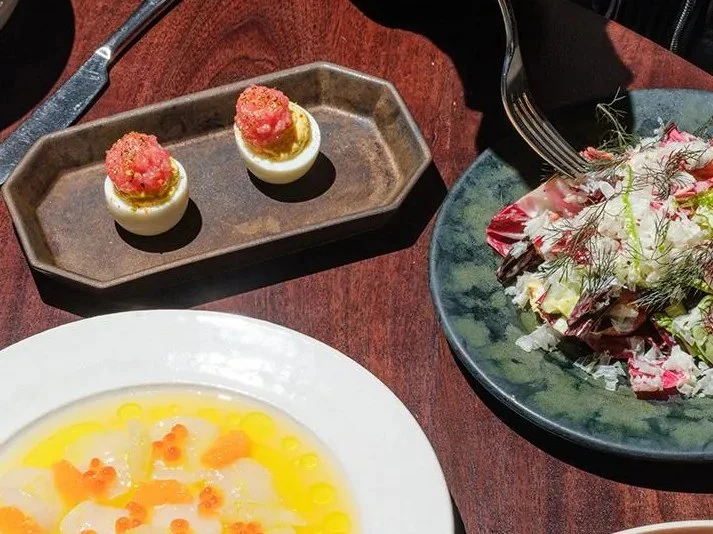
"By October, I started trickling in some Southern ingredients and stories. When talking with my team about those changes, it rekindled a fire inside me, and I found joy that I hadn't felt in a while," Brock told Eater LA.1 The joy he describes is visible in the menu now. Texas deer skewers arrive with smoked bacon and chow chow, a Southern pickled specialty. Deviled eggs get topped with bluefin tuna belly and sansho Japanese chiles. Brock uses his grandmother's cornbread recipe, paired with Ojai Pixie tangerine marmalade.
The decision to pivot was not easy. Brock had spent months preparing to open a restaurant that felt different from everything he had done before. He splits his residence between Los Angeles and Tennessee, and the move to California represented a chance to step outside the Lowcountry cooking that defined his career. But the guest requests and the conversations with his team about Southern ingredients reminded him why he became a chef in the first place.
Brock was born in Virginia's coal country and spent most of his professional life opening restaurants in Tennessee, Georgia, and South Carolina. The James Beard Award-winning chef built his reputation at Husk as one of the most persistent students of Southern foodways in the country. Walking away from that lineage, even temporarily, required conviction. Returning to it required humility.
What's on the New Darling West Hollywood Menu
The reimagined Darling menu applies Santa Monica Farmers Market ingredients to Lowcountry and Appalachian techniques. Carolina gold rice has become a mainstay. Sides include succotash and grits with an herby mascarpone cheese. The abalone dish has evolved into perloo, a Lowcountry-inspired rice stew with stem lettuce and confit egg yolk. Brock and chef Ben Norton created a shaved country ham dish with apple butter and lemon thyme.
Deviled eggs with bluefin tuna belly and other dishes from the reimagined menu at Darling West Hollywood.
Brock hasn't offered okra on any of his menus for some time, but he found a rarer varietal at the Santa Monica Farmers Market and brought it to Darling. The cornbread, made from his grandmother's recipe, is paired with Ojai Pixie tangerine marmalade instead of the honey or butter you might expect in Charleston. The banana pudding still has classic Nilla Wafers, but the base has been swapped for mangos.
For weekend brunch, the Darling team serves rockfish and grits, buttermilk biscuits, and fried chicken from Brock's cookbook, Heritage. The chicken gets steeped in a tea and buttermilk brine and prepared with a blend of five different cooking fats. The technique is pure Appalachian; the rockfish is pure California.
Brock and Norton also reconsidered the restaurant's meat strategy. Brock described the process to Eater LA as rethinking what barbecue can be with one foot in the South and another in California. The Texas deer skewers with smoked bacon and chow chow are an example of that approach. The custom live-fire grills Brock obsessed over before opening now serve a different purpose than he originally planned. The California white and red oak he sourced for months is being used to cook Southern proteins and vegetables.
The pivot extends to the bar program. Jairo Moreno, a veteran of Marea and LA Cha Cha Chá, joined as bar director in May 2026 and developed an almost entirely new selection of cocktails. The Marigny No. 2 blends Mexican gin, prickly pear, elderflower, hoja santa, and an Italian aperitivo. The drink is a West Coast and Southern hybrid, the same approach Brock is taking in the kitchen.
The Farmers Market Connection: California Ingredients, Appalachian Technique
The pivot at Darling is not a retreat from California ingredients. Brock still sources from the Santa Monica Farmers Market. He still studies Southern California's produce, livestock, and products. The difference is the lens he applies to those ingredients. Instead of building a menu that feels native to Los Angeles diners, he is building a menu that feels native to his own culinary identity and then translating it through California's seasonal bounty.
Brock talked extensively about Lowcountry foodways when describing the menu reset to Eater LA. He also acknowledged seeing those traditions with fresh eyes after spending time in California. He described Lowcountry cooking as a combination of two things: the geographic realities of where people are and the cultural influence of what's around them. He cited the traditions of Gullah Geechee, the soul and backbone of West Africa, along with French and Native American foodways.
The micro-cuisines of the South are what Brock has spent his career studying. He spent years in Charleston and is still trying to understand the city's culinary traditions. Bringing those traditions to West Hollywood required more than just adding grits and cornbread to the menu. It required rethinking how Southern cooking could work in a place where the ingredients, the diners, and the cultural context are entirely different.
The Santa Monica Farmers Market became the bridge. Brock found the rarer okra varietal there. He sources the stem lettuce for the perloo there. The Ojai Pixie tangerines for the cornbread marmalade come from California. The mangos for the banana pudding riff come from California. The technique is Appalachian and Lowcountry; the ingredients are Californian. The result is a menu that feels specific to both places.
This approach is not common in the restaurant industry. Most chefs who move to a new region either adapt entirely to local tastes or import their signature style without adjustment. Brock tried the first approach and found it unsatisfying. The pivot represents a third path: applying his signature techniques to a new set of ingredients while honoring the guest requests that made the reset necessary in the first place.
How to Book Darling's Southern Tasting Experience
Darling is located in West Hollywood. The restaurant operates as a tasting menu experience, and reservations are available through the restaurant's website.
Weekend brunch is the best entry point for diners who want to experience Brock's Southern cooking without committing to a full tasting menu. The rockfish and grits, buttermilk biscuits, and fried chicken from the Heritage cookbook are available on Saturdays and Sundays. The fried chicken alone is worth the visit. The tea and buttermilk brine and the blend of five cooking fats produce a texture and flavor that few fried chicken dishes in Los Angeles can match.
The dinner tasting menu is where Brock's full vision comes through. The Texas deer skewers, the perloo, the shaved country ham, and the deviled eggs with bluefin tuna belly are all part of the evening experience. The menu changes based on what Brock and Norton find at the Santa Monica Farmers Market, so repeat visits will yield different dishes. The Carolina gold rice and the grits with herby mascarpone are constants.
The bar program under Jairo Moreno is worth experiencing on its own. The Marigny No. 2 and the other cocktails on the new menu reflect the same hybrid approach Brock is taking in the kitchen. The drinks are not Southern in a literal sense, but they carry the same spirit of blending California ingredients with techniques and flavors from other regions.
Brock's reset at Darling is part of a broader trend in Los Angeles. In late May 2026, chef Keith Corbin also hit reset at his West Adams restaurant, Alta, which previously held a strong soul food lens and now nods more strongly to foodways from West Africa, Asia, and beyond. Resets are not uncommon in the restaurant community, but the transformations at Darling and Alta stand out because both chefs are pivoting toward their own culinary identities rather than away from them.
For Brock, the pivot at Darling represents a return to the cooking that built his career. The custom live-fire grills, the California white and red oak, and the Santa Monica Farmers Market ingredients are still central to the restaurant. The difference is the story being told. Brock described the change to Eater LA as being able to translate Lowcountry cooking into Darling in a way that feels authentic to both the region and the restaurant. Since the realization, the menu process has been different. Now, he can tell a different Southern story.
The pivot also raises questions about how chefs navigate their own culinary identities when they move to new regions. Brock spent months convincing himself that no one in Los Angeles would be excited about Southern food. The guest requests proved him wrong. The rekindled joy he felt when talking with his team about Southern ingredients proved him wrong. The menu reset is a reminder that even James Beard Award-winning chefs course-correct when guest demand and personal culinary identity outweigh the initial concept.
Darling is now a Southern restaurant in West Hollywood. The ingredients are Californian. The techniques are Appalachian and Lowcountry. The story is Sean Brock's. The menu will continue to evolve as Brock and Norton find new ingredients at the Santa Monica Farmers Market and as Brock continues to study the micro-cuisines of the South with fresh eyes. For now, the pivot is complete. The grits and cornbread are on the menu. The joy is back in the kitchen.
The Sunday letter
Get the next Made By guide in your inbox.
We send one email every Sunday morning with the guides and profiles we published that week.