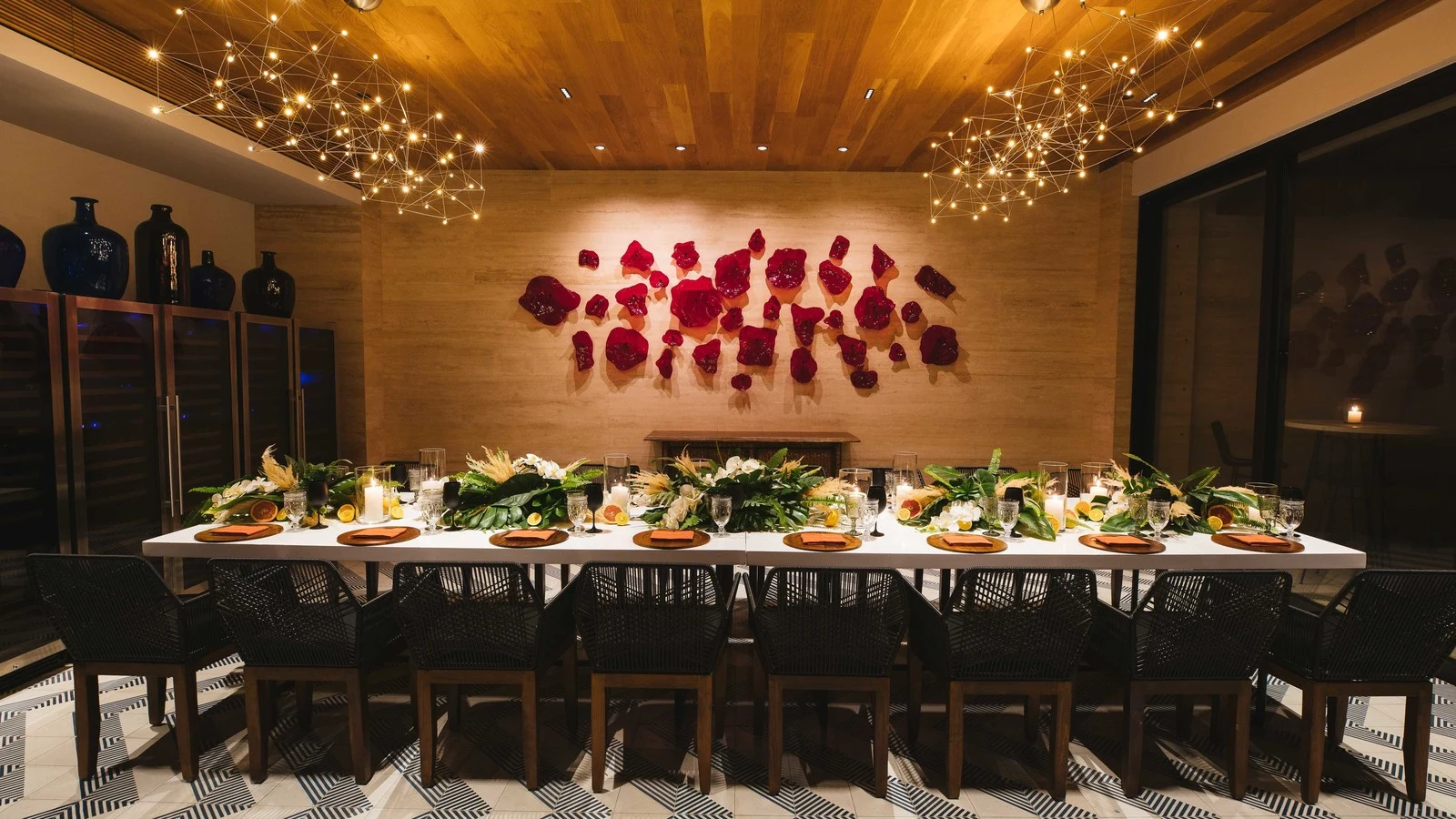
Sean Brock opened Darling in West Hollywood in August 2025 with a California-focused menu, stepping away from the Southern cooking that built his reputation. By October, he was reintroducing cornbread and grits. The pivot came fast, driven by guest requests in the first few weeks of service.
Brock is a James Beard Award-winning chef and owner of Husk. When he opened Darling, he committed to California ingredients and cooking techniques, studying the state's produce, livestock, and farmers' markets for months before the debut. He installed custom live-fire grills designed to burn California white and red oak. The menu was built around what he found at Southern California farmers' markets, not what he had cooked for years in Charleston and Nashville.
The decision to step away from Southern food was deliberate. Brock splits his residence between Los Angeles and Tennessee, and he wanted Darling to feel rooted in its West Hollywood location, not transplanted from the South. He spent time studying Southern California's culinary culture and history, building a menu that would feel familiar to Los Angeles diners who already knew the region's seasonal rhythms.
Why Sean Brock Brought Southern Cooking Back to Darling
Within weeks of opening, guests started asking why the menu didn't include grits and cornbread. Brock had convinced himself that no one in Los Angeles would want Southern food, but the requests kept coming. By October 2025, he began adding Southern ingredients and techniques back into the menu, applying them to the same California produce and proteins he had been sourcing since August.
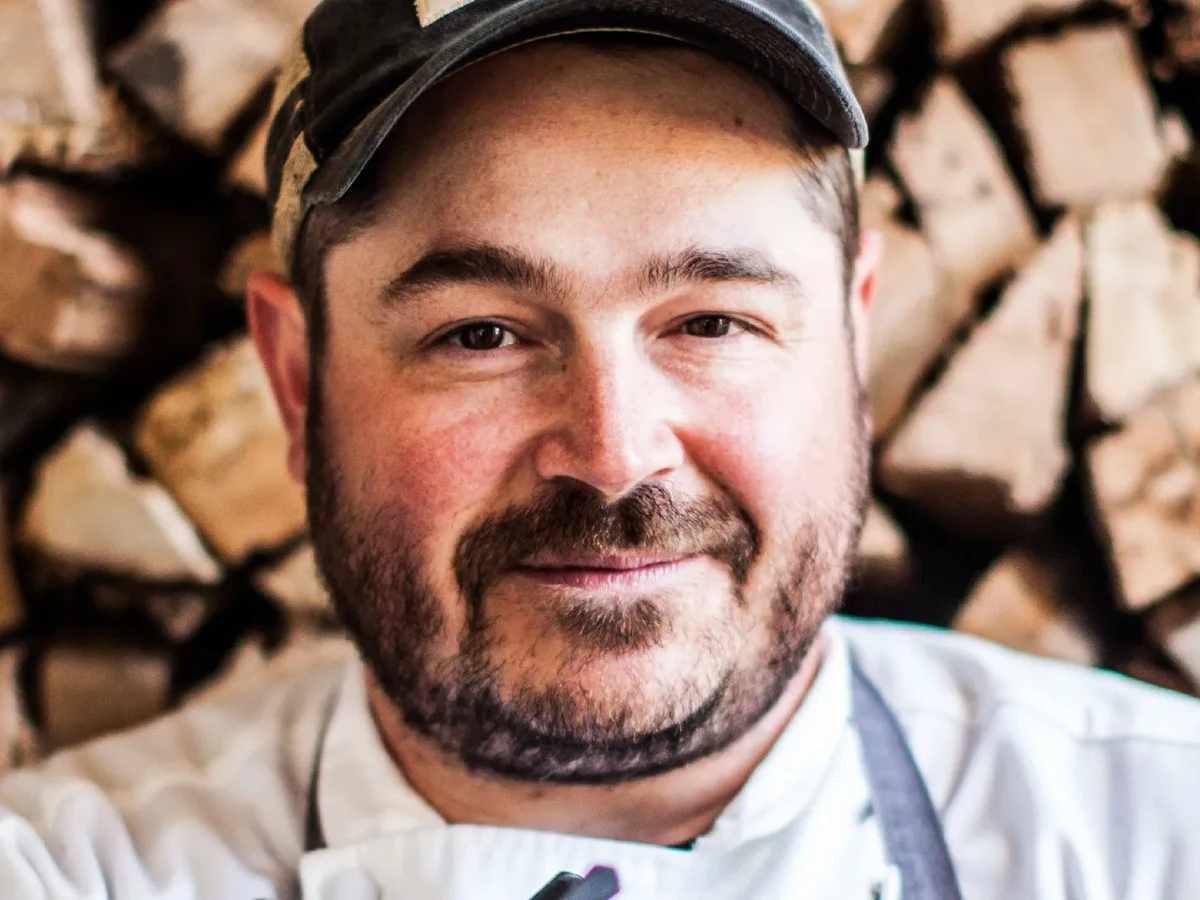
The shift wasn't just about guest demand. Brock has said that talking with his team about the changes rekindled something in him, a sense of joy he hadn't felt in a while. The California-only approach had been creatively challenging, but it didn't reflect the full range of what he knows how to do at the bench. The October revision allowed him to bring his Lowcountry and Appalachian training back into the kitchen without abandoning the California sourcing principles that shaped the restaurant's opening concept.
The pivot also reflects a broader tension in chef-driven restaurants: the balance between creative vision and guest expectations. Brock is known for his work preserving heirloom grains, studying fermentation, and documenting Southern foodways. Stepping away from that lineage was a risk, and the guest response suggested that his reputation preceded the menu. Diners came to Darling expecting some version of the cooking that earned him his James Beard Award, and the California-only menu left them looking for the dishes they associated with his name.
What Changed on the Darling West Hollywood Menu Between August and October 2025
The October revision didn't replace the California sourcing strategy; it layered Southern technique and ingredients over it. Brock and chef Ben Norton started with the dishes guests had asked for: grits, cornbread, and Carolina gold rice. The grits now come with an herby mascarpone cheese. The cornbread uses Brock's grandmother's recipe, paired with Ojai Pixie tangerine marmalade, a California citrus that wouldn't appear in a Charleston kitchen.
The menu now includes Texas deer skewers with smoked bacon, served with chow chow, a Southern pickled relish. Deviled eggs get topped with bluefin tuna belly and sansho Japanese chiles, a combination that pulls from Southern tradition and California's access to Pacific seafood. Brock and Norton created a shaved country ham dish with apple butter and lemon thyme. The abalone dish evolved into perloo, a Lowcountry-inspired rice stew with stem lettuce and confit egg yolk.
Carolina gold rice, a heritage grain Brock has worked with for years, became a mainstay on the menu. Succotash, another Southern staple, appears as a side. The meat program shifted to incorporate what Brock calls a rethinking of barbecue, with one foot in the South and another in California. The custom live-fire grills that were originally designed for California oak now burn that same wood under Southern-influenced preparations.
Weekend brunch added rockfish and grits, buttermilk biscuits, and fried chicken from Brock's cookbook, Heritage. The fried chicken gets steeped in a tea and buttermilk brine and prepared with a blend of five different cooking fats, a technique Brock has refined over years of testing. The brunch menu makes the Southern influence explicit, offering dishes that would be recognizable in a Charleston or Nashville dining room but executed with California ingredients.
The Dishes Guests Demanded Most
"In the first few weeks, guests asked why we didn't have grits and cornbread," said Sean Brock.1 Those two dishes became the entry point for the October menu revision. Grits are a foundational element of Lowcountry cooking, and cornbread is a table staple across the South. Their absence signaled to guests that the menu was missing something central to Brock's identity as a chef.
The requests weren't just about nostalgia. Grits and cornbread are dishes that reveal a chef's technique and sourcing. The quality of the corn, the grind, the cooking method, and the accompaniments all matter. Guests who knew Brock's work wanted to see how he would handle those dishes in a California context, using West Coast ingredients and the custom grills he had installed at Darling.
The cornbread now on the menu uses Brock's grandmother's recipe, a detail that ties the dish to his Appalachian roots. The pairing with Ojai Pixie tangerine marmalade is a California addition, a citrus that wouldn't appear in a traditional Southern preparation but works with the sweetness and texture of the cornbread. The grits come with an herby mascarpone cheese, another departure from classic Lowcountry grits, which are typically finished with butter or cheese but rarely with mascarpone.
The guest demand for these dishes suggests that even in a market as chef-driven and ingredient-focused as West Hollywood, regional identity still carries weight. Diners wanted to taste the cooking that made Brock's reputation, not just the ingredients he could source in California. The October revision gave them both.
How Darling Balances California Ingredients with Southern Technique
The revised menu at Darling applies Southern cooking methods to California produce and proteins. Brock hasn't abandoned the farmers' market-driven sourcing that shaped the August opening; he's using those same ingredients with techniques he learned in Charleston and Nashville. The result is a menu that reads as both California and Southern, depending on which element you focus on.
The abalone dish, for example, evolved into perloo, a Lowcountry rice stew. Abalone is a California ingredient, prized for its texture and flavor, and perloo is a South Carolina preparation, a one-pot dish that combines rice, protein, and vegetables. The version at Darling includes stem lettuce and confit egg yolk, additions that wouldn't appear in a traditional perloo but work within the dish's structure.
The Texas deer skewers with smoked bacon and chow chow follow a similar logic. Deer is sourced from Texas, not California, but the preparation uses Southern techniques: smoking the bacon, making the chow chow, grilling the skewers over California oak. The dish is Southern in method and flavor profile, but it draws on ingredients from outside the region.
Brock has also started sourcing okra from the Santa Monica Farmers Market, a rarer varietal he hasn't used in years. Okra is a Southern staple, but it grows in California, and Brock is using the local crop to bring a familiar ingredient into the menu. The dessert menu includes a riff on banana pudding, made with mangos instead of bananas but still using Nilla Wafers, the classic base for Southern banana pudding.
The balance between California sourcing and Southern technique is what makes the revised menu work. Brock isn't trying to recreate Charleston in West Hollywood; he's using the skills and knowledge he built in the South to cook with the ingredients he finds in California. The custom live-fire grills, the farmers' market sourcing, and the seasonal menu structure all remain from the August opening. The October revision added the layer of Southern cooking that guests expected from a chef with Brock's lineage.
What This Means for West Hollywood's Dining Scene
The pivot at Darling signals that regional identity still matters in California's chef-driven restaurant market. West Hollywood has a competitive dining scene, with chefs who have trained in Michelin-starred kitchens, worked under James Beard Award winners, and built reputations for ingredient-focused cooking. Brock's decision to reintroduce Southern elements suggests that even in a market that values seasonality and local sourcing above all else, diners still want to taste the cooking that made a chef's name.
The October revision also shows how quickly a chef can adjust a menu in response to guest feedback. Brock opened Darling in August with a clear concept: California ingredients, California techniques, no Southern cooking. By October, he had reversed course, not because the concept failed but because the guests wanted something different. The speed of the pivot suggests that Brock was listening closely to the feedback and was willing to adjust his vision to meet guest expectations.
For diners, the revised menu offers a chance to taste Brock's Southern cooking without traveling to Charleston or Nashville. The fried chicken from Heritage, the Carolina gold rice, the grits, and the cornbread are all dishes that Brock has refined over years of practice, and they're now available at a West Hollywood counter. The California ingredients and the custom live-fire grills add a layer of regional specificity that wouldn't exist in a Southern kitchen, but the core techniques and flavors are the same.
The pivot also raises questions about how chefs balance creative ambition with guest expectations. Brock's decision to open Darling with a California-only menu was a creative risk, a chance to step away from the cooking that built his reputation and try something new. The guest response forced him to reconsider that decision, and the October revision brought his Southern training back into the kitchen. The result is a menu that reflects both his California sourcing principles and his Lowcountry and Appalachian roots, a balance that might have been the concept all along if Brock had trusted that Los Angeles diners would want Southern food.
Darling is now serving weekend brunch with rockfish and grits, buttermilk biscuits, and fried chicken. The dinner menu includes Texas deer skewers, perloo, Carolina gold rice, and cornbread with Ojai Pixie tangerine marmalade. The custom live-fire grills are burning California oak under Southern-influenced preparations. The menu is a hybrid, and the October revision suggests that the hybrid is what guests wanted from the start.