When Brendan Pratt first visited Wayfinder Wines in March, he walked a 0.4 hectare market garden, studied a dam converted into a gravity-fed winery, and noted that the Cowaramup estate was solar-powered and off-grid. He also noted something less tangible: the people showing him around were committed to sustainability but not dogmatic about method. That pragmatism, paired with humility, sealed his decision to join Wayfinder as executive chef when the 60-seat cellar door restaurant opens in August.
Pratt's appointment marks a shift in Margaret River's dining landscape. His two-decade career includes stints at British powerhouses The Fat Duck and The Ledbury, as well as local pioneer Vasse Felix. Most recently, he served as culinary director for the Parker Group, where he oversaw everything from pub grub to fine dining. Now he brings that range to a new winery built on organic and regenerative farming practices, gravity-fed winemaking, and off-grid operations.
Why Brendan Pratt Joined Wayfinder Wines
Pratt's decision to join Wayfinder hinged on alignment, not just ambition. The estate's established vineyards are now managed using organic and regenerative farming practices. The market garden supplies the kitchen. The dam-turned-winery uses natural elevation rather than machinery to move grapes and juice, saving energy and reducing mechanical stress on the fruit. The entire property runs on solar power.

That humility matters in a region where wine and food have long been intertwined. Margaret River's dining scene has evolved alongside its wineries, and Pratt's move signals a generational shift: chefs with international pedigrees choosing sustainability-focused estates over established names. Wayfinder is not the first Margaret River winery to emphasize organic viticulture or off-grid operations, but it is among the first to pair those commitments with a chef of Pratt's caliber from the outset.
The timing is deliberate. Pratt visited in March, committed by early June, and will open in August. That compressed timeline suggests the estate's infrastructure was already in place when he arrived: the market garden planted, the gravity-fed winery operational, the solar array generating power. He joined a project that had already solved the hard problems of off-grid winemaking and regenerative farming, leaving him free to focus on the kitchen.
What Makes Wayfinder's Off-Grid Winery Model Different
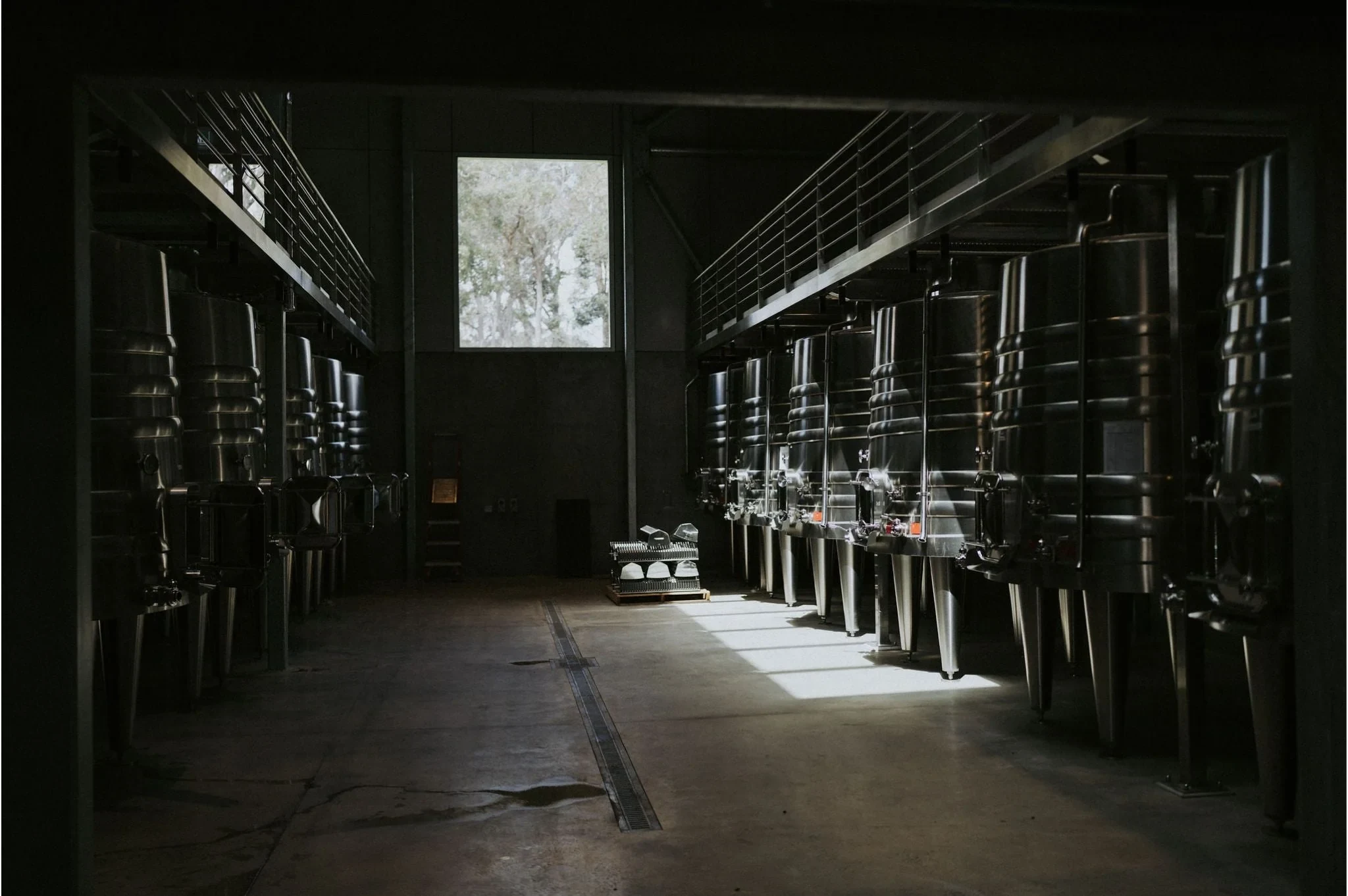
Wayfinder Wines is a gravity-fed, off-grid winery in Cowaramup, a town within the Margaret River wine region. The gravity-fed design uses natural elevation to move grapes and juice through the winemaking process, eliminating the need for pumps and reducing mechanical handling. This approach is gentler on the grapes and saves energy and dollars, according to the estate.
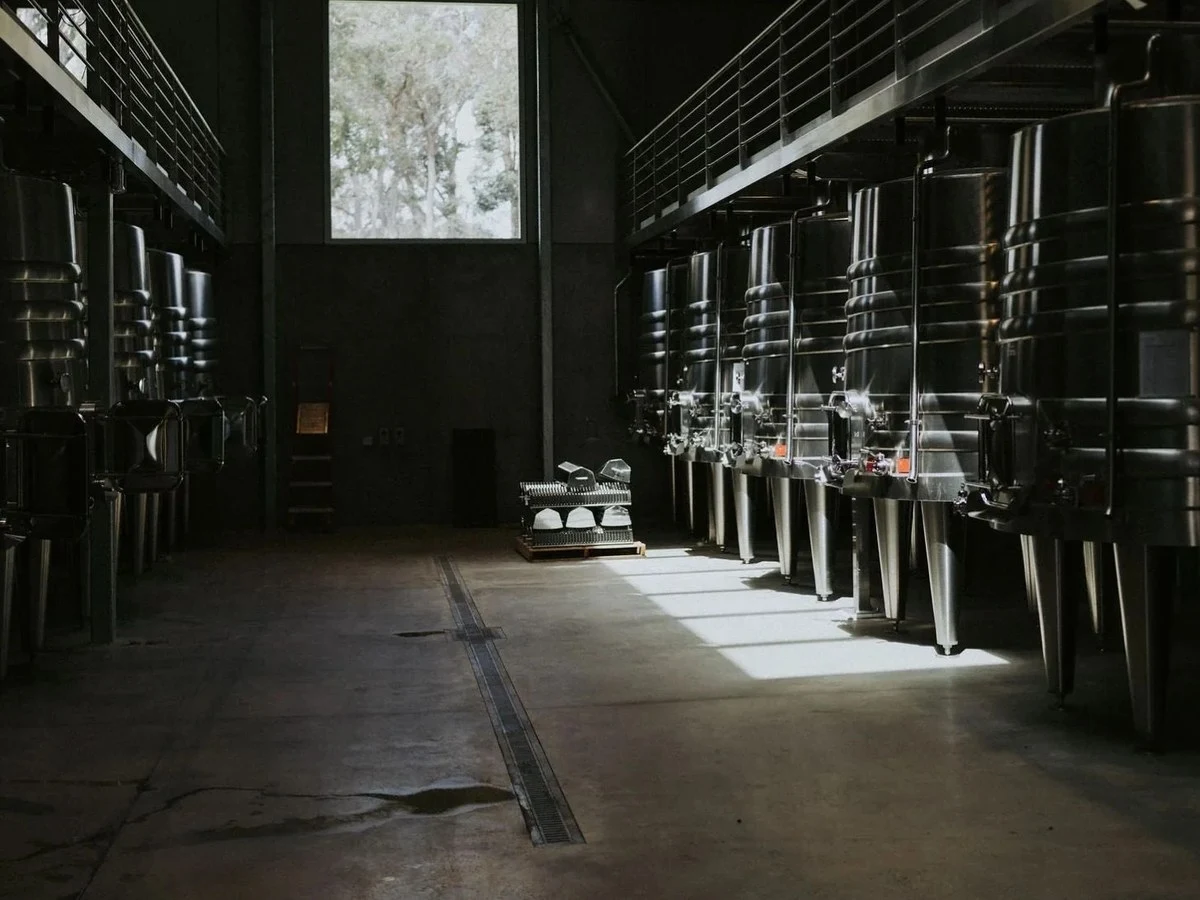
The winery itself was converted from a dam that was not especially functional in its previous role. The conversion repurposed existing infrastructure rather than building from scratch, a choice that aligns with the estate's broader sustainability ethos. The property runs entirely on solar power, making it one of the few off-grid wineries in Margaret River.
The vineyards are managed using organic and regenerative farming practices. Regenerative agriculture focuses on soil health, biodiversity, and carbon sequestration, practices that go beyond organic certification to actively improve the land. The 0.4 hectare market garden planted on the property supplies the kitchen with vegetables, fruits, eggs, and honey, closing the loop between vineyard, garden, and table.
Margaret River has long been known for its focus on quality over quantity, a function of its geographic isolation and the discipline of its producers. Wayfinder's model extends that discipline to energy, water, and soil management. The estate's off-grid operations mean it generates its own power and manages its own resources, a level of self-sufficiency that few wineries in the region have pursued at this scale.
The gravity-fed system is worth understanding in detail. Traditional wineries use pumps to move grapes from the crusher to the fermentation tanks, and again to move juice or wine between vessels. Each pump cycle introduces mechanical stress and the risk of oxidation. Gravity-fed systems eliminate those pumps by positioning the crusher at the highest point, the fermentation tanks below that, and the barrel cellar or bottling line at the lowest elevation. Grapes and juice move downward by gravity alone. The result is gentler handling, lower energy consumption, and wines that reflect the fruit without the artifacts of mechanical processing.
The 60-Seat Restaurant: Menu Philosophy and Sourcing
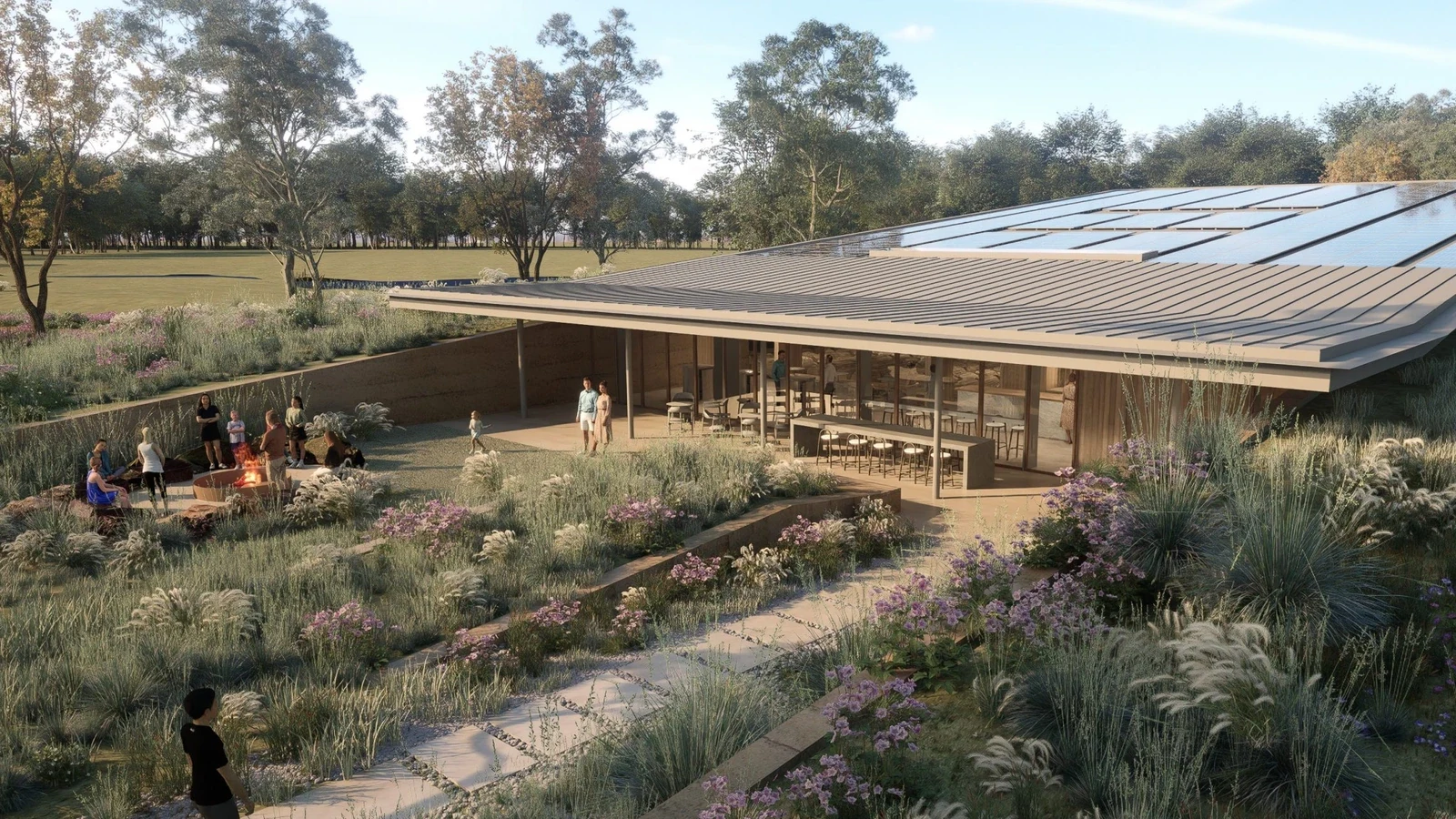
Pratt will bring his entire toolkit to Wayfinder's new 60-seat dining room when it opens in August. The restaurant was designed by Kerry Hill Architects, the firm behind State Buildings, Walyalup Koort, and State Theatre Centre. The cellar door uses rammed earth walls and timber salvaged from the property, reinforcing its green-thinking, Margaret River credentials.
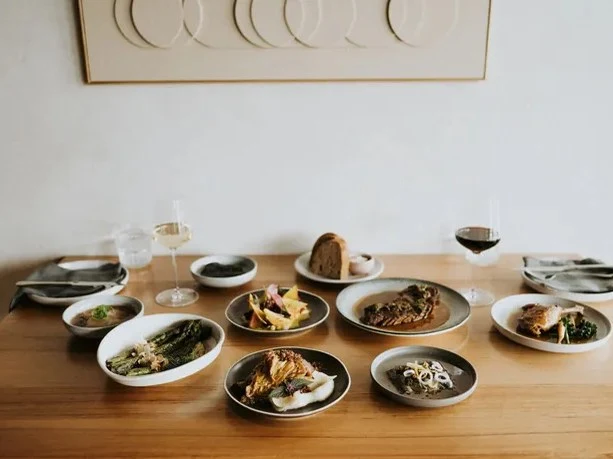
In the kitchen, Pratt will follow a locavore menu featuring estate-grown vegetables, fruits, eggs, and honey, supplemented by meat, seafood, and other ingredients sourced from West Australian farmers and producers who share the estate's values. The menu will include fermentation and pickling, house-made pastas and bread, plus tasting menu and a la carte dining options.
Pratt has invested in a Zesti Icarus grill, a locally made electric grill that replicates the intense char of a traditional charcoal grill without the charcoal or the associated environmental impacts of burning a combustible fuel. If everything goes to plan, the only red meat he will cook is Wayfarer's regeneratively farmed lamb. That constraint is not a limitation; it is a statement. By committing to a single red meat sourced from the estate's own regenerative program, Pratt signals that the menu will prioritize depth over breadth, technique over variety.
The Zesti Icarus grill is a telling choice. It is a Western Australian product, built locally, designed to solve a specific problem: how to achieve the Maillard reaction and char of live-fire cooking without the carbon footprint of burning wood or charcoal. The grill uses electric heating elements to reach temperatures high enough to sear meat and vegetables with the same intensity as a charcoal grill. For a kitchen committed to off-grid operations and minimal environmental impact, it is one of the few tools that can deliver the flavor of fire without the emissions.
"The food needs to be able to be enjoyed without thinking about it too much. But if you do want to dive in and think about it too much, then you'll find a lot to talk about," Pratt said.1 That balance between accessibility and depth defines the program. Diners can order a la carte or commit to the tasting menu. The kitchen will use estate-grown produce when it is in season and supplement with ingredients from simpatico producers when it is not. Fermentation and pickling extend the growing season and add complexity. House-made pastas and bread anchor the menu in craft.
The 60-seat capacity is deliberate. It allows the kitchen to maintain quality and consistency while serving enough covers to make the operation viable. It also means the restaurant will fill quickly, especially during peak season when Margaret River draws visitors from Perth, interstate, and overseas. A 60-seat restaurant with a chef of Pratt's reputation will book out weeks in advance during summer, and likely months in advance for weekend seatings.
Booking Wayfinder Wines: August Opening Details
Wayfinder Wines opens in August. The 60-seat restaurant will operate as a cellar door, meaning visitors can taste the estate's wines alongside Pratt's menu. The estate is located in Cowaramup, within Margaret River's wine country.
Early reservations are recommended. Pratt's reputation, combined with the limited capacity and the novelty of a new winery opening, means the restaurant will likely book out quickly during peak season. Margaret River's high season runs from September through April, with the busiest months typically December through March. An August opening gives the kitchen and cellar door two months to settle before the summer rush.
The estate's off-grid operations and gravity-fed winery will be visible to visitors, offering a behind-the-scenes look at how the property manages energy, water, and winemaking. The market garden, rammed earth walls, and salvaged timber construction reinforce the estate's commitment to sustainability without turning it into a museum piece. Visitors will see the solar array, the gravity-fed winery carved into the hillside, and the market garden that supplies the kitchen.
For collectors and wine enthusiasts, Wayfinder represents a new generation of Margaret River producers: estates that pair organic and regenerative viticulture with off-grid operations and fine-dining ambition. The winery's focus on gravity-fed winemaking and minimal intervention suggests wines that prioritize fruit expression and terroir over manipulation. The estate's commitment to soil health and biodiversity positions it within a broader movement toward regenerative agriculture in Australian wine.
For diners, the opening offers a chance to see what Pratt does when given full creative control and a kitchen supplied by an estate garden. His work at Vasse Felix established his reputation in Margaret River; his time at The Fat Duck and The Ledbury proved his technical range; his role at the Parker Group demonstrated his ability to scale and adapt. Wayfinder is the synthesis: a chef with international credentials cooking from a garden on a regenerative farm in one of Australia's most isolated and quality-focused wine regions.
The August opening positions Wayfinder to capture the tail end of winter and the start of spring, when Margaret River's weather is mild and the region's producers are preparing for the growing season. It also gives the kitchen and cellar door time to settle before the summer rush. For anyone planning a Margaret River trip in the second half of the year, Wayfinder should be on the list. Made By follows the people who shape what you eat and drink. Subscribe, and the next dispatch from the bench, the cellar, or the kitchen comes to you.